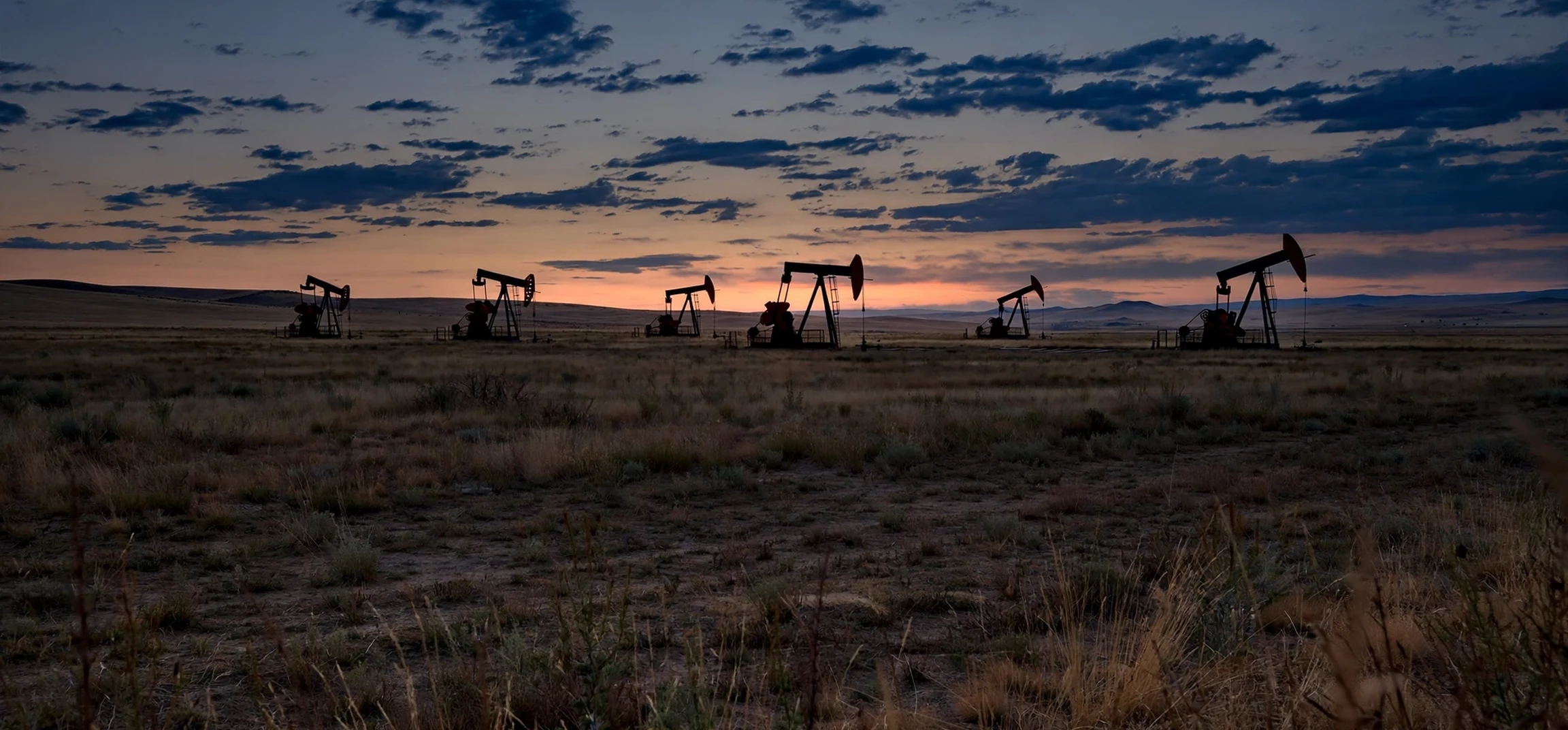
If you are learning how energy companies fit into the stock market, you may search for an oil company stocks list to understand the landscape. This guide offers an educational overview of an oil company stocks list in terms of categories, not a recommendation, and it contains no prices, no forecasts, and no buy or sell advice. An oil company stocks list is best understood as a map: it shows how different kinds of oil and gas companies operate, how they earn revenue, and why their business risks differ. Once you understand the categories, you can read company reports, news, and market commentary with much greater clarity.
Oil and gas companies are not all alike. Some explore for new reserves and produce crude oil and natural gas. Some refine crude oil into petrol, diesel, jet fuel, and other products. Some transport and store energy products. Others provide drilling, engineering, and equipment services to producers. An oil company stocks list that lumps all of these together can mislead a reader, because a refiner and an explorer face different costs, different cycles, and different risks. Sorting companies by what they actually do is the first step in any sensible education about this sector.
Oil Company Stocks List: How the Sector Is Organised
An oil company stocks list usually starts with the idea of the value chain, the chain of steps that turns underground resources into fuel at a petrol station. Upstream companies explore and produce. Midstream companies transport, store, and process. Downstream companies refine and sell finished products. Integrated companies do several of these steps under one roof. Service companies support the whole chain without owning large reserves themselves. When you read an oil company stocks list, try to place each company on this chain before you draw any conclusions about it.
Integrated majors are the largest and most diversified companies in an oil company stocks list. They typically explore, produce, refine, and market products, often across many countries. That breadth can smooth out some ups and downs, because a weak period in one part of the business may coincide with a stronger period in another. It does not remove risk, since all parts of the business still depend on energy demand, commodity prices, regulation, and safety performance, but it does spread exposure across the chain.
Independent producers, by contrast, focus mainly on exploration and production. They may operate in a single basin or region, and their fortunes are closely tied to production volumes and commodity prices. Refiners focus on turning crude oil into finished fuels and chemicals. Their economics depend on the difference between input costs and output prices, known as refining margins, as well as on plant reliability and environmental compliance. Each model has its own logic, and comparing them directly without noting the difference can be misleading.
Oil Company Stocks List Categories Explained
Let us walk through the main categories found in any oil company stocks list in more detail. Upstream exploration and production companies search for oil and gas, drill wells, and bring resources to the surface. Their key questions include how much they can produce, how long reserves will last, how much it costs to drill and operate wells, and how they manage safety and environmental responsibilities. Their results tend to rise and fall with commodity prices, because revenue comes mainly from selling what they produce.
Midstream companies own pipelines, storage terminals, and processing plants. They often earn fees for moving or storing products, which can be steadier than production revenue, but they still face regulatory, safety, and demand risks. Some midstream businesses are organised as partnerships or specialist infrastructure companies, with their own tax and distribution structures. Readers should study those structures separately, since they differ from ordinary company shares in important ways.
Downstream companies refine crude oil and sell petrol, diesel, aviation fuel, heating oil, lubricants, and petrochemical products. Refining is a complex manufacturing business with large plants, strict safety rules, and constant maintenance needs. Retail networks, such as branded petrol stations, are part of the downstream picture for some companies. Service companies, meanwhile, provide drilling rigs, seismic surveys, engineering, well services, and equipment. Their demand rises when producers invest in new projects and falls when producers cut spending.
How to Read an Oil Company Stocks List Without Advice
Reading an oil company stocks list as education, rather than as a shopping list, changes what you look for. Start with the business description: what does the company actually do, and where does it operate? Then look at how it reports its segments: does it break out upstream, midstream, downstream, and other activities separately? Segment reporting helps you see which part of the business drives results and which part faces pressure. A company that looks uniform from the outside may be quite varied inside.
Next, consider scale and geography. A global integrated company operates under many tax regimes, regulations, and political environments. A small regional producer may depend on a single basin, a single pipeline route, or a small set of customers. Neither scale is inherently better, but scale changes the risk profile. Geography also affects transport costs, environmental rules, and exposure to local demand. A diversified footprint spreads some risks, while a concentrated footprint makes a company easier to understand but more exposed to local shocks.
Also pay attention to the difference between oil, natural gas, and refined products. Some companies focus heavily on crude oil, others on natural gas, and others on a mix. Natural gas markets have their own pricing, transport, and seasonal patterns, especially where pipelines or liquefied natural gas terminals shape supply. Chemicals and lubricants add another layer, since they serve manufacturing and transport customers beyond fuel markets. An oil company stocks list that ignores these distinctions will hide important differences.
Risks and Cycles in Oil Company Stocks
Oil company stocks are often described as cyclical, meaning their results tend to move with broader economic and commodity cycles. When economic activity is strong, demand for transport fuels and industrial energy tends to rise. When activity weakens, demand can soften. Commodity prices can move sharply on supply decisions, geopolitical events, weather, storage levels, and changes in demand. Companies cannot control those prices, so they manage what they can: costs, safety, project timing, and balance sheet strength.
Regulation and policy are another major factor. Environmental rules, drilling permits, pipeline approvals, fuel standards, and carbon policies all affect costs and project choices. Companies must also manage safety risks, since drilling, refining, and transport involve hazardous materials and high-pressure equipment. A serious incident can harm people, the environment, and the company’s reputation, and it can lead to large costs and legal consequences. Responsible readers should weigh these factors alongside financial reports.
The energy transition adds a longer-term dimension. Many oil companies now discuss lower-carbon investments, such as natural gas as a transition fuel, carbon capture, hydrogen, biofuels, or renewable power. The pace and scale of these investments vary widely, and readers should check company reports for specifics rather than relying on slogans. This guide offers no view on which strategy is best; it simply notes that transition plans are now part of understanding any oil company stocks list.
Financial Basics for Learning About Oil Companies
For educational purposes, a few financial concepts help readers make sense of oil company reports. Revenue shows how much the company sold, but it can swing with commodity prices even when volumes are stable. Operating costs include drilling, refining, transport, labour, and maintenance. Capital spending shows how much the company invests in new wells, plants, and equipment. Debt levels show how much borrowing supports the business, and cash flow shows how much cash the business generates after its main costs.
Dividends and share buybacks are ways companies return cash to shareholders, but they are decisions made by company boards and can change. A high dividend in one period does not guarantee the same payment later. Reserves are another key concept: proved reserves are quantities that engineers estimate can be recovered with reasonable certainty under existing conditions. Reserve life, often expressed in years, divides reserves by annual production, but it is an estimate, not a promise. All of these figures should be read in company filings and annual reports, not in headlines alone.
For wider market context, readers may find our guides on long-run returns and market data useful background. You can read the market returns overview at average stock market return overview, the market data guide at stock market data guide, and the short interest explainer at short float stock explainer.
Oil Company Categories at a Glance
| Category | Main activity | Key things to study |
|---|---|---|
| Integrated majors | Explore, produce, refine, and sell | Diversification, global footprint, transition plans |
| Independent producers | Explore and produce oil and gas | Production, reserves, costs, commodity exposure |
| Refiners | Turn crude into finished fuels | Refining margins, plant reliability, compliance |
| Midstream firms | Transport, store, and process | Fee structures, contracts, safety, regulation |
| Oilfield services | Drilling, engineering, equipment | Producer spending cycles, contracts, technology |
Frequently Asked Questions
What does an oil company stocks list actually list?
An oil company stocks list is a way of grouping publicly traded oil and gas companies, usually by what they do: integrated majors, independent producers, refiners, midstream firms, and service companies. It is a map for learning, not a recommendation.
Are all oil stocks affected by oil prices in the same way?
No. Producers are usually most directly exposed, refiners depend more on margins between input and output prices, midstream firms often rely more on fees, and service firms depend on producer spending. The effect varies by category.
Does this guide recommend any oil stocks?
No. This guide is educational only. It contains no prices, no forecasts, and no buy or sell advice. Anyone considering investing should research company filings and seek qualified independent advice suited to their circumstances.
Where can I learn more about a specific company?
Company annual reports, investor presentations, and regulatory filings are the primary sources. They describe strategy, segments, risks, and financial results in the company’s own words, with audited figures.
Conclusion
An oil company stocks list becomes far more useful when you read it by category rather than as a single undifferentiated group. Integrated majors spread activity across the value chain, independent producers focus on exploration and production, refiners turn crude into finished products, midstream firms move and store energy, and service firms support the whole chain. Each category has its own economics, risks, and cycles, shaped by commodity prices, regulation, safety, geography, and the energy transition. This guide has offered no prices, no forecasts, and no investment advice, by design. Its purpose is simpler and more durable: to give you a clear map so that the next time you meet an oil company stocks list, you can place each company on that map, ask better questions, and read the sector with confidence and care.