The longest word in wales is not a word invented for a puzzle book or a spelling contest. It is the name of a real village on the island of Anglesey, in the north-west of Wales, and it has become one of the most famous place names in the world. Written in full, it stretches to fifty-eight letters, and visitors travel from far away just to photograph its railway station sign and to try saying it aloud. This guide explains what the longest word in wales is, where it comes from, what it means, and why a small Welsh village ended up with a name longer than most sentences.
The village is usually shortened by local people to Llanfairpwll, which is already a mouthful for most English speakers, but the full form is Llanfairpwllgwyngyllgogerychwyrndrobwllllantysiliogogogoch. The longest word in wales is often described as the longest place name in Europe and one of the longest in the world, and it appears in guidebooks, trivia quizzes, and language lessons everywhere. Yet the story behind the name is more interesting than its length alone, because it tells us about the Welsh language, the history of the village, and a clever piece of nineteenth-century promotion that worked far better than anyone expected.
What Is the Longest Word in Wales?
Strictly speaking, the longest word in wales is a place name rather than an everyday vocabulary word. Welsh is a language that builds long words by joining smaller descriptive elements together, so place names often read like short descriptions of the landscape. The longest word in wales is a string of such elements, each describing a feature of the place, a nearby landmark, or a historical association. When you break it into parts, it stops looking like a random jumble of letters and starts looking like a map written in words.
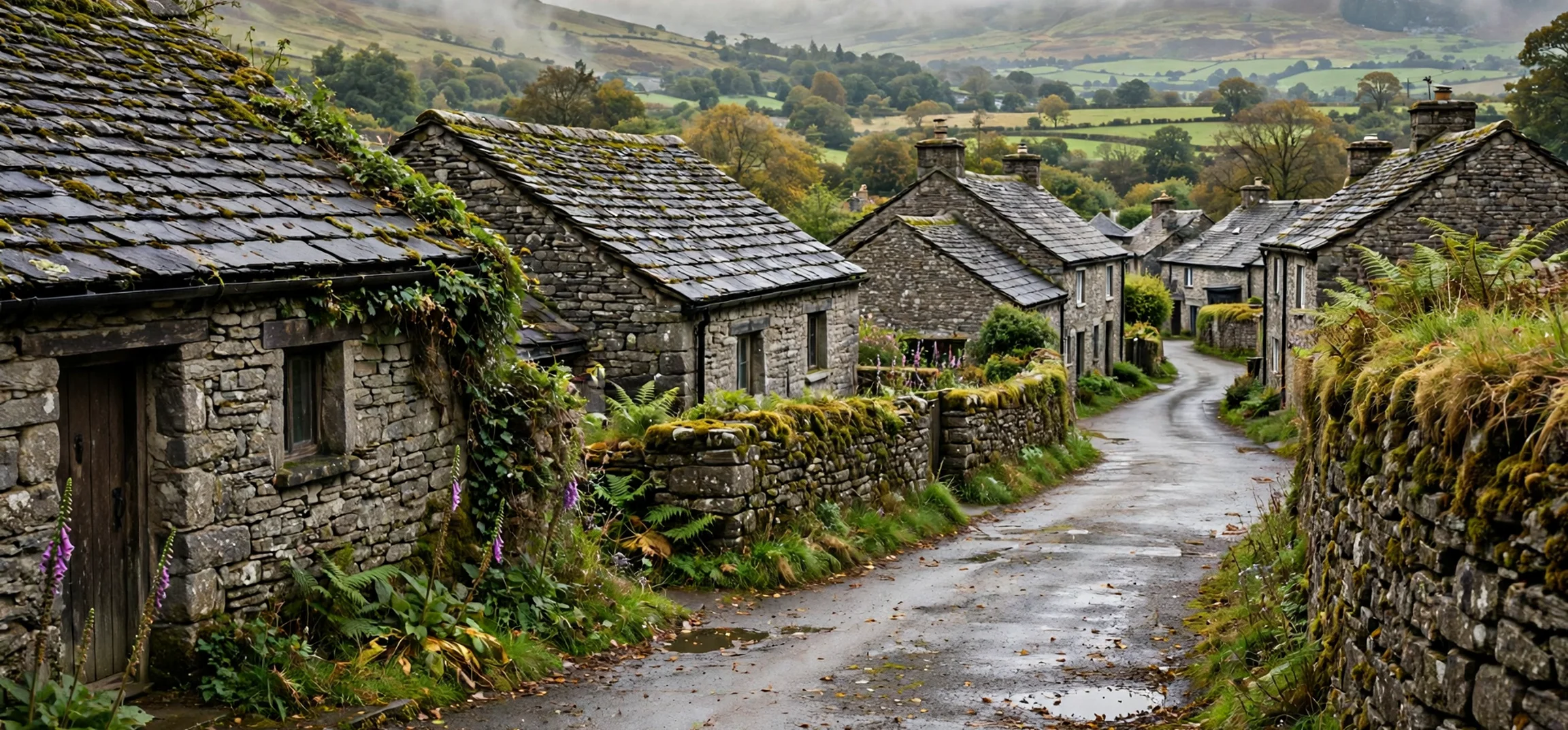
The name is generally translated as the church of St Mary in the hollow of the white hazel, near to the rapid whirlpool and the church of St Tysilio, with its red cave. That translation tells a small story: a church, a hollow, white hazel trees, a whirlpool in the nearby strait, another church, and a cave. Each element points to something real in the landscape around the village, and together they describe the setting in a way that a short modern name never could. For language lovers, the longest word in wales is therefore a window into how Welsh place names work, not just a curiosity.
A Real Place, Not a Joke Name
It is worth stressing that the village is a genuine community, not a novelty invented for tourists. People live there, work there, and go to school there, and the long name is used on signs, station boards, and official documents alongside the shorter form. Visitors are welcome, and the village has shops, places to eat, and a railway station, but it is first and foremost a home for its residents. Treating it with that respect, and taking an interest in the language behind the name, makes a visit far more rewarding than simply snapping a photograph and leaving.
Why the Longest Word in Wales Became Famous
The longest word in wales owes much of its fame to the arrival of the railway. In the nineteenth century, the village sat on an important rail route, and a long, eye-catching station name was a gift for publicity. Local tradition holds that the name was lengthened deliberately in that period to attract attention and visitors, and whether every detail of that story is exact, the result is beyond doubt: the station sign became a landmark in its own right, photographed by generations of travellers. The name appeared in newspapers, postcards, and guidebooks, and its fame spread far beyond Wales.
Popular culture carried the fame further. The name has featured in songs, comedy sketches, quiz shows, and language challenges, and it is often the first Welsh word that people outside Wales ever encounter. That exposure has made it a friendly introduction to the Welsh language for many learners, even if most of them only ever master the shortened form. For the village, the fame has brought steady tourism, and for Wales as a whole, it has become a symbol of a living language with a distinctive sound and structure. If you enjoy unusual place names, you may also like our look at a town named after its founders, which shows how place names can preserve local history in a similar way.
The Longest Word in Wales and the Welsh Language
Welsh is one of the oldest living languages in Europe, and it is spoken daily by hundreds of thousands of people in Wales. Its spelling may look unfamiliar to English speakers, because combinations such as ll, dd, and ch represent single sounds, and the letter w can act as a vowel. Once you learn those rules, Welsh words become much less intimidating, and the longest word in wales becomes a series of pronounceable syllables rather than an unbroken wall of letters. Language classes and online pronunciation guides break the name into chunks, and practising it chunk by chunk is the best way to learn it.
Welsh place names follow patterns that are worth learning. Llan at the start of a name usually refers to a church or an enclosed religious site, and many Welsh villages begin with it. Other common elements refer to rivers, hills, bridges, and saints, so a place name often describes its surroundings in miniature. The longest word in wales follows exactly that pattern, only at greater length than usual. Understanding those building blocks turns the longest word in wales into a readable description, and it also helps visitors make sense of other Welsh signs and maps as they travel.
How to Pronounce the Name
The usual advice is to split the name into its natural parts and practise each part slowly before joining them together. Start with the short form, Llanfairpwll, and get comfortable with its sounds, then add the following sections one at a time. Native speakers pronounce it fluently, but nobody expects a first-time visitor to get it perfect, and local people generally appreciate any genuine attempt. Listening to a recording of the longest word in wales by a Welsh speaker is far more useful than guessing from the spelling, because Welsh letter combinations do not always match English expectations.
Visiting the Village Behind the Name
The village lies near the town of Menai Bridge, close to the strait that separates Anglesey from the Welsh mainland. Its railway station sign is the main attraction, and visitors often pose beside it for photographs, but the surrounding area rewards a longer stay. Anglesey offers coastal walks, beaches, historic sites, and views across the strait, and the village makes a convenient stop on a wider tour of the island. Checking train times and local visitor information before you travel will help you plan a smooth visit, especially outside the busiest summer months.
When you visit, remember that the station and the village are working places, not a theme park. Be considerate around the station, keep to public areas, and support local businesses if you stop for food or souvenirs. Many visitors buy a postcard or a small souvenir bearing the full name, which makes a memorable gift precisely because the name is so unusual. For broader travel inspiration, see our world travel guide for ideas on planning trips that mix famous sights with quieter local discoveries.
Longest Word in Wales: Frequently Asked Questions
How many letters does the name have?
The full form has fifty-eight letters, making it one of the longest place names in the world. Shorter forms are used in everyday speech and on many local signs, but the full form is the one that appears on the famous station sign and in record books.
What does the name mean in English?
In broad terms, it describes the church of St Mary in a hollow where white hazel grows, near a rapid whirlpool, and near the church of St Tysilio with its red cave. Different translations vary slightly in wording, but they all describe the same landscape features around the village.
Is it the longest place name in the world?
It is often described as the longest place name in Europe, while a handful of longer names exist elsewhere in the world, including a hill name in New Zealand. Claims of this kind depend on how names are counted and spelled, so it is safest to call it one of the longest, and certainly the most famous long place name in Europe.
| Fact | Detail |
|---|---|
| Full name | Llanfairpwllgwyngyllgogerychwyrndrobwllllantysiliogogogoch |
| Letter count | Fifty-eight letters |
| Short form | Llanfairpwll |
| Location | Anglesey, north-west Wales |
| Language | Welsh, a living Celtic language |
| Famous feature | The long railway station sign |
Conclusion
The longest word in wales is much more than a tongue-twister. It is a real village name, built from Welsh words that describe churches, trees, water, and caves in the landscape around Anglesey. Its fame began with the railway age and has lasted into the age of social media, yet the name itself remains a genuine piece of Welsh language and history. Whether you visit in person, practise the pronunciation at home, or simply enjoy the story, the village offers a memorable reminder that place names can carry history, language, and a sense of humour all at once. The next time the name comes up in a quiz, you will know not only how long it is, but what it means and why it matters.