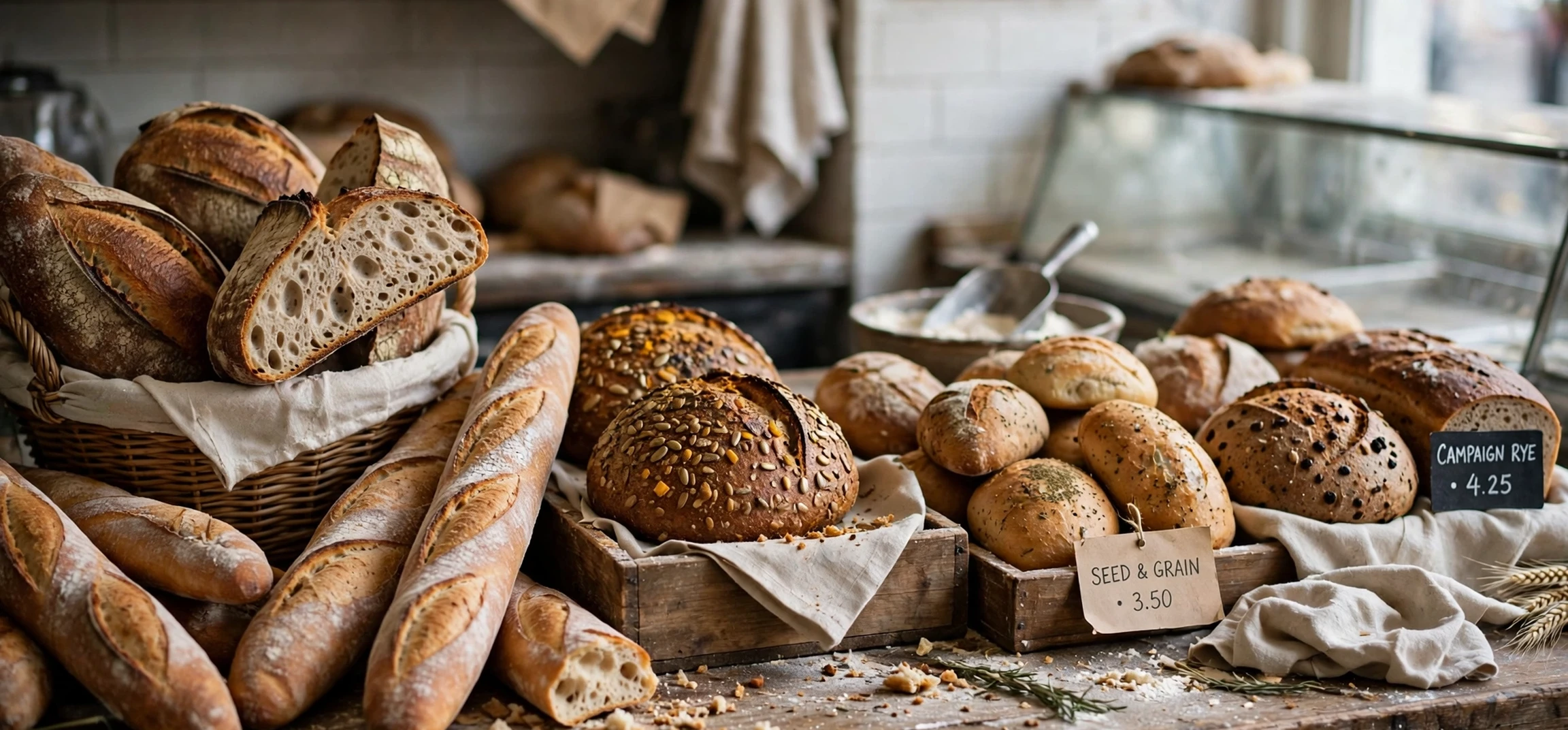
For many Filipino families, the phrase ling nam senorita bread brings back the smell of a neighbourhood bakery on a quiet morning, the crinkle of a paper bag, and a soft, sweet roll shared at the table. Ling Nam senorita bread is a beloved bakery item from Ling Nam, a long-running Chinese-Filipino restaurant and bakery chain in the Philippines, and its senorita bread has become a small cultural icon in its own right. Soft, slightly sweet, and rolled into a neat spiral shape, it is the kind of bread people buy by the dozen and finish long before they get home. This guide explains what ling nam senorita bread is, why it inspires so much nostalgia, how it is made, and how to enjoy it at its best, without making any claims about current prices or availability that can change from branch to branch.
Senorita bread, sometimes spelled señorita bread, is a Filipino bread roll known for its soft crumb, gentle sweetness, and distinctive rolled shape. At Ling Nam, it sits alongside the restaurant’s noodle dishes and dim sum as a bakery favourite that regulars ask for by name. People who grew up near a Ling Nam branch often describe the bread as a childhood treat, something a parent or grandparent would bring home after a meal out. That memory is a big part of why searches for ling nam senorita bread keep growing: people are not just looking for a snack, they are looking for a taste of home.
What Is Ling Nam Senorita Bread?
Ling nam senorita bread is a soft, sweet Filipino bread roll sold through the bakery section of Ling Nam restaurants. Each piece is rolled into a compact spiral, giving it a slightly flaky outer layer and a pillowy interior. The dough is enriched, meaning it contains ingredients such as milk, butter or margarine, sugar, and eggs, which is what gives the bread its tender texture and golden colour. Unlike crusty European-style breads, senorita bread is meant to be soft all the way through, with a light sweetness that makes it satisfying on its own and easy to pair with other foods.
The roll is usually modest in size, closer to a dinner roll than a loaf, which makes it easy to eat as a snack, a breakfast item, or a side to a savoury meal. Some fans eat it plain, tearing off the spiral layer by layer. Others spread a little butter on a warm piece or pair it with hot chocolate, coffee, or milk. Because the bread is mildly sweet rather than heavily sugary, it works in both roles: a gentle dessert-like treat and a comforting everyday roll. If you are trying ling nam senorita bread for the first time, eating one piece plain and warm is the best way to understand its appeal.
How Senorita Bread Differs From Other Filipino Breads
The Philippines has a rich bakery tradition, and senorita bread occupies its own corner of it. Pandesal, the most famous Filipino bread, is a slightly salty, crusty roll coated in breadcrumbs and usually eaten at breakfast. Ensaymada is a soft, coiled pastry topped with butter, sugar, and cheese. Spanish bread is a rolled loaf filled with a sweet breadcrumb and butter mixture. Senorita bread sits somewhere between these: softer and sweeter than pandesal, simpler and less rich than ensaymada, and lighter than Spanish bread. Its spiral shape is its signature, and its texture is its selling point.
What sets the Ling Nam version apart, according to longtime fans, is consistency. Regulars say the rolls taste the same visit after visit, with the same softness and the same gentle sweetness. That reliability matters for a nostalgia food: when people return after years away, they want the bread to taste the way they remember it. Bakeries that keep a recipe steady over decades earn a loyalty that newer shops struggle to match, and Ling Nam senorita bread is a good example of that loyalty in action.
Why Ling Nam Senorita Bread Inspires So Much Nostalgia
Nostalgia is the real story behind ling nam senorita bread. For Filipinos who grew up in Metro Manila, Ling Nam was a familiar stop for family meals, and the bakery counter was often the last stop before heading home. A bag of senorita bread was the takeaway treat, something to eat in the car or save for breakfast the next morning. For Filipinos living abroad, the bread represents something harder to replace: a flavour tied to a specific place and time that cannot be ordered online or easily recreated from a generic recipe.
Food nostalgia works this way because taste and smell are closely linked to memory. A single bite can bring back a childhood kitchen, a grandparent’s visit, or a holiday gathering. Senorita bread is especially good at triggering those memories because it is simple. There are no strong spices or unusual flavours to distract from the experience, just softness, sweetness, and warmth. That simplicity is why people describe ling nam senorita bread in emotional terms, calling it a comfort food or a taste of childhood, rather than simply a bakery product.
Social media has added to the nostalgia. Filipinos abroad post about the bread when they visit home, and friends comment with their own memories of Ling Nam branches. These posts turn a humble bread roll into a shared cultural reference point, something that signals belonging to a particular generation or community. If you have seen ling nam senorita bread mentioned in a nostalgic post, that shared-memory effect is usually what the poster is really talking about.
What Ling Nam Senorita Bread Tastes Like
The flavour of ling nam senorita bread is gentle and approachable. The first note is a mild, milky sweetness, followed by a buttery richness that stays light rather than heavy. The crumb is soft and slightly chewy, pulling apart in thin layers because of the spiral roll. The outside is golden and tender, not crisp, so the whole piece feels pillowy from first bite to last. There is no filling in the classic version, which is part of its charm: the bread itself is the point.
Texture matters as much as flavour here. A good senorita roll should feel fresh and springy, compressing slightly when squeezed and bouncing back. Stale senorita bread turns dry and firm, which is why regulars recommend eating it the same day it is bought. Warming a piece briefly restores much of its softness, which is a useful trick if you are saving rolls for the next morning. Pairing also matters: the mild sweetness complements savoury foods well, which is why some people eat senorita bread alongside noodle soups or savoury dishes from the same restaurant.
Best Ways to Enjoy Senorita Bread
There is no single correct way to eat senorita bread, but a few approaches bring out its best qualities. Eating it warm and plain lets you taste the dough itself, which is the classic experience. Spreading a thin layer of butter on a warm roll adds richness without overwhelming the gentle sweetness. Dipping it in hot chocolate or coffee is a traditional Filipino merienda pairing, turning a simple roll into an afternoon snack ritual. Some people also use senorita bread as a side to soup or noodles, letting the soft bread balance a savoury broth.
For storage, keep the rolls in a sealed bag or container at room temperature and eat them within a day or two for the best texture. If you need to keep them longer, freezing works better than refrigeration, which tends to dry bread out. To reheat, warm a roll briefly in an oven or toaster oven until just soft, rather than microwaving it for too long, which can make it rubbery. These small steps help preserve the soft, fresh quality that makes ling nam senorita bread special.
What Goes Into Ling Nam Senorita Bread?
While the exact Ling Nam recipe is a house recipe and not published, senorita bread in general is made from familiar enriched-dough ingredients: flour, yeast, milk, sugar, butter or margarine, eggs, and a pinch of salt. The dough is kneaded until smooth and elastic, left to rise until doubled, then shaped into the signature spiral rolls and baked until golden. The enrichment is what separates senorita bread from lean breads made only from flour, water, yeast, and salt: the added fat and sugar produce a softer crumb, a richer flavour, and a longer-feeling freshness on the day of baking.
Home bakers who try to recreate the style usually focus on three things: a soft, well-kneaded dough, a gentle sweetness that does not overpower, and the spiral shaping that gives the roll its layered texture. Getting the rise right matters too. Under-proofed rolls turn out dense, while over-proofed rolls can collapse in the oven. If you are baking your own version, patience during the rising stages is more important than any single ingredient choice, and a light hand with the sugar keeps the result close to the bakery original.
| Feature | Ling Nam Senorita Bread | Pandesal | Ensaymada |
|---|---|---|---|
| Shape | Spiral roll | Round roll | Coiled pastry |
| Sweetness | Mildly sweet | Slightly salty | Rich and sweet |
| Texture | Soft and pillowy | Crusty outside, soft inside | Soft with buttery topping |
| Usual topping | None | Breadcrumbs | Butter, sugar, cheese |
| Best eaten | Warm, same day | Fresh from the oven | Fresh or lightly warmed |
Ling Nam Senorita Bread and Filipino Bakery Culture
To understand ling nam senorita bread, it helps to understand the Filipino bakery itself. Bakeries in the Philippines are neighbourhood institutions, open early in the morning, selling affordable breads that people buy daily. The bakery counter is a social place where regulars are known by name and favourite orders are remembered. Ling Nam fits this pattern with a twist: it is also a restaurant, so its bakery benefits from the foot traffic of diners who discover the bread after a meal and then return just for the bakery.
This dual identity explains the bread’s staying power. Restaurant bakeries that survive for decades do so because they serve both the dine-in crowd and the takeaway crowd, and senorita bread serves both well. It is easy to add to a meal as a side, easy to buy in bulk for the family, and easy to remember. Many Filipino bakery items fade when trends change, but simple, well-made rolls like this one tend to endure because they are tied to daily routines rather than to fashion.
If you enjoy exploring bakery culture, you may also like reading about other familiar menus and snack guides, such as the Applebee’s menu guide and a healthy snack guide, which show how everyday food items become small cultural favourites in their own right. Food writing works best when it treats ordinary items with the same attention as special-occasion dishes, and senorita bread is a perfect example of an ordinary item that earned an extraordinary reputation.
Frequently Asked Questions About Ling Nam Senorita Bread
What exactly is senorita bread?
Senorita bread is a soft, mildly sweet Filipino bread roll shaped into a spiral. The Ling Nam version is one of the most famous examples, sold through the bakery section of Ling Nam restaurants in the Philippines and remembered fondly by generations of customers.
Is ling nam senorita bread filled?
The classic version is not filled. Its appeal comes from the enriched dough itself: soft, buttery, and gently sweet. Some bakeries sell filled variations of senorita-style rolls, but the traditional Ling Nam style is unfilled, which is why it pairs so well with coffee, hot chocolate, or a savoury meal.
How should I store senorita bread?
Keep it sealed at room temperature and eat it within a day or two for the best texture. For longer storage, freeze the rolls and reheat them gently in an oven until soft. Avoid long refrigeration, which dries bread out faster than room-temperature storage.
Why is it called senorita bread?
The name reflects the bread’s delicate, refined character. Senorita is a Spanish-derived term of address for a young lady, and the name suggests something light, elegant, and gently sweet, which matches the roll’s soft texture and modest sweetness.
Conclusion: A Small Roll With a Big Memory
Ling nam senorita bread proves that a food does not need to be fancy to be unforgettable. A soft spiral roll, a gentle sweetness, and decades of consistent baking have turned it into a comfort food, a childhood memory, and a cultural touchstone for many Filipino families. Whether you grew up buying it by the dozen, discovered it on a trip to the Philippines, or are simply curious about Filipino bakery culture, the bread rewards attention: eat it warm, eat it fresh, and notice how something so simple can carry so much meaning. That is the real reason ling nam senorita bread keeps appearing in nostalgic posts and fond conversations, and why it deserves its place among the Philippines’ most beloved bakery items.



