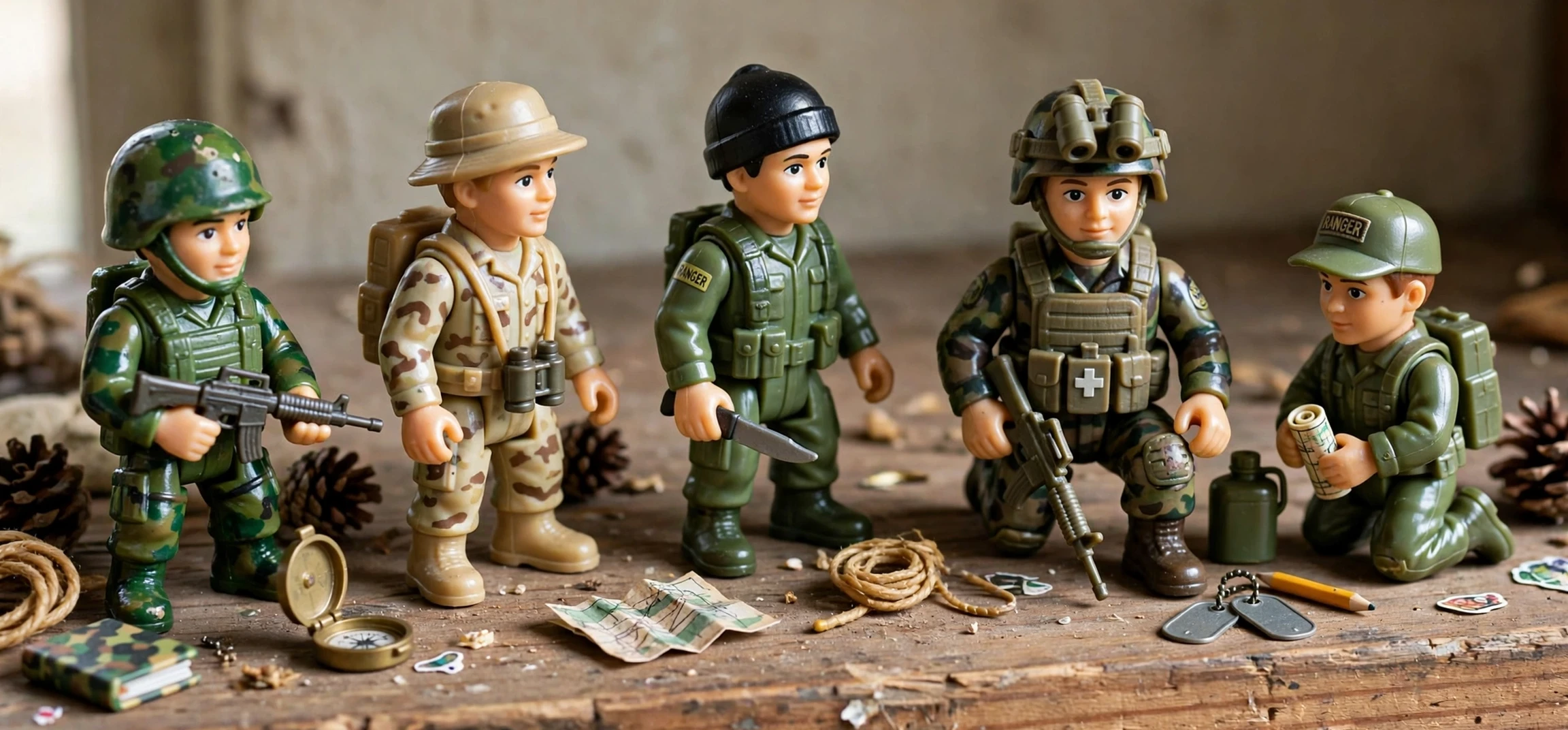
The power rangers television series is one of the longest-running action franchises in television history, built around teams of colour-coded heroes who transform, pilot giant machines, and defend their world against villains who seem to return in a new form every season. For new viewers, the power rangers television series can look confusing at first, because the cast, the setting, and even the tone change regularly, while the core idea stays the same: ordinary young people are chosen for an extraordinary responsibility, and they learn to work as a team under pressure. This guide explains how the power rangers television series works, how its many seasons connect, which eras matter most, and how to start watching without feeling lost. It focuses on the fictional cast, the story structure, and the themes that have kept the franchise popular for more than thirty years.
At its heart, the power rangers television series is a story about teamwork. A Ranger is rarely powerful alone. The Red Ranger may lead, but the team only succeeds when every member uses a distinct skill, weapon, and vehicle, and when they combine those vehicles into a Megazord for the largest battles. That structure gives every season a clear rhythm: a threat appears, the team investigates, a smaller battle tests their skills, and a giant battle resolves the immediate danger while a larger story arc continues in the background. The power rangers television series also uses humour, school life, work life, and friendship to keep the action grounded, so the characters feel like people first and heroes second.
What Is the Power Rangers Television Series?
The power rangers television series began in the early 1990s as an American adaptation of Japanese action programmes, re-edited with new footage featuring American teenage heroes. The result was a distinctive blend: costumed action, martial arts, science-fiction technology, and everyday teen drama. Over time, the power rangers television series developed its own continuity, its own mentors and command centres, and its own mythology about ancient powers, alien empires, and secret organisations. Although individual seasons often stand alone, they share recognisable elements, including morphers, Zords, a mentor figure, and a villain whose plan grows more dangerous across the season.
One reason the power rangers television series has lasted so long is that it reinvents itself. A season might be set in a small town, a futuristic city, a space station, a ninja academy, or a world where magic and technology exist side by side. The costumes change colour schemes, the Zords take new animal or vehicle forms, and the villains bring fresh motives, from conquest to revenge to the simple desire for chaos. Yet the moral centre remains consistent. Rangers are expected to protect people who cannot protect themselves, to keep their identities secret when the story requires it, and to place the team above personal glory. That consistency is why viewers who grew up with one era can return years later and still recognise the show immediately.
How the Power Rangers Television Series Is Structured
Most seasons of the power rangers television series follow a recognisable season arc. Early episodes introduce the team, explain how they received their powers, and establish their home base. Mid-season episodes deepen friendships, reveal a rival or a hidden villain, and add new powers, weapons, or a sixth Ranger. Late-season episodes raise the stakes, test loyalty, and build toward a finale in which the team must defeat a major threat without losing what makes them a team. The power rangers television series also includes standalone episodes that explore a single character, a moral dilemma, or a comic misunderstanding, and these episodes matter because they build the emotional foundation for the bigger battles.
The fictional cast is central to that structure. Rangers are written as students, employees, trainees, or volunteers before they become heroes, and their ordinary lives create the conflicts that drive the story. One Ranger may struggle with confidence, another with responsibility, another with trust after a past mistake. Mentors guide them without solving every problem for them, and supporting characters such as friends, family members, teachers, and co-workers provide humour and perspective. In the power rangers television series, the best seasons are often those where the cast feels like a genuine group of friends, because the audience then cares about the team as much as about the action.
The Core Team Formula
The core team formula in the power rangers television series usually starts with five Rangers, each linked to a colour and a Zord. Red often leads, Blue often handles technology or strategy, Yellow and Pink bring speed, agility, or precision, and Black or Green adds strength or a wildcard element. Later, a sixth Ranger may arrive as an ally, a rival, or a former enemy seeking redemption. This formula is flexible rather than rigid, and some seasons deliberately change it, using different team sizes, different colour combinations, or a team drawn from a profession such as rescue workers, police officers, or space explorers. The variation keeps the franchise fresh while preserving the teamwork theme.
Zords, Megazords, and Battles
Zords are the giant machines or creatures that Rangers pilot, and they are one of the most distinctive parts of the power rangers television series. Each Ranger usually controls one Zord, and those Zords combine into a Megazord for battles against enlarged monsters. The combination sequence is both a visual spectacle and a storytelling device: it shows the team literally joining forces, and it often arrives at the moment when individual effort is no longer enough. Over the years, Zords have taken the form of dinosaurs, wild animals, vehicles, trains, mythical creatures, and futuristic machines, reflecting the theme of each season while keeping the same basic idea of unity through combination.
Eras of the Series
Viewers often divide the power rangers television series into eras, and understanding those eras helps new fans choose a starting point. The earliest era established the core mythology, the command centre, and the idea of a team passing powers from one generation to another. A later era moved into space, introduced more science-fiction settings, and expanded the scale of the conflict beyond a single town. Another era leaned into themed teams, such as rescue teams, ninja teams, and magic-based teams, each with its own rules, costumes, and world-building. The power rangers television series also includes anniversary seasons that bring back past Rangers, celebrate the franchise history, and reward long-term viewers without requiring new viewers to know every earlier season.
Recent eras have experimented with tone and format, sometimes offering more serialised storytelling, more character-driven arcs, and more diverse casts. Some seasons focus on comedy and light adventure, while others take a more serious approach to loss, duty, and leadership. The power rangers television series has also explored different distribution models over time, moving between broadcast television and streaming-era releases, but the episode structure has remained accessible: a new viewer can usually follow a season from its first episode without needing a detailed knowledge of earlier seasons. That accessibility is a major reason the franchise continues to attract new young viewers while retaining older fans.
| Era type | Typical setting | What new viewers should expect |
|---|---|---|
| Early seasons | Small town and command centre | Classic team formula, clear villains, and simple season arcs |
| Space and science-fiction seasons | Space stations and alien worlds | Larger stakes, bigger mythology, and more serialised stories |
| Themed professional teams | Rescue, police, or academy settings | Workplace teamwork, distinct uniforms, and themed Zords |
| Magic and fantasy seasons | Mystical academies and hidden worlds | Spells, ancient powers, and mentor-led training arcs |
| Anniversary seasons | Multiple locations and returning heroes | Celebrations of franchise history and team-ups across eras |
Fictional Cast and Characters in the Series
The fictional cast of the power rangers television series changes with almost every season, but the roles remain familiar. The leader must learn that leadership means listening, not simply giving orders. The strategist must learn that plans fail and that improvisation matters. The comic character must learn when humour helps the team and when seriousness is required. The newcomer must learn to trust others, and the veteran must learn to share responsibility. These arcs repeat in different forms because they reflect real experiences of growing up, joining a team, and taking on responsibility. The power rangers television series works best when those arcs feel earned, with setbacks, apologies, and gradual change rather than sudden perfection.
Villains in the power rangers television series are equally important. Some are conquerors seeking power, some are tricksters who enjoy chaos, and some are former heroes who made a wrong choice. The most memorable villains have clear motives and a personal connection to the Rangers, which makes the final battle feel like the resolution of a relationship rather than a simple fight. Supporting villains, such as generals, monsters of the week, and comic henchmen, provide variety and humour, while the main villain provides the season-long threat. Mentors, meanwhile, often carry secrets of their own, and the revelation of a mentor’s past can reshape how the team understands its mission.
Themes in the Series
Teamwork is the central theme of the power rangers television series, but it is supported by several related themes. Responsibility is one: powers are presented as a duty, not a reward, and Rangers must balance hero work with school, jobs, and family. Courage is another: characters are often afraid, and courage is shown as acting despite fear rather than never feeling afraid. Diversity and inclusion also matter, because teams bring together people with different backgrounds, skills, and personalities, and the team succeeds precisely because of those differences. The power rangers television series also explores redemption, showing that a former enemy can change, and that forgiveness can be part of strength rather than weakness.
Another recurring theme is the balance between secrecy and honesty. Rangers often hide their identities to protect loved ones, but secrecy creates tension, misunderstandings, and difficult choices. When a secret is revealed, the story explores trust: will friends and family support the Ranger, or will they feel betrayed? The the franchise handles this theme in different ways across seasons, sometimes with humour and sometimes with genuine emotion, and it gives younger viewers a safe fictional space to think about honesty, loyalty, and the consequences of keeping important information from people who care about them.
Where to Start With the Series
New viewers often ask where to start with the the franchise, and the honest answer is that there is no single correct entry point. A good approach is to choose a season whose theme appeals to you, whether that is dinosaurs, space adventure, ninjas, magic, rescue work, or a modern team with a fresh cast. Watch the first few episodes in order, because early episodes establish the team, the powers, and the villain, and they set up the season arc. If a season does not appeal to you, try another one rather than assuming the whole franchise is the same, because the the franchise changes tone, setting, and cast so often that different seasons can feel like different shows sharing a common idea.
For viewers interested in franchise history, anniversary seasons and team-up episodes offer a useful overview, but they work best after watching at least one complete season first. For viewers who prefer character-driven stories, seasons with strong team dynamics and serialised arcs may be more satisfying than seasons built mainly around standalone monster battles. Fans of classic television may also enjoy exploring other long-running series guides, such as the ABC Family television series guide and the Alien Nation television series cast guide, which show how different franchises build teams, casts, and long-running worlds in their own ways. The the franchise rewards patience: the more episodes you watch in order, the clearer the character arcs and the season-long plan become.
Frequently Asked Questions About the Series
Do I need to watch every season in order?
No. Most seasons of the the franchise are designed to stand alone, with a new cast, setting, and villain. Watching seasons in order helps with anniversary episodes and returning characters, but it is not required to enjoy a single season. Start with a theme you like, watch that season from the beginning, and explore other seasons afterwards if you want more.
Why does the cast change so often?
The cast changes because each season of the the franchise tells a new story with a new team, setting, and power source. This keeps the franchise fresh, allows new themes and Zords, and gives new viewers an easy entry point. Returning Rangers appear in special episodes and anniversary seasons, which celebrate the shared history without making every season depend on earlier ones.
What is a Megazord?
A Megazord is a giant robot formed when the individual Zords of the the franchise team combine. Each Ranger pilots one Zord, and the combined Megazord is used for large-scale battles that a single Ranger cannot win alone. The combination is a visual symbol of teamwork, and different seasons use different combination designs linked to their theme.
Conclusion
The the franchise endures because it combines a simple, powerful idea with constant reinvention. Teams change, settings change, and villains change, but the core message stays the same: ordinary people can do extraordinary things when they work together, take responsibility, and refuse to give up on each other. Whether you are a returning fan revisiting a favourite era or a new viewer choosing a first season, the the franchise offers an accessible entry point, a clear team structure, and stories about courage, friendship, and growth that have resonated across generations. Start with a theme that excites you, watch in order, and enjoy discovering how each new team makes the same heroic idea feel fresh again.



