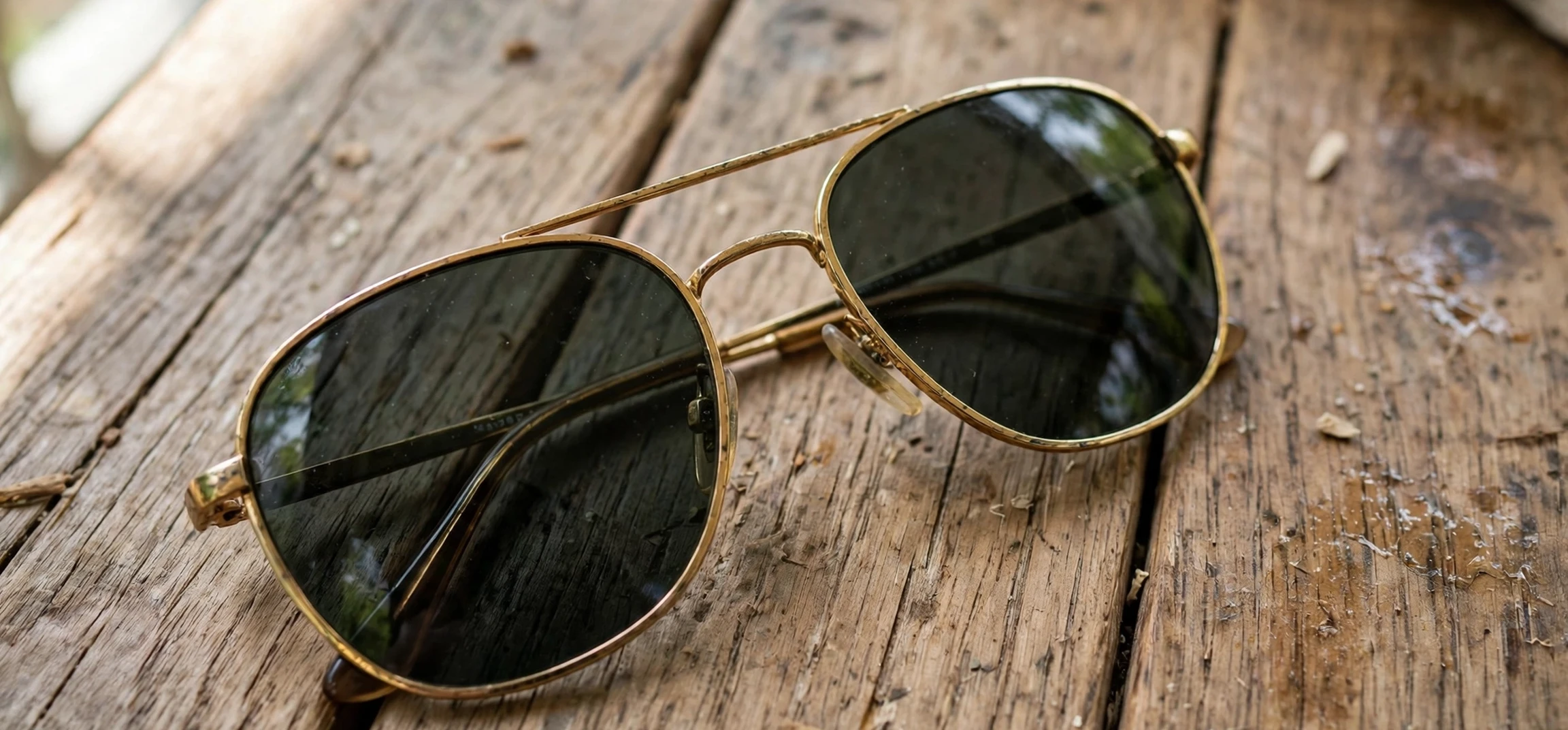
The throw shade slang definition is simple to state and fun to recognise: to throw shade means to criticise, tease, or insult someone indirectly, usually with a witty, subtle, or sarcastic remark rather than a direct confrontation. Instead of saying something bluntly, a person throwing shade lets the insult hide inside a compliment, a joke, or an innocent-sounding comment, so that the target, and everyone listening, understands the real meaning without it ever being spelled out. The phrase is playful in tone and is most often used to describe light, humorous criticism between friends, celebrities, or public figures, rather than serious or hostile attacks. Learning the throw shade slang definition helps you follow conversations on social media, in pop culture, and in everyday talk, where shade is thrown, read, and laughed about constantly.
Shade is rarely about shouting or open anger. Its power comes from subtlety. A classic example is praising someone in a way that quietly points out a flaw, such as complimenting an outfit while implying it was a surprising choice. The humour lies in the gap between what is said and what is meant. People who are good at throwing shade are often admired for quick thinking and clever wordplay, because the remark has to land without crossing into obvious rudeness. At the same time, shade can sting, especially when it is delivered in public or repeated online. That mix of humour and bite is exactly why the phrase has lasted: it names a very specific social skill that most people have seen, used, or been on the receiving end of at some point.
The throw shade slang definition Explained in Plain Language
At its core, the throw shade slang definition describes an indirect insult delivered with style. The word shade itself suggests something cast over a person, dimming their shine for a moment. To throw it is to direct that dimming comment toward someone, often in a social setting where a direct insult would seem rude or awkward. The remark might be a backhanded compliment, a pointed joke, an exaggerated reaction, or a pointed silence after someone speaks. What makes it shade, rather than ordinary criticism, is the indirectness. The speaker does not say, plainly, that they disapprove. They say something that implies disapproval, and they trust the audience to catch the implication.
Context matters enormously. Among close friends, throwing shade is often a form of affectionate teasing, a sign of comfort and shared humour. Between public figures, it can be a way to score points in an interview or on social media without appearing openly hostile. In a workplace or family setting, shade can also be a passive way to express frustration when a person does not feel able to speak directly. Recognising these differences is part of understanding the phrase. The same sentence can be harmless banter in one setting and a pointed dig in another, depending on tone, relationship, history, and audience. That is why people often add context when they describe shade, saying who threw it, who received it, and whether it was meant as a joke.
Where the Phrase Comes From
The phrase throwing shade has roots in Black queer ballroom culture of the twentieth century, where shade described a subtle, artful insult delivered with wit, and reading described a more direct, clever critique. In that culture, shade was a performance skill, judged on creativity, timing, and delivery rather than cruelty. The expression later spread into mainstream drag culture, reality television, hip-hop, and internet culture, where it became a widely recognised part of everyday slang. Knowing this history adds respect to the term: it did not begin as a random internet invention, but as a named social art within a community that valued verbal cleverness and humour under pressure.
As the phrase entered mainstream use, its meaning stayed remarkably stable, even as its reach expanded. Television shows, celebrity interviews, memes, and social media posts all helped popularise it, and today people of all ages use it to describe everything from a witty comeback to a sarcastic comment under a photo. That popularity also means the phrase is sometimes used loosely, for any criticism at all, even when the remark was direct rather than subtle. Purists would say that true shade must be indirect, but in everyday speech the looser use is common. Either way, the heart of the phrase remains the same: a clever, indirect dig that relies on the listener to understand what was really meant.
The throw shade slang definition in Everyday Examples
Examples make the throw shade slang definition much clearer than a dictionary entry alone. Imagine a friend arrives late to every gathering, and someone says, with a smile, that it is wonderful they finally decided to join the group today. The words sound welcoming, but the emphasis quietly notes the lateness. Imagine a singer praising a rival’s new song by saying it is very brave to try something so different. The praise sounds generous, yet the word brave hints that the result may not have worked. Imagine a social media post that congratulates someone on a bold new hairstyle, accompanied by a raised-eyebrow emoji. The comment looks supportive on the surface, but regular followers will read the playful doubt underneath.
Shade can also be non-verbal. A long pause before answering, an exaggerated look of surprise, or a pointed change of subject can all function as shade when the context makes the meaning clear. In group chats, a short reply such as “interesting” or “okay then” after a long announcement can carry shade, because the brevity contrasts with the effort behind the announcement. In interviews, a celebrity might throw shade by praising a competitor’s work ethic while carefully avoiding any praise for their talent. These examples show why shade is so hard to define with a single sentence: it lives in tone, timing, and shared understanding, not just in the words themselves.
Shade, Reading, and Teasing: What Is the Difference?
People often use shade, reading, and teasing as if they were identical, but there are useful differences. Reading is usually more direct and detailed: a person reads someone by pointing out their flaws cleverly and openly, often in a playful contest of wit. Shade is quieter and more indirect, letting implication do the work. Teasing is broader and often affectionate, and it does not need to be clever or cutting at all. A friend teasing you about a funny habit is not necessarily throwing shade, especially if there is no hidden criticism. Shade sits in the middle ground: sharper than ordinary teasing, subtler than a full reading, and always dependent on the audience catching the hidden point.
Throwing Shade Online and in Pop Culture
Social media has made shade more visible than ever. A celebrity might throw shade with a cryptic post, a liked comment, or a photo caption that seems innocent until fans connect it to a recent event. Commenters throw shade in reply threads, often competing to write the wittiest indirect dig. Memes about shade spread quickly because the format is instantly recognisable: a polite surface, a sharp undertone, and an audience that enjoys decoding it. This online version of shade can be entertaining, but it can also escalate quickly, because a remark intended for a small audience can be screenshotted, shared, and read by millions who lack the original context.
Pop culture also uses shade as a storytelling device. Reality television thrives on confessionals where participants throw shade at each other in witty one-liners. Talk shows and award ceremonies generate headlines when a presenter throws shade at a nominee with a joke that sounds like praise. Music and comedy use shade too, with lyrics and routines that reference rivals without naming them directly. Audiences enjoy decoding these moments, which is part of why shade generates so much discussion. The pleasure is not only in the insult itself, but in the shared act of recognising it, explaining it to others, and debating whether it was deserved, funny, or unfair.
When Shade Stops Being Funny
Although shade is usually described as playful, it is worth remembering that indirect criticism can still hurt, especially when it targets appearance, background, or personal struggles. A remark that seems clever to the speaker can feel humiliating to the person receiving it, particularly in front of an audience. Shade also becomes less funny when it is repeated, when it punches down at someone with less power, or when it is used to exclude someone from a group. Good-natured shade between equals who understand each other is very different from shade used to embarrass, isolate, or belittle someone who cannot easily respond.
If you are on the receiving end of shade, you have several calm options. You can laugh it off if the relationship is close and the intent seems friendly. You can respond with equal wit if you enjoy that kind of exchange. You can also address it directly and privately, saying that the remark did not land as a joke. If you are the one tempted to throw shade, a useful test is to ask whether the remark would still seem funny if it were said directly, without the clever disguise. If the direct version would feel unkind, the shaded version probably will too, even if the wit makes it easier to deny. Keeping shade light, occasional, and mutual is what keeps it fun rather than hurtful.
| Term | How It Works | Tone |
|---|---|---|
| Throwing shade | Indirect, witty criticism hidden in a compliment or joke | Playful, subtle, sometimes sharp |
| Reading | Direct, clever critique of flaws, often in a contest of wit | Bold, theatrical, humorous |
| Teasing | Light, affectionate joking about habits or quirks | Friendly, low-stakes |
| Direct criticism | Plain statement of disapproval with no disguise | Serious, clear, sometimes confrontational |
| Sarcasm | Saying the opposite of what is meant for humorous effect | Ironic, often obvious |
Frequently Asked Questions About Throwing Shade
What does throwing shade mean?
Throwing shade means criticising or teasing someone indirectly, usually with a witty remark that sounds polite on the surface but carries a hidden dig underneath. The throw shade slang definition centres on that indirectness: the insult is implied, not stated outright.
Is throwing shade rude?
It depends on context. Between friends who enjoy playful banter, shade is often affectionate and funny. In public, at work, or directed at someone who cannot respond easily, it can feel rude or embarrassing. Tone, relationship, and audience all matter.
What is the difference between shade and an insult?
An insult is usually direct and obvious, while shade is indirect and clever. Shade relies on implication, wordplay, and shared understanding, which is why people often enjoy decoding it and debating whether a remark counted as shade at all.
Can shade be positive?
Shade is rarely meant as pure praise, but it can be affectionate when it is mutual and light-hearted. Friends who throw shade at each other often do so as a sign of closeness, showing that they know each other well enough to joke about small flaws without causing harm.
More on the throw shade slang definition for Everyday Talk
Everyday conversation is where the throw shade slang definition is most useful, because shade rarely arrives with a label attached. When you understand the throw shade slang definition, you can spot the gap between a polite surface and a pointed undertone, and you can decide calmly whether to laugh, reply in kind, or let it pass. That awareness is especially helpful in group chats and social media threads, where tone is harder to read and the throw shade slang definition gives you a name for what just happened.
It also helps to remember that the throw shade slang definition describes a style, not a verdict on intent. A remark can fit the throw shade slang definition perfectly and still be affectionate, awkward, or misjudged, depending on the relationship and the moment. Friends who know each other well can exchange shade as a form of play, while the same words from a stranger can feel sharp. Keeping the throw shade slang definition in mind therefore does two jobs at once: it helps you decode witty remarks, and it reminds you to check context before assuming the worst about a speaker.
Finally, the throw shade slang definition is worth keeping in your vocabulary because it names a social pattern you will keep encountering. The throw shade slang definition helps you laugh at clever wordplay, recognise when a joke has an edge, and respond with grace. Once the throw shade slang definition is familiar, even a short comment in a group chat becomes easier to read, and the throw shade slang definition turns a confusing moment into a recognisable one.
Conclusion
The throw shade slang definition is ultimately about wit delivered sideways: a clever, indirect dig that says one thing on the surface and another underneath. Born in ballroom culture and now part of everyday language, shade captures a social skill that is part humour, part criticism, and part performance. Recognising it helps you follow pop culture, understand group dynamics, and enjoy wordplay without missing the joke. It also helps you use it wisely, keeping shade playful, mutual, and light, rather than letting a clever remark become a hurtful one. The next time you hear a compliment that makes a room laugh a little too knowingly, you will know exactly what just happened: someone threw shade, and everyone understood. For more plain-language explainers, see this guide to another slang term, this explainer on a broad phrase, and this definition guide.