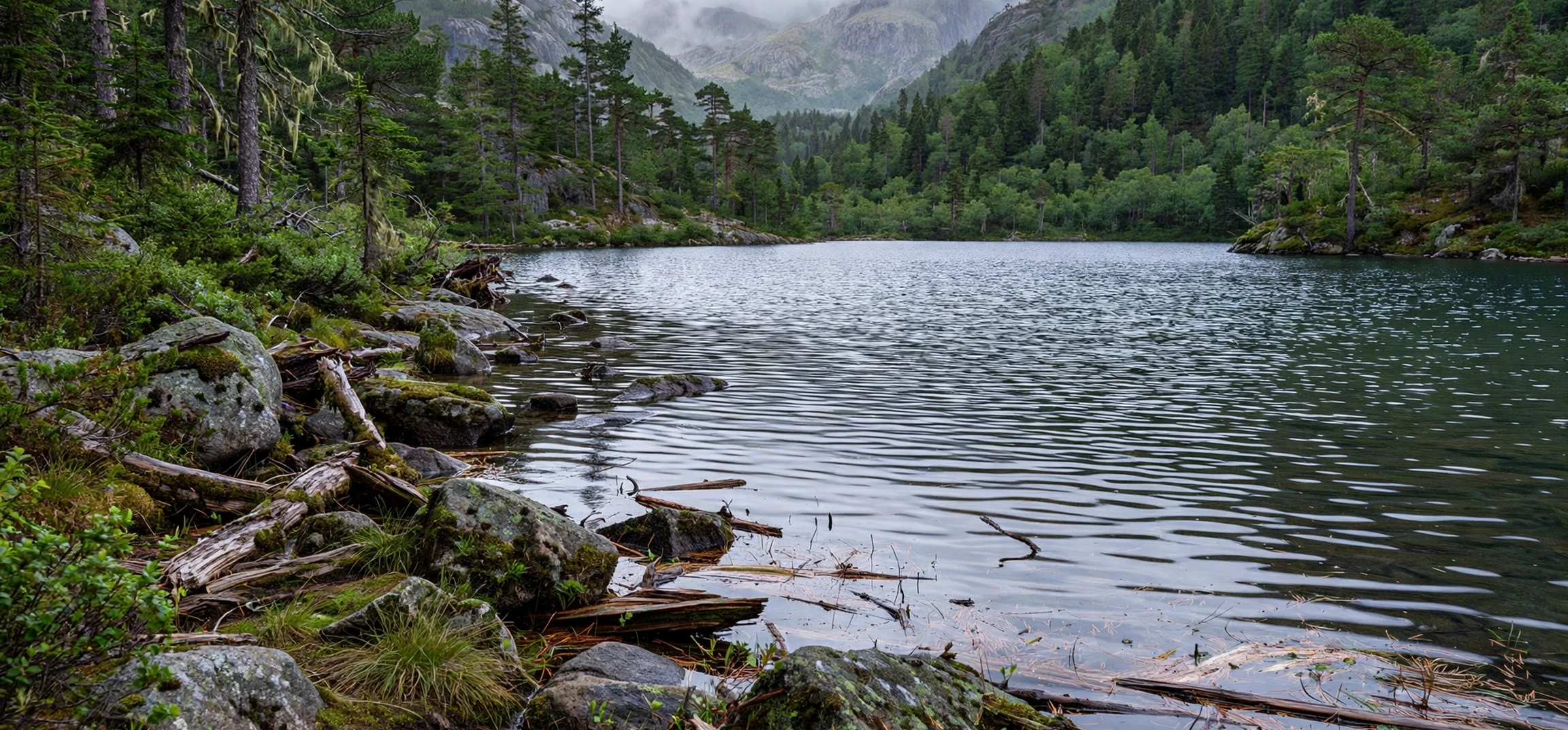
This guide to tv show alone rules explains how the survival competition works, what contestants are allowed and forbidden to do, and how a winner is decided. Alone is a solo survival series in which participants are dropped individually in a remote wilderness location, film themselves, and try to last longer than everyone else. There are no camera crews living alongside them and no teams to share the work. That solitary structure is what makes the rules so important: they define safety, fairness and the difference between a survival challenge and a genuine emergency. This guide contains no streaming links: check your own licensed service or broadcaster listings for current availability.
At its heart, Alone is a test of endurance, skill and judgement. Contestants must find or build shelter, secure drinking water, find food, manage cold, stay healthy and keep their spirits up, all while documenting their experience on camera. Medical and safety teams monitor participants from a distance and can intervene when needed. The last person remaining, or the person who lasts longest within a season’s structure, wins. Understanding the rules helps viewers appreciate why small decisions, such as how to ration food or when to rest, can decide a season.
The Core Format Behind tv show alone rules
The core format behind tv show alone rules is isolation. Each contestant is placed alone in a separate area of a wilderness location, far enough from other participants that they cannot meet, share resources or help each other. They carry their own camera equipment and record daily video diaries, survival tasks and reflections. That self-filmed footage becomes the show, which is why contestants must balance survival work with filming work, even when they are tired, cold or hungry.
Locations vary by season and have included cold northern forests, coastal areas and other demanding environments. Each location brings its own challenges: temperature, rainfall, wildlife, available food sources and terrain. Contestants do not choose their exact drop site, and they must adapt to the ground they are given. That adaptation is part of the competition, since two participants in the same season can face quite different local conditions.
Seasons also vary in length and in special twists, but the basic principle stays the same: survive alone, on camera, longer than anyone else. Some seasons have featured pairs or teams in related formats, but the classic Alone format is solo, and this guide focuses on that solo structure.
The Ten-Item Rule in tv show alone rules
One of the most famous tv show alone rules is the limited gear rule. Contestants may bring a small number of survival items, commonly ten, chosen from an approved list, in addition to standard clothing and camera equipment supplied for filming. The approved list covers categories such as shelter, fire, food procurement, water, tools and safety. Contestants must choose carefully, because every item is a trade-off: a fishing kit helps with food but takes the place of another tool, and a sleeping bag helps with warmth but adds weight and bulk.
The item rule shapes strategy more than any other single rule. A contestant who prioritises shelter and fire may last through cold nights but struggle for food. A contestant who prioritises fishing or hunting tools may eat well early on but suffer if shelter fails. Experienced viewers learn to read a contestant’s item list as a statement of strategy: it reveals what they expect to struggle with, what skills they trust most, and how they plan to spend their first days.
Contestants cannot simply bring anything they like. Items outside the approved list are not permitted, and gear is checked before the season begins. This keeps the competition fair and prevents one participant from gaining an advantage through equipment that others cannot access. It also forces skill to matter: with limited tools, knowledge of shelter building, fire making, water safety and food preparation becomes decisive.
Food, Water and Shelter Rules
Food rules in Alone are strict: contestants must obtain food from their surroundings, using their approved items and their own skills. They may fish, trap, forage and hunt where local regulations and show rules permit, but they may not bring in outside food supplies beyond what the rules allow. Food must also be obtained safely and legally for the location, which means respecting protected species, seasonal restrictions and local rules. A contestant who breaks those rules risks disqualification, however successful their food gathering might otherwise be.
Water is equally fundamental. Contestants must find and treat drinking water from natural sources in their area. Boiling, filtering or otherwise making water safe is a daily task, and failing to manage water can end a season quickly through illness or dehydration. Shelter, meanwhile, must be built by the contestant from available materials and their approved items. A good shelter protects against wind, rain and cold, preserves body heat, and provides a place to rest, dry clothing and store food safely.
Fire deserves special mention, because it serves many purposes at once: warmth, cooking, water treatment, drying clothes and morale. Contestants who can make fire reliably have a major advantage, while those who struggle with fire often face a cascade of problems. Cold, wet clothing, uncooked food and untreated water all become harder to manage without it. That is why fire-making skill is one of the most closely watched abilities in any season.
Safety, Medical Checks and Tapping Out
Safety rules are the backbone of Alone, and they exist to make a demanding competition responsible. Production and medical teams monitor contestants regularly, checking weight, health and wellbeing, and they can require a medical assessment at any time. Contestants are also in contact with the safety team through supplied communication equipment, so they can call for help if they are injured, ill or in danger. Medical evacuation is not a failure in moral terms: it is a safety decision, and it happens when continuing would risk serious harm.
Contestants may also choose to leave voluntarily, a process viewers know as tapping out. A contestant taps out by using the supplied communication device to tell the safety team they wish to stop. Reasons vary widely: injury, illness, dangerous weight loss, mental health strain, family concerns, or simply the judgement that they cannot continue safely. Tapping out is treated as a legitimate end to a run, not as a disgrace, and many strong contestants have tapped out for wise reasons.
Wildlife rules are part of safety too. Contestants must store food carefully, keep a safe distance from dangerous animals where possible, and follow location-specific guidance about wildlife encounters. They are alone, but they are not unmonitored: safety teams track their wellbeing and can intervene if an animal encounter or an injury creates a genuine emergency. The show’s tension comes from solitude and hardship, not from leaving people without a safety net.
Filming, Fairness and Prohibited Conduct
Filming rules require contestants to document their experience regularly, including daily reflections and key survival tasks. This is not optional colour: it is how the show is made, and it is also how production monitors wellbeing. Contestants who stop filming, or who fail to keep the safety team informed, can be checked on and, if necessary, removed. The self-filming requirement also adds a real burden, since operating cameras, changing batteries and narrating tasks takes time and energy that could otherwise go to survival work.
Fairness rules prohibit contestants from meeting each other, sharing supplies, receiving outside help or using items beyond the approved list. They must also respect the boundaries of their designated area and the environmental rules for the location. Breaking these rules can lead to warnings or disqualification, depending on the severity. The point is that every contestant faces the same basic conditions, so the result reflects skill, endurance and judgement rather than outside assistance.
Editing is worth understanding as a viewer. The broadcast show condenses weeks of footage into episodes, so a contestant’s experience will always appear more compressed on screen than it felt in real life. Long stretches of routine work, waiting and rest are shortened, while dramatic moments are emphasised. Keeping that in mind helps viewers judge contestants fairly: a calm episode may hide days of hard work, and a difficult episode may follow many days of steady progress.
How the Winner Is Decided
The winner is, in the classic format, the last contestant remaining. As participants tap out or are medically evacuated, the field narrows until one person is left. That person is declared the winner of the season. The simplicity of that rule is part of the show’s appeal: there are no judges scoring shelters or meals, and no audience vote. Endurance, measured in days survived, decides the outcome.
That simplicity also explains why strategy matters so much. Conserving energy, rationing food, protecting health and maintaining morale are not side concerns: they are the competition. A contestant who works too hard early on may burn out, while a contestant who rests too much may fall behind on shelter or food. The best runs balance effort and recovery, and they adapt as conditions change, food sources shift and the weather turns.
Viewers sometimes ask whether the winner is simply the toughest person. In practice, the winner is usually the person who combines several skills: shelter building, fire, food procurement, water management, health awareness and mental resilience. Luck plays a part, through location, weather and wildlife, but skill determines how well a contestant responds to luck, good or bad. That combination is why seasons remain unpredictable even when the cast includes highly experienced survivalists.
Alone Rules at a Glance
| Rule area | What the rule requires | Why it matters |
|---|---|---|
| Isolation | Survive alone, no contact with other contestants | Tests individual skill and endurance |
| Gear | Limited approved items, commonly ten, plus filming kit | Forces trade-offs and keeps the contest fair |
| Food and water | Obtain food and safe water from surroundings | Rewards foraging, fishing and preparation skill |
| Shelter and fire | Build shelter and make fire yourself | Protects health in cold and wet conditions |
| Safety | Regular medical checks, emergency contact available | Allows intervention before harm becomes serious |
| Leaving | Tap out voluntarily or be medically evacuated | Ends a run safely and fairly |
| Fairness | No outside help, no unapproved items, respect boundaries | Ensures the result reflects the contestant |
Frequently Asked Questions
Do Alone contestants really have no camera crew with them?
In the classic solo format, yes. Contestants film themselves, while safety and medical teams monitor from a distance and intervene only when needed. That self-filming structure is central to the show.
How many items can Alone contestants bring?
The classic rule allows a small number of survival items, commonly ten, chosen from an approved list, plus standard clothing and supplied camera equipment. The exact list can vary by season, so treat ten as the classic format rather than a universal constant.
What happens if a contestant gets seriously ill or injured?
The safety and medical teams can assess the contestant and evacuate them if continuing would be unsafe. Medical evacuation ends that contestant’s run, and it is treated as a safety decision, not a penalty.
Can contestants tap out at any time?
Yes. A contestant can use the supplied communication device to tell the safety team they wish to stop, for any reason, including injury, illness, weight loss, mental strain or personal judgement that they cannot continue safely.
Is food brought in from outside allowed?
No, beyond what the season’s rules specifically permit. Contestants must obtain food from their surroundings under local and show rules, which is why food procurement skill is so decisive.
Key Points About tv show alone rules
Readers searching for tv show alone rules usually want the format in one place, and the short version of tv show alone rules is solo survival, limited gear, self-filming, safety monitoring and last person standing.
- Isolation is the foundation of tv show alone rules: no teams and no shared resources.
- The limited gear rule in tv show alone rules forces every contestant to make trade-offs.
- Food and water must come from surroundings under tv show alone rules.
- Shelter and fire skill decide many runs under tv show alone rules.
- Medical checks and emergency contact are built into tv show alone rules.
- Tapping out is a legitimate, safe ending under tv show alone rules.
- Fairness rules in tv show alone rules ban outside help and unapproved items.
- The winner under tv show alone rules is the last person remaining.
- Editing condenses weeks of footage, so judge runs by tv show alone rules, not by episode drama alone.
Conclusion
The tv show alone rules boil down to a clear bargain: survive alone, with limited gear, on camera, under safety monitoring, for longer than anyone else. Isolation tests character, the item limit tests strategy, food and shelter test skill, and medical checks and tapping out keep the competition responsible. Viewers who understand those rules will enjoy the show more, because they will see why a quiet decision about firewood, rationing or rest can matter as much as a dramatic moment. If you enjoy solo competition formats, our reality television background reads are a good next step: see ITV2 reality TV shows and Blacklist TV show episodes.



