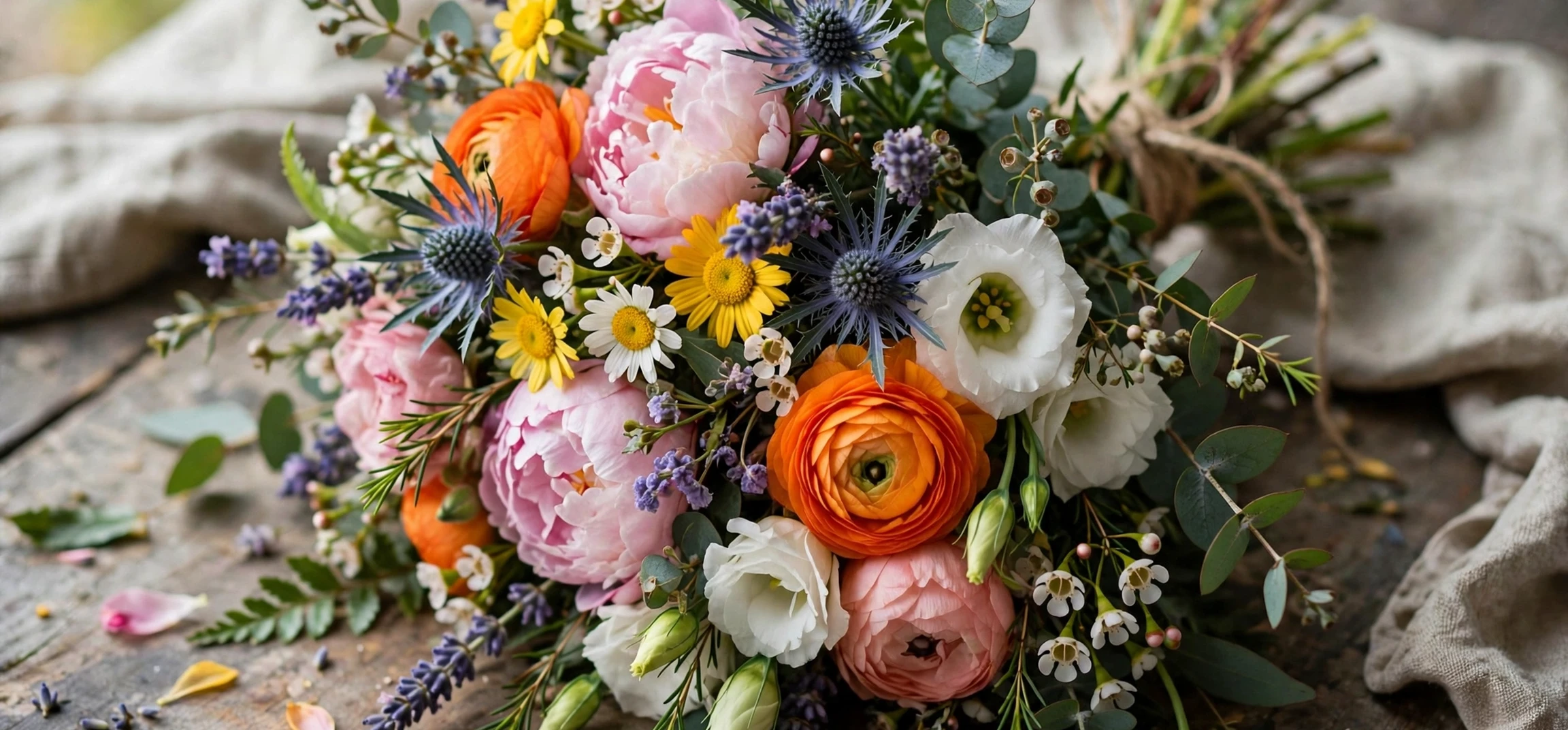
If you have ever searched for flowers of friendship, you probably wanted more than a single bloom name. You wanted a flower that says, in a language older than text messages, that someone matters to you, that you are glad they exist, and that the bond between you is worth celebrating. This curated list answers that search directly, flower by flower, with the symbolism behind each choice, the occasions where it fits best, and the practical details that help you choose well. The flowers of friendship described here are drawn from widely shared flower symbolism, not from botany alone, and that distinction matters: a flower can be beautiful in a garden and still carry a very different message in a bouquet.
Flower symbolism is a cultural shorthand. It varies by place, by era, and sometimes by colour, so the same flower can mean friendship in one arrangement and romance in another. Yellow roses are the classic example. In many modern Western traditions, yellow roses are linked with friendship, joy, and warm regard, while red roses are linked with romantic love. That colour distinction is the reason yellow roses appear at the top of so many friendship lists. It is also the reason this guide treats symbolism as symbolism only: these are shared associations, not promises, rules, or guarantees about how a recipient will read a gift. When you give flowers, the card, the occasion, and your own relationship do as much work as the petals.
Use this list as a starting point, not a test. If a flower below reminds you of a shared memory, a trip, a joke, or a season you spent together, that personal link matters more than any traditional meaning. The best friendship bouquet is usually the one that is thoughtful, fresh, well presented, and suited to the person receiving it. The sections below explain each flower, suggest pairings, and flag the few cases where a traditional meaning could be misread, so you can give with confidence. That is one reason flowers of friendship remain a popular choice for thoughtful, everyday gifts.
Why flowers of friendship start with yellow roses
Yellow roses are the most widely recognised flowers of friendship in modern flower symbolism, and for good reason. Their bright, open colour reads as cheerful and warm without the romantic weight that red roses carry. A bouquet of yellow roses suits a birthday, a thank-you gift, a celebration of a new job or a new home, a reunion after time apart, and a simple gesture that says you were thinking of someone. They also work well as a single stem tucked into a mixed bouquet, where they add brightness and a clear note of friendly regard.
When you choose yellow roses, look for firm buds that are just beginning to open, healthy green leaves, and stems that feel solid rather than soft or limp. Trim the stems at an angle, remove leaves that would sit below the waterline, and change the water every couple of days. Those small care steps matter more than an elaborate arrangement, because a fresh bouquet always communicates care better than a large bouquet that is already fading. If you are sending roses at a distance, choose a florist who can confirm freshness and delivery timing, and add a short, personal note rather than a long, generic message. When in doubt, flowers of friendship in warm yellow tones are the safest and clearest option.
Yellow roses also pair well with other friendship flowers. They sit comfortably beside sunflowers, daisies, and alstroemeria, and they can soften a bouquet that might otherwise feel too formal. If the recipient loves bold colour, a mix of yellow roses and orange blooms feels energetic and celebratory. If they prefer a softer look, yellow roses with white daisies and pale greenery feel calm, kind, and easy to display. Either way, the yellow rose does the same job: it names the feeling plainly, without drama.
More flowers of friendship: sunflowers, daisies, and alstroemeria
Sunflowers are among the most joyful flowers of friendship, and their symbolism is easy to read at a glance. Their large, sun-facing heads suggest loyalty, warmth, and steadfast good cheer, and they are often given to celebrate a friend who brings energy into a room. Sunflowers suit big moments, such as graduations and housewarmings, but they also suit ordinary Tuesdays, when a friend needs a lift. One sunflower in a tall vase can brighten a desk, while a bunch of three or five makes a generous, unmistakable gift. A small bouquet from the flowers of friendship list can say more than a long message.
Daisies, especially white and yellow gerbera daisies, carry a lighter, more playful friendship meaning. They suggest innocence, cheer, and uncomplicated affection, which makes them a good choice for new friendships, for younger recipients, and for anyone who prefers simple, unfussy flowers. Daisies are also affordable and widely available, so they are a practical choice when you want to send flowers often rather than once in a grand gesture. A small daisy posy, delivered unexpectedly, can mean more than a large bouquet sent only on a birthday.
Alstroemeria, sometimes called Peruvian lily, is a quieter but very fitting friendship flower. Its symbolism is often linked with devotion, mutual support, and lasting bonds, and its long vase life makes it a thoughtful practical choice. Alstroemeria comes in many colours, so choose warm yellows, oranges, and pinks for a friendship message, and avoid deep red tones if you want to keep the message clearly platonic. Because alstroemeria opens gradually, a bouquet can look better on day three than on day one, which is a lovely metaphor for a friendship that grows over time. That is one reason flowers of friendship remain a popular choice for thoughtful, everyday gifts.
For readers exploring related guides on this site, the idea of supportive bonds also appears in our guide to the meaning of allyship, which explains how steady support works in everyday relationships. Flowers and words are different languages, but both reward the same habit: showing up, paying attention, and saying the kind thing out loud.
Chrysanthemums, iris, and orchids in friendship bouquets
Chrysanthemums, often called mums, are a useful friendship flower with one important caution: their symbolism varies by culture. In many Western contexts, yellow chrysanthemums are linked with cheer and friendship, and they are a popular, long-lasting choice for autumn bouquets. In some other cultural traditions, chrysanthemums are linked with mourning or remembrance, so context matters. If you are giving flowers across cultures, or for a recipient whose traditions you do not know well, choose a flower with a less variable meaning, such as yellow roses or sunflowers, or ask a local florist for guidance. When in doubt, flowers of friendship in warm yellow tones are the safest and clearest option.
Iris flowers bring a different quality to a friendship bouquet: admiration and hope. Their upright shape and rich purple, blue, and yellow colours make them feel thoughtful and a little more formal, which suits a friend you admire professionally, a mentor, or someone celebrating a creative achievement. Iris stems are elegant in a tall, simple vase, and they pair well with greenery rather than with a crowded mix of blooms. A small bunch of iris with a handwritten note can feel more personal than a large, anonymous arrangement.
Orchids, especially the widely available phalaenopsis orchid, are often given as a lasting friendship gift because a potted orchid can bloom for weeks and, with care, rebloom later. Orchids are linked with beauty, strength, and thoughtful regard, and a potted plant suits a friend who enjoys caring for plants or who prefers a gift that does not fade in a week. If you give an orchid, include simple care notes: bright indirect light, careful watering, and no direct harsh sun. A living plant is a promise of ongoing attention, so it fits friendships that are steady rather than fleeting. A small bouquet from the flowers of friendship list can say more than a long message.
How colour changes the message of a friendship flower
Colour is often more important than species when it comes to friendship symbolism. Yellow is the safest and clearest friendship colour across many traditions, suggesting joy, warmth, and platonic affection. Orange adds energy and enthusiasm, and it suits celebrations and encouragement. Pink can suggest admiration and gentle affection, but deep pink and red tones can drift toward romance, so choose pale pink for a clearly friendly message. White suggests sincerity and respect, and it works well for sympathy-adjacent friendship gifts, for thank-you bouquets, and for formal occasions.
This colour guide is a starting point, not a strict code. A friend who loves red flowers will probably enjoy red flowers from you, regardless of traditional symbolism, especially if your card makes the occasion clear. The risk of misreading is highest when the bouquet is large, the occasion is ambiguous, and there is no note at all. A short message solves most of that risk at once. Write what you mean in plain words, and let the flowers support the message rather than carry it alone. That simple test helps any flowers of friendship gift feel intentional rather than generic.
For a related look at how colour and meaning interact in other symbolic systems, see our guide to the meaning of analogous colours, which explains how colours placed near each other on the colour wheel create harmony. The same idea applies to bouquets: neighbouring colours tend to feel calm and coherent, while strong contrasts feel bold and celebratory.
| Flower | Friendship symbolism | Best occasion | Watch out for |
|---|---|---|---|
| Yellow roses | Friendship, joy, warm regard | Birthdays, thanks, reunions | Red roses can read as romantic |
| Sunflowers | Loyalty, warmth, good cheer | Graduations, encouragement | Large heads need a sturdy vase |
| Daisies | Cheer, simple affection | New friendships, just because | Small size suits small vases |
| Alstroemeria | Support, lasting bonds | Long-distance friends | Deep red tones can feel romantic |
| Chrysanthemums | Cheer and friendship in many Western contexts | Autumn gifts, long-lasting bouquets | Meaning varies by culture |
| Iris | Admiration, hope | Mentors, creative milestones | Best in tall, simple vases |
| Orchids | Thoughtful regard, strength | Lasting plant gifts | Needs bright indirect light |
Choosing and arranging a friendship bouquet
Start with the recipient, not the symbolism chart. Think about their home, their desk, their favourite colours, and whether they prefer bold displays or quiet ones. A friend with a small flat may prefer a compact posy, while a friend with a large table may enjoy a generous mixed bouquet. If they have pets, check with your florist about pet-safe choices, because some common flowers are not suitable around cats and dogs. If they have allergies, choose low-pollen options and ask the florist for advice rather than guessing. In short, flowers of friendship work best when colour, freshness, and a personal note all point the same way.
Freshness matters more than rarity. Choose flowers with firm stems, unblemished petals, and buds that are opening rather than fully blown. Ask when the delivery will arrive, and try to time it for a moment when the recipient will be home. Include a vase if you can, or choose an arrangement that arrives ready to display, so the gift does not create extra work. A short card is the finishing touch: name a specific memory, a quality you admire, or a simple hope for the days ahead. Specific words beat generic phrases every time.
Budget is not a measure of friendship. A single sunflower, a small bunch of daisies, or a potted herb from a market can carry as much meaning as an expensive bouquet, especially when the gift is unexpected. Regular small gestures often sustain a friendship better than one large annual gift, because they show attention across the year. If you live far apart, a scheduled delivery on an ordinary day can be a delightful surprise, and a photo message afterwards lets you share the moment together.
A quick recap: flowers of friendship are about warm, platonic regard, and flowers of friendship gifts land best when the bouquet and the note agree.
Frequently asked questions about friendship flowers
What flower means friendship most clearly?
Yellow roses are the clearest and most widely recognised friendship flower in modern Western symbolism. Sunflowers and yellow chrysanthemums are also strong, unambiguous choices, especially when the bouquet is yellow or mixed with warm, cheerful colours.
Can I give roses to a friend without it seeming romantic?
Yes, if you choose yellow roses, keep the arrangement friendly rather than formal, and add a clear, platonic note. Avoid red roses for a friend unless you know the recipient will read them as a favourite flower rather than a romantic signal.
Are there friendship flowers for long-distance friends?
Alstroemeria and potted orchids are good long-distance choices because they last well. A delivery that arrives fresh, with a personal note, can bridge distance in a way that a message alone cannot. Follow up with a call or video chat when the flowers arrive.
Do flower meanings stay the same everywhere?
No. Flower symbolism varies by culture, era, and colour, and some flowers carry different meanings in different traditions. Treat symbolism as a helpful guide, not a universal rule, and consider the recipient’s background when you choose.
Conclusion
The flowers of friendship are, at their best, a simple and generous language: yellow roses for warm regard, sunflowers for loyalty and cheer, daisies for light affection, alstroemeria for lasting support, and iris and orchids for admiration and thoughtful care. Choose with the recipient in mind, pay attention to colour and freshness, and write a note that says what you mean. Do that, and the bouquet will do what flowers have always done best: mark a bond, brighten a room, and remind a friend that they are not forgotten.