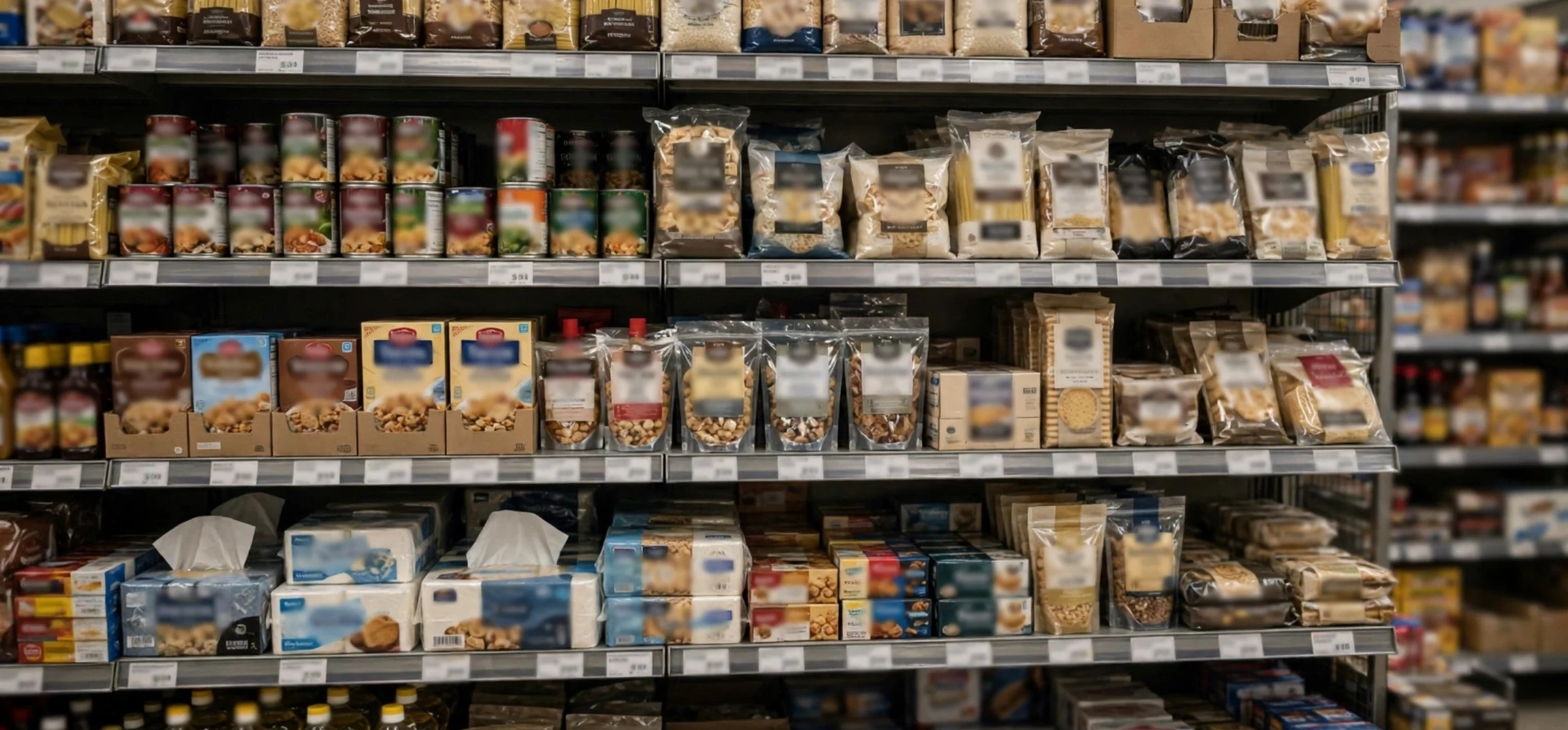
The term fmcg meaning is one of the most searched business phrases for a simple reason: it describes products that almost everyone buys, uses up, and buys again. FMCG stands for fast-moving consumer goods, and the fmcg meaning in plain English is everyday items that sell quickly, cost relatively little per unit, and need to be replaced often. Think of soap, toothpaste, packaged food, cleaning products, bottled drinks, and basic household supplies. These are not luxury purchases that people consider for months. They are routine purchases, made weekly or even daily, and that high frequency is what makes the category so important to shops, supermarkets, and manufacturers.
Understanding the fmcg meaning helps whether you are a student, a job seeker, a small business owner, or simply a curious shopper. When you walk down a supermarket aisle, most of what you see is FMCG. The products are designed for mass use, priced for regular purchase, and distributed as widely as possible. A single brand of shampoo, for example, may be sold in thousands of stores, in several sizes, at several price points, so that it fits different budgets and shopping habits. The business behind that bottle is therefore less about one big sale and more about millions of small, repeated sales adding up over time.
FMCG Meaning in Plain English
The fmcg meaning becomes clearer when you break the phrase into its three parts. Fast-moving means the products leave shop shelves quickly and are restocked often. Consumer means they are bought by ordinary people for personal or household use, rather than by factories for production. Goods means they are physical products, not services. Put together, fast-moving consumer goods are physical products that ordinary people buy frequently and use up quickly. That definition covers a huge range of items, from a bar of soap to a packet of biscuits, from laundry powder to a soft drink.
Price is a central part of the fmcg meaning. Most FMCG products are low-cost per unit, even though a household may spend a significant total amount on them over a year. A single purchase might cost only a small amount, which lowers the barrier to buying and encourages impulse purchases. Shoppers often pick up an extra snack, a new cleaning spray, or a different brand of toothpaste without long deliberation. This low price and high frequency combination means that FMCG companies depend on volume. Selling one unit at a high margin matters less than selling millions of units reliably, week after week, across many locations.
Another key feature is short shelf life or rapid consumption. Many FMCG products are used within days or weeks of purchase, and some, like fresh food and dairy, have a limited period before they expire. Even non-perishable items such as soap and detergent are consumed steadily and replaced regularly. That steady consumption creates predictable demand, which is valuable for manufacturers and retailers planning production, transport, and shelf space. It also means that availability matters enormously: if a favourite brand is out of stock, many shoppers will simply buy a competitor instead of waiting.
What Counts Under FMCG Meaning
The fmcg meaning covers several broad groups. Food and beverages are the largest, including packaged snacks, breakfast cereals, cooking oil, soft drinks, tea, coffee, dairy products, and ready meals. Personal care is another major group, covering shampoo, soap, toothpaste, skin care, deodorant, and hair care. Home care includes laundry detergent, dishwashing products, surface cleaners, and air fresheners. Over-the-counter health products, such as basic vitamins and pain relief sold without prescription in many markets, are often counted too, as are some tobacco products in markets where they are sold through general retail. The exact boundary varies by country and by industry report, but the core idea stays the same: frequently bought, quickly consumed, widely available goods.
It helps to contrast FMCG with durable goods. A refrigerator, a television, or a car is a durable good: it is bought rarely, costs a lot, and lasts for years. An FMCG product is the opposite in almost every way. It is bought often, costs little per purchase, and is used up fast. Consumer electronics sit somewhere in between, and clothing can fall into either category depending on the item. A basic pack of socks bought routinely is closer to FMCG in behaviour than a tailored suit bought once in several years. Thinking about purchase frequency, rather than only about the product type, is a useful way to apply the fmcg meaning in real life.
Packaging is also part of the story. FMCG products are usually sold in small, convenient packs, and often in multiple sizes: a single-serve sachet, a family pack, and a bulk pack of the same product. Small packs make the product affordable for shoppers with tight weekly budgets, while larger packs offer better value per unit for households that buy in bulk. Packaging also protects the product, preserves freshness, carries safety and ingredient information, and helps the brand stand out on a crowded shelf. In recent years, packaging has also become a focus for sustainability, with companies testing refills, recycled materials, and reduced plastic.
Examples of FMCG products in daily life
Consider a normal morning routine. Toothpaste, soap, shampoo, breakfast cereal, milk, tea or coffee, and perhaps a snack for later in the day are all FMCG products. Cleaning the kitchen uses dishwashing liquid and a surface spray, both FMCG. Doing laundry uses detergent, again FMCG. None of these purchases feels like a major decision, and that is exactly the point. The fmcg meaning is rooted in routine. These products support daily life quietly, and their business success depends on being available, affordable, and familiar at the moment a shopper needs them.
How FMCG Companies Work
FMCG companies operate on a model built around scale, distribution, and brand trust. Manufacturing is often centralised in large plants that produce huge volumes efficiently, keeping the cost per unit low. Distribution is then the critical challenge: getting products from factories to wholesalers, then to retailers of every size, from large supermarkets to small neighbourhood shops, and increasingly to online grocery platforms. A product that is not on the shelf at the right time cannot be sold, no matter how good its advertising is. That is why FMCG companies invest heavily in supply chains, warehousing, transport, and relationships with retailers.
Marketing plays a different role in FMCG than in high-value goods. Because each purchase is small, advertising must build broad familiarity and trust rather than persuade a buyer through a long, detailed comparison. Television, online video, social media, in-store displays, and price promotions all work together to keep a brand in mind. A shopper who recognises a brand and has used it before is likely to pick it up again without thinking. New products, by contrast, need sampling, introductory offers, or prominent shelf placement to break that habit. For a deeper look at how business roles are organised in large companies, see this guide to what a chief operating officer does, which explains a role often responsible for the operations behind large-scale distribution.
Retailers are powerful partners in the FMCG world. Supermarkets decide which products get shelf space, where they are placed, and at what price they are promoted. Eye-level shelves, end-of-aisle displays, and checkout stands are valuable positions, and brands compete for them. Private-label products, meaning store-owned brands, also compete directly with national brands on the same shelf, often at a lower price. This competition benefits shoppers through choice and price pressure, but it also means FMCG brands must constantly defend their position with quality, innovation, and value.
Why FMCG Meaning Matters for Jobs and Business
The fmcg meaning matters for careers because FMCG is one of the largest employers in many economies. Jobs span manufacturing, quality control, logistics, sales, marketing, finance, research and development, and retail management. Many large FMCG companies run graduate training programmes that rotate new employees through sales, marketing, and supply chain roles, giving them a broad view of how a product moves from factory to shelf. For job seekers, understanding the category helps in interviews: employers often ask how a candidate would grow a brand, improve distribution in a region, or respond to a competitor launching a cheaper alternative.
For small business owners, the fmcg meaning is useful in a different way. A neighbourhood shop, a convenience store, or an online grocery seller lives or dies by its FMCG range. Stocking the right mix of fast-selling staples, keeping popular items in stock, pricing competitively, and spotting local preferences all affect daily revenue. Small sellers can also learn from FMCG marketing: clear pricing, consistent availability, and a small number of trusted products often outperform a wide, confusing range. Related business reading includes a guide to mass texting tools for small businesses, which covers one way small firms stay in touch with customers about offers and stock.
Investors and students of economics also watch FMCG closely. Because people keep buying essentials even during economic downturns, FMCG sales are often more stable than sales of luxury goods or big-ticket items. That resilience makes the sector a useful indicator of consumer spending and confidence. At the same time, FMCG companies face pressure from rising raw material costs, transport costs, and changing consumer tastes, such as demand for healthier ingredients or more sustainable packaging. Tracking how companies respond to those pressures reveals a lot about the wider economy.
FMCG and changing consumer habits
Consumer habits are changing the FMCG landscape. More shoppers buy groceries online, compare prices on their phones, and read ingredient lists before purchasing. Health, sustainability, and transparency now influence choices that were once driven mainly by price and habit. Companies respond with new formulations, clearer labelling, smaller pack sizes for trial, and direct-to-consumer subscription options. At the same time, traditional habits remain strong: many shoppers still prefer to see and touch fresh products in a store, and impulse purchases at the checkout remain a major sales channel. The fmcg meaning therefore keeps evolving, even though the core definition stays stable.
FMCG Meaning: Frequently Asked Questions
What is the full form of FMCG? FMCG stands for fast-moving consumer goods. The fmcg meaning describes everyday products that are bought frequently, used quickly, and sold at relatively low prices per unit.
Is FMCG the same as retail? No. Retail is the act of selling to consumers, while FMCG is a category of products. Retailers sell FMCG products alongside many other kinds of goods, and FMCG manufacturers supply retailers through wholesalers and distributors.
Are all food products FMCG? Most packaged and fresh foods bought regularly are FMCG, but very expensive or rarely bought speciality foods behave more like luxury or durable purchases. Frequency of purchase and speed of consumption are the deciding factors, not food alone.
Why do FMCG companies spend so much on advertising? Because each sale is small, brands need millions of repeat purchases. Advertising builds familiarity and trust, so shoppers choose the brand quickly on the shelf without lengthy comparison. Promotions and in-store displays support the same goal.
Conclusion: FMCG Meaning in One Sentence
In short, the fmcg meaning is fast-moving consumer goods: affordable, everyday products that people buy often, use up quickly, and replace without much deliberation, from food and drinks to personal care and home cleaning. Understanding that definition opens up a clearer view of supermarket shelves, supply chains, marketing, and even job opportunities in one of the largest sectors of the economy. The next time you pick up a familiar product without thinking, you are seeing the FMCG model at work: scale, availability, trust, and routine, repeated millions of times a day. For readers interested in how businesses protect those operations, a guide to commercial insurance meaning explains one of the safeguards companies use behind the scenes.
| FMCG group | Typical examples | Why it is fast-moving |
|---|---|---|
| Food and beverages | Snacks, cereals, soft drinks, dairy | Bought weekly, consumed in days |
| Personal care | Soap, shampoo, toothpaste, skin care | Daily use, regular replacement |
| Home care | Detergent, cleaners, dishwashing products | Routine household consumption |
| Health basics | Basic over-the-counter wellness items | Repeat purchase when needed |



