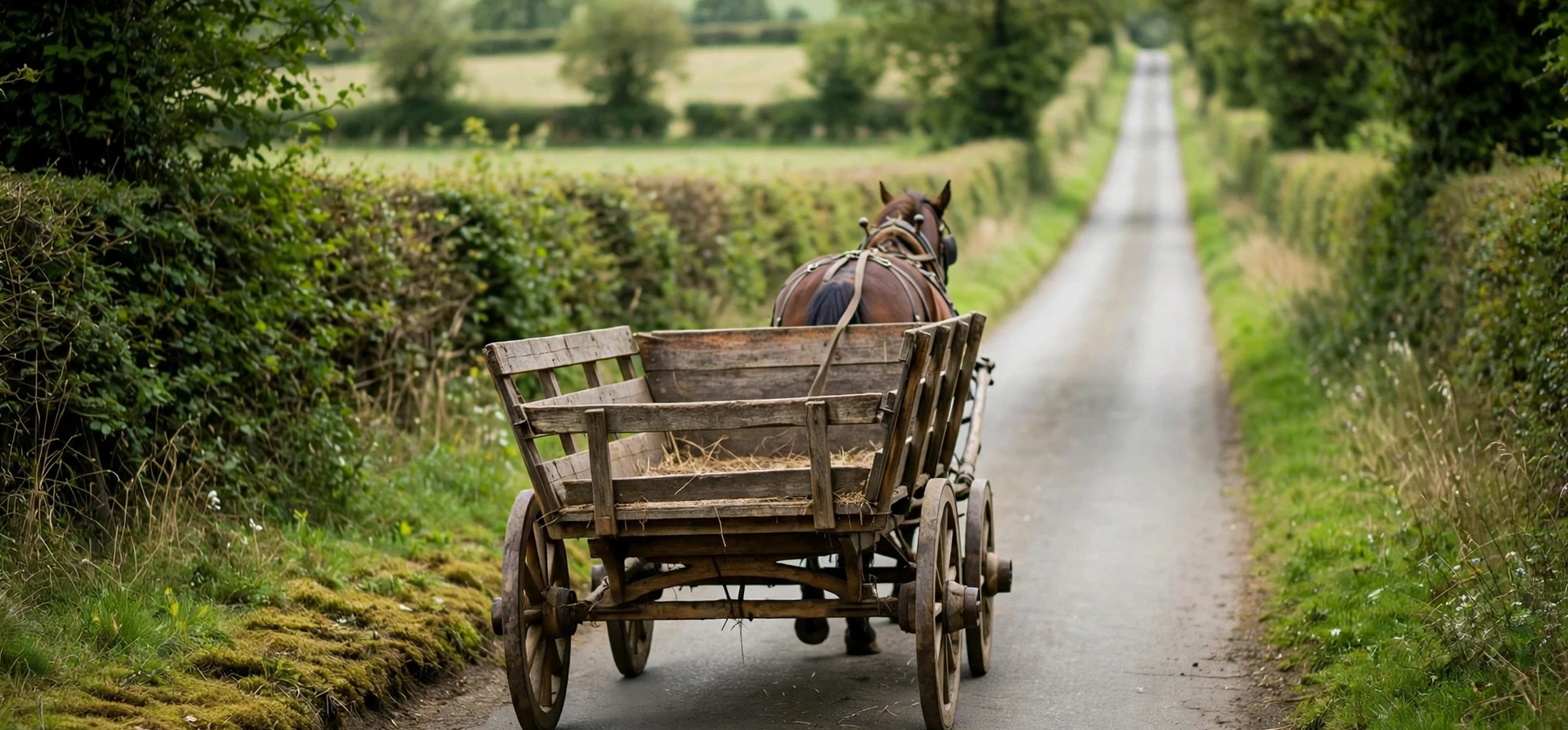
If you have ever heard someone say that a plan has things backwards, you may have heard a colourful old saying about a horse and a cart. Understanding the don’t put the cart before the horse meaning starts with a simple picture: in the days before motor vehicles, a horse pulled a cart, and the horse had to come first for anything to move forward. Put the cart in front of the horse, and nothing works. The animal cannot pull, the cart cannot roll in the right direction, and the whole arrangement becomes useless. That vivid image is exactly why the saying has survived for centuries, because it turns an abstract mistake about order into something anyone can see in their mind at once.
At its heart, this idiom is a warning about sequence. It tells us that some steps must come before others, and that skipping ahead usually creates more work rather than saving time. People use it when a friend tries to celebrate a result before doing the work, when a team buys equipment before deciding what it is for, or when a plan jumps to the final detail before the foundation is in place. The don’t put the cart before the horse meaning is therefore practical as well as picturesque: it reminds us to check whether the basics are ready before we build on top of them.
The don’t put the cart before the horse meaning in plain English
In plain English, the saying means doing things in the wrong order, especially by focusing on a later step before an earlier, necessary step is complete. If you try to decorate a house before the walls are built, choose a wedding venue before proposing, or design a product logo before knowing what the product does, you are putting the cart before the horse. The idiom does not necessarily mean the idea itself is bad. It means the timing is wrong, and the order needs to be fixed before progress is possible.
The phrase is usually used as a gentle criticism or a friendly warning rather than a harsh insult. A manager might say it to a team that is rushing into promotion before testing a product. A teacher might use it with a student who is writing a conclusion before gathering evidence. A parent might use it with a child who wants a reward before finishing a chore. In each case, the speaker is not saying the goal is wrong. They are saying the steps leading to it need to be rearranged, and that doing the groundwork first will make the later steps easier.
The Picture Behind the Words
Idioms work because they paint a picture, and this one paints a very clear one. A horse-drawn cart only functions when the horse is harnessed in front and the cart trails behind. Reverse that arrangement and the system breaks down completely. That is why the image is so effective for talking about plans, projects, and decisions. It makes the abstract idea of correct sequence feel physical and obvious. You do not need to understand project management theory to grasp that a cart cannot push a horse forward.
Similar pictures exist in many languages and cultures, because the problem itself is universal. Wherever people plan, build, cook, study, or travel, there is a natural order to the work, and reversing it causes trouble. The horse-and-cart version became popular in English because horses and carts were once part of everyday life. Today most people rarely see a horse-drawn cart, yet the saying remains instantly understandable, which shows how strong a good image can be even after the technology behind it has changed.
The don’t put the cart before the horse meaning in everyday life
Everyday life is full of small examples of this idiom in action. Buying running shoes before deciding whether you enjoy running is a mild version. Renting a large office before finding your first customers is a much more expensive version. Studying for an advanced exam before learning the basics is a version that many students recognise. In each case, the later step is not wrong on its own. It is simply too early, and doing it first wastes money, time, or effort that could have been spent on the foundation.
The idiom is also useful for relationships and personal goals. Planning a celebration before having an honest conversation, for example, can create pressure and disappointment. Choosing a holiday destination before checking whether everyone can take time off can cause arguments. Starting a strict new routine before understanding why the old one failed can lead to the same result repeated. In all of these cases, pausing to put first things first is not boring caution. It is the fastest route to a result that actually lasts.
At work, the saying appears whenever enthusiasm runs ahead of preparation. A team might design a marketing campaign before agreeing on the product price, hire staff before securing funding, or announce a launch date before the product is ready. Leaders who recognise this pattern early can save their teams a great deal of rework. They can ask a simple question: what must be true before this step makes sense? If the answer includes work that has not been done yet, the order needs to change.
Origins and History of the Saying
The saying is very old, and versions of it appear in writing from many centuries ago. The core idea, that the horse must precede the cart, was already a proverb in classical times, when writers used it to criticise arguments and plans that reversed cause and effect. English versions of the phrase became common as horse-drawn transport spread, and the image settled into the form we use today. Its long history is part of its authority: it does not feel like modern business jargon, because it comes from a world where getting the order wrong had immediate, visible consequences.
Over time, the saying has kept its meaning while its context has changed. In the past, it described farming, travel, and trade. Today it describes software projects, business plans, exam revision, and household decisions. The horse and cart have been replaced by servers and spreadsheets, but the logic is identical. That continuity is one reason the idiom still feels fresh. It connects a modern mistake to an old, simple truth about how work actually gets done.
How to Use the Idiom Correctly
Using the idiom well depends on tone and timing. It works best as a constructive observation, offered when someone can still change the order of their plan. Saying it after a failure can sound like blame, while saying it early sounds like helpful advice. A useful pattern is to name the specific steps that are out of order, rather than only quoting the idiom. For example, instead of simply saying that someone is putting the cart before the horse, explain which step should come first and why. That turns a catchy phrase into practical guidance.
Grammar is straightforward. The most common form is the warning version: do not put the cart before the horse. It can also appear as a description: they are putting the cart before the horse. Both forms are widely understood. The phrase is informal enough for conversation and friendly writing, and formal enough for workplace advice when used sparingly. Like all idioms, it loses power if overused, so save it for moments when order genuinely matters rather than using it for every small preference about sequence.
For readers who enjoy exploring how phrases carry meaning, a related guide to an all-encompassing meaning shows how a single phrase can cover many situations, just as this idiom covers many kinds of reversed order. Another useful comparison is this look at a symbolic number meaning, which shows how symbols, like idioms, gain their power from the stories people attach to them.
Examples in Sentences
| Situation | Example sentence | What is out of order |
|---|---|---|
| Starting a business | Buying a shop sign before finding customers puts the cart before the horse. | Promotion before demand |
| Studying | Writing the final essay before reading the sources puts the cart before the horse. | Conclusion before evidence |
| Planning an event | Booking entertainment before choosing a date puts the cart before the horse. | Details before basics |
| Learning a skill | Buying advanced gear before learning the basics puts the cart before the horse. | Equipment before skill |
These examples show the same pattern in different settings. The later step is attractive because it feels like progress, but real progress comes from the earlier step that makes the later step possible. Noticing that pattern is a skill in itself. Once you can spot a reversed order, you can often fix it with a simple rearrangement rather than a complete restart.
Opposite Ideas and Related Sayings
The opposite of this idiom is the idea of putting first things first, or building from the ground up. Related sayings include learning to walk before you run, not counting your chickens before they hatch, and not running before you can walk. Each of these phrases warns against a slightly different kind of premature step. Counting chickens warns against assuming a result, while the cart saying warns against reversing the steps themselves. Together, they form a family of advice about patience, preparation, and realistic planning.
It is also worth distinguishing this idiom from simple procrastination. Putting the cart before the horse is not about being slow. It is about being busy in the wrong place. A person can work very hard and still make this mistake, because effort spent on a later step does not substitute for the earlier step. The fix is not to work harder, but to work in the right order, even if that means pausing an exciting task to finish a dull but necessary one first.
When the Idiom Does Not Apply
Not every unusual order is a mistake. Sometimes working on a later step first helps clarify an earlier one, such as sketching a design to understand what materials you need, or drafting a conclusion to see what evidence is missing. In creative work, a little reverse order can be productive. The idiom applies when a later step genuinely depends on an earlier step that has not been done, not whenever someone works in an unexpected sequence. Good judgement means asking whether the earlier step is truly a precondition, or merely a habit.
Practising the don’t put the cart before the horse meaning
The best way to learn the don’t put the cart before the horse meaning is to spot it in your own plans. Take a current project and list its steps in the order you intend to do them. Then ask, for each step, what must already be true before it can succeed. If you find a step that depends on work you have not done yet, you have found the don’t put the cart before the horse meaning in real life, and simply swapping two steps may fix the whole plan.
Try the same exercise with an everyday decision. Before buying equipment, booking a venue, or announcing a date, check whether the don’t put the cart before the horse meaning applies. Ask what foundation is missing, and do that foundation first. Practising the don’t put the cart before the horse meaning in small decisions builds the habit, so you notice reversed order early, when it is cheap and easy to correct, rather than late, when rework is expensive.
Finally, practise using the saying helpfully. When you notice a reversed order in someone else’s plan, name the two steps that should swap, and explain why the earlier step matters. That approach honours the don’t put the cart before the horse meaning far better than simply quoting the phrase, because it gives the other person a clear, practical fix they can use straight away.
One last habit helps the lesson stick: whenever a plan feels tangled, pause and ask whether the don’t put the cart before the horse meaning explains the tangle. Naming the don’t put the cart before the horse meaning out loud turns a vague feeling of being stuck into a specific question about order, and the don’t put the cart before the horse meaning then points straight at the step that should move first.
Frequently Asked Questions
What does the idiom mean in one sentence?
It means doing things in the wrong order, especially by starting a later step before the earlier step it depends on is finished. The horse must come before the cart, just as foundations must come before decoration and preparation must come before promotion.
Is it rude to say this to someone?
It is usually a gentle warning rather than an insult, especially when it is paired with a clear explanation of which steps should be swapped. It can sound critical if used after a failure, so it works best as early, constructive advice.
Can I use this idiom at work?
Yes, it is widely understood in professional settings, and it is a concise way to flag a sequencing problem in a project or plan. For the best effect, follow it with the specific order you recommend, so colleagues can act on the advice rather than only hearing the phrase.
Why does the saying use a horse and a cart?
Because a horse-drawn cart only works when the horse is in front, the image makes the idea of correct order instantly visible. Even though horse-drawn carts are rare today, the picture remains clear, which is why the saying has lasted so long.
How can I remember this idiom?
Picture a horse in front of a cart, and remember that the don’t put the cart before the horse meaning is simply about keeping that order. Whenever a plan feels stuck, ask whether the don’t put the cart before the horse meaning applies, and check which step should move earlier.
Conclusion
The don’t put the cart before the horse meaning is a timeless reminder that order matters. A good plan is not only a list of steps, but a list in the right sequence, with foundations before finishes and preparation before promotion. The horse-and-cart image makes that truth easy to remember, and the idiom gives us a friendly way to point out a reversed order before it causes real trouble. Whether you are planning a project, studying for an exam, starting a business, or organising a family event, take a moment to ask which step truly comes first. Put the horse before the cart, and the rest of the journey becomes far easier to complete.



