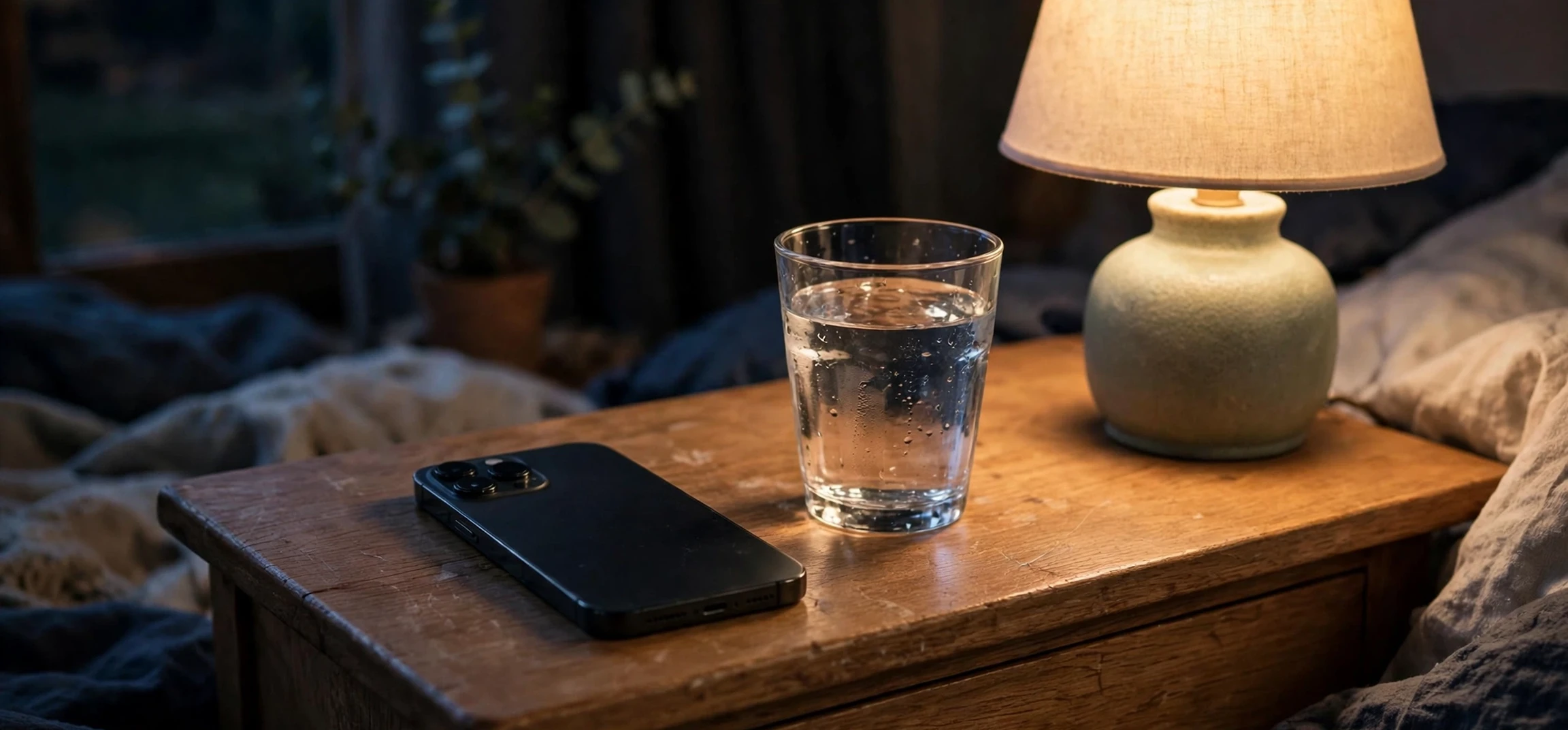
If you have woken up to a message you barely remember sending, you may have searched for drunk text meaning to put a name to what happened. In everyday language, a drunk text is a message sent while a person is under the influence of alcohol, often one they would not have sent, or would have worded differently, while sober. The phrase is informal slang, not a medical or legal term, and it usually refers to a text message, although people also use it for messages sent through social apps and chat services. This guide explains drunk text meaning clearly, why these messages happen, why they can cause problems, and how to handle them with less regret, without sensational detail.
The core idea is simple: alcohol can lower inhibitions, loosen judgment, and make feelings feel more urgent than they are. A thought that might have stayed private during the day can suddenly feel like it must be sent right now, late at night, to an ex-partner, a friend, a colleague, or a family member. The message may be affectionate, angry, confessional, or simply confusing. The next morning, the sender may feel embarrassment, anxiety, or regret, and the recipient may feel confused, hurt, or unsure how to respond. Understanding drunk text meaning means understanding that whole chain, not just the message itself. That three-part pattern is the heart of drunk text meaning, because timing, judgment, and later regret all matter.
drunk text meaning: a simple definition
Put most simply, drunk text meaning is this: a message written and sent while drinking, or after drinking enough that judgment and restraint are reduced, which the sender later views differently. The definition has three parts. First, there is timing: the message is sent during or after drinking. Second, there is a change in judgment: the sender is more likely to be impulsive, emotional, or blunt than usual. Third, there is a later reassessment: in the morning, or when sober, the sender may wish the message had not been sent, or had been worded more carefully. Not every message sent after a drink counts, but when all three parts are present, people usually call it a drunk text.
It is important to note that the phrase describes behaviour, not a diagnosis. It does not mean that a person has a drinking problem, and it does not excuse harm caused by a message. A single regretted message can be a one-off lapse in judgment, but a pattern of late-night messages that damage relationships, work, or safety may be a sign that drinking habits need attention. This guide keeps that distinction clear, because it helps readers respond proportionately: a one-off mistake calls for an apology and a practical fix, while a repeated pattern calls for a broader conversation about alcohol use. In slang guides, drunk text meaning is defined by the message being sent while drinking, not merely late at night. That boundary point is essential to drunk text meaning, because consent and space matter even for short messages.
Why People Send Drunk Texts
Alcohol affects the brain in ways that make impulsive messaging more likely. It can reduce the sense of consequences, increase confidence, and heighten emotions that are already present. A person who is already missing someone, feeling lonely, or nursing a grievance may find that those feelings become louder after drinking. At the same time, the mental checks that normally slow a person down, such as asking whether this is the right person, the right time, or the right wording, become weaker. The result is a message that feels necessary in the moment and unnecessary later.
Phones make the problem easier. A phone is usually within reach, contacts are one tap away, and a message can be sent in seconds, without the pauses that a phone call or a face-to-face conversation might create. Late-night hours add another factor: fewer distractions, less social supervision, and more time to dwell on thoughts. Boredom, loneliness, celebration, and stress can all play a part, and the same person may send very different kinds of messages depending on the mood of the evening. That variety is why drunk texts are hard to predict, and why a single rule, such as never text after a certain hour, often works better than relying on willpower in the moment. A recipient who understands drunk text meaning will usually wait before treating a late-night message as final.
Common Types of Drunk Texts
Drunk texts are often grouped by tone, and recognising the type can help both sender and recipient respond calmly. Affectionate messages express feelings that the sender may have been holding back, such as missing someone or wanting to reconnect. Angry messages release a grievance that might have been better discussed sober. Confessional messages share secrets, worries, or personal news without a plan for how the recipient should handle them. Random or confusing messages may be jokes, fragments, or thoughts that made sense to the sender at the time but read as nonsense later. None of these types is harmless by default; even an affectionate message can create confusion if it reopens a relationship that had ended. A short apology, grounded in drunk text meaning, respects the recipient better than a long excuse.
It is also worth noting what drunk texts are not. They are not a reliable guide to a person’s true feelings, even though popular culture sometimes treats them as hidden truth serum. Alcohol can amplify a passing mood, distort a memory, and create a feeling of closeness that fades by morning. A message sent while drinking may contain a grain of truth, but it may also contain exaggeration, misremembering, or a mood that the sender does not endorse when sober. Recipients should therefore be cautious about treating a drunk text as a final statement of intent, and senders should be cautious about claiming that it was. For couples, drunk text meaning often depends on history and boundaries, not on the words alone.
drunk text meaning in relationships
In relationships, drunk text meaning is often tied to timing and history. A message to a current partner may be read as a late-night check-in, while the same message to a former partner may be read as an attempt to reopen contact. That difference is not about the words alone; it is about the history between the people and the expectations they have set. A former partner who has asked for space may experience a drunk text as a boundary crossed, even if the sender intended it as friendly. A friend who is asleep may wake up to a long, emotional message and feel unsure whether to reply, ignore it, or raise it the next day.
Workplace messages deserve special care. A message to a colleague, manager, or client sent while drinking can affect professional reputation in ways that a private message to a friend may not. Tone is hard to read in text at the best of times, and alcohol makes tone harder to control. A joke that seems light-hearted to the sender may read as unprofessional or inappropriate to the recipient, and a message sent to the wrong group or thread can spread quickly. For that reason, many people adopt a simple rule: no work messages after drinking, and no messages to professional contacts late at night, when judgment is most likely to be impaired. Workplace readers should treat drunk text meaning as a warning, because professional messages are hard to undo.
For recipients, the healthiest response is usually to pause. There is rarely a need to reply immediately to a late-night message, especially if its tone is emotional or confusing. Waiting until morning, reading the message again with fresh eyes, and deciding whether a reply is needed can prevent a late-night exchange from escalating. If the message is hurtful, a calm boundary, such as saying that the conversation is better had when sober, is often more effective than a detailed reply written while tired or upset.
What to Do After Sending a Drunk Text
The morning after a drunk text, the first step is to read what was actually sent, rather than relying on memory. Memory after drinking can be incomplete, and the message may be less dramatic, or more dramatic, than feared. Once the facts are clear, a short, honest apology is usually better than a long explanation. A good apology names what happened, takes responsibility, and does not demand immediate forgiveness. For example, a sender might say that they should not have sent the message, that they understand if it was unwelcome, and that they will not repeat it. That approach respects the recipient and closes the loop without turning the apology into another long message. The comedy version of drunk text meaning makes regret look funny, while real messages can reopen painful history.
Practical fixes help more than promises alone. Common fixes include deleting a contact temporarily, using a phone’s focus or do-not-disturb mode at night, leaving the phone in another room during social drinking, asking a trusted friend to hold the phone, or setting a personal rule not to message certain people after a certain hour. The best fix is the one that works in real life, not the one that sounds most disciplined. If a person finds that they repeatedly break their own rule, that pattern is useful information, and it may be worth talking to a trusted person, a counsellor, or a clinician about drinking habits and coping strategies.
When a Drunk Text Is More Serious
Most drunk texts are embarrassing rather than dangerous, but some situations need a different response. Messages that contain threats, harassment, or repeated unwanted contact should be taken seriously, whether or not alcohol was involved. Recipients do not have to accept repeated unwanted messages, and they can set a clear boundary, block a number if needed, and seek support if the contact continues. Senders who notice a pattern of angry or harassing messages should treat that pattern as a warning sign, not as a joke, and should consider professional support for anger, relationship, or alcohol-related concerns. A practical rule follows from drunk text meaning: pause before sending, especially after drinking and late at night.
There is also a safety point that should not be lost in a light-hearted discussion of slang. Drinking and messaging can distract from more serious risks, such as driving, walking near traffic, or being in an unsafe situation. If alcohol use is affecting safety, work, health, or relationships on a regular basis, general information articles are not a substitute for professional help. Talking to a clinician, a trusted health professional, or a local support service is a sensible next step, and it is better taken early than after a crisis.
| Situation | A calm response | What to avoid |
|---|---|---|
| You sent a regretted message | Read it, apologise briefly, set a practical fix | Sending a longer message to explain the first one |
| You received a confusing message | Wait until morning before replying | Treating it as a final statement of intent |
| The message crossed a boundary | State the boundary clearly and calmly | Continuing the exchange late at night |
| It keeps happening | Talk to a trusted person or professional | Treating a pattern as just a joke |
Drunk Text Meaning in Popular Culture
Popular culture has turned the drunk text into a comedy staple, with songs, memes, and television scenes built around the morning-after regret. That comedy works because the experience is widely recognised, but it also creates a misleading impression. In comedy, a drunk text is usually harmless, funny, and quickly forgiven. In real life, a message can reopen a painful breakup, damage a work relationship, or create a lasting misunderstanding. Enjoying the joke is fine, but it should not replace a realistic view of consequences, especially when the recipient is a real person with real feelings. That pause is the most useful lesson in drunk text meaning, because deletion rarely removes a message completely.
The phrase has also spread beyond text messages to other forms of digital communication, including social media posts, voice notes, and messages in group chats. The underlying meaning stays the same: a message sent with reduced judgment that the sender later reassesses. The platform matters less than the pattern. A public post sent while drinking can be harder to undo than a private text, because screenshots and shares can preserve it even after deletion. That is another reason why a pause before sending matters more than a delete button afterwards.
For readers interested in how messaging language works, it may help to compare this guide with other communication guides on this site, including a guide to green text messages on iPhone and a guide to anonymous free text services. Those guides cover different aspects of messaging, but they share a common lesson: text is a permanent-seeming medium for temporary moods, and a short pause before sending usually improves the outcome. For friends, drunk text meaning can mean an affectionate message that still creates confusion the next morning.
Frequently Asked Questions
What is drunk text meaning?
Drunk text meaning is the meaning of a message sent while under the influence of alcohol, usually one that the sender would not have sent, or would have worded differently, while sober. It is informal slang for an impulsive, emotional, or regretted message, not a medical or legal term.
Are drunk texts honest?
Not necessarily. Alcohol can amplify a passing mood, distort memory, and create a feeling of urgency that fades by morning. A drunk text may contain a grain of truth, but it should not be treated as a reliable statement of a person’s settled feelings or intentions. Both sender and recipient should check the message against sober conversation before drawing conclusions.
Should I reply to a drunk text?
There is usually no need to reply immediately, especially late at night. Waiting until morning, reading the message again, and deciding whether a reply is needed often leads to a calmer outcome. If the message was hurtful or unwelcome, a brief, calm boundary is usually more effective than a long late-night reply.
How do I stop sending drunk texts?
Practical steps work best: use do-not-disturb mode at night, leave the phone in another room, delete or mute certain contacts temporarily, or ask a trusted friend to hold the phone during social drinking. If the pattern keeps happening despite those steps, consider talking to a trusted person or a health professional about drinking habits and coping strategies. A pattern, rather than one message, is what changes drunk text meaning from embarrassment into a broader concern.
Conclusion
Drunk text meaning, in the end, is about more than a single message. It is about judgment, timing, and the gap between how a message feels when it is sent and how it reads when sober. A drunk text is a message sent while drinking that the sender later views differently, and its impact depends on the relationship, the wording, and the history between the people involved. Understanding that definition helps both sides: senders can apologise briefly and fix the habit, and recipients can pause, set a boundary, and avoid treating a late-night message as a final verdict.
The most useful habit is also the simplest: pause before sending, especially late at night and after drinking. A message that still seems worth sending in the morning, in clear wording, is much more likely to be received well. A message that only seemed urgent in the moment is better left unsent, and that restraint protects friendships, relationships, and professional reputations far better than any apology afterwards. Understanding drunk text meaning helps senders apologise briefly instead of sending a longer second message.



