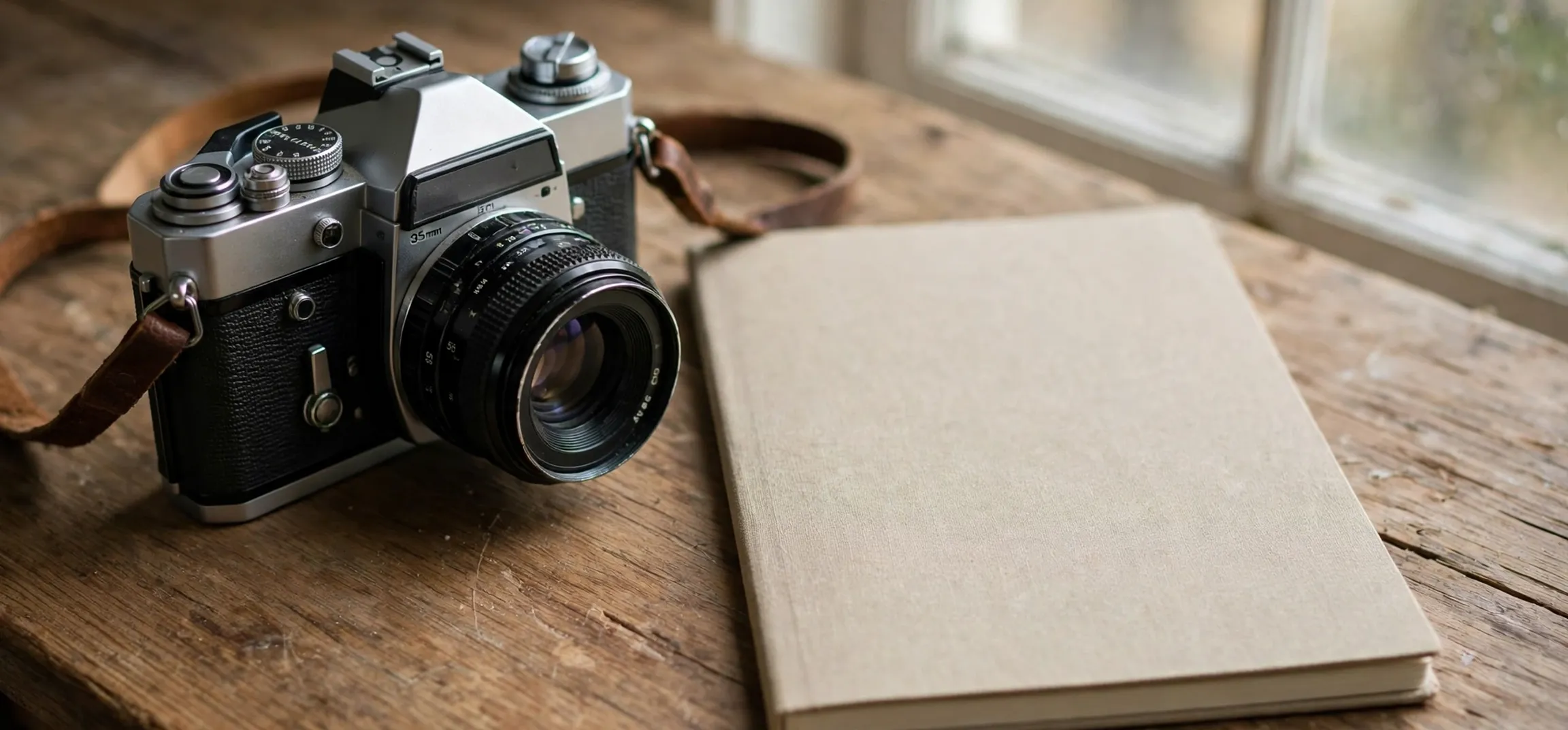
Choosing a name for a photography venture is a creative challenge, and a creative photography photography names generator can be a helpful starting point for brainstorming. Such a tool, or a structured brainstorming method inspired by one, combines words related to light, lenses, moments, places, and style to suggest name ideas you can refine. This guide explains how a creative photography photography names generator works in general terms, how to use its suggestions wisely, and how to turn a raw idea into a strong, memorable, and legally checkable name for a portfolio, a studio, a social channel, or a freelance practice.
It is important to be clear about what a name generator does and does not do. A creative photography photography names generator produces suggestions, not identities. The names it offers are starting points for your own creativity, and they should be treated as samples to adapt, combine, and test, not as finished brands and not as real businesses. Before you adopt any name, you should check availability, search for existing uses, and consider trademark and domain issues in your own country. That checking step is what separates a fun brainstorm from a usable business name.
This guide covers the principles of good photography naming, the kinds of words that work well, how to use a creative photography photography names generator without settling for a generic result, and how to test a shortlist with real audiences. It includes example name patterns, presented clearly as invented samples for illustration only, not as real firms. Whether you photograph weddings, portraits, landscapes, products, events, or street scenes, the same naming principles apply: clarity, memorability, relevance, and room to grow.
Creative Photography Photography Names Generator Basics
A creative photography photography names generator typically works by combining seed words with naming patterns. You enter a style, a location type, or a mood, and the tool returns combinations such as a light-related word plus a place word, or a personal name plus a photography term. Some tools allow you to filter by length, by style, or by availability of a matching social handle. Others simply present a long list and let you pick what resonates. Understanding that mechanism helps you use the tool well: the generator is good at volume and variety, while you are good at judgment, taste, and context.
The best way to use a creative photography photography names generator is as a first draft machine. Generate a large list, perhaps fifty or more ideas, and then sort them quickly into three groups: promising, possible with changes, and not right. Do not judge the first list too harshly, because a name that looks weak on its own may contain a word or a rhythm that becomes strong when combined with another idea. The goal of the first pass is breadth, not perfection, and the generator’s value lies in showing combinations you might not have considered on your own.
What makes a generated name usable?
A usable photography name is usually short enough to remember, easy to pronounce, easy to spell after hearing it once, and clear about what you do. It should work as a website address, as a social handle, and spoken aloud when you introduce yourself. It should also leave room for growth: a name tied too tightly to one niche, one town, or one technique can become limiting if your work expands. A creative photography photography names generator can help you test that balance by showing both narrow and broad options side by side.
Creative Photography Photography Names Generator Styles
Photography names tend to fall into several styles, and a creative photography photography names generator will often produce examples of each. Personal names, such as a first name plus photography, signal an individual practice and work well for portrait and wedding photographers who sell their own eye and personality. Descriptive names, such as words for light, shadow, or moments plus a photography term, signal a style or an approach. Place-based names signal a local practice and can help with local search, but they can limit you if you travel. Abstract or invented names signal creativity and distinctiveness, but they may need more explanation before clients understand what you do.
Each style has trade-offs. A personal name is authentic and hard to confuse, but it is difficult to transfer if you later build a team. A descriptive name is immediately clear, but it may be similar to many other photographers’ names. A place-based name is locally strong, but geographically limiting. An abstract name is distinctive, but it requires marketing effort to build meaning. The right choice depends on your goals: are you building a personal brand, a studio team, a local service, or a national portfolio? Answering that question before you generate names will make the generator’s output far more useful.
| Name style | Example pattern (sample only) | Best for | Watch out for |
|---|---|---|---|
| Personal | First name plus Studios or Photography | Portrait and wedding work | Hard to transfer to a team |
| Descriptive | Light or Moment word plus Photography | Style-led portfolios | Similarity to other names |
| Place-based | Town or region word plus Photography | Local services | Limits travel and expansion |
| Abstract | Invented word suggesting light or vision | Distinctive brands | Needs explanation for clients |
| Combined | Personal word plus descriptive word | Flexible practices | Can become long or awkward |
Brainstorming Beyond the Generator
A generator is a starting point, not a substitute for your own brainstorming. After you have a list from a creative photography photography names generator, try manual techniques to expand it. Write down words that describe your style: warm, candid, dramatic, minimal, documentary, editorial, bright, moody, timeless, playful. Write down words for light: golden, soft, dawn, dusk, glow, shadow, horizon. Write down words for moments: first look, quiet, celebration, journey, everyday, wild, still. Then combine words from different lists and test the rhythm aloud. The best names often come from an unexpected combination, not from the first suggestion.
Another useful technique is to write a one-sentence description of your work, then underline the most vivid words. If your sentence is about honest, unposed family moments in natural light, the words honest, natural, and moment may point toward a name. If your sentence is about bold, editorial fashion images, the words bold and editorial may point elsewhere. That exercise keeps the name grounded in your actual work, rather than in a generic list, and it helps you reject names that sound attractive but do not match what you photograph.
It also helps to think about your audience’s language. Clients searching for a photographer often use plain words: wedding photographer, family photographer, product photographer, and a place name. A name that includes a clear photography term will be easier to understand at a glance than a purely abstract name, especially for local services. That does not mean every name must contain the word photography, but it does mean that clarity should be weighed alongside creativity, particularly if you rely on search and referrals.
Testing and Shortlisting Names
Once you have a shortlist from a creative photography photography names generator and your own brainstorming, test each name against practical criteria. Say it aloud, as you would on the phone. Ask a friend to spell it after hearing it once. Check whether it reads well in a small social profile, on a business card, and as a website address. Check for unintended meanings, awkward initials, or difficult pronunciations. A name that passes those tests is more likely to survive real-world use than a name that only looks good on a screen.
Next, check availability in a careful, stepwise way. Search the web for the exact name and for close variations. Check social platforms for existing handles. Check domain availability for the forms you would actually use. Check business registries and trademark databases relevant to your country, and consider professional advice if you plan to invest heavily in branding. Availability checking is not a one-time task: a name that is free today may be taken tomorrow, so it is wise to secure the domain and handles you need promptly once you have decided, and to keep records of your checks.
Audience testing is the final step before commitment. Show your shortlist, without explanation, to a small group of people who resemble your ideal clients, and ask what kind of photography each name suggests. If most people guess correctly, the name is communicating well. If they guess a different genre, or cannot guess at all, the name may need a clarifying word or a different direction. That feedback is more valuable than personal preference alone, because a business name exists to communicate with clients, not only to please its owner. For related naming inspiration, see a cafe name generator guide, a pony name generator guide, and a cartoon photographer reference.
Common Naming Mistakes
Several mistakes recur in photography naming. The first is choosing a name that is too generic, such as a common light word plus photography, without any distinctive element. Generic names are hard to search for, hard to remember, and hard to protect. The second is choosing a name that is too clever, such as a pun that only makes sense to photographers, or a wordplay that clients do not understand. Cleverness can work, but it should not come at the cost of clarity. The third is choosing a name that is too long, which becomes awkward as a domain, a handle, and a spoken introduction.
Another mistake is copying a name that is already in use, even unintentionally. A creative photography photography names generator can produce names that resemble existing brands, because it draws on common words and patterns. Similarity alone does not prove a legal problem, but it does create confusion for clients and risk for your brand. That is why availability and trademark checks matter, and why a distinctive combination, even of common words, is safer than a single common word alone. Finally, avoid names that promise something you cannot deliver, such as a superlative you cannot support, because a name is a promise, and clients will judge you against it.
Searching With a Creative Photography Names Generator
When you use a creative photography photography names generator, treat the first list as raw material, not as a final answer, because a creative photography photography names generator is designed for breadth. A creative photography photography names generator can suggest combinations you would not invent alone, and a second run of a creative photography photography names generator with different seed words often produces a stronger shortlist. Before adopting any result from a creative photography photography names generator, test it aloud, check availability, and ask whether it matches your actual work.
Frequently Asked Questions
Should I use a creative photography photography names generator for a real business?
Yes, as a brainstorming tool, provided you treat its suggestions as samples to refine and check. Always verify availability, search for existing uses, and consider trademark advice before adopting a name for a real business.
Is a personal name or a studio name better?
It depends on your goals. A personal name suits an individual practice built on personality and style, while a studio name suits a team, a broader service, or a brand you may one day transfer. Consider where you want the practice to be in five years.
How long should a photography name be?
Shorter is usually better. Aim for a name that is easy to say, spell, and remember, that works as a domain and a social handle, and that still conveys what you do without needing a long explanation.
What if my favourite name is already taken?
Do not simply add a number or a hyphen and proceed. Instead, return to your brainstorming, combine words in a new way, or add a distinctive descriptive element, and then re-check availability thoroughly.
Conclusion
A creative photography photography names generator is most valuable when it is used as a creative partner, not as a final decision maker. It can supply volume, variety, and unexpected combinations, while you supply judgment, context, and knowledge of your own work and audience. By starting with your style and goals, generating broadly, shortlisting against practical tests, checking availability carefully, and seeking audience feedback, you can move from a long list of samples to a name that is clear, memorable, and truly yours. The best photography name is not the cleverest suggestion on a list; it is the one that helps the right clients find you, remember you, and understand, at a glance, what your photography is about.



