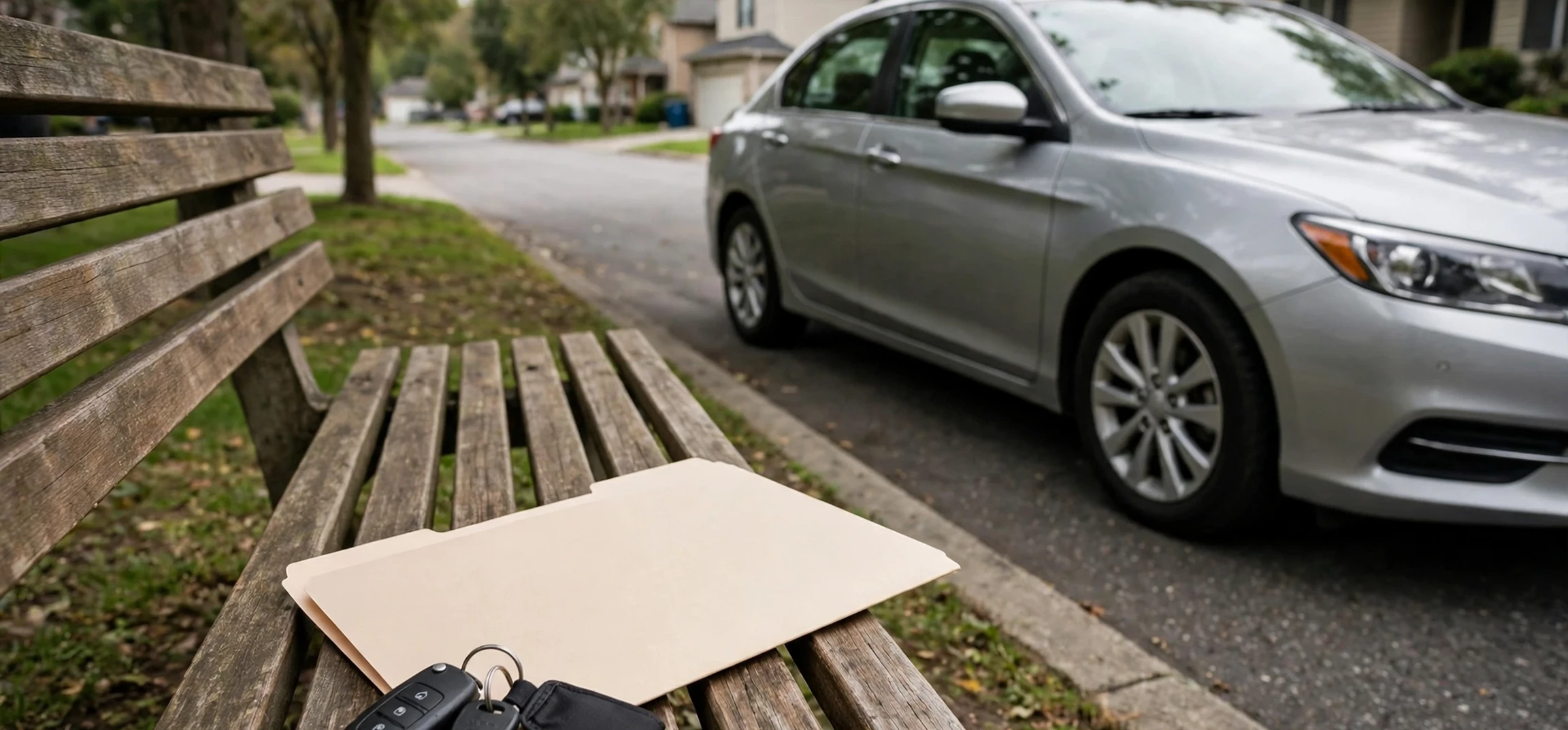
If you are buying a used car, checking a property record, or simply trying to understand paperwork before you sign anything, you may have come across the phrase clean title and wondered what the opposite looks like. In plain language, the search question what does a not clean title mean is really asking what happens when a title is not clean, what problems can be attached to it, and whether it is still safe to buy, sell, or finance the item. A clean title usually means the ownership record appears clear, with no major brands, unpaid loans, or legal claims recorded against it. A title that is not clean, by contrast, carries some kind of mark, claim, or history that a buyer should investigate before proceeding. This article explains the idea in general terms, compares vehicle titles and property titles, and gives you a practical checklist for reading documents carefully. It is general information only and is not legal advice, so for a specific transaction, a local licensed professional or the relevant government office is the right source for advice about your situation.
The phrase itself can be confusing because people use the word title in more than one way. A title can be a vehicle ownership document issued by a state motor vehicle agency, a property ownership record held in a county system, or simply the legal idea of ownership itself. In all of those settings, a clean title suggests a straightforward ownership story, while a title that is not clean suggests that something in that story needs attention. That something might be a loan that has not been paid off, a rebuilt or salvage history, a flood or accident brand, a lien, a dispute between owners, or an error in the paperwork. None of those possibilities automatically means the same thing in every state or every transaction, which is why the details on the actual document matter far more than the label alone. Understanding what does a not clean title mean starts with learning which kind of title you are looking at and which authority issued it.
What Does a Not Clean Title Mean in Simple Terms
At its simplest, a title that is not clean is a title that carries a note, a brand, a lien, or another recorded issue that affects ownership, value, or transfer. Think of a title as a short history of who owns something and whether anyone else has a claim on it. When that history is straightforward, people often describe the title as clean. When the history includes a complication, people describe it as not clean, branded, encumbered, or clouded, depending on the context. The wording varies by state, by agency, and by whether the item is a car, a motorcycle, a boat, or a home. The underlying idea, however, stays the same: a clean record is easy to transfer, while a complicated record needs extra checks before transfer. That is the core answer to what does a not clean title mean, and the rest of this guide breaks down the most common complications one by one.
It is also important to separate a dirty title from a dirty document. A title can look worn, faded, or creased and still be legally clean, because physical condition is not the same as legal status. Conversely, a brand-new looking document can still carry a salvage brand or an unpaid lien in the issuing system. Buyers sometimes focus on how the paper looks, but the legal meaning comes from the record behind the paper, including brands printed on the title, lienholder names, odometer statements, and any notes about rebuilt or prior salvage status. If any of those fields look unfamiliar, slow down and ask for an explanation in writing before you pay a deposit or sign a transfer form.
Clean Versus Not Clean at a Glance
A clean title generally shows one clear owner, no active lienholder listed unless a loan is being handled through the transfer, and no brand such as salvage, rebuilt, flood, or lemon. A title that is not clean may show a lienholder, a brand, a missing signature, an odometer discrepancy, or a note that the item was previously declared a total loss and later repaired. Some of those issues can be resolved, for example by paying off a loan and obtaining a lien release, while others are permanent parts of the history, such as a salvage brand that follows the vehicle even after repairs. Knowing which type you are dealing with helps you decide whether to walk away, negotiate, or seek professional help.
What Does a Not Clean Title Mean for a Vehicle
For vehicles, the question what does a not clean title mean most often refers to a title brand or a lien. A salvage title usually means an insurer or an authority recorded the vehicle as a total loss, often after a serious accident, flood, fire, or theft recovery. A rebuilt title usually means a vehicle that once held a salvage title was repaired and passed an inspection, where inspections are required, and was then issued a new title marked as rebuilt. A flood title or a lemon title, where those brands exist, points to a specific history that can affect safety, reliability, insurance, and resale value. A lien on a vehicle title means a lender still has a recorded financial interest in the vehicle until the loan is satisfied, and the vehicle usually cannot be transferred cleanly until that lien is released.
Other vehicle title problems are less dramatic but still important. An odometer brand can mean the mileage reading is not believed to be accurate, is recorded as exceeding mechanical limits, or does not match earlier records. A title with a missing owner signature, a misspelled name, or a transfer that was never completed can also delay registration, even if the vehicle itself is in good condition. In some cases, a title may be described as not clean simply because the seller does not actually hold the title yet, for example because a lender still holds it or because the seller never completed a transfer from a previous owner. That situation is sometimes called title jumping in casual conversation, and it can create serious problems for the next buyer because the chain of ownership is broken.
For a general sense of how property and vehicle records are checked through public systems, readers often find it useful to compare the steps used in other record searches, such as a property record search by address or a county property search by address, because both kinds of searches are about confirming who owns something and whether a claim is recorded against it.
Common Vehicle Title Brands Explained
| Title mark | What it usually signals | Why buyers should pause |
|---|---|---|
| Clean | No major brand or active lien recorded | Still verify identity, mileage, and seller ownership |
| Salvage | Recorded as a total loss at some point | Repair quality and safety need careful inspection |
| Rebuilt | Former salvage vehicle repaired and re-titled | Insurance and resale value may differ from a clean title |
| Lien | A lender has a recorded interest | Transfer usually needs a lien release first |
| Flood or lemon brand | Specific damage or buyback history where branded | Hidden damage and future costs are possible |
| Odometer brand | Mileage reading is questioned or inconsistent | True use and value are harder to confirm |
Brands do not mean exactly the same thing in every jurisdiction, and some states use different words for similar histories. Always read the exact brand printed on the title and check it against the issuing agency guidance for that state, rather than relying only on a seller description or an online listing summary.
A Not Clean Title for Property
For real estate, people often use the phrase clouded title rather than not clean title, but the idea is similar. A property title may be described as not clean when a search reveals a lien, an unpaid tax claim, a mortgage that was never formally released, an easement that limits use, a boundary dispute, an old claim by a previous owner or heir, or a paperwork error such as a missing signature or an incorrectly recorded deed. Any of those items can delay a sale, affect a mortgage approval, or require a correction before ownership can transfer smoothly. Title companies and attorneys commonly review the chain of ownership, which is the sequence of past transfers, to confirm that each step was recorded correctly and that no unresolved claim remains.
A property title problem does not always mean the property is a bad purchase, and it does not always mean the current owner did anything wrong. Old records can contain errors, a previous loan payoff may not have been recorded, or a family transfer may have skipped a formal step decades earlier. Some issues are cleared by obtaining a release document, correcting a recording, or paying an outstanding amount. Others require a formal legal process, which is why buyers in property transactions often rely on a title search and, where available, title insurance. This article does not provide legal advice about any specific property, but it can help you understand why a title search matters and why a seller, buyer, or lender might pause when a search returns an unexpected result.
Why a Title Becomes Not Clean
Titles usually become not clean for one of a few recurring reasons. The first is money: a loan, a tax debt, a contractor claim, or a court judgment can be recorded as a lien against a vehicle or a property. The second is damage or loss history: a vehicle declared a total loss, a flood event, or a manufacturer buyback can lead to a brand that stays with the record. The third is paperwork: a missing signature, an incorrect vehicle identification number, a name mismatch, or a transfer that was never filed can break the chain of ownership. The fourth is a dispute: two parties may claim ownership, an heir may challenge a transfer, or a co-owner may not have agreed to a sale. Each cause points to a different solution, so identifying the cause is the most useful first step.
It is also worth noting that a title can become not clean through no fault of the current owner. A previous owner may have failed to record a payoff, an agency may have made a data entry error, or a vehicle may have been damaged before the current owner bought it. That is why buyers are encouraged to check the record independently rather than relying only on a seller statement. Independent checks include reading the title itself, asking for a lien release where a lien is listed, comparing identification numbers on the document and the item, and, for vehicles, having a qualified mechanic inspect the item before purchase. For property, a formal title search through the county record system or a title professional is the usual route.
How to Check a Title Before You Buy
A careful title check does not need to be complicated, but it should be systematic. Start by asking the seller for the actual title document, not only a photograph of part of it, and read every field, including the owner name, lienholder field, brand field, odometer statement, and any notes on the back. Compare the owner name with the seller identification, and be cautious if the names do not match or if the seller cannot explain why. Compare the vehicle identification number or property description on the title with the item itself or with the official record. Ask whether any loan remains, and if so, ask how the payoff and lien release will be handled at the time of sale.
Next, use the official channel for the relevant record. For a vehicle, that usually means the state motor vehicle agency, and for property, the county recorder or land records office. Some agencies offer online record checks, while others require an in-person visit or a formal request. Keep copies of everything you receive, note the date of each check, and keep any written explanations from the seller. If a seller pressures you to skip the check, rush a cash payment, or sign a blank transfer form, treat that pressure as a reason to pause rather than a reason to hurry. A legitimate seller should be willing to let a buyer verify ownership and lien status before money changes hands.
Red Flags to Take Seriously
- The seller name does not match the owner name on the title.
- A lienholder is listed but no lien release is provided.
- The title brand field mentions salvage, rebuilt, flood, or a similar mark.
- Identification numbers on the document and the item do not match.
- The seller cannot produce the title at all, or offers only a bill of sale.
- The price is far below comparable items and the seller cannot explain why.
- Paperwork shows alterations, missing signatures, or inconsistent dates.
Any single red flag does not prove wrongdoing, but a pattern of red flags is a strong reason to seek independent advice before proceeding. For vehicle transactions, a pre-purchase inspection by a qualified mechanic can also reveal repair quality issues that a title brand alone cannot describe.
Can a Not Clean Title Be Fixed
Some title problems can be fixed, and some cannot, and the difference depends on the cause. A lien can often be cleared once the underlying debt is paid and the lienholder issues a release, which is then recorded with the issuing agency. A paperwork error can sometimes be corrected with a corrected form, an affidavit where permitted, or a re-recorded document. A missing transfer can sometimes be completed if the previous owner cooperates and the agency accepts the correction. Those fixes take time, and they usually require documents from the party that created the claim or the error, so buyers should not assume a fix will be quick.
Other title marks are permanent by design. A salvage or rebuilt brand, for example, is meant to stay with the vehicle history so future buyers can see that history even after repairs. A property easement may also remain in place because it grants a lasting right to another party, such as access across land. In those cases, the question is not whether the mark can be erased, but whether the buyer understands it, accepts the limits it creates, and has priced the purchase accordingly. If a seller promises that a permanent brand can simply be removed by re-registering in another place, treat that claim with caution and verify it with the issuing agency before relying on it.
People sometimes ask whether a not clean title means a vehicle or property cannot be sold at all. In general, an item with a complicated title can still be sold in many cases, provided the complication is disclosed honestly and the transfer follows the rules of the issuing agency. What changes is the process: extra documents may be needed, a lender or insurer may set different terms, and a buyer may need more time to complete checks. Transparency matters here. A seller who discloses a brand or lien clearly, provides supporting documents, and allows independent verification is in a very different position from a seller who hides the issue or rushes the sale.
Frequently Asked Questions
Does a not clean title always mean the item is unsafe?
No. The phrase what does a not clean title mean covers many different issues, and only some relate to safety. A lien, for example, is a financial claim, not a safety defect. A rebuilt vehicle, however, may need a careful mechanical inspection because repair quality matters. The title mark tells you to investigate, not automatically to reject the purchase.
Should you buy something with a not clean title?
That depends on the cause, the price, the disclosure, and your comfort with the extra steps involved. Some buyers accept a rebuilt title after a thorough inspection, while others prefer only clean titles. The safest approach is to identify the exact issue, get it in writing, check insurance and financing implications in advance, and seek professional advice for anything you do not fully understand.
Is a clean title the same for a car and a house?
The general idea is similar, but the records, agencies, and solutions differ. Vehicle titles are handled by motor vehicle agencies and focus on brands, liens, and odometer statements. Property titles are handled through land records and focus on deeds, mortgages, liens, easements, and the chain of ownership. Always use the record system that matches the item you are buying.
Quick Check
Asking what does a not clean title mean before signing helps you spot a lien early.
For buyers, what does a not clean title mean in practice is simple: check the record first.
For sellers, what does a not clean title mean is disclosure: share the brand or lien honestly.
In short, what does a not clean title mean for value is that complications can lower price.
For lenders, what does a not clean title mean is extra checks before financing approval.
For insurers, what does a not clean title mean is different terms for branded vehicles.
Before payment, what does a not clean title mean should be answered in writing.
After repairs, what does a not clean title mean can still include a permanent brand.
Across states, what does a not clean title mean varies, so check local agency guidance.
For property, what does a not clean title mean often points to a cloud on ownership.
For vehicles, what does a not clean title mean often points to a brand or lien.
Used carefully, what does a not clean title mean becomes a checklist, not a mystery.
Finally, what does a not clean title mean for peace of mind is clarity before commitment.
For first-time buyers, what does a not clean title mean is a reason to slow down.
For experienced buyers, what does a not clean title mean is still worth verifying.
For family transfers, what does a not clean title mean can affect inheritance paperwork.
For dealers, what does a not clean title mean is a disclosure duty.
For private sales, what does a not clean title mean is a trust test.
For records, what does a not clean title mean is a prompt to read every field.
For decisions, what does a not clean title mean should guide, not frighten, buyers.
For this guide, what does a not clean title mean is general information only.
Conclusion
To sum up, what does a not clean title mean is best answered by looking at the specific record in front of you. A clean title points to a straightforward ownership history, while a title that is not clean points to a brand, lien, dispute, or paperwork problem that deserves attention before transfer. Some problems can be cleared with a payoff, a release, or a corrected document, while others remain part of the history and must be understood and priced into the deal. Read the full document, verify the record through the official agency, compare names and identification details, ask for releases in writing, and do not let pressure replace verification. That careful approach protects both buyers and sellers, and it turns a confusing label into a clear checklist for a safer transaction. This guide is general information only and is not legal advice for any individual case.