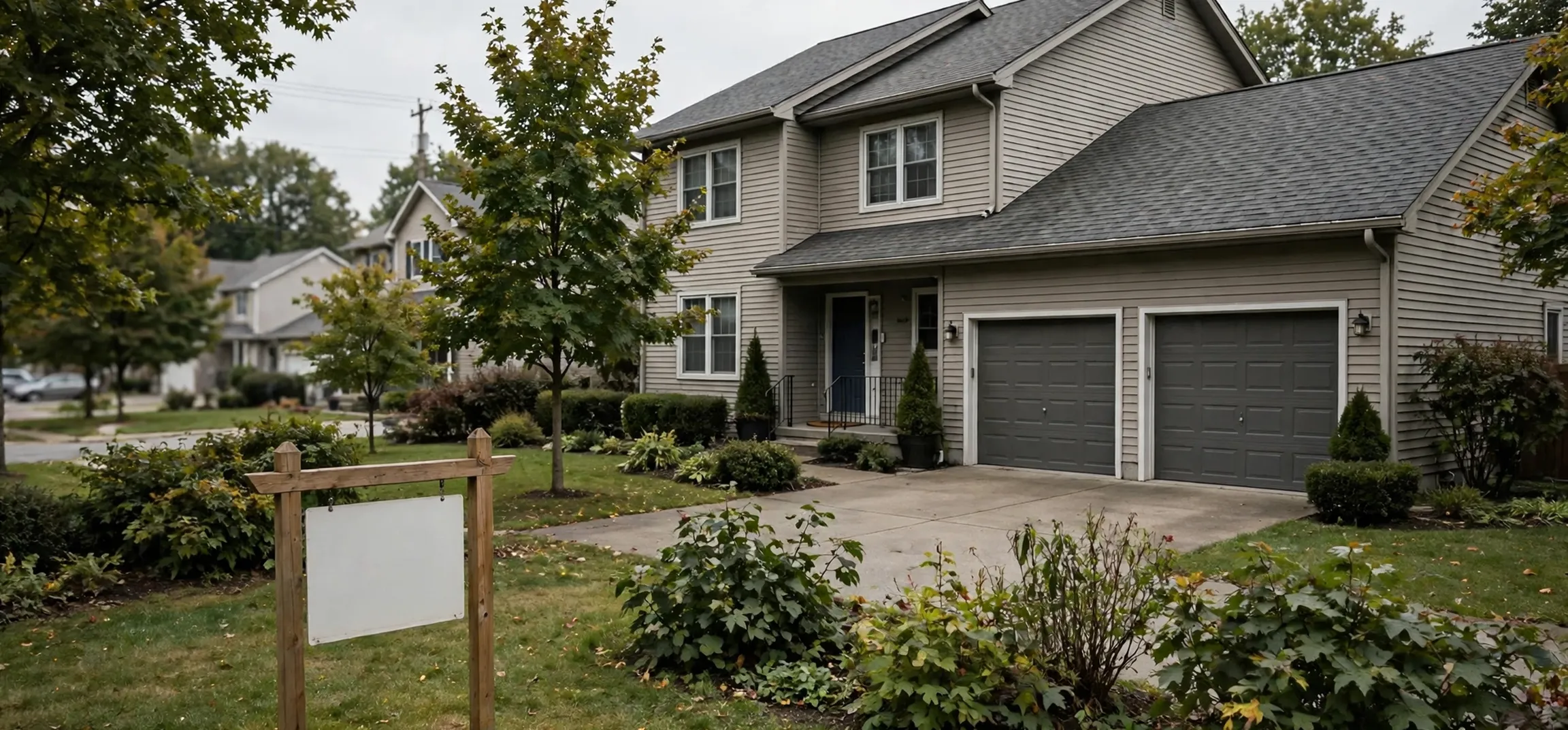
Homeowners reading letters from a lender often ask what is foreclose supposed to mean for their family and their home. The short answer is that foreclosure is the legal process a lender uses to take and sell a property when the borrower stops making the agreed mortgage payments. The loan was secured against the home, so the home itself becomes the way the lender recovers the money owed. This guide explains the meaning in plain language, the usual stages, and the choices people typically have along the way.
It helps to separate three ideas that are often mixed together. Missing a payment is a default, but it is not yet foreclosure. A formal notice from the lender signals that the process may begin, and only a court or a regulated sale process, depending on where you live, can actually transfer the property. Understanding what is foreclose processes really involve, step by step, removes much of the fear that comes from vague warnings. Rules differ by country and by state, so treat this as a general explanation and confirm local details with a housing adviser or solicitor.
What Is Foreclose in Simple Terms
When you borrow to buy a home, you sign two key promises: a loan agreement to repay the money, and a security document giving the lender rights over the property if repayments fail. Asking what is foreclose law really about is asking how those rights get enforced. After serious missed payments, the lender can start proceedings to end your ownership, sell the property, and use the sale money to clear the debt. Any remaining shortfall may still be owed in some places, while any surplus, after costs, may return to the borrower in others.
The word itself gives a clue. To foreclose originally meant to shut out or bar a claim, and in property law it refers to shutting out the borrower’s right to reclaim the home by paying what is owed. That right to catch up and keep the home is sometimes called the equity of redemption. So when people ask what is foreclose action in a letter or a headline, the honest answer is a legal remedy of last resort for the lender, not an instant eviction. It follows missed payments, notices and deadlines, each of which is a chance to respond.
Why Lenders Start Foreclosure
Lenders usually start the process for one straightforward reason: the loan has stopped being repaid and earlier attempts to fix the arrears have failed. From the lender’s side, a mortgage is money lent against an asset, and months of missed payments change the risk completely. Even so, most lenders treat foreclosure as expensive and slow, which is why they typically send reminders, offer payment plans and review hardship options first. Understanding what is foreclose decision-making looks like inside a lender helps borrowers see why early communication matters: a file with recent contact and a realistic plan is handled differently from a silent one.
Common triggers include job loss, illness, divorce, rising interest costs or a property bought with a very small deposit that falls in value. Fraud or abandoning the property can also trigger action. Notice what is missing from that list: a single late payment. One missed payment normally leads to fees and reminders, not proceedings. The process generally begins only after sustained arrears, often several months, and after formal demand letters. If you are approaching that point, the most valuable step is usually contacting the lender or a free debt charity before the file is passed to lawyers, while informal solutions are still on the table.
| Stage | What usually happens |
|---|---|
| Missed payments | Reminders, fees and contact attempts from the lender |
| Formal demand | A deadline to clear arrears or agree a plan |
| Claim or sale notice | Legal proceedings begin; rights to respond apply |
| Court or trustee review | Paperwork and hardship circumstances are checked |
| Sale and possession | Property is sold and the debt settled from proceeds |
The Stages of the Process
Although the exact sequence varies, most systems share the same broad stages. First comes default and demand: the lender notifies you of the arrears and gives a deadline to pay or agree a plan. Next, a formal claim or notice of sale is filed, which is the moment many people first ask what is foreclose proceedings mean in practice. Then there is a review stage, sometimes in court, where a judge or official checks the paperwork and may consider hardship evidence. Finally, if nothing resolves the debt, the property is sold, usually at auction or through an agent.
Two broad models exist. In judicial foreclosure, common in parts of the United States, the lender sues in court and a judge oversees the sale. In non-judicial foreclosure, the security document itself contains a sale power, and a trustee manages the sale after statutory notices. In the United Kingdom and similar systems, lenders usually need a court possession order before taking a home. Timelines range from a few months to well over a year. Throughout, the borrower normally keeps rights: to be notified, to challenge errors, to repay the arrears in many cases, and to remain in the home until the legal process completes.
What Is Foreclose for the Homeowner
The practical effects explain why the question what is foreclose matters so much to families. Losing the home is the obvious consequence, but the financial shadow lasts longer. A foreclosure record can damage a credit history for years, making future borrowing and sometimes renting harder. If the sale does not cover the debt, some jurisdictions allow the lender to pursue the shortfall. There can also be tax and moving-cost consequences. On the other hand, the process ending can also stop arrears growing, and some borrowers negotiate a managed sale or a deed transfer that limits the damage compared with a forced sale.
It is equally important to know what foreclosure is not. It is not a criminal matter, and you cannot be jailed for mortgage arrears. Bailiffs or sheriffs can only act after the proper orders exist, and lenders cannot simply change the locks while you lawfully occupy the home. If anyone suggests otherwise, get advice quickly, because that pressure is usually unlawful. Knowing precisely what is foreclose enforcement can and cannot do protects you from panic decisions, such as signing documents you do not understand or paying unregulated firms that promise secret loopholes. Free, regulated advice exists in most regions precisely for this situation.
Options That Can Stop or Soften It
Several established options exist, and lenders are often required to consider them. A repayment plan spreads arrears over future payments. Forbearance pauses or reduces payments for a short period after a temporary shock such as illness. Loan modification permanently changes terms, for example extending the loan or adjusting the rate. A short sale lets you sell for less than the debt with the lender’s written agreement, and a deed in lieu transfers the property voluntarily instead of through a forced sale. Which option fits depends on whether your income problem is temporary or permanent, and how much equity the home holds.
Bankruptcy or formal insolvency can pause proceedings in some systems and may form part of a wider reset, but it has serious consequences and needs regulated advice. Whatever route you explore, keep records of every call, letter and promise, and get agreements in writing. The single biggest pattern advisers report is people waiting too long because they hoped the problem would solve itself. Acting during the demand stage, before lawyers are involved, keeps the widest set of options open. If you take one lesson from asking what is foreclose processes involve, let it be that time and communication are the two assets you still control.
Frequently Asked Questions
What is foreclose action in one sentence? It is the lender’s legal process to sell a home after serious mortgage default. Anyone asking what is foreclose action means should remember it follows notices and deadlines, not a single late payment.
How long does foreclosure usually take? It varies widely by place and by how contested the case is, from a few months to more than a year. Court-based systems and hardship reviews usually take longer than trustee-sale systems.
Can foreclosure be stopped after it starts? Often, yes. Repaying the arrears, agreeing a plan, modifying the loan or selling with the lender’s consent can halt proceedings in many systems, especially before a sale date is set.
Does foreclosure clear all my debts? No. It deals with the mortgage secured on that property. If the sale leaves a shortfall, you may still owe it in some places, and unrelated debts are not affected at all.
Conclusion
Foreclosure is serious, but it is a process with stages, rights and off-ramps, not an overnight event. Talk to your lender early, take free regulated advice, and keep everything in writing. To keep reading around this topic, see our explainers on what foreclosure means, what it means when a house is foreclosed, and loan to value meaning for the equity side of the picture.



