The cost of tv ad time is one of the first questions any business asks before advertising on television, and the honest answer is that the cost of tv ad space varies enormously — from surprisingly affordable local spots to national prime-time placements that only major brands can justify. Two separate bills make up the total cost of tv ad campaigns: producing the commercial, and buying the airtime. This guide explains what drives each part, how pricing is usually structured, and how a smaller business can approach the cost of tv ad advertising without wasting money.
Television still reaches huge audiences at once, which is why advertisers keep paying for it. But the cost of tv ad placements is not a single price list; it is a market. Understanding the factors below will help you read any quote with confidence and compare television fairly against digital advertising.
The Two Parts of the Cost of TV Ad Campaigns
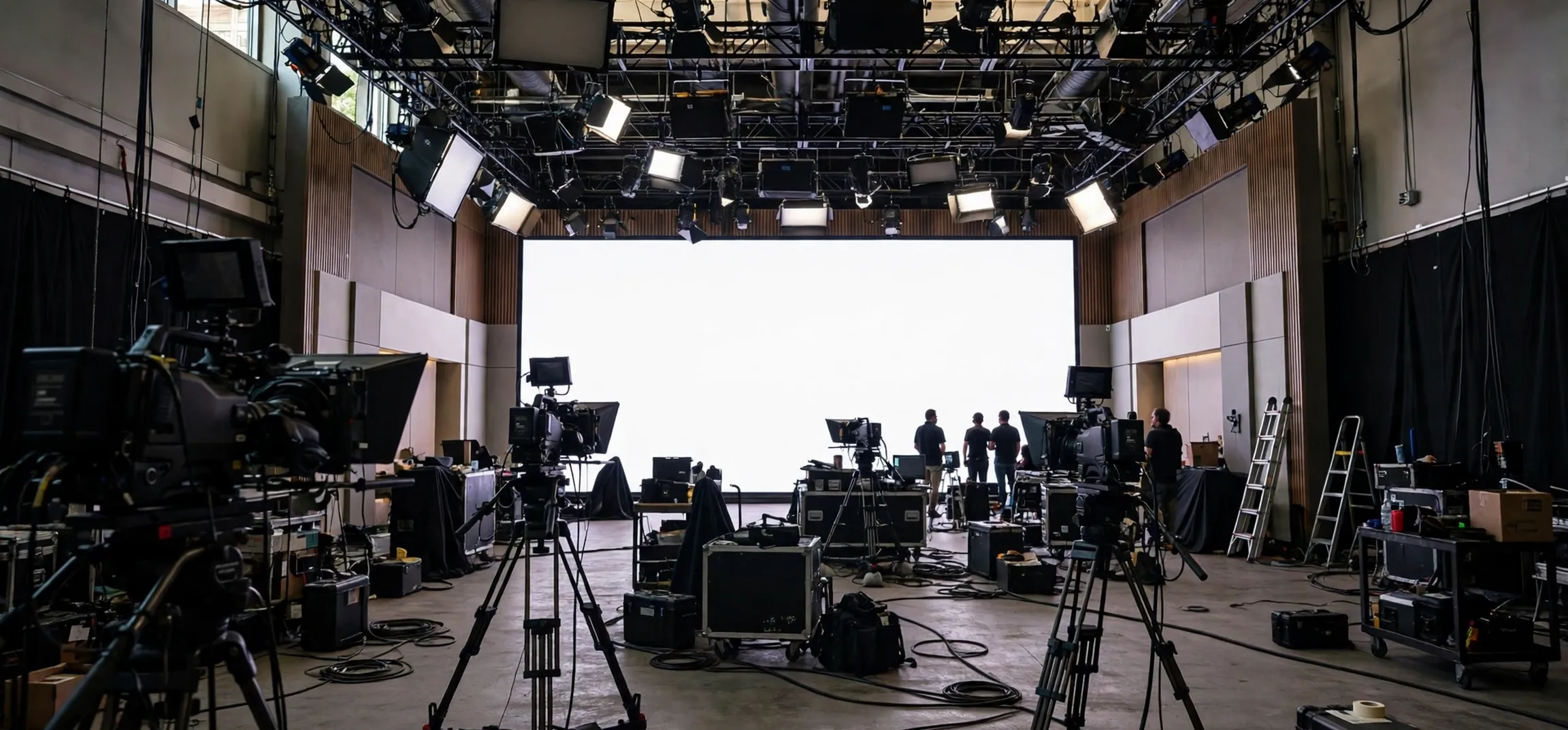
The first part of the cost of tv ad work is production: scripting, filming, actors, editing, music licensing and graphics. A simple local commercial shot in half a day typically costs far less than a polished national spot with locations, a large crew and post-production effects. Some stations and production companies offer basic production bundled with an airtime package, which can lower the entry cost of tv ad production for small businesses, although the creative quality is usually simpler.
The second part, usually the larger one, is media: paying the broadcaster or cable network to air your spot. Media cost of tv ad time is driven by how many viewers are expected to watch and how valuable those viewers are to advertisers. A thirty-second spot is the standard unit, with fifteen-second and sixty-second versions priced around it. When people ask about the cost of tv ad airtime, they are really asking about this media market, and it behaves like an auction for attention.
What Drives the Cost of TV Ad Airtime Up or Down
Audience size is the biggest factor in the cost of tv ad placements. Prime-time evening programmes draw the largest audiences, so they command the highest prices; daytime, late-night and early-morning slots cost much less. The market matters too: a spot in a major metropolitan area reaches more households and costs more than the same spot in a small regional market. This local-versus-national gap is why the cost of tv ad time can sound impossibly high in news stories yet be within reach for a local car dealer or furniture store.
| Factor | Pushes cost up | Pushes cost down |
|---|---|---|
| Time of day | Prime time | Late night, early morning |
| Market | Large metro areas | Small local markets |
| Programme | Live sport, hit shows | Reruns, niche channels |
| Season | Holiday retail period | Quiet summer weeks |
| Spot length | 60 seconds | 15 seconds |
Season and demand move the cost of tv ad space as well. Retail-heavy periods before major holidays are competitive, so prices rise; quieter weeks can be negotiated down. Live sport is a special case: audiences watch in real time and rarely skip, which keeps the cost of tv ad slots during major games at a premium. Finally, how you buy matters — booking early through an agency, buying in bulk, or accepting flexible placement (where the station chooses the exact slot) all change the final cost of tv ad campaigns.
How the Cost of TV Ad Time Is Usually Quoted
Broadcasters typically quote the cost of television advertising time using audience measures. The most common is cost per thousand viewers, often shortened to CPM: you pay a rate for every thousand people expected to see the spot. Ratings points, which express the percentage of households watching, are another traditional measure. For a buyer, the practical point is that the price of TV advertising exposure is tied to a forecast audience, and stations may offer make-goods (free extra spots) if a programme badly under-delivers, depending on the contract.
Connected TV and streaming services have added a second market alongside traditional broadcasting. Buying through streaming platforms can lower the effective cost of a TV spot entry because you can target by region and audience type and start with smaller budgets. The trade-off is a fragmented audience and different measurement. Many businesses now split their budget: broadcast for reach and local credibility, streaming for targeting — and they judge the blended cost of television advertising spending by the enquiries or sales it produces rather than by the rate card alone.
Budgeting for the Cost of TV Ad Advertising as a Small Business
Start with the goal, not the slot. If you need local awareness, a run of shorter spots in cheaper dayparts repeated over several weeks often beats one expensive prime-time showing, because frequency is what makes viewers remember you; the price of TV advertising repetition in off-peak slots is often where small budgets work hardest. Ask stations for packages, compare at least two broadcasters or a streaming platform, and keep production simple: a clear offer, your name said and shown early, and one call to action.
Track results separately so you can judge the true cost of a TV spot value. Use a dedicated phone number, a unique web page or a simple “how did you hear about us” question at checkout. If the cost of television advertising campaigns rises because a slot performs well, that is a good problem — scale what is proven. If a placement flops, the same tracking tells you to move the budget. Television rewards businesses that treat the price of TV advertising buying as a testable investment rather than a one-off gamble.
Reading a Quote: What Should Be Included
When a station or agency quotes you a figure, ask what sits behind it before you compare it with anything else. A professional quote should state the spot length, the stations or channels and dayparts included, the number of airings, the expected audience measure being used, and whether production, trafficking (delivering the finished ad to the station) and any added extras such as sponsorship billboards are inside the number or outside it. Vague bundles hide weak slots; a clear schedule lets you see exactly which hours your money is buying and lets you negotiate the mix — swapping a couple of low-value airings for one better placement, for instance.
Also ask about flexibility and make-goods in writing. Television audiences are forecasts, and honest sellers explain what happens if a programme is cancelled, a sports event overruns your slot, or ratings fall well short of the estimate. Contracts vary, but knowing the policy before you sign is the difference between a professional purchase and a hopeful one. If the seller cannot explain their audience numbers in plain language, treat that as information in itself and take your budget to someone who can.
Common Budgeting Mistakes to Avoid
The first mistake is buying reach without frequency: one showing of a brilliant ad in an expensive slot rarely changes buying behaviour, because viewers usually need to see a message several times before it registers. The second is spending the whole budget on airtime and nothing on making the ad clear — a confusing thirty seconds wastes every penny of the media buy behind it. The third is judging television by the standards of online advertising: TV builds memory and trust slowly rather than clicks instantly, so give a campaign a fair run of several weeks and judge it on enquiries, footfall and branded search interest, not on overnight sales alone.
A final mistake is forgetting the calendar. Prices and audiences both move with the seasons, school holidays and major sporting events, and a slot that is cheap in a quiet month may be the most contested inventory of the year in another. Businesses that plan their television around their own peak trading periods — and book before demand spikes — consistently get more audience for the same money than businesses that buy in a hurry. Television rewards planners; treat your first campaign as research as much as advertising, and each following one will be cheaper per result than the last.
Frequently Asked Questions
What is the average cost of a TV spot time? There is no single average worth trusting, because the cost of television advertising time depends on market size, time of day and programme. Local off-peak spots can be very affordable, while national prime-time spots sit at the top of the market.
Is production included in the price of TV advertising quotes? Usually not. Media quotes cover airtime only, although some local stations bundle basic production. Always ask what a quote includes before comparing TV spot packages.
Why does live sport raise the cost of television advertising slots? Because audiences watch live and pay attention, so advertisers compete for those slots. Anything with a large, engaged, real-time audience commands premium pricing.
Can a small business afford TV advertising? Yes, typically through local stations, cable channels or streaming TV, where the entry price of TV advertising campaigns is much lower than national broadcasting and targeting is tighter.
Conclusion
The cost of a TV spot advertising is a range, not a number: production plus airtime, shaped by audience size, timing, market and season. Learn the factors, compare broadcast with streaming options, and measure results properly, and the cost of television advertising campaigns becomes a manageable, testable part of your marketing rather than a mystery reserved for big brands.
To explore the newer side of television marketing, read our guide to connected TV advertising platforms, our explainer on the addressable advertising definition, and our piece about the DirecTV ad actor viewers keep recognising.