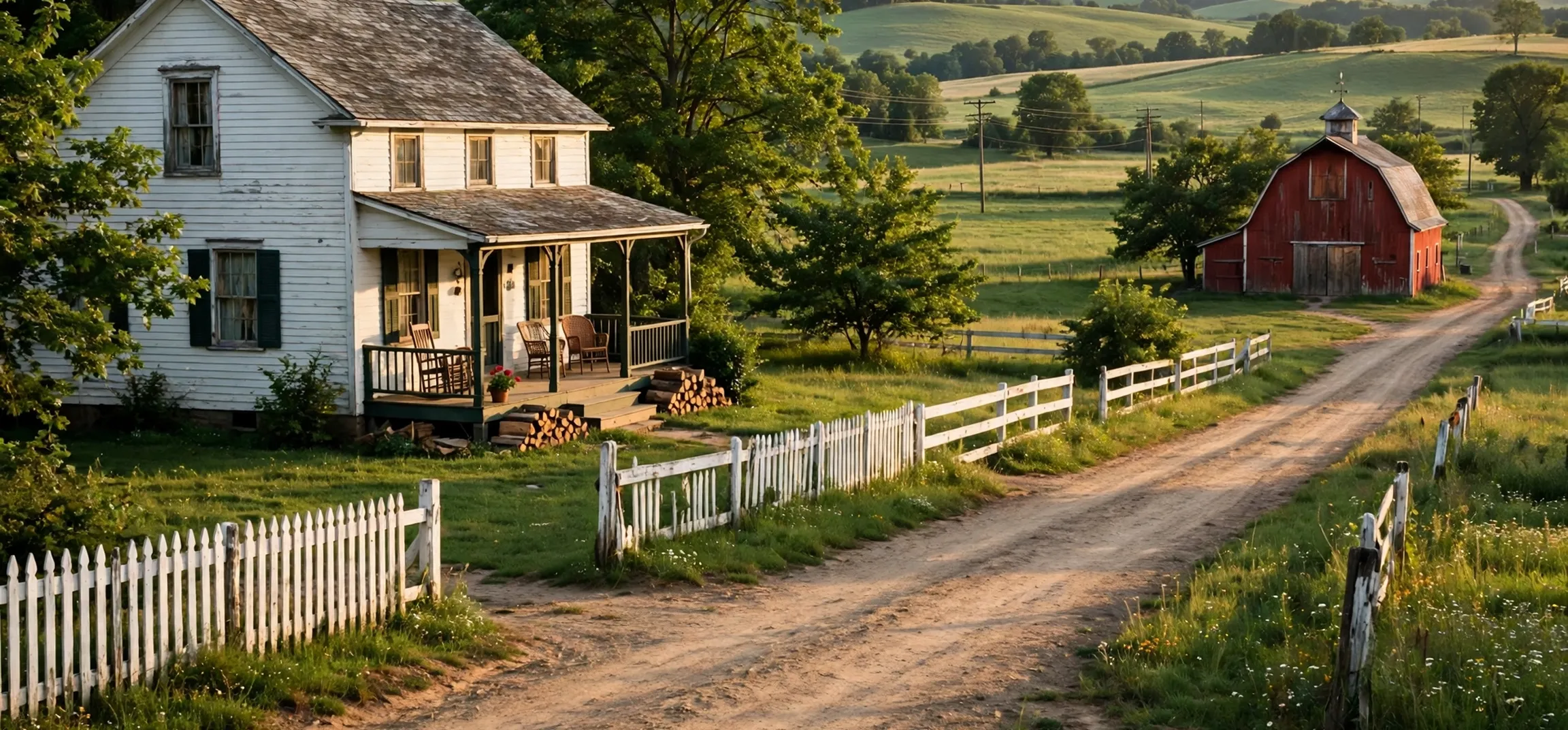
If you have ever wanted a green acres wiki style overview of the classic American sitcom, this is the place to start. Green Acres is the much-loved television comedy about a successful New York lawyer who gives up city comfort to become a farmer, dragging his glamorous, thoroughly urban wife along with him to a rundown farm in the fictional farming community of Hooterville.
The series was created by Jay Sommers, grew out of his earlier radio programme Granby’s Green Acres, and was produced within the same rural comedy family as Petticoat Junction and The Beverly Hillbillies. It ran on CBS in the United States from 1965 to 1971, across six seasons, and it has lived on ever since through reruns, home releases and a steady place in histories of classic television. Any green acres wiki entry has to explain not just what happened in the show, but why its gentle, surreal humour still feels distinctive.
What makes the premise work is a reversal of the usual fish-out-of-water story. In most rural comedies of the period, country people were the sensible ones and visitors were foolish, or the country folk were the joke. Green Acres flipped the formula: the newcomer, Oliver Douglas, is the only character who sees how absurd Hooterville is, while everyone around him, including his wife, treats the absurdity as perfectly normal life.
Green acres wiki overview: the premise
The story begins with Oliver Wendell Douglas, a Manhattan attorney who has long dreamed of leaving the city and working the land, in the spirit of the American farming tradition he loves to lecture about. He buys a farm near Hooterville, sight unseen, from the cheerfully dishonest salesman Mr Haney, and discovers that the farmhouse is a wreck, the land is unpromising, and almost nothing he was promised actually exists. A green acres wiki summary usually pauses here, because that first discovery sets up nearly every episode that follows.
Oliver’s wife Lisa, a Hungarian-born Manhattan socialite, never wanted to leave New York at all. She arrives in furs and jewels, keeps her city habits, cooks spectacularly badly, and yet, in one of the show’s running jokes, adapts to Hooterville far better than Oliver does. The locals accept Lisa instantly and regard Oliver, with his suits, speeches and big-city logic, as the strange one. That inversion powers the comedy: every week Oliver tries to farm properly and reason sensibly, and every week Hooterville calmly defeats him.
A comedy built on absurdity
Writers who contribute to any green acres wiki style reference tend to stress the same point: the show grew steadily more surreal as it went on. Running gags included a pig treated as a member of the family, a county agent who could never finish a sentence or a thought, shopkeepers who ran half the town’s services from one store, and conversations that circled back on themselves with dreamlike logic. Oliver’s exasperated reactions, often delivered straight to the audience’s point of view, made viewers his allies in a world that refused to make sense.
Typical episodes follow a simple pattern that the writers could stretch in any direction. Oliver announces a sensible farming project, such as repairing a fence, planting a crop properly or dealing with an official form. Mr Haney tries to sell him the wrong tool for the job, the county agent offers advice that evaporates as he gives it, Lisa solves a domestic problem in a way no cookbook would recognise, and the project ends with Oliver lecturing an audience that has already wandered off. The predictability is part of the pleasure, because the jokes live in the details rather than in surprise endings.
Green acres wiki guide to the cast and characters
The cast was led by Eddie Albert as Oliver Douglas and Eva Gabor as Lisa Douglas, a pairing whose warmth and comic timing carried the series. Around them, the show built one of the strongest supporting ensembles in sitcom history, and a green acres wiki cast list is long because Hooterville itself was effectively a character.
| Character | Played by | Role in Hooterville |
|---|---|---|
| Oliver Wendell Douglas | Eddie Albert | New York lawyer turned would-be farmer, the voice of frustrated reason |
| Lisa Douglas | Eva Gabor | His glamorous wife, a city socialite who adapts better than he does |
| Mr Haney | Pat Buttram | The fast-talking salesman who sold Oliver the farm and keeps selling him junk |
| Eb Dawson | Tom Lester | The Douglases’ cheerful young farmhand |
| Sam Drucker | Frank Cady | Storekeeper who also fills many other local roles |
| Hank Kimball | Alvy Moore | The county agricultural agent whose advice dissolves into confusion |
| Fred and Doris Ziffel | Hank Patterson and Barbara Pepper, later Fran Ryan | Neighbouring farmers whose pig, Arnold, is raised like a son |
| Arnold the pig | Played by a trained pig | The Ziffels’ beloved Arnold, treated by locals as a bright child |
Arnold deserves his own mention in every green acres wiki, because the pig became one of the most famous animal characters on television. Within the fiction, Arnold watches television, goes to school, understands conversation, and is indulged by everyone except Oliver, who cannot accept that a farm animal is being treated as a person. The joke captures the whole series in miniature.
Hooterville and the shared rural universe
Hooterville was not unique to Green Acres. The same fictional community anchored Petticoat Junction, and characters crossed between the two programmes, with Sam Drucker appearing in both. The wider family of rural comedies associated with producer Paul Henning, including The Beverly Hillbillies, shared writers, performers and an affectionate, if increasingly surreal, view of country life. A green acres wiki account of Hooterville usually notes that the town’s exact state was never firmly pinned down, which suited a place governed by its own logic.
That shared universe mattered because it made Hooterville feel lived in. The Douglas farm sat in a community with a store, a hotel at the Shady Rest in the sister show, a local newspaper, a telephone operator, and an endless supply of neighbours, officials and travelling salesmen, each with a fresh way to misunderstand Oliver. Rather than a simple city-versus-country joke repeated weekly, the setting let the writers build a complete comic world whose rules only Hooterville understood.
The run, the cancellation and the legacy
Green Acres performed well for CBS for most of its run and remained popular when it ended in 1971. Its cancellation is generally explained as part of the network’s wider decision at the start of the 1970s to clear away its rural comedies in favour of more urban, contemporary programming, a shift often nicknamed the rural purge. Shows with loyal audiences disappeared together, and Green Acres went with them, a fact every green acres wiki records because the programme had not simply faded away on its own.
The programme also had an unusual afterlife in syndication, where chopped-up afternoon reruns turned it into comfort viewing for viewers who had been children during the original broadcasts. Because most episodes stand alone, new viewers can start almost anywhere, meet the whole town within half an hour, and understand the running jokes without needing a long backstory. That accessibility has helped the series survive changes in taste that buried many of its contemporaries.
The legacy proved larger than the original run. The memorable theme song, performed by Albert and Gabor over shots contrasting city and country life, remains one of the best-known sitcom themes of its era. Reruns introduced the show to new generations, the cast reunited in a television reunion film many years later, and critics have increasingly praised the series as cleverer and stranger than its hayseed image suggests. Modern green acres wiki pages and classic television histories alike now treat it as a high point of the 1960s sitcom, not merely a companion piece to its sister shows.
Frequently asked questions
When did Green Acres run on television? The series ran on CBS in the United States from 1965 to 1971, over six seasons. It was cancelled as part of the network’s broader move away from rural comedies at the start of the 1970s, rather than because its audience had disappeared.
Who played Oliver and Lisa Douglas? Eddie Albert played Oliver Wendell Douglas, the lawyer determined to farm, and Eva Gabor played his wife Lisa, the Manhattan socialite who never wanted to leave the city. Their contrasting styles, his earnest frustration and her cheerful impracticality, are at the centre of almost every episode a green acres wiki summarises.
Is Hooterville a real place? No. Hooterville is a fictional farming community created for television, shared with the sitcom Petticoat Junction. Its location was deliberately left vague, and its population of eccentric, warm-hearted characters was built up across both series.
Why is Arnold the pig so famous? Arnold, the Ziffel family’s pig, was written and treated as if he were a gifted child: he attended school, watched television and was doted on by the whole town. The running joke, and Oliver’s disbelief, became one of the show’s signature ideas and a favourite entry in any green acres wiki or classic television roundup.
Conclusion
Green Acres endures because its simple premise, a city lawyer farming in a town that runs on nonsense, turned out to be a perfect machine for comedy. With Eddie Albert and Eva Gabor at the centre, a deep bench of character actors around them, and writing that grew bolder and stranger over six seasons, the show earned the detailed attention that every green acres wiki now gives it.
Whether you come to it for the theme song, for Arnold the pig, or for Oliver’s weekly defeat at the hands of Hooterville logic, the series rewards a fresh look. Treat this green acres wiki style guide as your map, then watch the episodes themselves: few 1960s sitcoms are as warm, as odd, or as quietly clever as this one.
For more classic television reading, browse our guide to 1960s western TV shows, meet another famous sixties cast in the Bewitched TV show cast, and visit a gentler sitcom household in Family Affair.