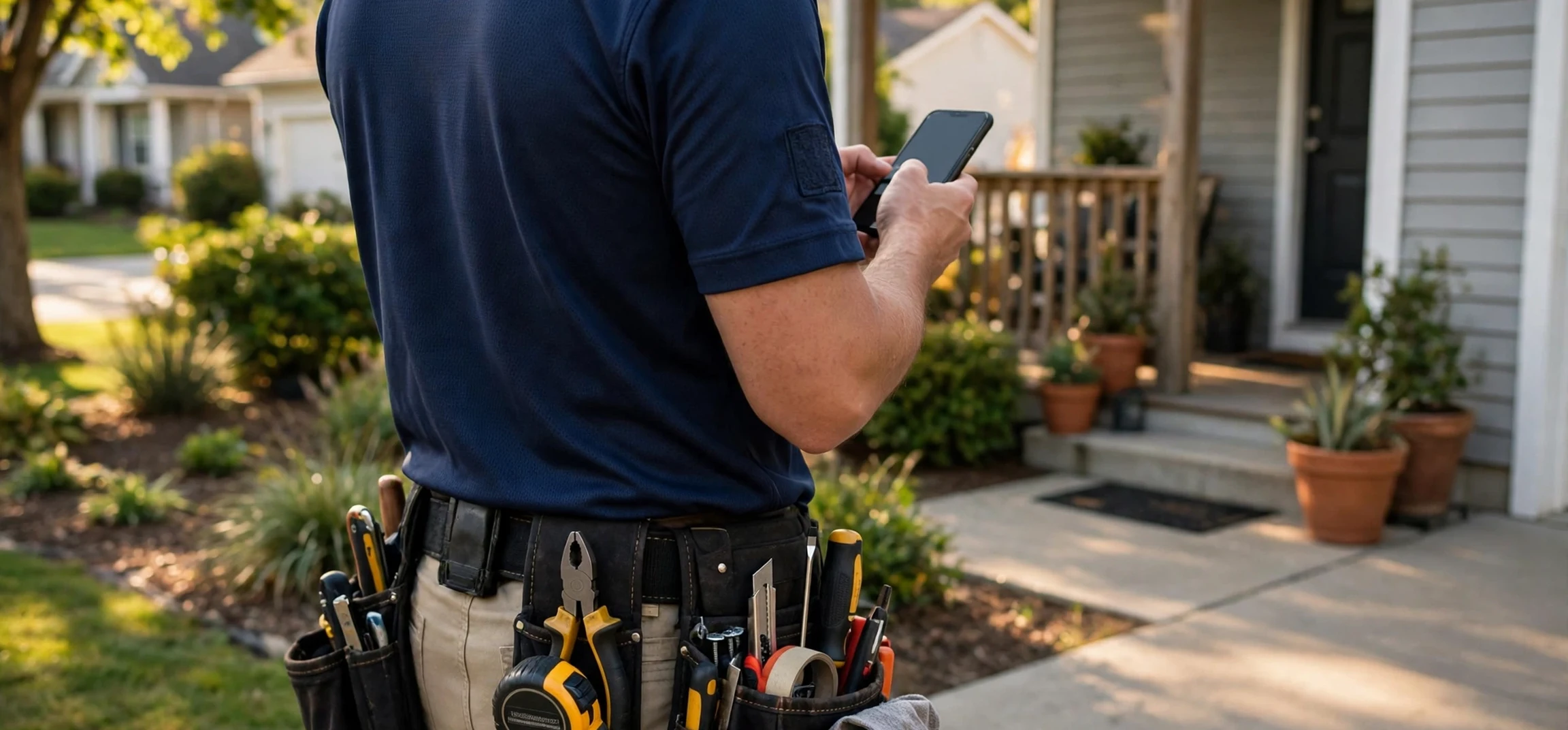
Homeowner Solution Pros Text Message Daily Trends describes a simple shift in how home service businesses talk to their customers. Instead of relying only on phone calls and emails, many plumbers, electricians, roofers, cleaners, and repair teams now use short, clear text messages for bookings, reminders, arrival updates, and follow-ups. This guide explains the daily trends behind that shift, what works well, what to avoid, and how homeowners can get better service from a business that texts well.
If you are a homeowner, you have probably received a text that says your technician is on the way, your appointment is confirmed, or your quote is ready. If you run a home service business, you have probably noticed that customers reply faster to texts than to emails. Both sides benefit when texting is done with care, clear timing, and respect for privacy. This article looks at the trends in plain language, with practical examples and tips for both homeowners and service pros.
What Are Homeowner Solution Pros?
Homeowner solution pros are the professionals homeowners call when something needs fixing, installing, cleaning, or improving. That group includes plumbers, electricians, heating and cooling technicians, roofers, painters, pest control teams, lawn care providers, handymen, and home cleaning services. Their work is often urgent, scheduled, or both: a leaking pipe cannot wait, and a kitchen remodel needs careful planning.
For these businesses, communication is part of the service. A customer who does not know when the technician will arrive, how much the job will cost, or what happens next will feel anxious, even if the repair itself is excellent. Text messages fill that gap. They are short, fast, and easy to check on a phone, and they create a written record that both sides can refer back to later.
The daily trend is not about sending more messages. It is about sending the right message at the right time. A confirmation the day before, a reminder on the morning of the visit, an arrival update when the technician is nearby, and a short follow-up after the job are usually enough. Businesses that follow that rhythm get fewer missed appointments, fewer phone calls asking “where are you,” and happier customers.
Daily Text Message Trends for Home Services
One clear trend is morning reminders. Many businesses now send a reminder between early morning and mid-morning on the day of the visit, with the time window, the technician name, and a simple way to confirm or reschedule. This single message reduces no-shows, because customers can reply in seconds instead of calling back during work hours.
A second trend is live arrival updates. Instead of a wide four-hour window with no news, customers now get a text when the technician is on the way, often with an estimated arrival time. That update helps homeowners plan their day, arrange access to the home, and keep pets or children safe during the visit. It also reduces the number of “are you coming today” calls to the office.
A third trend is photo and quote messages. After an inspection, a technician can send photos of the problem, a short written explanation, and a clear quote by text or through a linked message. Homeowners can review the details at their own pace, share them with a partner or family member, and approve the work without another visit. This trend works best when the message is clear about price, scope, and next steps.
Short Messages Beat Long Messages
Daily data from service businesses shows a simple pattern: short messages get faster replies. A message with one purpose, one time, and one action is easy to act on. A long message with five questions, three links, and a paragraph of terms is easy to ignore. The best practice is one message, one job: confirm the booking, share the arrival time, or ask for a review, but not all three at once.
Two-Way Texting Is Growing
Another trend is two-way texting, where customers can reply to the business number instead of receiving one-way alerts. Homeowners can ask a quick question, send a photo of a leak, or reschedule by replying “can we move to Thursday.” Businesses that allow replies save time, because they do not need a separate phone call for every small change. The key is to reply promptly during business hours and to set clear expectations after hours.
What Homeowners Want From Service Texts
Homeowners want clarity first. They want to know who is coming, when they will arrive, what the visit will cover, and what it will cost. A good text answers those questions in the first few lines, without jargon. For example, a strong message says the technician name, the arrival window, the job type, and how to reschedule. A weak message only says “your appointment is tomorrow” with no time or detail.
Homeowners also want control. They want an easy way to confirm, reschedule, or cancel without a long phone queue. They want to opt out of marketing messages while still receiving service messages about their own booking. And they want their personal details handled with care. A business should never share a home address, access code, or personal detail in a message that is not needed, and it should never send service details to the wrong number.
Finally, homeowners want a record. After the job, a short summary text with what was done, any parts used, warranty notes, and the final amount helps the homeowner keep track for future repairs, insurance, or resale. That record is one reason texting beats a verbal update that is easy to forget once the technician leaves.
Best Times, Frequency, and Etiquette
Timing matters as much as content. Most customers prefer service texts during normal daytime hours, not late at night or very early in the morning, unless there is an emergency such as a burst pipe or a power failure. A booking confirmation can be sent soon after booking, a reminder the day before, and an arrival update on the day. After the job, one follow-up within a day or two is usually enough, with a review request included only if the job went well.
Frequency is where many businesses go wrong. Daily marketing texts quickly feel like spam, even from a business the homeowner likes. Service messages about a real booking are welcome, but daily promotions are not. A good rule is to send service texts for real appointments, and marketing texts rarely, only to customers who have clearly agreed to receive them, and always with a simple way to stop them.
| Message type | When to send it | What to include |
|---|---|---|
| Booking confirmation | Right after booking | Date, time window, job type, how to reschedule |
| Day-before reminder | Afternoon before the visit | Time window, technician name, preparation steps |
| On-the-way update | When technician departs | Estimated arrival, technician name, contact option |
| Quote or approval | After inspection | Problem summary, price, scope, approval step |
| Job summary | Within one day after the job | Work done, parts, warranty, final amount |
| Review request | One to two days later | Short thanks, single review step, no pressure |
Pros and Cons for Home Service Businesses
The benefits are clear. Text reminders reduce missed appointments, arrival updates reduce phone calls, and written quotes reduce misunderstandings about price. Texting also creates a record that protects both sides if there is a dispute about what was agreed. For small teams, texting can replace many routine calls, freeing staff to handle real problems instead of repeating the same booking details.
There are also risks to manage. Texting the wrong number, sending messages too often, or sharing sensitive details by text can damage trust quickly. Businesses must keep customer numbers accurate, get permission before sending marketing texts, and train staff to keep messages professional and factual. A text is a business record, so casual jokes, guesses about price, or promises that cannot be kept should never appear in a message.
Another risk is relying on text alone for urgent or complex jobs. A burst pipe, a gas smell, or a safety issue still needs a phone call, not a text that might sit unread. Smart businesses use text for routine updates and phone calls for emergencies, complex explanations, and anything where a fast, clear answer matters more than a written record.
Tips for Homeowners Using Text Messages
Save the Business Number and Check Details
When you book a service, save the business number in your phone so you recognise its messages. Read each message fully and check the date, time window, and job type. If anything looks wrong, reply promptly or call the business to correct it before the visit day. A quick correction saves a wasted trip for everyone.
Share Only What Is Needed
Use text to share practical details, such as access instructions or a photo of the problem, but avoid sending sensitive personal information by text unless the business has a secure method for it. If a message asks for payment details or a password by text, treat it with caution and contact the business through a known number to verify it. Genuine service businesses will not ask for passwords by text message.
Reply Clearly and Keep the Thread
Reply with clear, short answers, such as “Confirmed for Tuesday morning” or “Please move to Thursday.” Keep the message thread until the job is complete, so you have the booking, quote, and summary in one place. If you need to refer back to a warranty or a price later, that thread is often the fastest proof of what was agreed.
Frequently Asked Questions About Homeowner Text Message Trends
Are text reminders better than phone calls?
For routine reminders, yes for most customers, because texts are faster to read and reply to. For emergencies or complex jobs, a phone call is still better, because it allows an immediate two-way conversation.
How many texts should a service business send?
Usually four to six service messages per job are enough: confirmation, reminder, arrival update, quote if needed, job summary, and one follow-up. Marketing texts should be rare and only sent with clear permission.
Can I reschedule by text?
Many businesses now allow it, and a short reply is often enough. If you do not get a confirmation reply within business hours, follow up with a phone call to make sure the change was recorded.
Is it safe to approve a quote by text?
It can be, if the quote is clear about price and scope and comes from a known business number. Read the full quote, ask questions before approving, and keep the message thread as your record.
Conclusion
Homeowner solution pros are texting more, but the daily trend that matters most is not volume, it is quality. Short, timely, and clear messages — a confirmation, a reminder, an arrival update, and a job summary — help homeowners plan their day and help businesses run on time. When both sides use text wisely, keep personal details safe, and switch to a phone call for urgent or complex issues, texting becomes a genuinely helpful part of good home service, not just another notification.
For more everyday guides on technology, tools, and home topics, see Ploomes Org guides, TechNewsTop Org technology news, and Text Chunk Breaker for ChatGPT. Next time you book a home service, notice the texts you receive: the best businesses will tell you who is coming, when, what it will cost, and what happens next, in plain language, every time.



