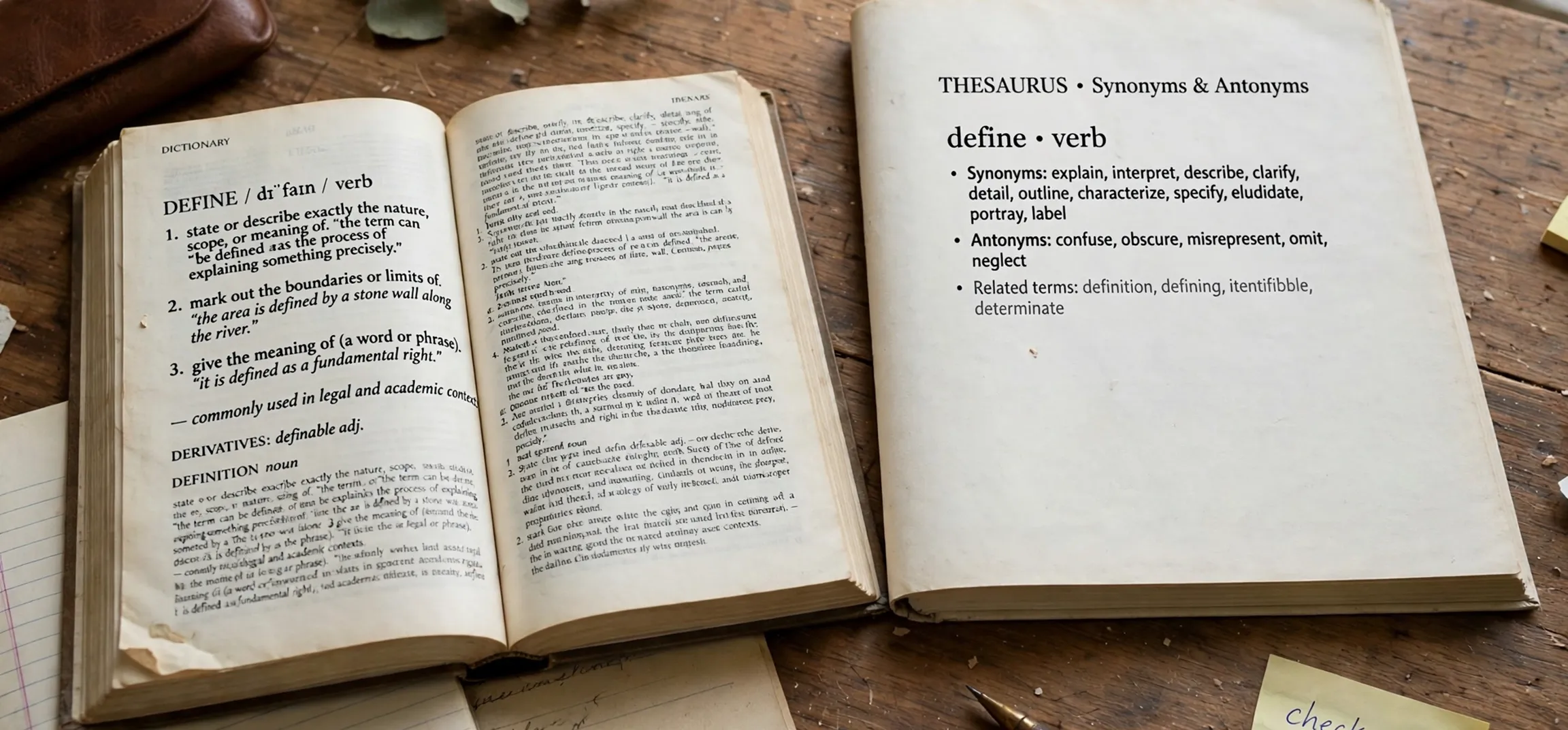
The meaning of aliases in english is a topic that confuses many learners, because the word “alias” appears in writing, computing and everyday life with slightly different shades. The meaning of aliases in english, at its simplest, is “other names”: an alias is a name used instead of, or in addition to, a person’s real name. The plural, aliases, covers pen names, stage names, usernames and any alternative identity a person or thing goes by. This guide explains the word, its grammar, its uses in writing and computing, and its legal and practical implications.
Meaning of Aliases in English: The Core Definition
The meaning of aliases in english starts with the singular alias, borrowed from Latin, where it meant “at another time” or “otherwise”. In English it came to mean “otherwise called”, and from there, “another name”. A writer who publishes under a pen name uses an alias. A performer who acts under a stage name uses an alias. A person with a username on a forum uses an alias, whether or not they intend to hide their identity.
The plural follows the normal English rule: add “-es” to a word ending in “s”, giving aliases, pronounced AY-lee-uh-siz. A common mistake is to write “alias’s” as a plural, or to use “alias” as a plural itself. Remember: one alias, two aliases, and the possessive of the plural is “aliases'”. Keeping those forms straight is the first step to using the word confidently.
Aliases in Writing and Performance
Writers have used aliases for centuries, for reasons ranging from privacy to marketing. A Victorian woman writing as a man, a modern author writing in two genres under different names, and a poet using a pen name to separate personal and professional life are all using aliases. Stage names work the same way: a performer may choose a name that is easier to pronounce, more memorable, or better suited to an image than their birth name.
Aliases in writing raise questions about honesty. A pen name is not usually considered deception, because readers understand that authors may write under chosen names, and publishers record the legal identity behind the pen name. Problems arise only when an alias is used to mislead readers about qualifications, identity or authorship, for example by impersonating a real expert. The distinction is intent: a pen name that creates a public identity is accepted, while an alias that pretends to be someone else is not.
Famous Types of Aliases
Pen names, or noms de plume, are the best-known literary aliases. Stage names cover actors, singers and comedians. Ring names cover wrestlers and boxers. Usernames and handles cover online life, where an alias may be playful, anonymous or professional. Each type follows its own conventions, but all share the core idea: a chosen name used in a particular context instead of a legal name.
Aliases in Computing
In computing, the meaning of aliases in english extends to alternative labels for files, commands and addresses. An email alias is an alternative address that delivers to the same inbox, useful for separating work, personal and newsletter mail without managing several accounts. A command alias is a shortcut that lets a user type a short command instead of a long one. A domain alias points one web address to another site. In each case, the alias is a convenient alternative name for the same underlying thing.
Computing aliases are practical rather than secretive. They simplify systems, reduce typing errors and let organisations present a tidy public address while routing mail internally. They differ from personal aliases in that they are usually documented and managed by administrators, not hidden. If you set up an email alias, keep a note of where it delivers, because forgotten aliases can become a source of missed messages.
Legal and Practical Implications of Aliases
Using an alias is generally legal, provided it is not used to deceive, defraud or evade the law. You may publish, perform and trade under a chosen name, but contracts, tax and legal proceedings usually require your legal name as well. Banks, employers and government agencies will ask for legal identity documents, and using an alias alone on those documents can cause refusal or legal trouble.
Online, aliases protect privacy, and many people reasonably prefer not to use their legal name on public forums. That privacy is legitimate, but it comes with responsibility: an alias does not remove accountability for what you post, and platforms and courts can link an alias to its owner when necessary. The safest approach is to treat an alias as a public identity in its own right, and to behave under it as you would under your own name.
| Type of alias | Example | Purpose |
|---|---|---|
| Pen name | Author writing under another name | Privacy, genre separation |
| Stage name | Performer using a chosen name | Memorability, image |
| Username | Forum or social handle | Privacy, identity online |
| Email alias | Alternative address, same inbox | Organisation, spam control |
| Command alias | Shortcut for a long command | Speed, convenience |
Grammar and Usage Tips
Alias is a noun, and it can also be used as a modifier, as in “alias email” or “alias account”. The verb form is rare; people usually say “use an alias” or “go by an alias” rather than “aliasing”. In formal writing, introduce an alias with “also known as” or “alias” in parentheses: “Elena Ruiz, alias Elena Rios, published the story.” In police and legal contexts, “alias” often appears in lists of known alternative names, which is why the word sometimes carries a criminal flavour it does not deserve in ordinary use.
For more word definitions, see what simultaneously means, the meaning of Bildungsroman and the meaning of goad.
Meaning of Aliases in English: Frequently Asked Questions
What is the plural of alias?
Aliases, pronounced AY-lee-uh-siz. One alias, two aliases.
Is using an alias legal?
Generally yes, as long as it is not used to deceive, defraud or evade legal obligations. Legal documents usually require your legal name as well.
What is the difference between an alias and a pen name?
A pen name is a specific kind of alias used by writers. Alias is the general term covering pen names, stage names, usernames and computing shortcuts.
What is an email alias?
An alternative email address that delivers to the same inbox, used to organise mail or to protect a primary address from spam.
What does a.k.a. mean?
Also known as. It introduces an alias, as in “John Smith, a.k.a. Johnny S.”
The History of Aliases
The meaning of aliases in english has a long history that explains why the word feels both literary and legal. In medieval England, “alias” appeared in legal documents as “otherwise called”, introducing alternative names for a person in court records. That legal use survives in police reports and court filings, where a person may be listed with several aliases. From law, the word spread to literature, where authors adopted pen names, and then to theatre, where performers adopted stage names. Each new use kept the core idea: another name for the same person.
The digital age added the newest layer. Usernames, handles and email aliases turned a word once associated with writers and court records into an everyday part of online life. Today, most people manage several aliases without thinking about it: a work email, a personal email, a gaming handle and a social profile may all belong to one person. That everyday use has softened the word’s old associations, though legal and police contexts still give it a formal edge.
Choosing a Good Alias
A good alias is memorable, easy to spell, and appropriate to its context. Writers choose pen names that suit their genre: a thriller author may want something punchy, while a literary author may want something elegant. Performers choose stage names that are easy for audiences and casting directors to remember. Online, a good username is distinctive enough to be available, simple enough to share verbally, and free of unintended meanings in other languages or contexts.
Before settling on an alias, check that it is not already strongly associated with someone else, especially in the same field, because confusion can cause problems later. Check availability on the platforms you plan to use, and consider whether the alias will still suit you in ten years. A joke name that delights at twenty may embarrass at forty, and changing a well-known alias costs the recognition you built under it.
Aliases and Online Safety
Using aliases wisely is part of online safety. A distinct username for each service limits the damage if one account is compromised, and an email alias for newsletters keeps your primary inbox cleaner and less exposed to spam. Avoid reusing the same alias and password everywhere, because a breach in one place then exposes the others. A password manager helps here, storing distinct credentials for each alias without relying on memory.
Conclusion
The meaning of aliases in english is simply “other names”: chosen names used instead of, or alongside, a legal name in writing, performance, online life and computing. From pen names to email aliases, the word covers a wide range of practical and creative uses, all sharing the idea of an alternative label for the same person or thing. Used honestly, an alias is a useful tool for privacy, creativity and organisation, and understanding its forms helps you read, write and navigate the modern world with confidence.