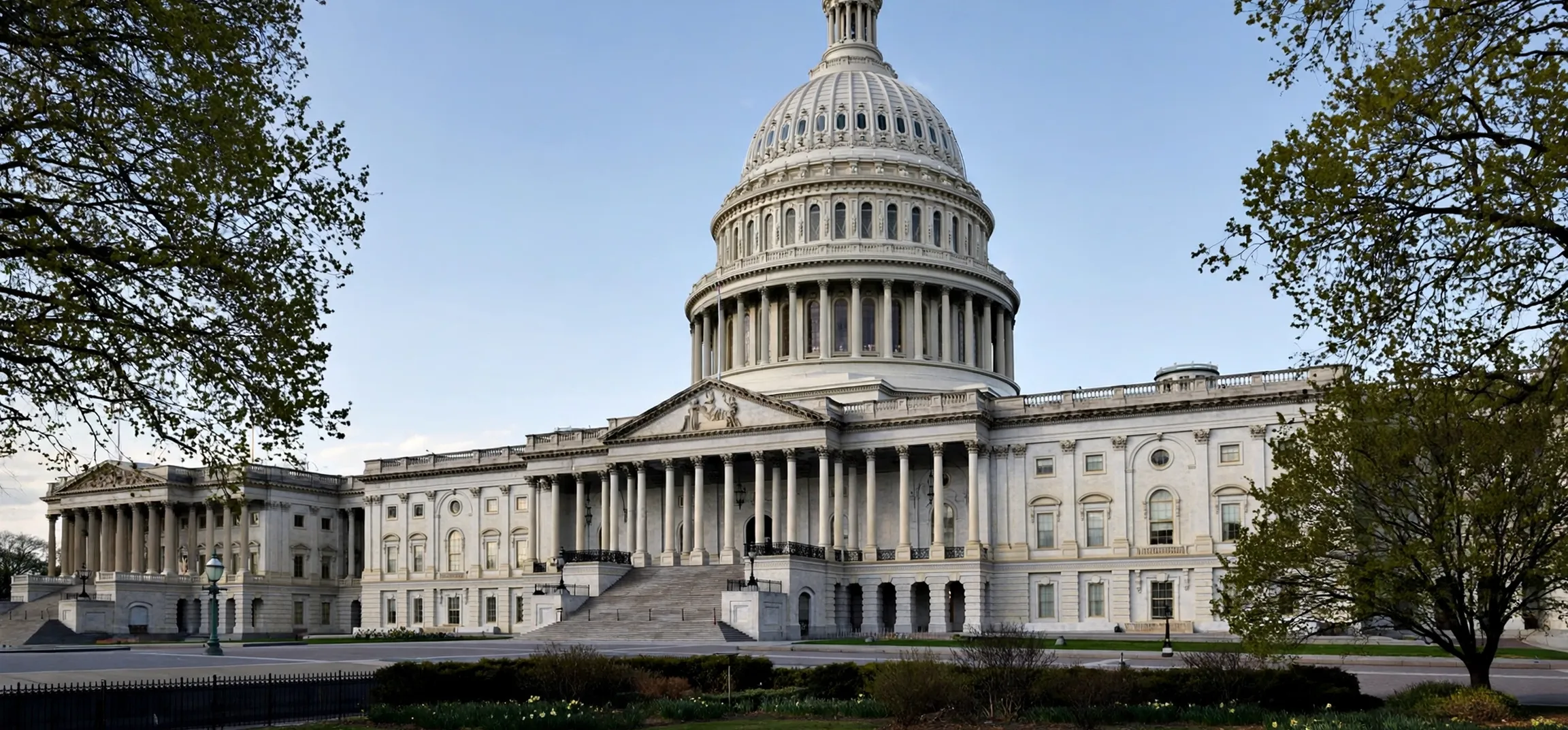
Headlines sometimes warn that a country is “insolvent”, and the phrase sounds alarming. But what does it actually mean when people ask about US insolvent meaning? In plain terms, insolvency means being unable to pay debts when they fall due, or owing more than you own. Applied to the United States, the question becomes more complex, because a government that borrows in its own currency works very differently from a household or a company. This guide explains insolvency in general, what it would mean for a country, and why the United States is a special case.
This article is educational only. It explains concepts and public debate; it is not financial advice, and it makes no prediction about any country’s finances. Readers interested in personal or business finance should consult qualified professionals for advice suited to their situation.
US Insolvent Meaning: What Does Insolvent Mean?
Insolvency is a financial condition, not a legal punishment. A person, company, or organisation is insolvent when it cannot pay its debts as they become due, or when its total liabilities exceed its total assets. The two tests are related but distinct:
- Cash-flow insolvency: the organisation cannot pay bills on time, even if it owns valuable assets, because it lacks available cash.
- Balance-sheet insolvency: the organisation’s debts are greater than the value of everything it owns, so even selling everything would not cover what it owes.
For companies, insolvency often leads to formal procedures such as administration or bankruptcy, where creditors are paid as far as possible and the business is restructured or wound up. For individuals, similar procedures exist, with names varying by country. In all cases, the core idea is the same: debts cannot be met from available resources.
It is important to distinguish insolvency from illiquidity. An illiquid organisation may own plenty of assets but cannot sell them quickly enough to pay an urgent bill. Illiquidity can often be solved by borrowing or selling assets. Insolvency is more fundamental: even given time, the debts exceed the resources. This distinction matters greatly when discussing countries.
Can a Country Be Insolvent?
Countries can and do experience debt crises, but the concept of national insolvency works differently from company insolvency. A company that cannot pay its debts can be wound up and its assets sold. A country cannot be wound up. It continues to exist, to collect taxes, and to provide services, even while restructuring its debts.
When a country cannot meet its debt payments, the usual term is default, or debt restructuring, rather than insolvency in the corporate sense. The country negotiates with creditors, sometimes with help from international institutions, to extend payment dates, reduce interest, or, in rarer cases, reduce the amount owed. Citizens feel the effects through austerity measures, inflation, currency changes, or reduced public services, but the country itself does not cease to exist.
History offers many examples of sovereign debt crises, from Latin America in the 1980s to Greece in the 2010s. In each case, the country continued to function while its debts were restructured. The process was painful, but it was not the same as a company going bankrupt and closing its doors.
US Insolvent Meaning: Why the United States Is Different
When people discuss the US insolvent meaning, they usually refer to one of two things: the size of the United States national debt, or the recurring debates about the debt ceiling. Both deserve careful explanation.
The United States national debt is very large in absolute terms, running into tens of trillions of dollars. Critics sometimes point to this figure and argue that the country owes more than it can ever repay. Supporters of a calmer view point out that the relevant measure is not the absolute figure but the debt relative to the size of the economy, and the cost of servicing that debt relative to government revenue. On those measures, the picture is more nuanced, and economists disagree about how much debt is sustainable.
More importantly, the United States borrows in its own currency, the dollar, which it issues itself. This is a crucial difference from countries that borrow in a foreign currency. A government that borrows in its own currency cannot be forced into default in the same way a company can, because it can always issue more currency to meet payments, though doing so may cause inflation. This does not mean borrowing is unlimited or cost-free; inflation and interest rates impose real constraints. But it does mean that the simple company analogy, “owes more than it owns, therefore insolvent”, does not transfer neatly to the United States.
The debt ceiling adds another layer of confusion. The debt ceiling is a legal limit, set by Congress, on how much the federal government may borrow. When borrowing approaches the ceiling, the government cannot issue new debt until the ceiling is raised, even though it has bills to pay. This can create a cash-flow crisis that looks like insolvency, but it is a self-imposed legal constraint, not a lack of economic resources. Historically, the ceiling has been raised whenever necessary, though the political debates surrounding it can be tense.
Debt, Deficit, and Sustainability
Much confusion about the US insolvent meaning comes from mixing up related terms. The deficit is the annual gap between government spending and revenue in a single year. The debt is the accumulated total of all past deficits, minus any surpluses. A country can run deficits for many years while its debt remains sustainable, provided the economy grows and borrowing costs stay manageable.
| Term | What it means | Why it matters |
|---|---|---|
| Deficit | Spending exceeds revenue in one year | Adds to the debt each year it occurs |
| Debt | Total accumulated borrowing | Must be serviced with interest payments |
| Debt-to-GDP ratio | Debt compared with the size of the economy | Shows whether debt is growing faster than the economy |
| Debt servicing cost | Interest payments on the debt | Shows how much revenue goes to lenders |
Economists assess sustainability by asking whether debt is growing faster than the economy, and whether interest payments are crowding out other spending. If debt grows faster than the economy indefinitely, it eventually becomes unsustainable. If it grows more slowly, or stays stable relative to the economy, it can be sustained for a long time. These are judgements about trends, not simple yes-or-no tests, which is why economists disagree.
What Would Happen If the US Could Not Pay?
A genuine failure by the United States to meet its debt payments would be a major global event, because US government bonds are treated as among the safest assets in the world and are held by banks, pension funds, and central banks everywhere. Such a failure would likely cause sharp market disruption, higher borrowing costs, and economic damage well beyond the United States.
That said, most economists regard a genuine, permanent inability to pay as very unlikely for the United States, precisely because it borrows in its own currency and has a large, productive economy. The more realistic risks are political, such as a debt-ceiling standoff causing a temporary payment delay, or economic, such as rising interest costs squeezing other spending. These are serious, but they are different from insolvency in the corporate sense.
For readers trying to follow this debate, the key habit is to ask what a commentator means by “insolvent”. Do they mean the debt is large? That interest costs are rising? That a political deadline is approaching? Each of these is a different claim, with different evidence and different implications. The word “insolvent” on its own hides those distinctions. For a related guide to financial vocabulary, see our article on what deductible means in car insurance, where precise definitions matter just as much.
How to Follow the Debate Sensibly
Public debate about US debt is often heated, and it helps to have a few ground rules. First, check whether a claim is about the level of debt, the rate of change, or the cost of servicing it; these are different things. Second, look for the source of any figure, and whether it comes from an official body such as the Treasury or the Congressional Budget Office, which publish detailed data. Third, be wary of claims that compare a country’s debt directly with a household’s debt; the analogy is misleading, because households cannot issue currency, collect taxes, or live indefinitely.
Finally, remember that sustainability is a judgement about the future, not a fact about the present. Two honest economists can look at the same figures and disagree about whether current borrowing is sustainable, because they make different assumptions about growth, interest rates, and policy. That disagreement is normal, and it is a reason to read widely rather than accepting any single dramatic claim.
Frequently Asked Questions
Is the United States insolvent?
There is no official finding that the United States is insolvent, and the term does not apply to a sovereign government in the same way it applies to a company. The US continues to meet its debt payments, and debate focuses on whether current borrowing levels are sustainable in the long term.
What is the difference between insolvency and default?
Insolvency is a condition of being unable to pay debts. Default is the event of failing to make a payment when due. A country can face a payment crisis without being “insolvent” in the corporate sense, and a temporary default can be resolved without the country ceasing to function.
Does the national debt have to be repaid in full?
Governments rarely repay their entire debt. Instead, they refinance it, issuing new bonds to replace old ones as they mature, while managing the total relative to the economy. What matters is whether the debt remains serviceable, not whether it is ever reduced to zero.
What is the debt ceiling?
The debt ceiling is a legal limit on federal borrowing, set by Congress. When borrowing reaches the ceiling, new borrowing is blocked until Congress raises it. It is a political and legal mechanism, not an economic measure of ability to pay.
For related reading, see our guide to what liability coverage means.
Conclusion
The US insolvent meaning is less straightforward than headlines suggest. Insolvency, in its ordinary sense, means being unable to pay debts from available resources. For a company, that is a clear test. For the United States, a government that borrows in its own currency, collects taxes, and commands a huge economy, the test does not apply in the same way. What the debate is really about is sustainability: whether current borrowing, relative to economic growth and interest costs, can continue without harming the economy. Understanding that distinction is the key to following one of the most important financial debates of our time with a clear head.



