Every season of Fargo opens with a familiar claim: this is a true story. Viewers who search for the fargo tv show real story usually want to know whether that claim is true, which events it refers to, and how much of what they are watching really happened. The honest answer is more interesting than a simple yes or no. Fargo is a work of fiction, presented in the style of a true-crime story, and its famous opening claim is itself part of the fiction. Understanding that distinction is the key to enjoying the series for what it is: a brilliantly crafted crime drama that borrows the feeling of reality without being a documentary.
The confusion is understandable, because Fargo works hard to feel real. Its characters speak in regional accents, its settings look like ordinary small towns in the American Midwest, and its violence is sudden, clumsy, and unglamorous rather than cinematic. The stories unfold slowly, with ordinary people making small decisions that spiral into disaster. That realism is a deliberate artistic choice, and it is one of the reasons the series has been so widely praised. But realism in tone is not the same as accuracy in fact.
Fargo TV Show Real Story: What the Opening Claim Means
The “true story” claim began with the original Fargo film of 1996, written and directed by Joel and Ethan Coen. The film opens with the words “This is a true story”, and for years many viewers took that statement at face value. The Coen brothers later made clear that the story was invented, and that the claim was a storytelling device rather than a factual statement. It was designed to make the audience watch differently, with the uneasy attention we give to events we believe really happened.
The television series, created by Noah Hawley and first broadcast in 2014, adopted the same device. Each season opens with a variation of the claim, and each season tells a self-contained, fictional story set in the same broad world as the film. The names have been changed, the events are invented, and the disclaimer at the end of episodes, noting that the story is fictional, confirms what careful viewers suspect: Fargo is fiction wearing the clothes of fact.
Why keep a claim that is not literally true? Because it serves the drama. When viewers believe, even briefly, that events might have happened, they pay closer attention to moral choices, to consequences, and to the ordinariness of the people involved. The claim also pays homage to a long tradition of crime storytelling, from true-crime books to docudramas, in which the boundary between fact and invention is deliberately blurred for effect. Fargo is unusually open about that game, and part of its pleasure lies in recognising it.
Fargo TV Show Real Story: Where the Fiction Comes From
Although the plots are invented, Fargo draws on real cultural material. Its setting, the upper Midwest of the United States, with its small towns, harsh winters, and distinctive speech patterns, is rendered with affectionate accuracy. The series borrows the atmosphere of the region, its manners, its understatement, and its dark humour, and uses those authentic textures to ground invented characters. That grounding is why the fiction feels so convincing.
The series also draws on the traditions of American crime fiction: the ordinary person drawn into crime, the relentless investigator, the professional criminal whose plans unravel, and the collision between decency and greed. These are archetypes rather than real individuals, and the writers recombine them in new ways each season. Some seasons nod to the film’s characters or locations, and later seasons connect to earlier ones through shared families, places, or events, but those connections are internal to the fictional world, not evidence of a real case file.
It is important to distinguish inspiration from adaptation. A story can be inspired by a general atmosphere, by a genre, or by a writer’s interest in how ordinary people behave under pressure, without being based on a specific real event. Fargo sits firmly in that category. There is no single real case that a season retells, and viewers who try to match a season to a specific crime will find that the details do not line up, because they were never meant to.
Why Viewers Believe Fargo Is Real
Several features of the series encourage belief. The first is the opening claim itself, which is stated plainly and without irony on screen. The second is the naturalistic style: handheld camerawork, long takes, and performances that avoid theatricality. The third is the focus on mundane detail, such as paperwork, weather, and everyday conversation, which mirrors the texture of real life more closely than most crime dramas. Together, these choices create a documentary feeling even though the content is scripted.
Search engines and social media amplify the confusion. Clips, summaries, and discussion threads often repeat the “true story” claim without the context that it is fictional, and articles that explain the truth can be buried beneath sensational headlines. That is why a direct question, such as whether Fargo is based on a true story, remains one of the most common searches about the series years after it began. The persistence of the question is itself a tribute to how effective the device is.
There is also a psychological factor. Human beings are drawn to stories that claim to be true, because true stories feel more urgent and more instructive. A fictional crime can be dismissed as entertainment; a real crime demands a moral response. By claiming truth, Fargo borrows that urgency, and viewers respond with a seriousness they might not bring to a more openly fictional drama. The series earns that seriousness through the quality of its writing, but it is worth remembering where the urgency comes from.
Each Season: A New Fictional World
One of Fargo’s strengths is its anthology structure. Each season introduces new characters, a new time period, and a new crime, while keeping the same tone, setting, and moral concerns. Some seasons are set in the recent past, others in earlier decades, and the period detail, from costumes to music to technology, is carefully researched. That research adds to the feeling of authenticity, but it serves fiction, not history. A well-researched costume does not make a character real.
The anthology format also allows the series to explore different kinds of crime story: a small-town insurance salesman drawn into murder, a family feud between criminal organisations, a pair of siblings caught in a rivalry, a criminal empire under pressure, and other variations. Each story stands alone, so new viewers can start with any season, although watching in order reveals connections and recurring themes. The consistency of quality across seasons, despite the changing casts, is one reason the series has maintained its reputation.
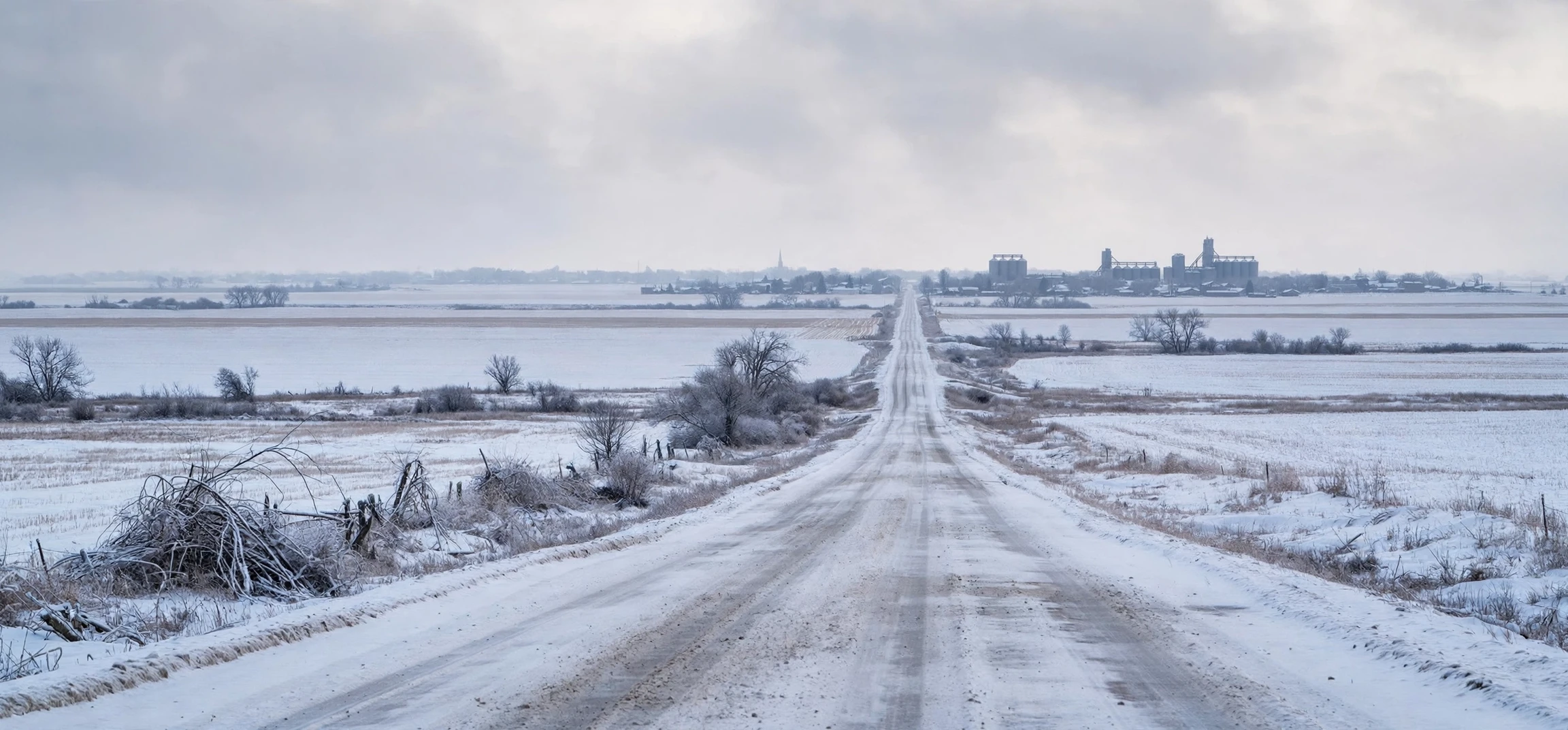
Critics have often praised Fargo for its writing, its performances, and its visual style, including its use of the Midwestern landscape. Snow, empty roads, and quiet towns become characters in their own right, and the contrast between that stillness and sudden violence gives the series its distinctive tension. Those achievements belong to the writers, directors, and actors who created a fictional world, not to a real investigation.
| Claim or feature | What it really is |
|---|---|
| “This is a true story” opening | A fictional storytelling device, begun with the 1996 film |
| Midwestern setting and accents | Authentic regional texture applied to invented characters |
| Ordinary people in extraordinary crime | A crime-fiction archetype, not a specific real case |
| Connections between seasons | Internal links within the fictional world |
| End-of-episode disclaimer | Confirmation that the story is fictional |
How to Enjoy Fargo Without Being Misled
Knowing that Fargo is fictional does not spoil it; in most cases, it improves the viewing experience. Once you understand the game, you can appreciate how skilfully the writers create the feeling of reality, and you can focus on what the series is actually about: moral choice, chance, greed, decency, and the consequences of small decisions. Those themes are real and important, even when the characters who embody them are invented.
If you want to learn about real crime in the Midwest, or about real criminal cases generally, there are excellent documentaries, books, and journalism that deal with verified facts. Fargo can spark an interest in those subjects, but it should not be treated as a source about them. Keeping fiction and documentary separate protects you from repeating false claims and helps you appreciate each form on its own terms.
Frequently Asked Questions
Is Fargo based on a true story?
No. Despite its famous opening claim, Fargo is fictional. The film’s creators later confirmed the story was invented, and the television series continues the same fictional framing. The claim is a storytelling device, not a factual statement.
Are any Fargo characters real people?
No. The characters are invented, although they are written with realistic regional detail and draw on familiar crime-fiction archetypes. Any resemblance to real individuals is part of the fictional world, not a portrait of a specific person.
Why does Fargo say it is a true story?
The claim makes viewers watch with the attention and moral seriousness we give to real events, and it honours a tradition of true-crime storytelling. It is an artistic choice that enhances the drama, and the series itself acknowledges its fictional nature in its closing disclaimers.
Where should I start with Fargo?
Most viewers start with the first season, which establishes the tone and the world, but each season is self-contained, so you can begin with whichever season appeals to you most. Check your regional streaming service for current availability.
Conclusion
The fargo tv show real story is, in the end, a story about storytelling itself. Fargo claims to be true in order to make its fiction feel more urgent, more moral, and more memorable, and it succeeds so well that viewers are still asking the question years later. The truth is simpler and, in its own way, more impressive: a team of writers, actors, and directors invented a world so convincing that millions of people believed it might be real. Enjoy Fargo for what it is, a masterful work of fictional crime drama, and leave the true-crime record to documentaries and journalism. For more viewing guides, see our Looper parents guide, our Black Doves parents guide, and our guide to the cast of the TV show The Mentalist.



