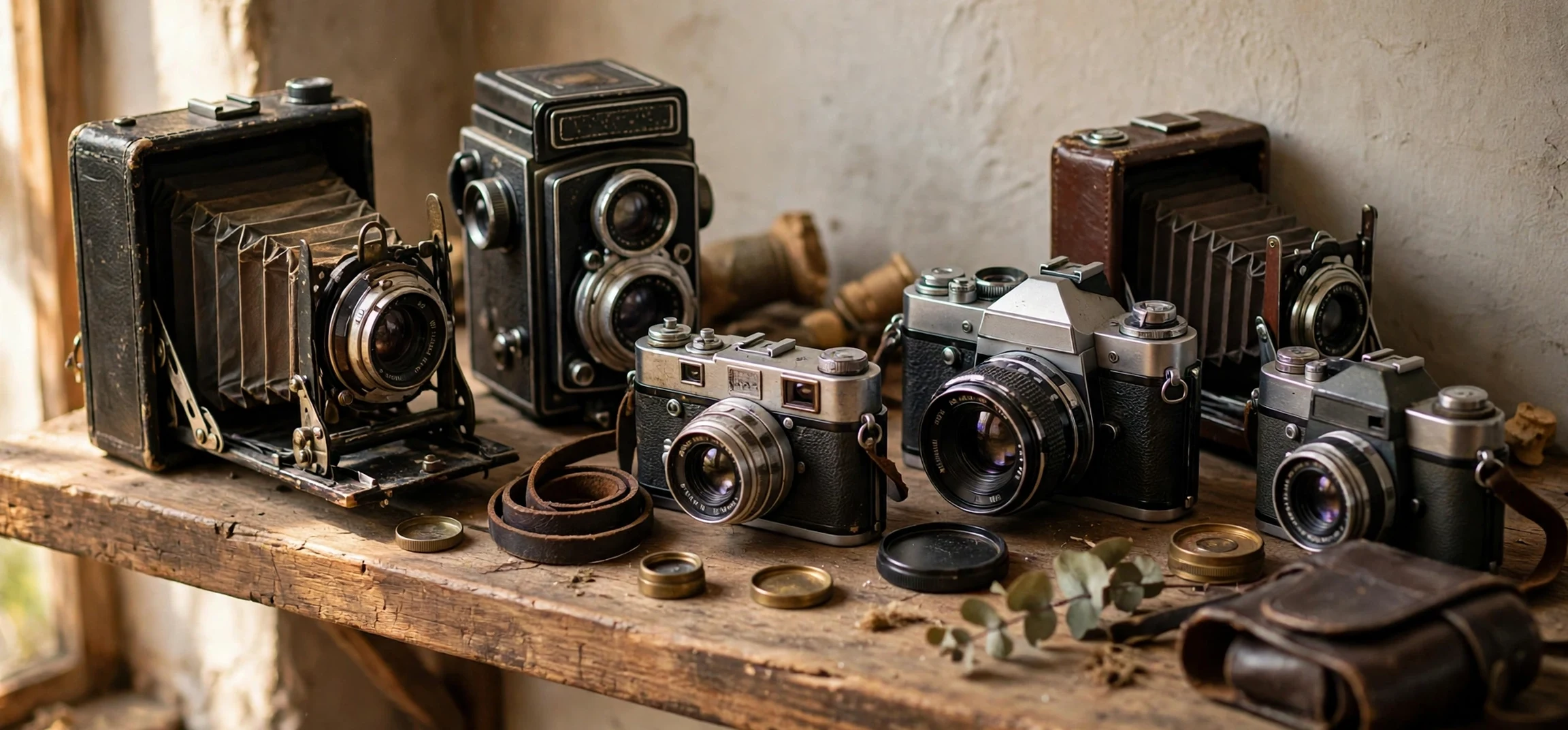
A cartoon photographer nostalgia trip is a joyful idea: take a camera, walk through familiar places, and look at the world the way a cartoon once taught you to see it. Bright colours, exaggerated shapes, funny expressions, and small everyday adventures all feel larger when you view them through a nostalgic lens. This guide is about that trip in the best sense: how to plan a photo walk inspired by cartoons you loved, how to capture playful pictures without expensive equipment, and how to turn the results into a keepsake that brings back happy memories.
Nostalgia is powerful because it connects pictures to feelings. A photo of a park bench may be ordinary on its own, but if that bench reminds you of a cartoon picnic, a childhood walk, or a Saturday morning show, the picture carries a story. A cartoon photographer does not try to copy a cartoon exactly. Instead, they borrow its spirit: curiosity, humour, bold colour, and a willingness to look closely at small things. A puddle becomes a lake, a staircase becomes a mountain, a cat on a wall becomes a character with a secret plan. That way of seeing makes photography fun again, especially for beginners.
Table of Contents
- What Is Cartoon Photography
- Planning Your Nostalgia Trip
- Photo Walk Ideas and Subjects
- Techniques for a Cartoon Feel
- Editing, Printing, and Sharing Safely
- Making It a Family Trip
- Frequently Asked Questions
- Conclusion
What Is Cartoon Photography
Cartoon photography is a style, not a single filter. It uses bold colour, clear shapes, strong contrast, and playful composition to make a real photo feel animated. Sometimes photographers achieve this with editing: simplifying colours, strengthening outlines, or boosting saturation. Sometimes they achieve it in camera, by choosing a low angle, a bright background, or a subject with a strong silhouette. Often, the best results combine both: a thoughtful photo first, and gentle editing afterwards to emphasise what was already there.
It is important to understand that cartoon photography is about style, not about turning real people into cartoon characters without their consent, or copying a copyrighted character. You can be inspired by the general look of classic cartoons: rounded shapes, expressive faces, colourful skies, and cheerful settings, without reproducing a protected character or logo. Your own photos, your own captions, and your own creative choices are what make the work yours. That distinction keeps the hobby fun, original, and respectful of other creators.
Why Nostalgia Makes Photos Better
Nostalgia gives a photo walk a theme, and a theme gives you a reason to keep looking. Instead of wandering aimlessly, you might ask: What would a cartoon hero notice here? Where would a cartoon picnic happen? Which corner looks like a secret meeting place? Those questions turn an ordinary street into a small adventure. They also help you notice details you might otherwise miss: a colourful door, a patterned wall, a market stall, a dog waiting patiently, or a tree that looks like it is waving.
Nostalgia also helps with storytelling. A set of ten photos from one walk can tell a mini-story if you plan a beginning, a middle, and an end. Start with a wide establishing shot of the place. Add close-ups of interesting details. Finish with a photo that feels like a happy ending: a sunset, a shared snack, a quiet bench, or a view back towards home. When you arrange the photos in that order, even simple pictures feel like a journey, and viewers enjoy following along.
Planning Your Nostalgia Trip
A good nostalgia trip starts with a place that means something to you. It could be your childhood neighbourhood, a park you visited as a student, a market you love, a seaside promenade, or a quiet village street. Choose a place you can walk comfortably, with safe pavements, shade, water, and places to rest. Check the weather, charge your phone or camera, and carry a small bag with water, a snack, and a cloth to clean the lens. Comfort matters: a relaxed photographer notices more than a tired one.
Think about timing as well. Early morning light is soft and golden, and streets are often quieter. Late afternoon light is warm and long, and shadows become part of the picture. Midday light is bright and bold, which can suit a cartoon style, but it can also create harsh shadows on faces, so look for shade or photograph buildings and objects rather than people in direct sun. If you are visiting a busy place, weekdays are usually calmer than weekends, which gives you more time to compose a shot without rushing.
A Simple Kit List
You do not need professional gear. A phone camera is enough for most cartoon-style photos, especially if you learn to use its basic controls. If you have a camera, bring one lens you know well, rather than several you rarely use. A small tripod or a stable surface can help for group photos or low-light scenes, but it is optional. The most important kit is not equipment at all: it is patience, curiosity, and a willingness to take many photos and keep only the best few. Digital photography makes that easy, because you can review, delete, and try again without cost.
Before you leave, set a gentle goal. For example, aim for five strong photos rather than two hundred rushed ones. A small goal keeps the walk enjoyable and stops you from staring at a screen all day. You can also set a theme for each walk: colours, doors, animals, markets, or shadows. A theme gives focus, and it makes the final collection feel coherent when you look back at it later.
Photo Walk Ideas and Subjects
Start with colour. Look for walls painted in bright shades, market stalls full of fruit, flower beds, painted shutters, or a row of bicycles. Photograph one strong colour at a time, and let it fill the frame. Colour alone can give a photo a cartoon feel, because cartoons often use simple, bold palettes rather than muted, complicated ones. A single red door against a white wall, for example, is often more striking than a busy street full of competing colours.
Next, look for shapes and characters in everyday objects. A round window, a curved staircase, a tall chimney, a friendly shop sign, or a cat sitting like a statue can all become characters in your photo story. Try photographing from a low angle to make a small object look grand, or from above to make a pattern of streets, tiles, or market goods look like a map. Changing your height by just a metre can transform an ordinary scene into something playful and surprising.
People, Pets, and Permission
People and pets can add warmth to a nostalgia trip, but always photograph with respect. Ask permission before taking a close photo of a stranger, especially a child, and accept a no gracefully. If you are photographing friends or family, tell them the theme of the walk, so they can relax and enjoy it rather than feeling posed. Candid photos often work best: a laugh, a shared ice cream, a hand pointing at something interesting, or a pet looking curiously at the camera. Those moments feel cartoon-like because they are genuine and expressive.
When photographing in public places, follow local rules and signs. Some museums, markets, or private properties restrict photography, and some events ask visitors not to use flash. Respecting those rules keeps the trip pleasant for everyone, and it often leads to better photos, because you focus on the places where photography is welcome. If a location is not suitable, move on: the next street may hold an even better picture.
Techniques for a Cartoon Feel
Composition is the first technique to learn. The rule of thirds is a simple starting point: imagine your frame divided into nine equal parts, and place your main subject near one of the crossing points rather than always in the centre. This creates a more dynamic picture, with space for the story around the subject. Leading lines, such as a path, a fence, or a row of trees, can guide the viewer’s eye towards the subject, just as a cartoon background guides the eye towards the hero.
Light is the second technique. Side light creates gentle shadows that give objects shape, while backlight can create a glowing outline around a subject. Overcast light is soft and even, which is excellent for colours and faces, because it avoids harsh shadows. Experiment with the same subject in different light, and compare the results at home. You will quickly learn which light suits your style, and you will start to recognise good light during a walk without thinking about it.
| Technique | How to try it | Cartoon effect |
|---|---|---|
| Low angle | Kneel and photograph upwards | Small subjects look heroic and grand |
| Bold colour | Fill the frame with one strong colour | Simple, cheerful palette like animation |
| Close detail | Photograph one object closely | Everyday things become characters |
| Story sequence | Arrange photos as beginning, middle, end | A walk becomes a mini adventure |
Movement can also add cartoon energy. A photo of a child jumping, a dog running, a flag waving, or a cyclist passing can feel lively if you time the shot well. Use your camera’s burst mode sparingly for action, and then choose the sharpest, most expressive frame. Too many similar action shots can dilute a collection, so keep only the one or two that truly capture the moment. A single joyful action photo often says more than twenty almost identical ones.
Editing, Printing, and Sharing Safely
Editing should enhance a good photo, not rescue a poor one. Start with small adjustments: straighten the horizon, crop out distractions at the edges, adjust brightness slightly, and boost colour only until it looks cheerful rather than artificial. Many free and built-in photo apps offer cartoon or poster-style filters, and these can be fun, but use them lightly. A strong filter applied to every photo can make a collection look repetitive, while a gentle, consistent style across a set looks more professional and more nostalgic.
When you share photos online, think about privacy. Avoid sharing photos that reveal a private home address, a car number plate, a child’s school, or other personal details in the background. Check the background before posting, and crop or blur sensitive details if needed. If a photo includes other people, especially children, ask the people involved or their guardians before sharing it publicly. Sharing within a private family album is different from posting publicly, and it is often the safer choice for personal memories.
Printing is a wonderful way to complete a nostalgia trip. Choose your five or ten best photos, print them at a local shop or through a trusted online service, and arrange them in an album, on a wall, or in a simple frame. A printed collection feels more lasting than a phone gallery, and it makes a thoughtful gift. Add short handwritten captions: where the photo was taken, what it reminded you of, and who was with you. Years later, those captions will be as valuable as the pictures themselves.
For more inspiration on exploring online guides, creative projects, and safe sharing habits, see our related posts on ploomes org, technewstop org, and best streams tv fan made. Each covers a different kind of creative or community project, but the same principles apply: start with a clear idea, respect other people, and share your work thoughtfully.
Making It a Family Trip
A cartoon photographer nostalgia trip works beautifully as a family activity, because children naturally see the world in a cartoon way. Give each child a simple task: find the brightest door, photograph something round, or capture a funny shadow. Let them lead part of the walk, and praise their discoveries. Children often notice details adults miss, such as a tiny flower in a wall, a painted stone, or a shop window display. Their photos may be imperfect technically, but they are often full of imagination, which is exactly the point.
For older family members, a nostalgia trip can be a chance to revisit memories and share stories. Ask a parent or grandparent about a place you are visiting: What did it look like years ago? What cartoons did they watch? What games did they play nearby? Those conversations turn a photo walk into oral history, and they give younger photographers a deeper understanding of why a place matters. Record a short voice note or write down a story after the walk, so the memories are preserved alongside the pictures.
Frequently Asked Questions
Do I need an expensive camera for cartoon photography?
No. A phone camera is enough to start. Composition, light, colour, and storytelling matter more than equipment. Learn your phone’s basic controls, keep the lens clean, and practise looking for bold colour and interesting shapes.
What is a cartoon photographer nostalgia trip?
It is a photo walk inspired by the spirit of cartoons you loved: bright colours, playful subjects, and a sense of adventure in everyday places. The goal is to capture joyful, story-like photos, not to copy a specific cartoon character.
Can I use cartoon filters on my photos?
Yes, for personal use, gentle filters can be fun. Use them lightly and consistently, and avoid filters that make people unrecognisable without permission. For original work, your own photos and captions are what make the style yours.
How do I share photos safely?
Check backgrounds for personal details, ask permission before sharing photos of other people, especially children, and consider a private family album for personal memories rather than a public post.
How many photos should I take on a walk?
Take many, keep few. Aim for five to ten strong photos from a walk, rather than hundreds of similar ones. A small, well-chosen set tells a clearer story and is more enjoyable to print and share.
Conclusion
A cartoon photographer nostalgia trip is not about equipment, filters, or famous locations. It is about seeing an ordinary walk as a small adventure, full of colour, character, and memory. Plan a comfortable route, choose a simple theme, look for bold colours and playful shapes, and tell a short story with your best photos. Respect the people and places you photograph, edit gently, and share thoughtfully.
Whether you walk alone, with friends, or with family, the best souvenir is not a perfect picture. It is the feeling of having looked closely, laughed a little, and remembered why a place mattered to you. Take that feeling home, print your favourite photos, add a caption or two, and keep the collection somewhere you will find it again. Nostalgia, after all, is not only about the past. It is about making new memories that you will enjoy remembering in the future.



