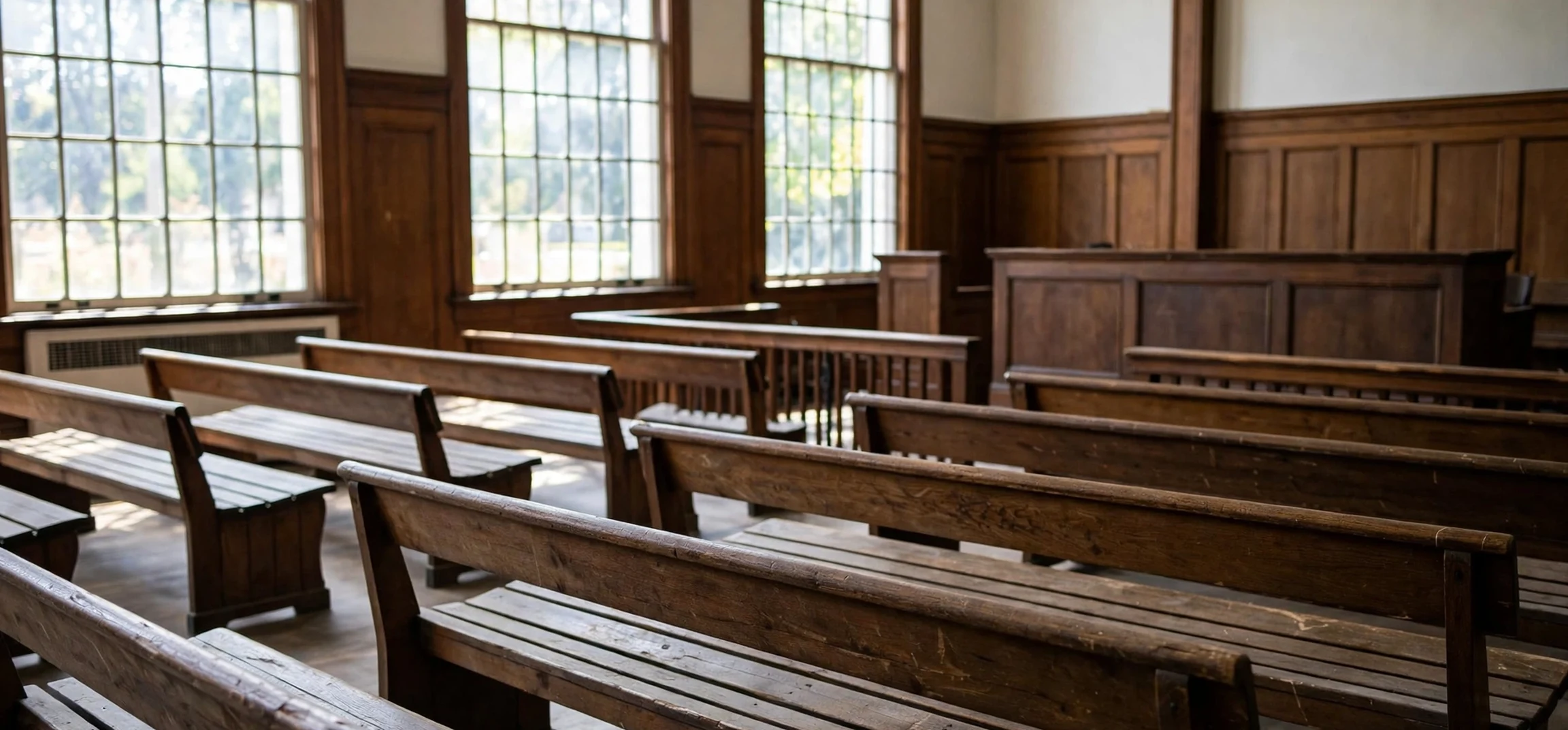
Live court television can feel action-packed, even though the action is very different from a film or a sports match. The drama comes from real procedures: opening statements, careful questioning, surprising evidence, legal arguments, and a judge keeping order in a busy courtroom. For viewers, the appeal is understanding how justice works in public, hearing arguments tested in real time, and following a story as it unfolds, rather than reading a summary afterwards. This guide explains how to watch court coverage through official and legal sources only, what to expect, and how to watch responsibly.
It is important to set a clear boundary at the start. This guide gives general information about court television and legal viewing options. It does not discuss personal details about any defendant, victim, witness, or family member, and it does not name or follow any specific private individual. Court cases involve real people, often during difficult periods of their lives, and responsible viewing means focusing on procedure, law, and public understanding, not on gossip, speculation, or personal information. If you are interested in a particular case, use official court information and reputable news reporting, and respect any reporting restrictions that apply.
Table of Contents
- What Is Live Court TV
- Legal Ways to Watch Court Coverage
- What Happens in a Courtroom
- Why Court TV Feels Action-Packed
- Watching Responsibly and Safely
- Understanding Outcomes and Next Steps
- Frequently Asked Questions
- Conclusion
What Is Live Court TV
Live court television is coverage of court proceedings broadcast or streamed as they happen, or with a short delay. In some jurisdictions, cameras are allowed in the courtroom under strict rules. In others, coverage is limited to audio, sketches, or reporting from outside the courtroom. The exact rules depend on the country, the type of court, the nature of the case, and the judge’s decisions about fairness, privacy, and safety. That is why coverage varies so much: one trial may be streamed in full, while another may only be reported in written summaries.
Court television is not the same as a courtroom drama. A drama is scripted, edited, and performed by actors, and it compresses weeks of work into an hour. Live court coverage is slower, more repetitive, and more procedural, because real law requires care: documents must be checked, questions must be put precisely, and objections must be resolved before testimony continues. Viewers who expect constant excitement may initially find it slow, but those who stay often find the slow moments meaningful, because they show how evidence is tested and how decisions are built, step by step.
Court TV, News Coverage, and Documentaries
There are three common forms of court coverage, and each serves a different purpose. Live court channels and official streams show proceedings directly, with minimal commentary. News coverage selects highlights, explains context, and interviews legal experts, which is helpful if you cannot watch for hours. Documentaries, made after a case ends, can explain the full story with hindsight, documents, and interviews, but they are edited and should be watched with an awareness of the maker’s perspective. Using more than one form, such as a live stream plus a reputable news summary, usually gives the clearest understanding.
Some channels also produce legal discussion programmes, where presenters and lawyers explain a day’s proceedings, define legal terms, and discuss what might happen next. These programmes can be very helpful for new viewers, because court language is technical. Terms like objection, cross-examination, adjournment, and verdict have precise meanings, and a good explainer can turn a confusing hour into a clear lesson in how the law works. Look for programmes that explain, rather than sensationalise, and that distinguish clearly between facts, arguments, and opinions.
Legal Ways to Watch Court Coverage
The safest way to watch court coverage is through official and legal sources. Start with official court websites and official streaming services in the relevant jurisdiction, where they exist. Some supreme courts, appeal courts, and public tribunals stream hearings openly, with schedules, case lists, and guidance for viewers. These official streams are the most reliable source, because they come directly from the court, without added commentary or editing that could distort what happened.
Reputable broadcasters and news organisations are the next step. Many established channels and news websites carry licensed court coverage, with presenters who explain procedure and respect reporting rules. Public broadcasters often provide court reporting as part of their news service, and their websites may include live blogs, summaries, and explainers. If you are unsure whether a stream is legitimate, check whether it links back to an official court source, whether the broadcaster is a known organisation, and whether it explains any delay, restriction, or reason for limited coverage. Unofficial re-uploads, pirated streams, and sites that promise secret or banned footage should be avoided: they may be inaccurate, incomplete, or in breach of court orders.
Checking Schedules and Restrictions
Court schedules change. Hearings can be adjourned, moved, or shortened, and a judge may restrict coverage for part of a hearing to protect a witness, a child, or the fairness of a trial. Before you plan to watch, check the official court list or the broadcaster’s schedule for the day, and note the time zone, because court times are given in local time. If a stream suddenly stops or switches to a still image, that may be a lawful restriction, not a technical fault. Respect that decision, and do not seek out unofficial footage that attempts to bypass it.
Some proceedings are not streamed at all, and that is also a lawful and important part of the system. Family cases, cases involving children, and certain sensitive hearings are often held in private to protect the people involved. In those cases, the public interest is served by reporting the outcome or the legal principles, not by broadcasting personal details. A responsible viewer accepts those limits, and focuses on the cases and principles that are openly available.
What Happens in a Courtroom
A courtroom has a clear structure, and learning it makes viewing much easier. The judge, or a panel of judges, presides and decides questions of law and procedure. Lawyers present arguments and question witnesses. Witnesses give evidence under oath, and must answer truthfully. In some systems, a jury decides questions of fact, while the judge decides the law. Court staff manage documents, recordings, and the running order. Everyone has a role, and the formal language and rituals, such as standing when the judge enters, reflect the seriousness of the process.
A typical hearing follows a pattern. First, preliminary matters are dealt with, such as scheduling and legal arguments about what evidence can be heard. Then, each side presents its case, through opening statements, witness evidence, and documents. Witnesses are questioned first by the side that called them, and then cross-examined by the other side, who tests their account. Finally, each side makes closing arguments, and the judge or jury considers a decision. That decision may come immediately, or after a period of deliberation. Understanding this pattern helps you follow even a long hearing, because you can recognise which stage you are watching.
Key Roles and Terms in Plain Language
An opening statement is a summary of what a side intends to prove, not evidence itself. Evidence is the material the court is asked to rely on, such as testimony, documents, or expert opinion. An objection is a formal challenge to a question or piece of evidence, which the judge must rule on. Cross-examination is questioning by the opposing side, designed to test accuracy, memory, and consistency. An adjournment is a pause or postponement, often to allow preparation, a break, or further legal argument. A verdict or judgment is the court’s decision, which may be followed by further hearings about consequences or remedies.
Legal language can sound formal because precision matters. A small difference in wording can change the meaning of a question or an answer, and lawyers are trained to be precise for that reason. If a term confuses you, note it and look it up in a reputable legal glossary after the hearing, or listen for an explainer programme that defines it. Over time, the language becomes familiar, and you will find yourself following arguments more easily, just as you would with any specialist subject.
Why Court TV Feels Action-Packed
Court television feels action-packed because the stakes are real and the outcome is unknown. Unlike a scripted drama, no one in the courtroom knows for certain how a witness will answer, whether an objection will be upheld, or what the final decision will be. That uncertainty creates tension, even in quiet moments. A pause before an answer, a document produced at a crucial moment, or a judge’s intervention can change the direction of a hearing, and viewers who have followed the build-up feel that shift immediately.
The action is also intellectual. Court TV rewards attention: a detail mentioned in the morning may become crucial in the afternoon, a witness’s earlier statement may be compared with a later one, and a legal argument may turn on a single precedent or definition. Viewers who take notes, or who watch with a summary alongside the stream, often enjoy this layer most. It is less like watching a chase, and more like watching a complex puzzle being assembled in public, with each piece tested before it is accepted.
| Court moment | Why it matters | What to watch for |
|---|---|---|
| Opening statements | Sets out each side’s theory | Clear claims and what evidence is promised |
| Cross-examination | Tests evidence under pressure | Consistency, precision, and calm under questioning |
| Judicial interventions | Keeps proceedings fair and lawful | Questions and rulings that clarify the law |
| Closing arguments | Sums up the case for decision | How evidence is tied together into a conclusion |
Production choices also shape the feeling. Camera angles, sound quality, and commentary can make a hearing feel immediate or distant. Official streams often use fixed cameras and clear audio, which feels formal and respectful. News channels may add graphics, timelines, and expert commentary, which helps new viewers but can also heighten drama. Being aware of these choices helps you stay focused on the proceedings themselves, rather than on the presentation. The most informative viewing often comes from a calm, official stream, supplemented by a sober explainer afterwards.
Watching Responsibly and Safely
Responsible viewing starts with remembering that court proceedings involve real people and real consequences. Avoid sharing personal details about anyone involved in a case, including addresses, private photographs, family information, or speculation about health or personal life. Even if such details appear in social media comments, repeating them can cause harm and may breach court orders or privacy rules. Focus instead on the legal issues, the procedure, and the public principles at stake, which are the proper subjects of public discussion.
Be careful with social media during live coverage. Comments and clips can be edited, taken out of context, or presented with misleading captions. A short clip may omit a judge’s ruling, a witness’s correction, or a lawyer’s qualification, and that omission can completely change the meaning. Before sharing a clip or a claim, check the full context on an official stream or a reputable report. If you cannot verify it, do not share it. That single habit protects both the people involved and your own understanding.
It is also important to protect your own wellbeing. Court coverage can include distressing evidence, difficult testimony, and emotional moments. If a hearing becomes upsetting, it is okay to pause, switch to a written summary, or stop watching. Many broadcasters give content guidance before sensitive evidence, and taking a break is a sensible response, not a failure to stay informed. Watching in moderation, with breaks and with a trusted summary, is usually more informative than watching every minute without rest.
For more guides on finding trustworthy online sources, checking platforms, and watching content safely, see our related posts on ploomes org and technewstop org. The same habits apply here: prefer official sources, verify surprising claims, and avoid unofficial copies that may be incomplete or misleading.
Understanding Outcomes and Next Steps
A court decision is rarely the end of the story in a simple way. There may be further hearings about remedies, sentencing, costs, or implementation. There may be an appeal, where a higher court reviews whether the law was applied correctly. There may also be reporting that explains the decision in plain language, which is often more helpful than the formal judgment alone for a general reader. If you want to understand an outcome, read a reputable summary first, and then, if you wish, read the official judgment or a legal explainer.
It helps to separate three questions: What did the court decide? Why did it decide that way? What happens next? The first question is about the result. The second is about reasoning, evidence, and law. The third is about practical consequences and any further process. News reports often focus on the first question, while legal explainers focus on the second and third. A complete understanding needs all three, and it takes time. Resist the urge to draw a final conclusion from a single headline, especially while a case is still in progress or subject to appeal.
Frequently Asked Questions
Where can I watch live court TV legally?
Use official court websites and official streaming services where available, and reputable broadcasters and news organisations that carry licensed coverage. Check the official schedule, note the local time zone, and respect any lawful restrictions on coverage.
Why is some court coverage delayed or limited?
Courts may delay, restrict, or withhold coverage to protect witnesses, children, or the fairness of a trial, or to comply with reporting rules. A pause or a still image during a stream is often a lawful restriction, not a technical fault.
Is live court TV the same as a courtroom drama?
No. A drama is scripted and performed by actors, while live court coverage shows real proceedings, with formal procedure, technical language, and an unknown outcome. Live coverage is slower, but the stakes and the testing of evidence are real.
Can I share clips or details from a case on social media?
Be cautious. Do not share personal details about people involved, and do not share clips without checking the full context. Edited clips can mislead, and sharing restricted or personal information can cause harm and may breach court orders.
How can I understand court language as a new viewer?
Learn the basic pattern of a hearing, note unfamiliar terms and look them up in a reputable glossary, and use legal explainer programmes or written summaries alongside the live stream. Familiarity grows quickly with regular viewing.
Conclusion
Live court television is action-packed in its own distinctive way: not through chases or special effects, but through real argument, real evidence, and real uncertainty about the outcome. Watched through official and legal sources, it can be an excellent way to understand how justice works, how evidence is tested, and how legal decisions are made in public. The key is to watch with patience, to learn the structure of a hearing, and to supplement live viewing with reputable summaries and explainers.
Watch responsibly, too. Focus on procedure and principles, not on personal details or gossip. Verify clips before sharing them, respect lawful restrictions, and take breaks when coverage becomes distressing. Done that way, court TV is more than entertainment: it is civic education, delivered live, in the courtroom where the law is practised every day. That is a powerful reason to watch, and a good reason to watch well.



