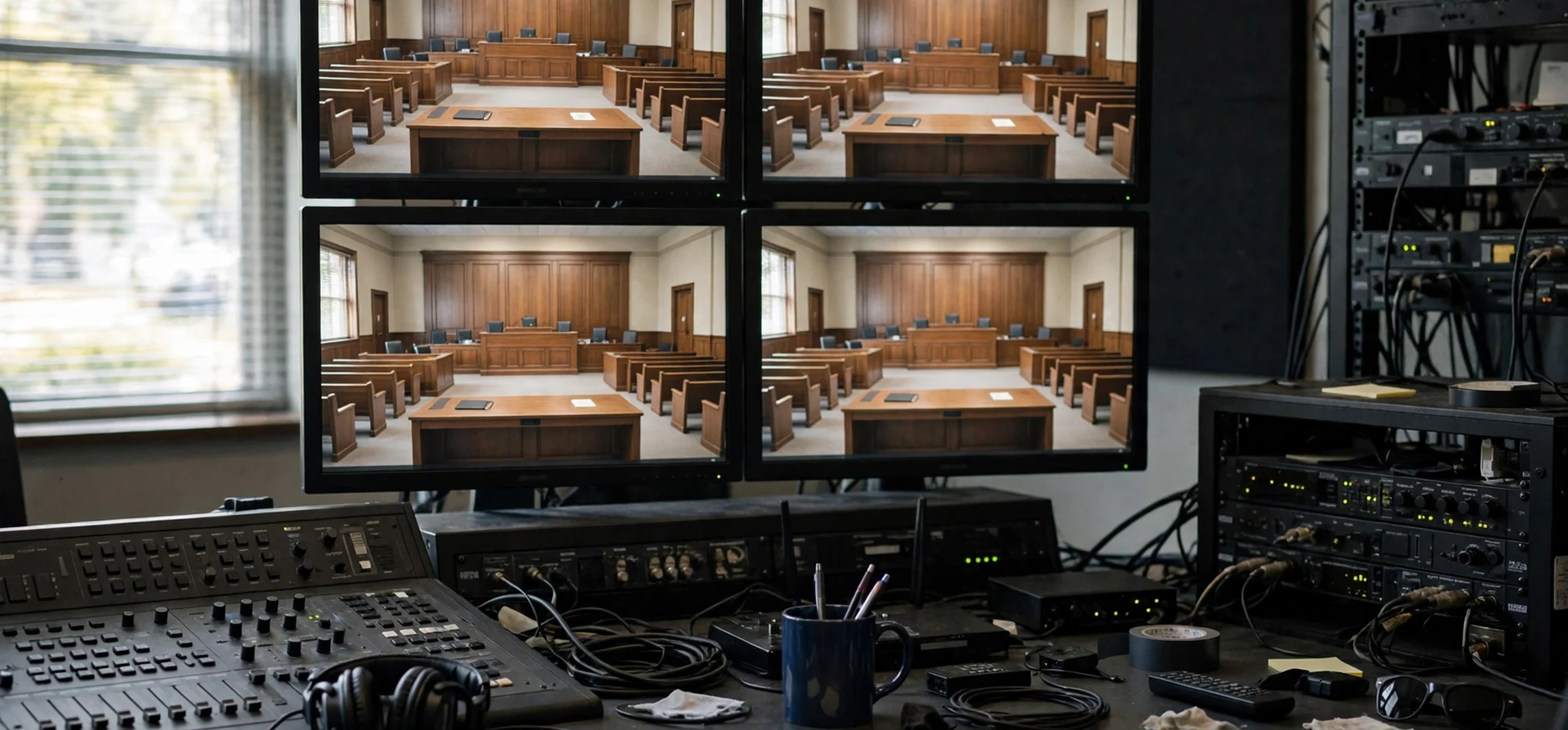
Many people are curious about court trials because they offer a real-world look at how the justice system works. Court TV has become well known for covering trials, legal analysis, and courtroom proceedings, and viewers often search for ways to watch live trials without paying extra. The good news is that there are legitimate, free, and legal routes to follow court coverage in general, including official court channels, public broadcasts, and free streaming options offered by networks themselves. This guide explains those routes in general terms, without giving unverified schedules or promising access to any specific case.
It is important to understand from the start that not every trial is televised, and not every court allows cameras. Rules vary by country, state, court, and case type. Some proceedings are open to the public, some are restricted to protect privacy or safety, and some are available only through written records or summaries. Knowing these basics helps you set realistic expectations and avoid unofficial streams that may be unreliable, misleading, or infringing.
This article covers what Court TV is, how live trial coverage usually works, free and legal ways to watch in general, how to check whether a proceeding is public, tips for following a case responsibly, and common questions. It does not provide schedules for specific trials, because schedules change, cases settle, and coverage decisions are made by courts and broadcasters, not by viewers.
What Is Court TV
Court TV is a television network focused on live trial coverage, legal news, and analysis. It is known for showing courtroom proceedings, expert commentary, and documentaries about notable cases. The network aims to make legal processes more understandable to the public by showing real proceedings and explaining legal terms, procedures, and decisions in plain language.
For many viewers, Court TV is an introduction to how trials actually work. Instead of dramatised courtroom scenes from fiction, viewers see real lawyers, judges, witnesses, and evidence, with all the pauses, objections, and careful language that real law involves. This can be educational, but it can also be slow at times, because real trials follow rules and procedures that take time. Understanding that difference helps viewers appreciate the coverage rather than expecting constant drama.
Court TV content is typically available through television providers, and in many regions the network or its parent company also offers free streaming options, such as a website player or an app, supported by advertising. Availability varies by location and provider, so the best approach is to check the network’s official website or app in your region for current free options.
How Live Trial Coverage Usually Works
Live trial coverage depends first on whether a court permits cameras or public access. In some jurisdictions, courts allow video coverage with conditions, such as restrictions on showing certain witnesses, jurors, or sensitive evidence. In others, cameras are limited or not allowed at all. Judges can also change access during a case for legal or safety reasons. Broadcasters must follow these rules, which is why coverage can start, pause, or stop unexpectedly.
When coverage is allowed, a network may carry proceedings live during court hours, with breaks for recesses, legal arguments held outside the jury’s presence, and technical pauses. Commentators often explain what is happening during breaks, summarise testimony, and clarify legal terms. This commentary is helpful, but it is not a substitute for the court’s own record. Official transcripts and judgments, where published, remain the authoritative source.
Viewers should also remember that a trial is a serious legal process involving real people. Witnesses, defendants, victims, and families are not performers. Responsible coverage respects privacy, avoids speculation about guilt before a verdict, and distinguishes between allegations, evidence, and proven facts. Good legal journalism makes those distinctions clear.
Free And Legal Ways To Watch In General
There are several legitimate routes to watch court coverage at zero extra cost, depending on your location. First, check the network’s official free streaming option, if offered in your region. Many networks provide a free live stream on their website or app, supported by ads, without requiring a paid subscription. Second, check whether your existing television provider already includes the channel at no extra charge, as part of a basic package or free-to-air lineup.
Third, look for official court channels. Some courts publish their own video, audio, or live streams for public proceedings, especially for appellate courts and high-profile public hearings. These official sources are reliable and legal, and they often include schedules and case information directly from the court. Fourth, follow reputable legal news outlets that provide live blogs, summaries, and analysis, which can be useful when video is not available or when you cannot watch live.
Finally, public libraries, educational institutions, and community organisations sometimes provide access to legal broadcasts or archives for learning purposes. These are not a guarantee for any specific trial, but they are legitimate options worth checking if you are studying law or following a case for educational reasons.
Avoid Unofficial Or Pirated Streams
Unofficial streams may look tempting, but they carry risks. They can be unreliable, low quality, delayed, or taken down mid-proceeding. They may also mislabel content, show edited clips out of context, or violate broadcast rights. For legal topics especially, accuracy matters. Sticking to official network streams, court channels, and reputable news sources ensures you see proceedings as they happen, with proper context.
How To Check Availability In Your Region
To check availability, visit the official website or app of the network in your country, look for a live or watch-live section, and check whether a free stream is listed. You can also check your television provider’s channel guide. If a free option is not listed, it may not be available in your region, or it may require a provider login. Avoid sites that claim to offer paid channels for free without authorisation, as those are often pirated.
How To Follow A Trial Responsibly
Following a trial responsibly means separating facts from commentary. Listen for what witnesses actually say, what evidence is presented, and what the judge rules, rather than relying only on headlines or social media clips. Remember that opening statements are arguments, not evidence, and that cross-examination is designed to test testimony. A fair understanding comes from following the whole proceeding, not just dramatic moments.
It also means respecting the people involved. Avoid sharing unverified claims about private individuals, avoid contacting jurors or witnesses, and avoid repeating rumours as facts. If you discuss a case online, stick to what has been reported by reliable sources, use careful language such as alleged or according to testimony, and avoid prejudging outcomes before a verdict.
For students and curious viewers, trials are a valuable learning tool. They show how evidence is presented, how lawyers argue, how judges manage proceedings, and how juries or judges reach decisions. Taking notes, looking up legal terms from reliable sources, and comparing coverage across outlets can deepen your understanding far more than watching isolated clips.
What If No Live Video Is Available
If no live video is available for a case you are interested in, you still have legitimate options. Many courts publish written judgments, orders, or summaries. News outlets provide daily reports. Legal analysts publish explainers that clarify complex issues. Podcasts and documentaries made after a case concludes can also provide context, though they should be checked against primary sources where possible.
Delays are normal. Courts may pause for legal arguments, witness availability, or procedural reasons. A case may settle before trial, or a hearing may be rescheduled. If a promised live stream does not appear, it may simply mean the court session changed. Checking official court notices or reputable news updates is the best way to confirm what happened.
Learning From Coverage Without Misinformation
Court coverage can teach a great deal about civic life, but it works best when viewers check claims carefully. A single clip shared online may omit context, such as an objection that was sustained, a statement that was later corrected, or a legal argument that the judge did not accept. Watching longer segments, reading reputable summaries, and comparing two or more reliable outlets helps you form a balanced view rather than reacting to one dramatic moment.
It also helps to learn basic legal vocabulary in advance. Terms such as testimony, cross-examination, objection, sustained, overruled, verdict, and sentencing each have specific meanings, and commentators often explain them during breaks. When you understand these terms, proceedings become much easier to follow, even when the pace is slow. Many viewers find that their second or third trial is far more interesting than their first, simply because they now recognise the structure.
Finally, remember that media coverage is a window into a case, not the case itself. The full record includes filings, evidence rules, and decisions that may never appear on screen. Treating coverage as an introduction, rather than a complete account, keeps expectations realistic and encourages curiosity about how justice systems work in different places.
Legal Viewing Options At A Glance
| Option | What It Offers | Cost In General |
|---|---|---|
| Official network stream | Live coverage and analysis where offered | Often free with ads, varies by region |
| Television provider | Channel as part of a package | Depends on existing subscription |
| Official court channel | Public proceedings direct from the court | Usually free where provided |
| Reputable news coverage | Live blogs, summaries, and analysis | Often free, some outlets may have limits |
Frequently Asked Questions
Can I watch Court TV live for free?
In many regions, the network offers a free ad-supported stream on its official website or app, but availability varies by location. Check the official source in your region for current options.
Are all trials shown live?
No. Coverage depends on court rules, case type, privacy considerations, and broadcaster decisions. Many proceedings are not televised at all.
Where can I find a trial schedule?
Official court websites and reputable legal news outlets are the most reliable sources for public schedules. This article does not list specific schedules because they change frequently.
Is commentary the same as the court record?
No. Commentary explains and summarises proceedings, but official transcripts and judgments, where published, are the authoritative record.
Conclusion
Watching live trials at zero extra cost is possible through legitimate routes, including official network streams where offered, existing television packages, official court channels, and reputable news coverage. The key is to use official sources, understand that not every case is televised, and follow proceedings responsibly, distinguishing facts from commentary and respecting everyone involved. With patience and reliable sources, court coverage can be both fascinating and educational. For more everyday explainers, explore Ploomes Org, Technewstop Org, and Address DB User Info on Dooekpo.



