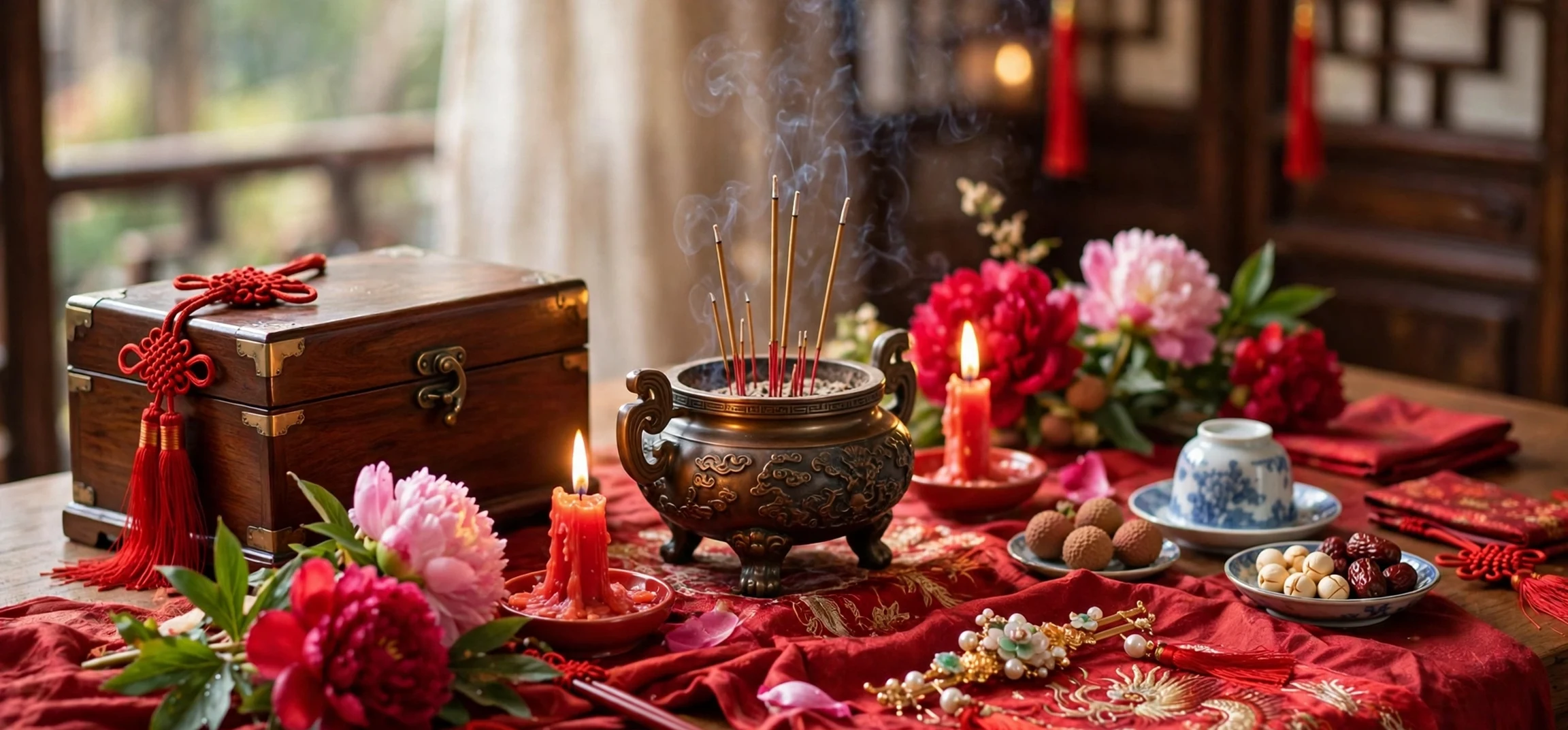
A simple question has become a viral hit online: do Chinese women take their husband’s last name after marriage? The short answer is that, in general, they do not. In mainland China, it is customary for a woman to keep her birth surname after marriage, and children typically take the father’s surname, though there are variations and modern choices. This custom surprises many viewers outside China, where changing a surname after marriage is common, and that surprise is part of why the topic spreads so quickly on social media.
The viral interest is not just about a naming rule. It touches on culture, history, family identity, law, and changing attitudes among younger generations. Short videos, comment threads, and explainer posts have turned a cultural fact into a conversation about tradition, equality, personal choice, and how different societies organise family names. This article explains the custom in plain language, explores its historical roots, looks at regional variations, discusses modern trends, and answers common questions without stereotyping any group.
It is important to remember that China is large and diverse, with many ethnic groups, regions, and family traditions. While the general custom described here applies widely, individual families make their own choices, and practices can vary. The goal of this guide is to give a clear, respectful overview, not to claim that every person follows the same pattern.
The Short Answer Explained
In mainland China, women generally retain their own surname after marriage. This is not a recent trend or a legal loophole. It is a long-standing cultural practice. A woman’s surname is seen as part of her identity and her birth family, and marriage does not erase that connection. Her official documents, professional identity, and everyday name usually remain unchanged after the wedding.
Children, in the traditional pattern, take the father’s surname. This means that a family may have members with different surnames: the mother keeps her birth surname, the father keeps his, and the children share the father’s surname. To outsiders, this can look unusual, but within the cultural context it is completely normal and has been for centuries. Family identity is understood through relationships and lineage, not through a single shared surname for the whole household.
This practice also simplifies certain aspects of life. A woman does not need to update every document, bank account, professional credential, and online profile after marriage, because her legal name stays the same. For professionals, academics, artists, and business owners, keeping a consistent name supports career continuity and public recognition.
Historical And Cultural Roots
The custom has deep historical roots in Chinese culture. Surnames in China have ancient origins, linked to clans, regions, and family lines. A person’s surname connects them to their ancestors and birth family, and that connection was traditionally considered permanent. Marriage created a new family relationship, but it did not replace the woman’s original family identity.
Confucian ideas about family, respect for ancestors, and lineage also played a role. Family names carried history and responsibility, and preserving them mattered. While family structures have changed enormously over time, the idea that a surname is a lasting part of personal identity has remained strong. This is one reason the custom persisted even as other marriage practices evolved.
It is also worth noting that Chinese naming order differs from many Western systems. The surname comes first, followed by the given name. This order emphasises family identity before individual identity in formal contexts, and it reinforces why surnames carry such cultural weight. Understanding this order helps outsiders read Chinese names correctly and appreciate their structure.
What The Law Says In General Terms
In general terms, Chinese law supports personal choice in naming, and there is no general requirement for a woman to change her surname upon marriage. Couples can discuss children’s surnames, and modern rules allow more flexibility than in the past, including, in some cases, choosing the mother’s surname or a combination, subject to legal conditions. The key point for most families is that keeping the birth surname is normal, accepted, and legally straightforward.
Legal details vary over time and by jurisdiction, and families with specific questions should consult official sources or legal professionals. This article is a general cultural explainer, not legal advice. The broader cultural point remains clear: unlike in some countries where a name change after marriage is expected by custom or paperwork, in China the default expectation is continuity, not change.
Regional Variations And Modern Choices
While mainland China follows the pattern described above, practices vary across Chinese-speaking regions and diaspora communities. In Hong Kong, Taiwan, and overseas Chinese communities, influences from local customs, colonial history, and other cultures have created more variety. Some women in these regions may use their husband’s surname socially, hyphenate names, or keep their birth surname professionally while using a different form socially. These choices are personal and context-dependent.
Among younger generations in mainland China, attitudes continue to evolve. Some couples discuss children’s surnames more openly, considering fairness, family circumstances, and personal preference. Some choose the mother’s surname for a child, especially when the mother’s family has no sons to carry the name, or when both parents agree it makes sense. Others combine surnames. These modern choices show that tradition and personal choice can coexist, and that naming is becoming more of a conversation within families.
Diaspora experiences add another layer. Chinese people living abroad may navigate two naming systems at once: keeping their birth surname in Chinese contexts, while adapting to local customs in official documents abroad. This can lead to different forms of a name appearing in different places, which is a practical adaptation rather than a change in identity.
Why This Topic Went Viral
The topic went viral because it challenges assumptions. Many social media users grew up assuming that marriage automatically means a surname change, so learning that a large culture does things differently feels surprising and shareable. Short videos that explain the custom clearly, with examples and reactions, spread quickly because they are easy to understand and spark discussion. Comment sections then fill with personal stories, comparisons across cultures, and questions about children, documents, and family traditions.
Viral content also thrives on respectful curiosity. Viewers want to know not just what happens, but why. Explaining history, identity, and practical benefits turns a simple fact into a story that people remember and share. That is why explainers that are clear, accurate, and non-judgmental perform well, while stereotypes or oversimplifications tend to draw criticism.
How This Compares With Other Cultures
Naming customs after marriage vary widely around the world. In many Western countries, taking a husband’s surname was historically common, though keeping a birth surname, hyphenating, or creating a combined name is now increasingly common. In some cultures, both partners keep their birth surnames. In others, children take both parents’ surnames in a set order. In Iceland, for example, surnames traditionally reflect a parent’s first name rather than a family name. These differences show that there is no single universal rule, only cultural patterns that change over time.
Comparing customs helps avoid the mistake of treating one pattern as normal and others as strange. Each system reflects history, law, language, and ideas about family. The Chinese custom of retaining a birth surname is one of many valid ways to organise family identity, and it highlights how identity can be preserved through marriage rather than replaced by it.
What This Means In Everyday Life
In everyday life, this custom affects how families introduce themselves, how schools and workplaces record names, and how official forms are completed. A married couple may be addressed by different surnames, and that is considered perfectly normal. Teachers, colleagues, and officials do not assume that a wife shares her husband’s surname, and they use the name each person provides. This reduces confusion once people understand the system, because each person’s name remains stable over time.
For visitors, researchers, and business partners, the practical lesson is simple: always use the name a person gives you, rather than assuming a married name. Ask politely if you are unsure, and record names exactly as provided. This small habit shows respect, avoids errors in documents and correspondence, and helps build trust across cultures. It also reminds us that naming customs are not just rules on paper, but part of how people present themselves to the world.
Online, the same principle applies. Social media profiles, professional pages, and author bylines usually keep a consistent name, which helps audiences recognise a person over many years. When a viral post explains this custom, it often sparks comments from people sharing their own naming stories, showing that identity, family, and choice are topics that resonate far beyond one country or culture.
Naming Customs Compared In General Terms
| Region Or Pattern | Common Practice After Marriage | Children’s Surname Pattern |
|---|---|---|
| Mainland China, general custom | Woman usually keeps birth surname | Traditionally father’s surname, with growing flexibility |
| Many Western countries, traditional | Woman often took husband’s surname | Traditionally father’s surname |
| Many Western countries, modern | Keeping, hyphenating, or combining is common | Either parent’s surname or combined, by choice |
| Some Spanish-speaking cultures | Both partners often keep birth surnames | Often both parents’ surnames in order |
Frequently Asked Questions
Do Chinese women take their husband’s last name?
In general, no. In mainland China, women usually keep their birth surname after marriage, which is the long-standing cultural custom.
What surname do children usually take?
Traditionally, children take the father’s surname, though modern families have more flexibility and may choose differently by agreement and legal rules.
Is it a legal requirement to keep the birth surname?
Keeping the birth surname is normal and accepted, and there is no general requirement to change it upon marriage. Specific legal questions should be checked with official sources.
Does this apply to all Chinese communities?
No. Practices vary in Hong Kong, Taiwan, and diaspora communities, where local customs and personal choice create more variety.
Conclusion
So, do Chinese women take their husband’s last name? In general, in mainland China, they do not. They keep their birth surname, while children traditionally take the father’s surname, with growing flexibility in modern families. This custom reflects deep ideas about identity, family history, and continuity, and it continues to spark viral curiosity because it challenges assumptions many people hold about marriage and names. Understanding it with respect and context turns a viral question into genuine cultural learning. For more culture and everyday explainers, explore Ploomes Org, Technewstop Org, and Live Trials On Court TV on Dooekpo.



