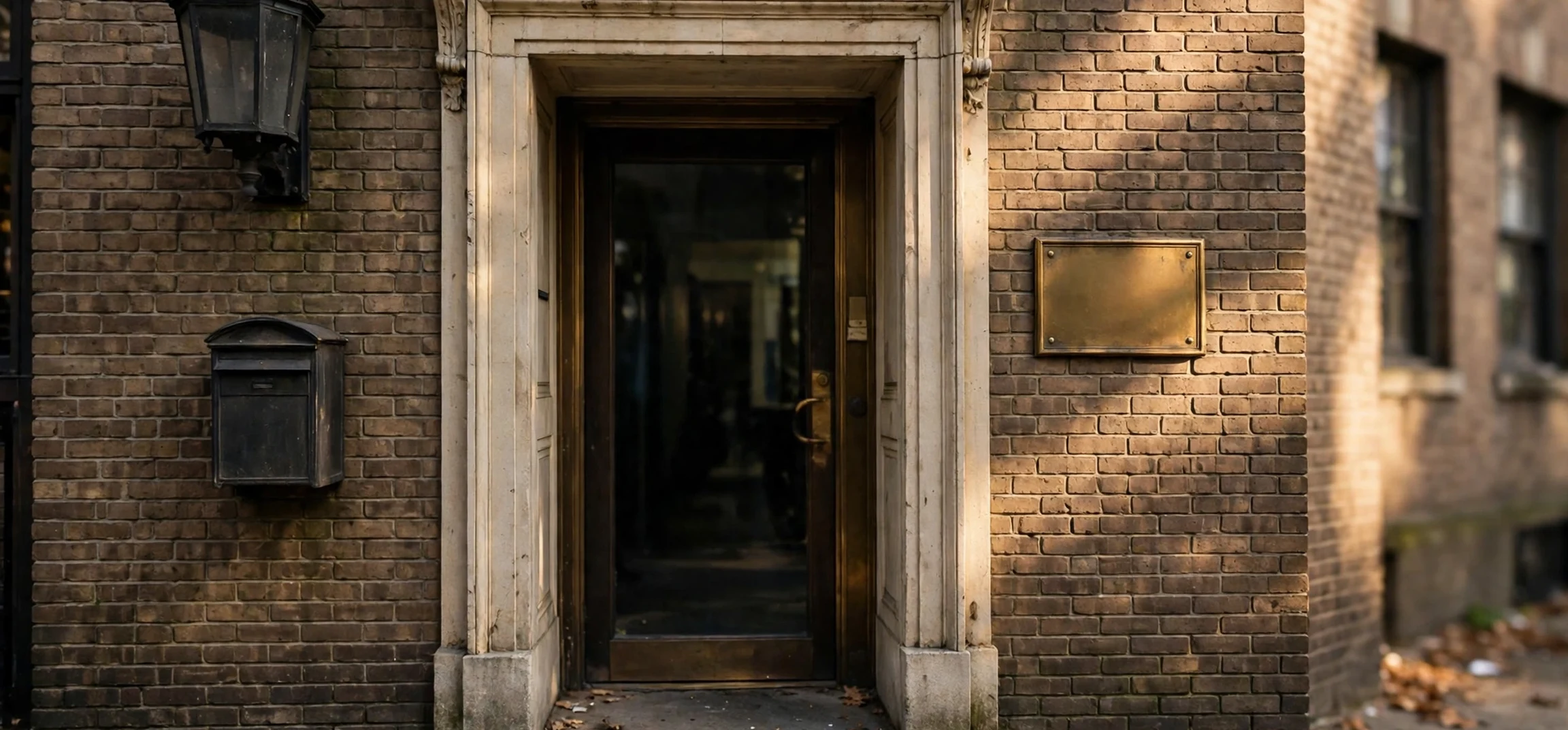
Many people have felt it: you remember a company from childhood, a shop you visited with family, a brand whose packaging you can still picture, or an office building that once felt important, and suddenly you want to revisit that memory. A “company and address nostalgia trip” is not really about a single address. It is about retracing a piece of personal history through the places, brands, and workplaces that shaped it, and doing so in a way that is enjoyable, safe, and respectful of privacy.
This guide explains how to plan a nostalgia trip around companies and places you remember, how to find official contact information without relying on unverified listings, and how to enjoy the journey even when a place has closed, moved, or changed beyond recognition. It does not publish any unverified private company address, and it focuses on general methods you can use for any company or location you are curious about.
Whether your nostalgia trip is a real walk through an old neighbourhood, a photo-based trip from home, or a research project for family history, the steps below will help you organise it. For other easy discovery guides, see Ploomes Org and TechNewsTop Org.
What a Company and Address Nostalgia Trip Means
A nostalgia trip is a journey driven by memory rather than by a new attraction. You might revisit the street where a family business once stood, look up a brand that defined a decade, or trace the history of a company where a relative worked. The “address” part is often less important than the story: what the place meant, who was there, and how it fits into a larger life story.
Some nostalgia trips are physical. You travel to a town, walk a familiar street, and photograph what remains. Others are digital. You search archives, old advertisements, company histories, and maps from home, and you build a timeline of memories. Many trips combine both: research first, then a short visit to see what is still there.
Why Companies Trigger Strong Memories
Companies are part of everyday life. A shop, a factory, a cinema, a bank branch, or a local newspaper office can anchor memories of school holidays, first jobs, family routines, and friendships. Brands add another layer: a logo, a jingle, or a product design can instantly recall a period of life, even if the company itself has changed.
That is why a nostalgia trip often starts with a small trigger: an old photograph, a product wrapper, a payslip, a letterhead, or a story told by an older relative. From that trigger, a wider story can unfold.
When the Place Has Changed or Closed
It is common to arrive at an old address and find a different business, a renovated building, or an empty lot. That can feel disappointing, but it is also part of the story. Cities change, companies merge or close, and industries move. A good nostalgia trip plans for change: take a photo of what is there now, note what you remember, and use archives to fill the gap between past and present.
If a company no longer exists, its history may still live in trade directories, newspaper archives, company registries, museums, and local history collections. Those sources often tell a richer story than a single building can.
How to Plan Your Nostalgia Trip
Planning makes a nostalgia trip more rewarding and less frustrating. Start small, gather what you already know, and then decide whether you need to travel at all.
Step 1: Collect What You Already Know
Begin with personal sources: family stories, photographs, letters, old receipts, school records, and keepsakes. Write down names, approximate dates, and places as you remember them, and mark which details are certain and which are guesses. This simple step prevents later confusion when sources disagree.
Talk to relatives if you can. One person may remember a company name, while another remembers the street or the year. Together, those fragments often form a clearer picture than any single memory alone.
Step 2: Verify With Official and Archival Sources
Once you have a company name, check official sources first. For a current company, the official website’s contact or about page is the reliable place for its current contact details. For a historical company, a national or regional company registry, a business archive, a library collection, or a local history society may hold incorporation records, old directories, and newspaper mentions.
Do not rely on a single unverified listing, a random directory entry, or a copied address from a forum. Listings can be outdated, incorrect, or copied from another business with a similar name. When two sources disagree, prefer the official or archival source, and note the disagreement in your own research notes.
Step 3: Map the Journey in Order
Arrange your stops in a sensible order: by neighbourhood, by date, or by theme. If you are visiting in person, group nearby places together and allow time for walking, photography, and rest. If you are researching from home, organise your timeline by year, so you can see how a company grew, moved, or closed.
Keep a simple trip log. For each stop, note what you expected, what you found, and one memory or fact worth keeping. That log becomes the real souvenir of the trip.
| Trip Stage | What to Do | Helpful Source |
|---|---|---|
| Memory gathering | Collect photos, stories, keepsakes | Family records and personal archives |
| Company check | Confirm current status and official contact | Official company website |
| Historical check | Find old directories and articles | Library, archive, local history society |
| Visit planning | Group stops by area, allow rest time | Map and public transport guidance |
| Reflection | Write trip log, save photos safely | Personal journal or photo album |
How to Find Official Contact Information Safely
Finding a company’s official contact details is straightforward when you use the right route, and it avoids the risks of unverified listings.
- Start with the company’s official website, and look for its contact, about, or legal pages.
- For registered businesses, check the official company registry for the country or region concerned, which usually lists registered details.
- For public bodies and large organisations, use the official directory or government portal for that sector.
- For historical companies, use library catalogues, newspaper archives, and business history collections.
- Never use a private person’s home address, personal phone number, or personal email for a nostalgia trip, and never publish such details if you find them.
If you cannot find an official contact, that itself is useful information. It may mean the company has closed, changed its name, or merged. In that case, archival research is usually more productive than continuing to search general directories.
Respecting Privacy on a Nostalgia Trip
A nostalgia trip should respect the privacy of current occupants and former employees. A building that once housed a company may now be a home, a school, or another business. Photograph from public spaces, do not enter private property without permission, and do not seek out private contact details for people who worked there decades ago unless they have chosen to share them publicly.
When you share your trip online, focus on your own memories and on public history, not on private details about other people. That keeps the trip enjoyable for everyone and protects the people whose stories you value.
Ideas to Make the Trip More Meaningful
A nostalgia trip can be as simple or as creative as you like. Here are ideas that many people enjoy.
Then-and-Now Photography
Take an old photograph with you, if you have one, and try to stand in the same spot today. Even when the building has changed, matching the angle and framing creates a powerful comparison. If you cannot visit in person, you can still compare old images with current street-level imagery from official map services, while respecting their terms of use.
Brand and Product Memories
Collect memories of products, packaging, advertisements, and slogans connected to the company. Old magazines, trade catalogues, and advertising archives are rich sources. You can build a small display, a scrapbook, or a digital timeline around these items, which often sparks conversation with family members who remember the same brands.
Workplace and Community Stories
If a relative worked for the company, record their stories about daily work, colleagues, and community events. Workplace memories often reveal how a town or neighbourhood functioned, what jobs were available, and how technology changed over time. Those stories are valuable local history, even when the company itself is gone.
For another themed guide to explore after this one, see Chain Guide Comedy Fun.
Frequently Asked Questions
What if I cannot find the old address?
Use company registries, old directories, and newspaper archives. If the address remains unverified, focus on the company’s history and the neighbourhood, rather than publishing a guess.
What if the company has closed?
Research its history through archives and local history collections, and visit the area for context. Closure does not end the story; it is often where the most interesting history begins.
Can I share my nostalgia trip online?
Yes, if you share your own memories and public historical information, and you avoid private personal details about other people.
Do I need to travel for a nostalgia trip?
No. Many nostalgia trips work well from home using archives, maps, photographs, and family stories. Travel adds atmosphere, but research adds depth.
Conclusion
A company and address nostalgia trip is ultimately a trip through memory, not just through streets. By starting with what you already know, verifying company details through official and archival sources, respecting privacy, and keeping a simple trip log, you can turn a faint memory into a clear, enjoyable story. Even when a building has changed or a company has closed, the history, the photographs, and the family stories remain. Plan one small trip first, whether in person or from home, and let each discovery lead naturally to the next.



