Voice acting is often described as acting with only the voice, but that description misses how much of the performer is still involved. Breath, timing, rhythm, energy and emotional judgement all shape a vocal performance, and animation gives those choices a visible form through character design, movement and story. This guide looks at Alex Cazares through that lens, focusing on voice acting and animation work rather than repeating a general filmography. It explains what voice work involves, how animated performances are built, and how listeners can appreciate and verify vocal credits without inventing roles or personal details that public sources do not confirm.
As with the companion filmography overview, a search note belongs at the start. The keyword behind this guide is recorded as “alex cazares’” with a trailing apostrophe, but that mark is a search-query artefact, not part of the name. The performer’s name is Alex Cazares, and that natural form is used throughout the article. The FAQ at the end explains the artefact briefly, so readers who arrived through that exact search phrase can see why the spelling differs in the body text.
Alex Cazares Voice Acting and Animation Work: What It Involves
Voice acting for animation begins long before a character appears on screen. A performer usually receives a script, character notes and sometimes early artwork, and must then decide how the character sounds: high or low, fast or slow, warm or sharp, confident or uncertain. Those choices are not random. They reflect the character’s age in story terms, personality, relationships and function in the plot. A comic side character may need quick, bright delivery with strong reactions, while a more serious character may need restraint, so that a single quiet line carries more weight than a shouted speech.
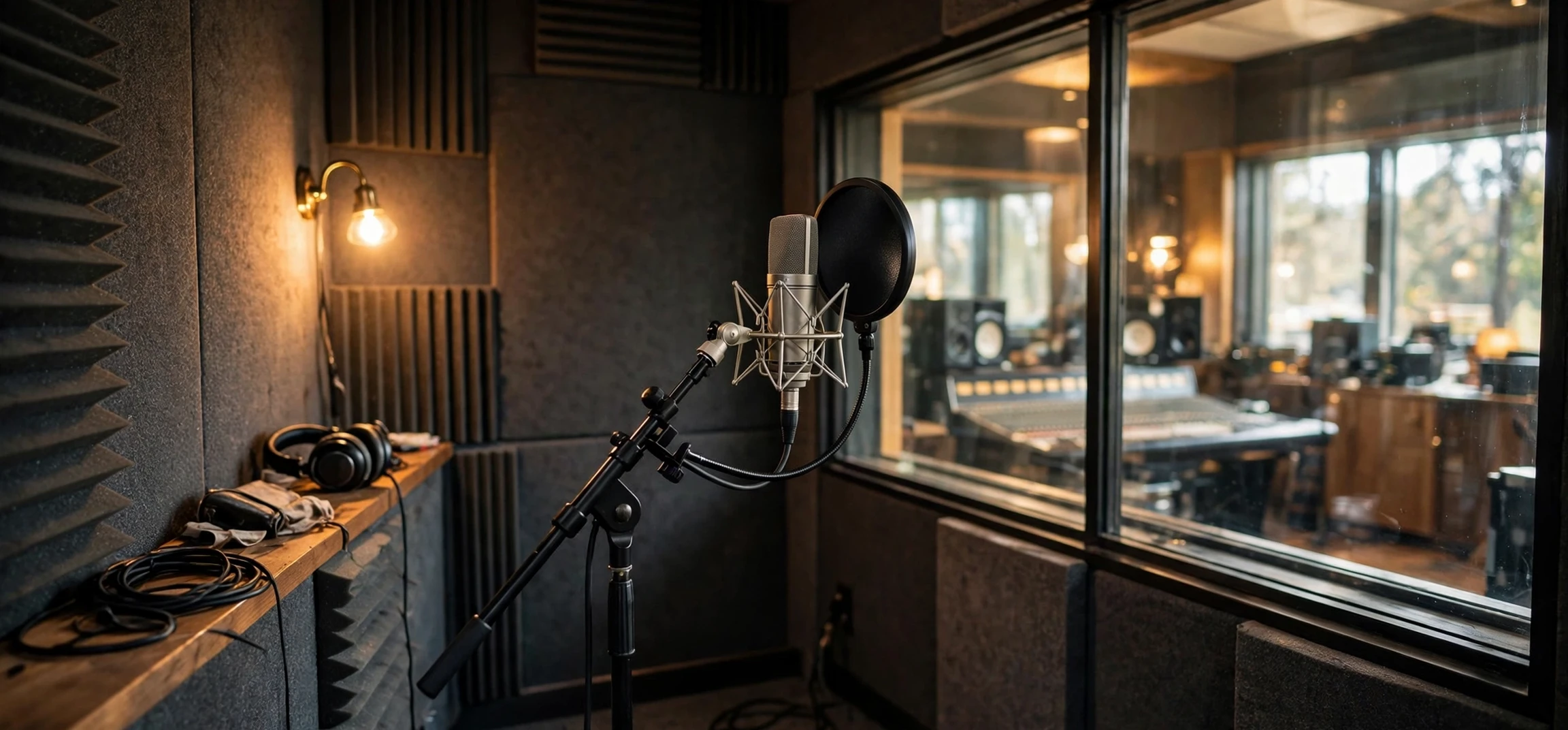
Recording sessions add another layer. In many animated projects, performers record alone in a booth, responding to lines that have not yet been animated or to directions from a director and engineer. The performer must imagine the scene, keep the character consistent across takes, and match timing cues that will later guide the animators. In other projects, performers record together, which allows genuine reactions and overlapping dialogue. Both methods demand concentration, because a vocal take that sounds lively in the booth can still fail if it does not fit the finished scene’s pace.
Energy is a useful word here, but it needs careful definition. High energy in voice acting does not simply mean loudness. It can mean pace, variation, attack on key words, or the ability to shift quickly between excitement, frustration and tenderness. A performer with strong vocal energy can keep a long scene engaging without shouting, and can also pull back sharply for a moment of surprise or sadness. Listeners often describe such performances as “hype” in fan language, but the craft behind that impression is control: knowing when to push, when to pause, and when to let silence do the work.
Voice Work Compared with On-Camera Acting
On-camera acting uses face, gesture, posture and movement alongside voice, so an audience receives many signals at once. Voice acting removes the visual signals from the performer’s own body and asks the voice alone to carry character, emotion and story. That constraint changes the craft. Small vocal choices become larger: a breath before a line, a slight rise at the end of a question, or a change in pace can signal doubt, humour or danger. Performers must therefore be precise, because listeners cannot rely on a smile or a shrug to clarify meaning.
Animation adds a partnership that on-camera work does not have in the same form. Animators build movement, expression and timing around the recorded voice, so the final character is a collaboration between sound and image. A well-matched performance feels inevitable, as if the drawn character could sound no other way, but that feeling is the result of many decisions on both sides. When viewers praise an animated character, they are often praising that collaboration, even if they notice only the voice or only the design at first.
Types of Animation Voice Work to Understand
Animation voice work is not a single job. Series animation may require a performer to return across many episodes, keeping a character’s voice stable while the character grows. Feature animation may involve a longer, more detailed recording process for a single story, with more time spent on emotional scenes and musical or action sequences where relevant. Short-form animation, including web series and specials, may ask for a complete character in a much shorter running time, which rewards clear, distinctive choices made quickly.
Dubbing and localisation form another category. In dubbed work, a performer voices a character originally performed in another language, matching lip movements and timing as closely as possible while keeping the dialogue natural. In original-language animation, the performer creates the first vocal version of the character, which later dubbed performers may use as a reference. Both forms require skill, but they involve different constraints, and a careful credit listing should say which form applies rather than treating all voice work as identical.
Voice work also appears outside traditional animation. Video games, audio dramas, narration and animated promotional material all use vocal performance, and some performers move between those areas. A guide focused on animation should therefore be clear about its scope: it discusses animated screen work primarily, and mentions neighbouring voice work only where it helps explain a skill or a credit. Blurring every vocal job into “animation” would mislead readers about where to look for a particular performance.
How to Listen to a Vocal Performance Like a Director
Listening carefully transforms how animation is enjoyed. Start with consistency: does the character sound recognisably the same across episodes, while still changing enough to show growth or mood? Next, listen for range: can the performer move between comedy and seriousness without the character feeling like a different person? Then listen for timing, especially in comedy and action, where a pause or a rushed line can change a joke or raise tension. Finally, listen for relationships: does the voice change subtly when the character speaks to a friend, a rival or a mentor?
It also helps to listen without the picture once, where a clip or episode allows it. Removing the image forces attention onto pace, emphasis and breath, and reveals how much storytelling the voice carries alone. Then watch with the picture again and notice how animation supports or extends the voice. That two-step exercise is used informally by many fans and students, and it builds appreciation without requiring technical training. It also prevents the common error of crediting the animation alone for an effect that began in the recording booth.
Energy, again, deserves a balanced view. A performance that feels exciting may rely on volume in one scene and on stillness in the next. The contrast between those choices creates momentum. A performer who is loud in every scene soon loses impact, because listeners stop noticing changes. A performer who varies energy thoughtfully keeps attention across a whole episode, and that variation is often what fans remember as a distinctive “hype” quality, even if they cannot name the technique behind it.
| Vocal skill | What listeners hear | What it does for the story |
|---|---|---|
| Consistency | A recognisable character voice across episodes | Keeps the character believable over time |
| Range | Comedy, tension and tenderness from one voice | Allows character growth without confusion |
| Timing | Pauses, pace and emphasis in the right places | Shapes jokes, suspense and emotional beats |
| Energy control | Variation between intensity and stillness | Holds attention across long scenes |
| Relationship colour | Subtle shifts with different characters | Shows friendship, rivalry and respect |
Verifying Alex Cazares Animation and Voice Credits
Animation credits can be harder to verify than on-camera credits, because the performer is not visible and fan lists sometimes attribute a voice by ear alone. Listening by ear is a starting point, not proof. A voice can sound similar to another performer’s, a character’s voice can change between versions, and a short clip may not contain enough material for a confident identification. Reliable verification therefore relies on official episode credits, distributor cast lists, production announcements or agreement across reputable databases.
Readers should also watch for version differences. A character may be voiced by one performer in an original version and another in a dubbed version, or may change performer between seasons. A listing that gives only a character name without a version or season note may therefore be incomplete. When you compare sources, check whether they refer to the same version, the same season and the same project. If they do not, the apparent disagreement may simply be a difference in scope.
Another caution concerns compilation videos and fan edits. Such videos often combine clips from many projects, and their descriptions may credit every performer who appears anywhere in the video, or may credit the wrong performer for a particular clip. Use them as discovery tools, not as final sources. When a clip interests you, trace it back to the original episode or official listing before repeating the credit in your own notes or posts.
For a broader view of how screen careers are documented on this site, readers may compare this animation-focused guide with other performer guides such as Camille Guaty movies and TV shows, Amanda Zhou movies and TV shows and Shameless TV show actors. Together, those pages show how the same verification habits apply across on-camera and voice work alike.
Following Alex Cazares New Animation Work Without Rumour
Following new work is easier when you separate announcement, production and release. An announcement may name a performer for a project that is still being made. Production news may describe recording sessions or casting additions. Release news confirms that the project is available with credits attached. Treating all three stages as the same thing leads to premature claims, especially when a project is delayed or a role changes before release.
Official channels are the safest route: production companies, broadcasters, streaming services and reputable trade publications. Fan accounts can be useful for alerts, but their posts should prompt a check of an official source, not replace it. If you cannot find an official confirmation, describe the project as reported or rumoured, and note the source. That honesty protects both readers and the performer, whose public record should not gain credits that were never finalised.
It is also worth keeping personal expectations in proportion. Animation production takes time, and gaps between projects are normal. A quiet period does not mean a performer has stopped working, and a busy announcement period does not guarantee immediate releases. A patient, source-based approach to following new work gives a truer picture over months and years than daily speculation based on every social post.
Frequently Asked Questions
Why does the search phrase include an apostrophe after Alex Cazares? The trailing apostrophe in “alex cazares’” is a search-query artefact, created when a phrase is truncated, auto-completed or copied with possessive punctuation. The performer’s name is Alex Cazares, and that is the form used in this article.
Is voice acting easier than on-camera acting? No. It is different, not easier. Voice performers must carry character and emotion through sound alone, maintain consistency across sessions, and match timing that animators will later build upon, all without the visual signals available on camera.
Can a voice be identified reliably by ear alone? Sometimes, but not always. Similar voices, version changes and short clips can mislead even experienced listeners. Official credits and reputable databases are needed for a confident identification.
What is the difference between original and dubbed animation voice work? Original voice work creates the first vocal version of a character. Dubbed work replaces that version in another language, matching timing and lip movement while keeping dialogue natural. Both require skill, but their constraints differ.
How should new animation projects be described before release? As announced or in production, with the source noted, until the project is released with credits. Only then should it be described as a completed credit.
Conclusion
Voice acting and animation work reward close listening. Behind an energetic, memorable animated character lies a set of deliberate choices about tone, pace, consistency and restraint, shaped in the recording booth and completed through animation. By listening for those choices, checking credits against official sources, and separating announcements from releases, readers can follow Alex Cazares voice work with confidence and fairness. The most exciting performances are not simply loud or fast; they are controlled, varied and true to character across a whole story. That control is the real source of the energy fans notice, and it is worth appreciating on its own terms.



