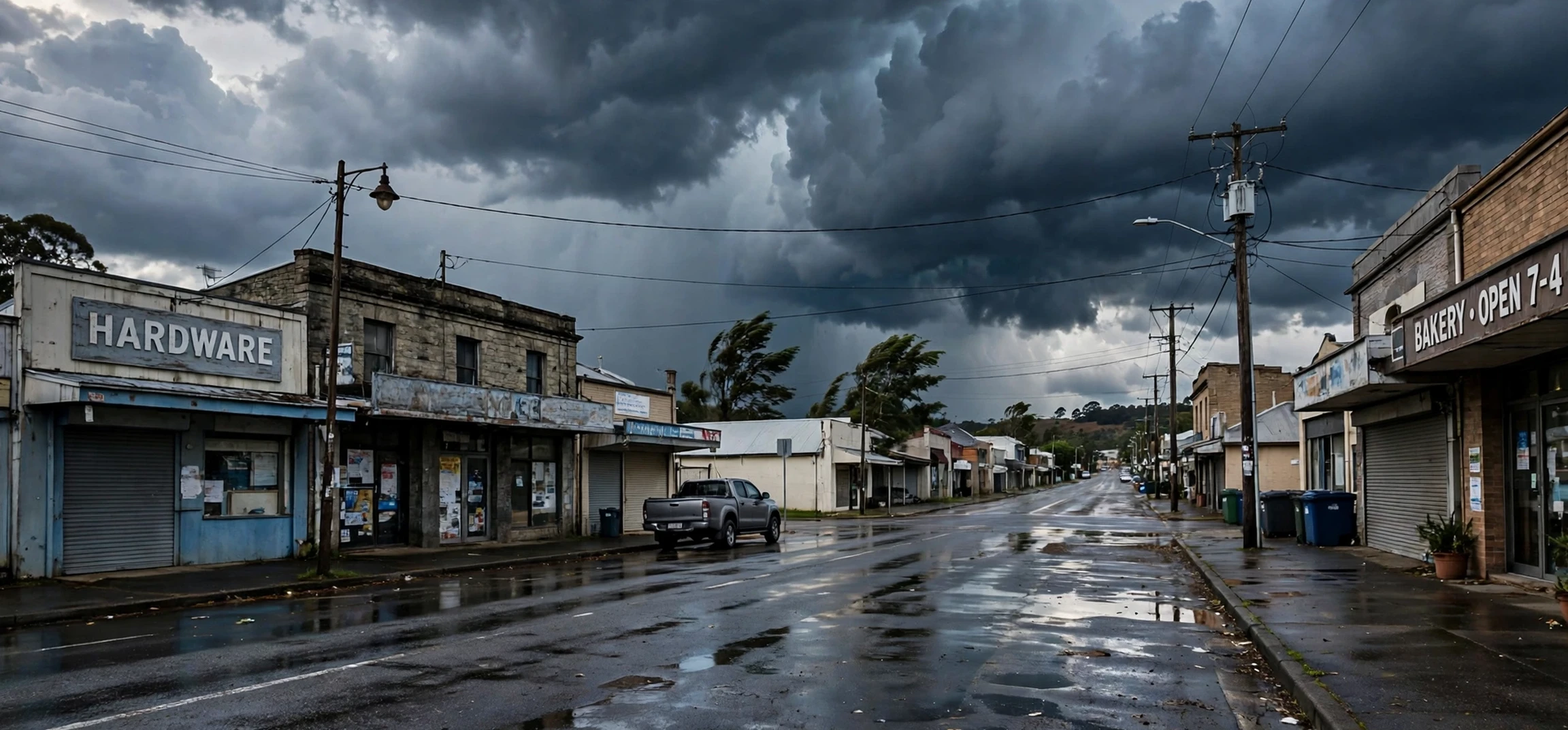
The phrase “gloom and doom” is one of English’s most recognisable pairings, and the gloom and doom definition is simpler than its dramatic sound suggests. At its core, gloom and doom means a feeling, atmosphere or prediction of deep pessimism: the sense that things are bad and likely to get worse. It can describe a person’s outlook, the tone of a piece of writing, a forecast about the economy or climate, or the mood of a film, novel or play. This guide explains the gloom and doom definition in detail, traces how the phrase is used, and shows how critics use it to describe works that dwell on darkness without offering easy comfort.
Understanding the phrase matters because it is used in two slightly different ways. Sometimes it describes a genuine emotional state: someone who sees only gloom and doom is someone who expects the worst. At other times it is used critically or dismissively, to suggest that a prediction is exaggerated, or that a work is unrelentingly bleak for effect. Context usually tells you which sense is intended, and paying attention to that context is the key to using the phrase accurately.
Gloom and Doom Definition Explained
The gloom and doom definition, in plain terms, is: a state of pessimism or despondency, or a prediction that bad things will happen. “Gloom” on its own suggests darkness, sadness or a lack of hope. “Doom” suggests a terrible fate or disastrous outcome. Put together, the two words reinforce each other, creating a phrase that is stronger than either word alone. That reinforcement is why the pairing has survived: it sounds like what it means, heavy and final.
Grammatically, the phrase usually functions as a noun phrase. People speak of “the gloom and doom” surrounding an event, or of “gloom-and-doom merchants” who profit from fear. It can also appear as a modifier, as in “a gloom-and-doom forecast” or “a gloom-and-doom novel.” In that adjectival use, it tells the reader what tone to expect before a single detail is given. That economy is part of its appeal for headlines, reviews and everyday conversation.
Gloom, Doom, and the Pairing Together
Separating the two words helps to clarify the combined meaning. Gloom is atmospheric: a gloomy room, a gloomy day, a gloomy mood. It suggests dimness and low spirits rather than a specific disaster. Doom is eventful: it points towards an outcome, often a catastrophic one. When the words are paired, atmosphere and outcome merge. The feeling is gloomy because the expected outcome is doom, and the expected outcome feels like doom because the mood is already gloomy. Critics and commentators use the pairing precisely for that circular, self-reinforcing quality.
Origins and Everyday Usage of Gloom and Doom
The gloom and doom definition has a long history in English, with the paired phrase becoming common in the twentieth century, particularly in journalism and political commentary. Its popularity owes much to alliteration and rhythm: the repeated sounds make it memorable, and its slightly old-fashioned ring gives it a wry, almost theatrical quality. That is why it often appears with a hint of irony, even when the subject is serious.
In everyday speech, the phrase is frequently used to push back against pessimism. Someone might say, “Let’s not get into gloom and doom,” meaning that a conversation has become too negative and needs balance. In that use, the phrase is not a neutral description; it is a judgement. It implies that the pessimism is excessive, or at least that it is unhelpful to dwell on it. Recognising that judgement is important for learners, because the same words can describe, warn or mock depending on tone.
In news and economics, gloom and doom often describes forecasts. A “gloom and doom” economic outlook predicts recession, job losses or falling confidence. Readers should treat such labels carefully: a forecast labelled in this way may be genuinely alarming, or the label may be signalling that the forecaster is known for pessimism. Checking the evidence behind the forecast, rather than reacting to the label alone, is good practice.
Gloom and Doom in Criticism: The Critics’ Choice Angle
In arts criticism, the gloom and doom definition takes on a more specific meaning. Critics use the phrase to describe works whose tone, subject matter or worldview is dominated by darkness, despair or catastrophe. A gloom-and-doom novel might portray a society in collapse, a family in unravelling, or a character with no hope of redemption. A gloom-and-doom film might use muted colours, slow pacing and bleak landscapes to create a sense of inevitability.
Importantly, critics do not always use the phrase negatively. Some works are praised precisely for their unflinching gloom, because the darkness feels honest, earned or artistically powerful. A critic might describe a play as “gloom and doom done right” to mean that its bleakness serves a purpose: it reveals truth, provokes thought, or creates a powerful emotional experience. Other works are criticised for gloom that feels hollow, repetitive or manipulative — darkness without insight, or despair without craft. The difference, for critics, is usually whether the gloom illuminates something or merely decorates it.
This distinction is useful for readers and viewers forming their own opinions. When you encounter a bleak work, ask: does the darkness reveal character, theme or social reality? Does it change as the work progresses, or does it stay at the same pitch throughout? Does it offer any counterweight — humour, tenderness, resistance, beauty — or does it refuse all relief? The answers will tell you whether the gloom feels like a choice with meaning or like a default setting.
Gloom and Doom Across Media
In literature, gloom-and-doom writing includes dystopian fiction, bleak realism and tragedy, where the tone matches a worldview in which human effort seems futile or costly. In film, the phrase is often applied to post-apocalyptic stories, war films and certain crime dramas, where visual style reinforces the theme. In music, critics use it more loosely, for lyrics or sounds that dwell on loss, dread or endings. In each medium, the core gloom and doom definition remains the same, but the techniques differ: prose uses imagery and narration, film uses light and sound, music uses tempo and timbre.
The phrase also appears in discussions of genre. Some genres are expected to be gloomy: horror, tragedy and dystopia would feel odd without darkness. In those cases, critics judge not the presence of gloom but its quality and originality. In genres where gloom is unexpected, such as comedy or romance, a sudden turn towards doom can be a powerful surprise — or a jarring misstep, depending on how it is handled.
How to Use the Phrase Well
Using “gloom and doom” well means matching it to the right situation and tone. It works best for general atmosphere or outlook, not for precise description. If you need to describe a specific economic forecast, name the figures and the reasoning; “gloom and doom” can summarise the tone, but it cannot replace the evidence. If you need to describe a person’s mental state, consider whether a more precise term — sadness, anxiety, hopelessness — would be kinder and more accurate. The phrase is vivid, but vividness is not always sensitivity.
It is also worth noting the phrase’s register. It is informal and slightly journalistic, which makes it suitable for reviews, opinion pieces, blogs and conversation. In formal academic writing, a more precise term is usually preferable, unless you are quoting or discussing the phrase itself. In creative writing, it can be effective in dialogue, where a character might use it to dismiss another character’s fears, or in narration with a wry, knowing tone.
| Context | Typical meaning | Example use |
|---|---|---|
| Everyday conversation | Excessive pessimism | “Enough gloom and doom — what can we actually do?” |
| News and economics | Bleak forecast or outlook | “The report was dismissed as gloom and doom.” |
| Arts criticism | Bleak tone or worldview in a work | “The film embraces gloom and doom, but earns it.” |
| Personal outlook | Expecting the worst | “She refused to give in to gloom and doom.” |
Related meaning guides on this site include our explanations of acceded meaning and ethos, logos and pathos, which, like this guide, focus on how words and phrases carry tone as well as definition.
Synonyms, Near-Synonyms and Opposites
Useful synonyms for gloom and doom include pessimism, despondency, bleakness, despair and foreboding, though none captures the exact flavour of the pairing. “Pessimism” is more neutral and psychological. “Despondency” is more formal and personal. “Foreboding” suggests a sense that something bad is coming, without the full weight of doom. Choosing among these depends on whether you want to emphasise feeling, forecast or tone.
Opposites include optimism, hopefulness, cheerfulness and confidence, though again the match is imperfect. The opposite of a gloom-and-doom forecast is not necessarily a cheerful forecast; it might simply be a balanced or evidence-based one. That nuance matters: rejecting gloom and doom does not require embracing blind optimism. It can mean insisting on proportion, evidence and the possibility of change.
Gloom and Doom Definition in Modern Criticism
Modern critics use the gloom and doom definition in a more nuanced way than headline writers do. When a critic calls a work gloomy, they are usually describing a sustained tone rather than a single sad scene. The gloom and doom definition in criticism therefore includes questions of duration, consistency and purpose: how long does the bleakness last, does it deepen or merely repeat, and does it serve the work’s themes? A work that is bleak for a reason is judged differently from a work that is bleak by habit.
This critical use of the gloom and doom definition also helps audiences choose what to watch or read. A reader who knows that a novel has been described as gloom and doom can decide whether that tone suits their mood, rather than discovering it halfway through. Reviewers therefore have a responsibility to use the gloom and doom definition fairly, distinguishing between a work that is thoughtfully dark and one that is simply depressing. The best reviews explain which kind of gloom is on offer, and why it works or fails.
For writers, the gloom and doom definition is a useful check during drafting. If every scene points towards doom, the story may lose tension, because the audience stops hoping for a different outcome. Introducing contrast — a moment of humour, kindness or beauty — does not weaken a gloomy work; it often strengthens it, by making the darkness stand out more clearly. That balance is what separates memorable bleak writing from writing that merely accumulates misery.
It is worth restating the point plainly, because learners often search for it in exactly these words: the gloom and doom definition is not a technical term with a single authorised meaning, but a widely understood description of deep pessimism. When dictionaries, teachers and critics give the gloom and doom definition, they converge on the same core idea — darkness of mood plus expectation of disaster — even if they phrase the gloom and doom definition differently. Keeping that shared core in mind helps readers recognise the phrase even when it appears in a new context.
Frequently Asked Questions
What is the gloom and doom definition in one sentence?
The gloom and doom definition is a feeling, atmosphere or prediction of deep pessimism: the sense that things are bad and likely to get worse.
Is “gloom and doom” always negative?
Not entirely. It usually describes negativity, but in criticism it can be praise when bleakness feels honest and artistically earned. In conversation it is often used to warn against excessive pessimism.
Can gloom and doom describe a person?
Yes, but carefully. Describing someone as a “gloom-and-doom merchant” suggests they spread pessimism, often for attention or profit. For a person’s emotional state, more precise and sensitive language is usually better.
Why is the phrase so common in headlines?
Its rhythm, alliteration and vividness make it memorable and economical. A headline can convey tone in three words, which is why editors return to it so often.
Conclusion
The gloom and doom definition is straightforward, but its uses are rich. It describes a mood, a forecast and a critical judgement, sometimes all at once. It can warn, mock, praise or summarise, depending on context and tone. Understanding those shifts is the difference between using the phrase as a cliché and using it with precision.
For readers, writers and critics alike, the practical lesson is to look past the label. Ask what evidence supports a gloomy forecast, what purpose bleakness serves in a work of art, and whether pessimism in a conversation is proportionate or exaggerated. The phrase “gloom and doom” will continue to appear in headlines and reviews, but a reader who understands its definition — and its many tones — will be less likely to be swayed by it and more likely to judge the substance underneath.



