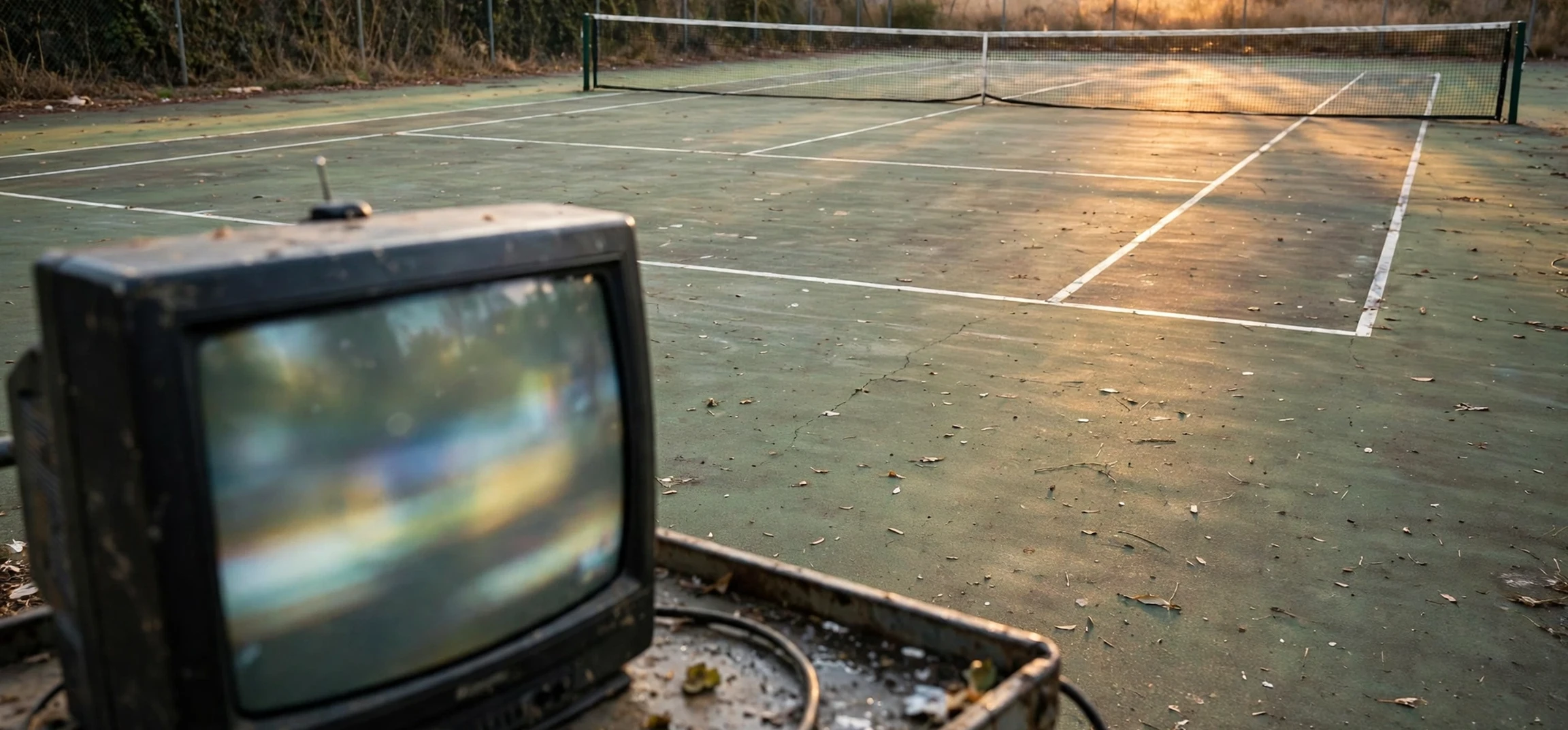
Every year, as the final Grand Slam of the season approaches, the same question surges in search: us open what channel on tv. The short answer is that there is no single permanent answer, because television rights for the US Open change by country, by year, and by platform, and coverage is often shared between several broadcasters and streaming services. The reliable way to answer “us open what channel on tv” for your own home is to check the official listings for your country close to the tournament, rather than relying on a channel name you remember from a previous year. This guide explains how US Open television coverage works, why it moves around, and exactly where to check so you never miss a match you wanted to see.
Important note on this guide: it deliberately gives no schedules and no channel assignments stated as current fact, because those details change and a stale answer would mislead you. Instead, it shows you the official sources and the checking routine that will give you the correct answer for your location and your television package on the day you want to watch.
US Open What Channel on TV: Why There Is No Single Answer
The question “us open what channel on tv” sounds simple, but the broadcasting behind it is complex. The United States Tennis Association sells media rights territory by territory, which means the broadcaster in one country can be completely different from the broadcaster in another. Within a single country, rights may be split between a main broadcaster, a secondary channel, and a streaming service, with different rounds or different courts assigned to different outlets.
Rights also change over time. A broadcaster that showed the tournament for several years may lose the rights at the next renewal, or a new streaming service may join the line-up. That is why a channel that was correct last year, or even earlier in the same season for a different tournament, may not be correct for this year’s US Open. Tennis fans who rely on memory rather than current listings are the ones most likely to tune in to the wrong channel.
Your own television package adds a further variable. Two neighbours in the same city can have different answers to “us open what channel on tv” because one subscribes to a cable package that includes a sports channel and the other uses a streaming bundle, a free-to-air aerial, or a different provider. The channel number also varies by provider: the same broadcaster can sit on different numbers on different platforms. Always check the guide for your own provider, not a generic channel number found online.
How US Open TV Coverage Is Organised
Although the details vary, US Open coverage usually follows a recognisable pattern. Early rounds involve many matches played at the same time across multiple courts, so broadcasters use several channels or streams to show different matches simultaneously. As the tournament narrows to the later rounds, coverage tends to concentrate on the show courts and the biggest matches, with longer continuous broadcasts.
Broadcasters also divide coverage between live play, highlights, and studio programming. A main channel may carry the headline match, while a companion stream shows another court, and a highlights programme later summarises the day. Some services offer a choice of courts, letting viewers switch between matches, while traditional television offers a curated feed chosen by the broadcaster. Knowing which style you prefer helps you choose between a television package and a streaming option.
Time zones matter too. The US Open is played in New York, so match times translate differently around the world. A night session in New York is an early-morning session in much of Europe and an evening or overnight session in parts of Asia and Australia. When you check listings, confirm whether the times shown are local to you or converted, and set reminders accordingly so a time-zone slip does not cost you a match.
US Open What Channel on TV: Check Official Listings First
The single most reliable step is to check the official US Open broadcast information for your country. The tournament’s official website publishes broadcast partner information, and that page is updated when rights change. Start there, identify the broadcaster or service named for your territory, and then confirm the details with that broadcaster’s own listings.
Next, check your own provider’s television guide. Your cable, satellite, or streaming provider publishes a programme guide, usually searchable by sport, tournament name, or date. Search for “US Open” in that guide for the days you want to watch, and note the channel, the start time, and whether the programme is live or a repeat. If your provider offers a reminder or recording function, use it for the matches you care about most.
Third, cross-check with a reputable television listings source for your country, such as a national listings guide or the broadcaster’s own schedule page. If two independent listings agree, you can be confident. If they disagree, trust the broadcaster’s own schedule, because that is the source the other listings are summarising. Do this check close to the match, not weeks in advance, because schedules can shift if play is delayed by weather or a long match runs over.
A Five-Minute Checking Routine
First, open the official US Open broadcast page and note the partner named for your country. Second, open your provider’s guide and search for the US Open on the day you want to watch. Third, note the channel name, not just the number, because numbers vary by provider. Fourth, check whether the listing says live, and whether extra courts are available on a companion stream. Fifth, set a reminder or recording. That routine takes five minutes and removes almost all of the guesswork from “us open what channel on tv”.
Television, Streaming, and Radio Options
Most viewers will watch through one of three routes: traditional television, a streaming service, or a combination of both. Traditional television suits viewers who want to switch on and watch the broadcaster’s chosen match, with studio presentation and commentary. Streaming suits viewers who want to choose between courts, watch on a phone or laptop, or catch up after the live action.
Many broadcasters now offer both: a television channel and a companion streaming service carrying the same coverage plus extra courts. Some streaming services are included with a television subscription, while others are sold separately. Before the tournament, check what your existing subscriptions already include; you may already have access to the coverage without buying anything new. Also check whether a service requires a particular device, app, or internet speed for live sport, and test it before the first match you want to see.
Radio and live text coverage are useful fallbacks. If you are travelling, or if television coverage is interrupted, a sports radio service or a live scores service can keep you across the score while you find a screen. These fallbacks do not replace television coverage, but they stop you missing the drama of a deciding set while you sort out the viewing.
When comparing television options, guides to sports channels can help you understand what a package contains in general terms. For example, a guide to a sports channel on a television provider shows how channel availability depends on the package and provider, which is exactly the point to check for the US Open. Similarly, a streaming television channel list illustrates how the same service can offer different line-ups at different tiers. Use such guides to understand packages, but always confirm the US Open itself in current official listings.
Common Mistakes When Finding US Open Coverage
The most common mistake is trusting an old article. A page written two years ago may rank highly in search results and name a channel with confidence, yet the rights may have moved since. Always check the date of any article you read, and prefer the official broadcast page and your provider’s current guide over any third-party summary, however confident it sounds.
Another mistake is confusing tournaments. The US Open is one of four Grand Slams, alongside the Australian Open, the French Open, and Wimbledon, and each has its own broadcast arrangements. A channel that shows Wimbledon in your country may have nothing to do with the US Open. Search specifically for the US Open, not for tennis in general, when you check listings.
A third mistake is assuming a channel number travels with you. Channel numbers are set by your provider, not by the broadcaster, so a number that works on one provider will not work on another. Note the channel name, then find its number in your own guide. If you are watching at a friend’s house, a hotel, or a holiday home, repeat the check on that provider’s guide rather than assuming your home numbers apply.
Finally, do not rely on social media clips as a guide to live coverage. Short clips and highlights circulate widely during the tournament, but they do not tell you which channel carries the live match, and they may come from a broadcaster in another country whose coverage you cannot access. Use social media for excitement and discussion, and official listings for viewing decisions.
Planning Your US Open Viewing
Good planning turns a fortnight of tennis into a pleasure rather than a scramble. At the start of the tournament, look at the order of play, which is published daily, and mark the matches you most want to see. Then check, for each of those days, which outlet carries those matches in your territory. Some days you may watch on television, other days on a stream, depending on court assignments.
Consider the practicalities. Live tennis can run long, so a recording may capture more than the scheduled slot; allow extra recording time if your device permits it. If you share a television, agree in advance which matches take priority. If you follow a particular player, note that their court assignment can change from day to day, so check the order of play each morning rather than assuming they will be on the same court as yesterday.
For viewers in different time zones, planning matters even more. Decide in advance whether you will watch live overnight, catch a morning replay, or follow highlights and watch a full replay later. Each option has its pleasures, and choosing deliberately beats drifting into spoilers on social media before you have seen the match. If you plan to avoid results, mute tournament keywords until you have watched the replay.
Frequently Asked Questions
Why does the US Open channel seem to change?
Because media rights are sold by territory and by contract period, and they are often shared between broadcasters and streaming services. When a contract renews, the broadcaster can change, and within a contract, different rounds can sit on different channels or streams.
What is the best source for the current channel?
The official US Open broadcast information for your country, confirmed against your own provider’s programme guide. Those two sources together give you the channel name, the schedule, and the correct number for your package.
Can I watch without a traditional television package?
It depends on your country and the current rights holder. Some territories offer streaming services that carry the tournament without a cable subscription, while others tie coverage to a television package. Check the official broadcast page for your territory to see which routes are available to you.
Why does a channel number I found online not work?
Channel numbers are set by each provider, so the same broadcaster sits on different numbers on different platforms. Always search by channel name in your own provider’s guide rather than dialling a number found online.
Conclusion
The question “us open what channel on tv” has no fixed answer, and that is the most useful thing to understand about it. Rights vary by country, by year, and by platform, and your own package determines the final channel number. The winning routine is simple: check the official US Open broadcast information for your territory, confirm it in your provider’s current guide, note the channel name rather than a borrowed number, and re-check close to the match in case schedules shift. Follow that routine and you will spend the fortnight watching tennis instead of hunting for it.



