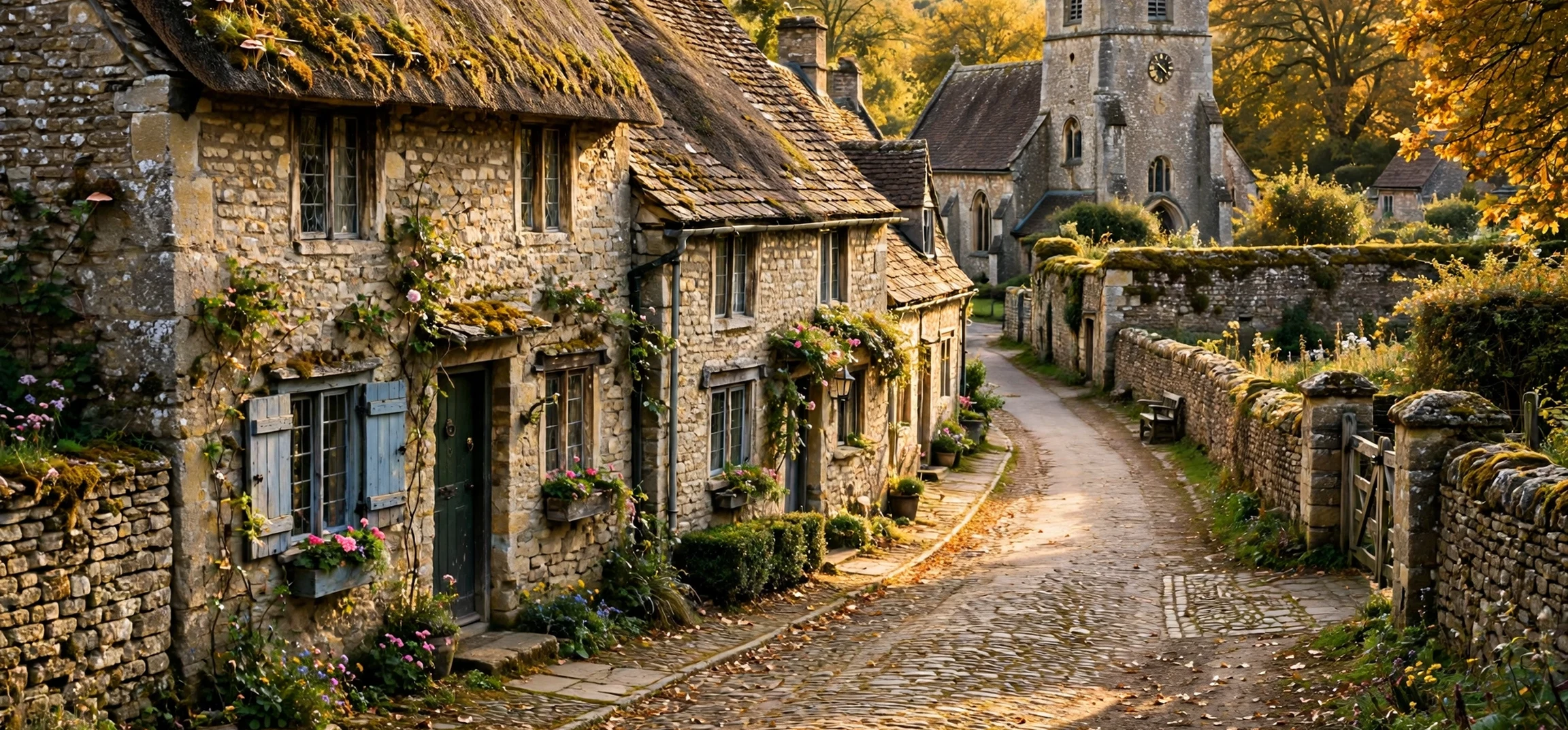
Cranford actors are the performers who brought Elizabeth Gaskell’s fictional market town to life on screen, and any guide to the Cranford cast is really a guide to ensemble acting at its finest. The television adaptation presents a close-knit community of characters, each with a distinct voice, social position, and personal history, and the strength of the production lies in how those performances fit together. This article focuses on career and role framing only: it explains who the central fictional characters are, what kind of performance each role required, and why the casting worked so well as an ensemble. It does not speculate about the private lives of the performers, and it does not present unverified personal details as fact.
Cranford, as a story, is gentle on the surface and sharp underneath. It follows the daily lives, friendships, rivalries, and quiet dramas of a small English town in the nineteenth century, with particular attention to its women residents. The humour comes from social customs, misunderstandings, and the clash between tradition and change, while the emotion comes from loyalty, loss, and the bonds that hold a community together. An adaptation of this kind needs actors who can convey a great deal with a glance, a pause, or a carefully chosen line, because much of the drama happens in drawing rooms, shops, and streets rather than in grand set pieces. The Cranford cast meets that challenge with restraint, warmth, and precision.
Cranford Actors: Why the Ensemble Casting Works
Cranford actors succeed as an ensemble because no single performance dominates the whole production. Instead, the story moves between households, friendships, and social occasions, and each actor contributes a piece of the town’s character. One performer may carry a scene about social propriety, another may carry a scene about grief or generosity, and a third may provide the comedy that keeps the tone balanced. This sharing of focus mirrors the novel’s own structure, in which Cranford itself, as a community, is almost a character in its own right.
Ensemble casting also requires a particular kind of discipline. Actors must listen as much as they speak, react convincingly to other characters, and maintain consistency across many small scenes. In Cranford, that discipline is visible in group scenes, such as gatherings, visits, and community events, where several characters are present at once and the audience must be able to follow multiple relationships simultaneously. The best ensemble work feels effortless, but it is the result of careful rehearsal, clear direction, and performers who understand that their role is part of a larger pattern.
Another strength of the casting is its range of experience. The production brings together performers known for stage work, television drama, and film, and that mix gives the town a believable variety of energies. Some characters are played with formal dignity, others with lively humour, and others with quiet vulnerability. The contrast between those styles is part of what makes Cranford feel like a real community rather than a collection of similar figures. A viewer can distinguish characters quickly, not only by costume or setting, but by the way each actor uses voice, posture, and timing.
Cranford Actors: The Central Characters and Their Roles
At the centre of Cranford are its women residents, whose friendships and social lives drive much of the story. Miss Matty Jenkyns is one of the most important fictional figures, portrayed as a kind, modest, and principled woman whose generosity and moral clarity anchor the community. The role requires warmth without sentimentality, and dignity without stiffness. The actor playing Miss Matty must make her goodness believable, showing both her strength and her vulnerability, especially in storylines about family, money, and independence.
Miss Deborah Jenkyns, her sister, provides a contrast in temperament and social authority. Where Miss Matty is gentle, Miss Deborah is more commanding and more concerned with propriety. The dynamic between the sisters is central to the early story, because it shows how two people who love each other can still disagree about how a household and a community should be run. The performances need to balance affection with friction, so that the sisters feel like family rather than caricatures.
Other central fictional characters expand the social world of Cranford. Mrs Forrester, Miss Pole, and Mrs Jamieson each represent different aspects of town life, from hospitality and gossip to social hierarchy and local influence. Their scenes often provide humour, but they also reveal how information travels in a small town, how reputations are formed, and how kindness can be expressed in practical ways. The actors in these roles must be precise with comedy, because a joke that is played too broadly can undermine the realism, while a joke played too subtly can be lost.
Younger characters and new arrivals
Younger fictional characters and newcomers bring change into Cranford, and their roles are important for the story’s themes of tradition and progress. Characters such as Mary Smith, who narrates much of the action in the novel, provide an observer’s perspective, allowing the audience to learn about the town gradually. New arrivals, visitors, and returning residents create opportunities for fresh relationships, misunderstandings, and reconciliations. The actors playing these roles must convey curiosity, adaptability, and emotional openness, because their characters are often learning about Cranford at the same time as the audience.
Male characters, though fewer in number, play significant roles as doctors, clergymen, soldiers, tradespeople, and family members. Their performances help to show how Cranford connects to the wider world, through work, travel, and family ties beyond the town. In a story centred on women, these roles work best when they are played as fully rounded figures rather than as mere plot devices, and the Cranford cast achieves that balance by giving each male character a clear purpose, a distinct manner, and a believable relationship to the women around him.
Cranford Actors: Performance Style and Period Drama Craft
Period drama places special demands on actors. Costume, language, and social etiquette must feel natural rather than studied, and the Cranford actors achieve this by focusing on character rather than on display. The dialogue, adapted from nineteenth-century prose, requires clarity and rhythm, but it must still sound like conversation, not recitation. Performers handle this by finding the emotional intention behind each line, whether it is reassurance, teasing, reproach, or affection, and by letting that intention shape delivery.
Physical performance matters too. In a small-town drama, much meaning is conveyed through small gestures: the offering of tea, the arrangement of a room, the way a letter is held, or the pause before a reply. These details, when played with care, make the world feel lived in. They also help modern audiences understand social customs that might otherwise seem distant. A well-judged gesture can explain hierarchy, friendship, or embarrassment more effectively than a long speech, and the Cranford cast uses this visual language throughout.
Voice work is another key element. Characters in Cranford are distinguished by accent, pace, and tone, and those choices help the audience follow a large cast. Some characters speak quickly and energetically, reflecting sociability or nervousness. Others speak slowly and deliberately, reflecting authority or caution. These vocal choices are part of characterisation, not decoration, and they support the storytelling by making each figure instantly recognisable in group scenes.
Cranford Actors: Reception and Lasting Appeal
The Cranford adaptation is often remembered fondly by viewers who enjoy character-driven drama, literary adaptation, and ensemble performance. Its appeal lies less in plot twists and more in the pleasure of spending time with a community, watching friendships deepen, and seeing how small acts of kindness or thoughtlessness ripple through a town. That kind of appeal depends heavily on casting, because audiences must care enough about the characters to enjoy their everyday lives. The Cranford actors earn that care by playing their roles with consistency, humour, and emotional honesty.
For viewers interested in literary adaptation, Cranford also offers a useful comparison with other period dramas. Unlike adaptations centred on a single romance or a single hero, Cranford distributes attention across many characters, which makes it a good example of ensemble storytelling. It shows that a drama can be engaging without constant crisis, provided the characters are well drawn and well played. That lesson has influenced later ensemble period productions, which similarly rely on a strong cast to sustain interest across episodes.
If you enjoy exploring ensemble casts in other series, our guides to the Legion television series cast, the Longmire television series cast, and the According to Jim television show cast offer similar role-focused overviews. Each looks at how a cast works together, rather than at unverified personal detail.
| Fictional character group | Role in the story | Performance quality to notice |
|---|---|---|
| The Jenkyns sisters | Emotional and moral centre of the town | Warmth, dignity, and sisterly contrast |
| Established town residents | Social life, hospitality, and local custom | Comic timing and social precision |
| Younger observers and newcomers | Fresh perspective and change | Curiosity, openness, and adaptability |
| Male residents and visitors | Links to work, family, and the wider world | Restraint and believable relationships |
| The community as a whole | Shared history and mutual support | Ensemble listening and group chemistry |
Frequently Asked Questions
Who are the Cranford actors?
Cranford actors are the ensemble performers who portrayed the fictional residents of Cranford in the television adaptation. This guide focuses on their roles and performances, rather than on private personal information.
Who is the central character in Cranford?
Miss Matty Jenkyns is often regarded as the emotional centre of the story, but Cranford is best understood as an ensemble drama, with many characters sharing focus across episodes.
Is Cranford based on a novel?
Yes, Cranford is adapted from Elizabeth Gaskell’s writing about a fictional Cheshire market town, with characters and episodes drawn from that literary source and shaped for television.
How should a new viewer approach Cranford?
Watch from the beginning, in order, and allow time to learn the characters and their relationships. The pleasure of the series comes from familiarity with the community, so early episodes that establish the town are worth watching attentively.
Why are Cranford actors praised as an ensemble?
Cranford actors are praised as an ensemble because the production shares focus across many households and friendships, rather than relying on one lead. The Cranford actors succeed by listening, reacting, and maintaining consistent characterisation across many small, everyday scenes.
What should new viewers notice about Cranford actors?
New viewers should notice how Cranford actors use voice, timing, and small gestures to distinguish characters in group scenes. Watching the Cranford actors in those scenes shows why ensemble discipline matters as much as any single standout performance.
Conclusion
Cranford actors deserve attention not for celebrity, but for craft. Their work turns a collection of fictional households into a believable town, where humour, kindness, rivalry, and resilience feel natural and earned. By focusing on roles, relationships, and performance style, viewers can appreciate why the adaptation continues to be enjoyed: it trusts its ensemble, respects its source, and allows small moments to carry real meaning. Whether you are returning to Cranford or discovering it for the first time, watch for the listening, the timing, and the quiet generosity in the performances. Those qualities are what make the town feel real, and they are why the Cranford cast remains a strong example of ensemble period drama.



