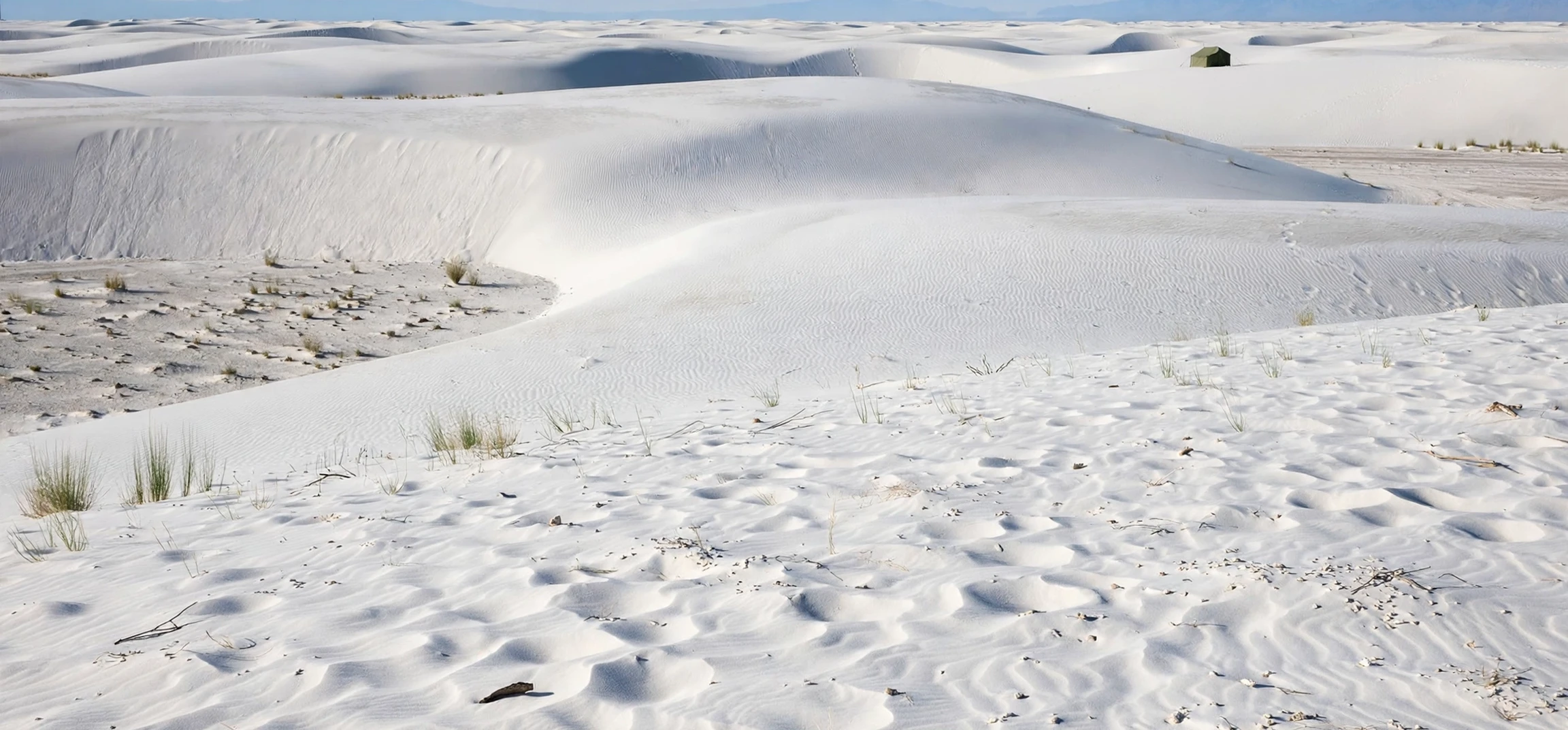
If you are dreaming of sleeping beneath desert stars, camping in white sands offers one of the most unusual outdoor experiences in the United States. White Sands National Park in New Mexico protects a vast field of white gypsum dunes that shift with the wind, glow in the evening light, and feel unlike any other landscape most campers have visited. This guide explains how camping works at the park, what to expect from the dune environment, how to plan safely, and what to check before you travel. Because campsite availability, rules and charges can change, always confirm current details on the official National Park Service site for White Sands before you set off, and never treat anything in a general guide as a substitute for that current official information.
Camping in White Sands: Planning Basics
Camping in white sands begins with understanding that this is a desert park with a fragile landscape and a climate that rewards preparation. Days can be hot and bright, with reflected light from the white dunes intensifying sun exposure, while nights can turn surprisingly cool. Wind moves the sand constantly, so tents, gear and food all need to be secured and protected. Water is precious in this environment, and shade is limited on the open dunes. Planning therefore means thinking about sun protection, water, wind and temperature together, rather than treating any one of them as an afterthought.
The park offers a backcountry camping experience rather than a conventional drive-up campground with rows of pitches. Campers hike out into the dune field to designated backcountry sites, carrying everything they need and carrying everything out again. That style of camping suits people who enjoy solitude, self-reliance and a genuine sense of wilderness, but it is not the right choice for everyone. If you have limited mobility, very young children, or little experience of desert camping, it is worth reading the official guidance carefully and considering whether a day visit, combined with accommodation outside the park, would suit you better. There is no shame in choosing the option that matches your experience; the dunes are just as spectacular by day.
Timing matters as well. Seasons change the character of the park considerably. Summer brings intense heat, while winter brings cooler days and cold nights. Spring and autumn often offer the most comfortable balance, but wind and weather can vary at any time of year. Check the forecast for the park area before you travel, and be ready to change your plans if conditions turn unsafe. Desert weather can change quickly, and a flexible attitude is part of safe desert travel.
Camping in White Sands: Sites and Rules
Camping in white sands takes place at designated backcountry campsites reached on foot from the dune drive. Campers register through the park system, receive guidance on their assigned site, and hike in with their equipment. Because the dunes shift, the walk to a site can feel longer and more tiring than the same distance on firm ground, and carrying a heavy pack through soft sand is a workout in itself. Pack light, distribute weight sensibly, and leave anything non-essential behind. A lighter pack makes the walk in, the night out, and the walk back far more enjoyable.
Rules at the park exist to protect both visitors and the landscape. Gypsum dunes look durable, but the plants and small animals that live among them are fragile, and the dune field itself is a living system shaped by wind and water. Campers are expected to stay within their designated area, to avoid damaging vegetation, to store food securely, and to leave no trace of their visit. That means packing out all rubbish, including small items that are easy to drop in sand, and leaving the site exactly as you found it. Fires, pets and other activities may be restricted, so check the current rules on the official National Park Service site before you go rather than assuming that what applies elsewhere applies here.
Permits and availability also require advance attention. Backcountry sites are limited in number, and demand can be high at popular times of year. Booking ahead, where the park system allows it, is far wiser than arriving on the day and hoping for a space. Keep your confirmation details accessible, note the check-in arrangements described by the park, and arrive with enough time to reach your site in daylight. Hiking into unfamiliar dunes in the dark is unwise, and the desert is much easier to navigate when you can see the landmarks around you.
What to Pack for a Night on the Dunes
Packing for the dunes is a balance between comfort and weight. Your tent should be sturdy enough to cope with wind and sand, with pegs or anchors suited to soft ground. Standard pegs can pull out of loose sand, so sand anchors or buried stuff sacks filled with sand often work better. A groundsheet protects your tent floor from abrasion, and a sleeping bag rated for cool nights is essential even after a hot day. A sleeping mat adds insulation from the ground as well as comfort, and in the desert that insulation matters more than many first-time campers expect.
Water is the most important item on your list. Carry more than you think you will need, because walking through sand is thirsty work and there is no reliable water source on the dunes themselves. Sun protection is equally vital: a wide-brimmed hat, sunglasses, sunscreen and light, long-sleeved clothing all help against the strong reflected light. A head torch with spare batteries, a simple first-aid kit, a map or offline navigation aid, and a means of carrying out all waste complete the essentials. Food should be simple, lightweight and easy to prepare without a fire, and it should be stored in a way that protects it from sand and animals.
Clothing deserves a little extra thought. Layers work best, because the temperature swing between day and night can be large. A warm layer for the evening, a windproof layer for breezy conditions, and light layers for the day will cover most situations. Footwear should be comfortable for soft sand; many campers prefer sturdy sandals or light boots that can cope with sand getting inside, along with gaiters or a willingness to empty shoes regularly. Whatever you choose, break it in before the trip rather than testing new boots on dune sand for the first time.
Desert Safety and Looking After Yourself
Desert safety starts with water, sun and heat. Drink regularly rather than waiting until you feel very thirsty, rest in shade where you can find it, and watch for signs of heat illness in yourself and your companions, such as headache, dizziness, nausea or unusual tiredness. If anyone shows those signs, stop, cool down, drink, and seek help if symptoms do not improve. Children and older adults are more vulnerable to heat, so plan extra rest and water for them. The white surface reflects sunlight strongly, so sunburn can happen faster than expected, even on a breezy day that feels deceptively cool.
Navigation and communication need attention too. The dune field can look remarkably uniform, and it is easy to lose your bearings among repeating ridges. Note landmarks on the way in, keep your campsite location clearly in mind, and carry a charged phone without relying on it entirely, since signal may be limited. Tell someone outside your group where you are going and when you expect to return, so that help can be raised if you do not come back as planned. That simple step costs nothing and can make a real difference.
Wildlife and the landscape deserve respect as well. The dunes are home to small animals adapted to desert life, and they are most active at dawn, dusk and night. Store food securely, avoid approaching animals, and keep noise to a minimum after dark so that you do not disturb them or other campers. The silence of the desert at night is part of its appeal, and protecting it is part of leaving no trace.
Things to Do Around Your Camp
A night on the dunes offers experiences that a day visit cannot match. Sunset transforms the white sand through shades of gold and pink, and after dark the sky opens up with stars that are far clearer than in most towns and cities. With little light pollution, the Milky Way can be strikingly visible on a clear night, and simply lying outside your tent and watching the sky is a memorable way to spend an evening. Sunrise is equally beautiful, as the first light picks out the curves of the dunes.
During the day, walking among the dunes, photography, and quiet observation all reward a slow pace. The dune field changes constantly as wind reshapes ridges, so no two visits look quite the same. Look for animal tracks in the sand, notice how plants anchor themselves in a shifting landscape, and take time to appreciate the scale of the place. Sledding down dune slopes is a popular daytime activity in designated areas, and it is a good reminder that the park is meant to be enjoyed as well as admired. Check current guidance on where such activities are allowed before you try them.
Families often find that the dunes spark curiosity in children, who enjoy the novelty of white sand, the space to explore, and the night sky. Keep children close, make sure they have sun protection and water, and set clear boundaries about how far they may wander. The open landscape can make distances hard to judge, and a child who runs ahead can quickly become hard to spot among the ridges.
| Planning question | What to check before you travel |
|---|---|
| Are backcountry sites available? | Check the official National Park Service site and book ahead where possible. |
| What are the current rules? | Confirm fire, pet, food storage and leave-no-trace rules for your visit dates. |
| What will the weather do? | Check the forecast for heat, wind and cold nights, and pack layers accordingly. |
| How much water do I need? | Carry more than you expect to use; there is no water source on the dunes. |
Frequently Asked Questions
Can beginners camp at White Sands?
Beginners can enjoy the park, but backcountry dune camping suits people comfortable with carrying gear, coping with heat and cold, and navigating open ground. A day visit is a good first step if you are new to desert camping.
Do I need to book in advance?
Sites are limited, so advance planning is strongly advised. Check the official National Park Service site for the current booking and registration process before you travel.
What should I do with rubbish?
Pack out everything you bring in, including small items. Leaving no trace protects the fragile dune ecosystem and keeps the park beautiful for the next visitor.
Conclusion
Camping in white sands is a rare chance to spend a night in a landscape that feels almost otherworldly, with sunset colours, star-filled skies and the quiet of the desert all around you. It rewards careful planning, light packing, respect for the rules, and a willingness to adapt to desert conditions. Check the official National Park Service site for current availability, rules and charges before you go, pack plenty of water and sun protection, and leave the dunes exactly as you found them. For more travel planning ideas, see our kids world travel guide and our collection of travel guides. Done well, a night among the white dunes is the kind of trip that stays with you long after the sand has been shaken out of your boots.



