If you searched for “meaning 420”, you are asking about a piece of slang that has become widely recognised in popular culture, especially in connection with cannabis culture, the time 4:20 in the afternoon, and the date 20 April. In its most common modern usage, 420 functions as a coded reference, a time marker, a date and a cultural shorthand, and its meaning depends heavily on context: it can appear in music, film, comedy, social media, merchandise and everyday conversation, sometimes as a joke, sometimes as an identity marker, and sometimes simply as a reference that listeners are expected to recognise. This guide explains the term’s history, its cultural usage and its variations in neutral, factual terms, without providing any instructions relating to purchase, use, cultivation or consumption.
The first point to understand is that 420 is not a single, fixed definition. Like much slang, it began in a small group, spread through subculture and media, and then took on broader, looser meanings as more people encountered it. For some people, it is primarily a time: 4:20 pm. For others, it is primarily a date: 20 April, written in the American date format as 4/20. For others still, it is a general cultural reference, used in jokes, song lyrics, product names and online humour, where the precise original story matters less than the shared recognition that the number carries a particular association. That layered history is why a search for its meaning can return several different explanations, all of which are partly correct.
The second point is that the term’s cultural reach now extends well beyond the group that coined it. It appears in mainstream comedy, in television and film references, in music across several genres, and in news coverage of cannabis policy debates, where it is often used as a convenient shorthand for the wider topic. At the same time, legal status, social attitudes and public health guidance concerning cannabis vary considerably by country, region and jurisdiction, and they have changed over time. Readers should therefore treat cultural explanations of slang as separate from legal or medical information, and should consult official sources in their own jurisdiction for current law and guidance.
What “meaning 420” Refers To in Everyday Usage
In everyday usage, “meaning 420” most often refers to the association between the number 420 and cannabis culture. The number is used as a discreet code, a humorous reference or a marker of affiliation, depending on who is using it and in what setting. A person might use it in a joke, a musician might include it as a lyric reference, a business might use it in branding aimed at a particular audience, and a news article might use it when reporting on policy, events or cultural trends. In each case, the number signals the topic without necessarily stating it directly, which is a common function of slang: it allows insiders to recognise a reference while remaining opaque to outsiders.
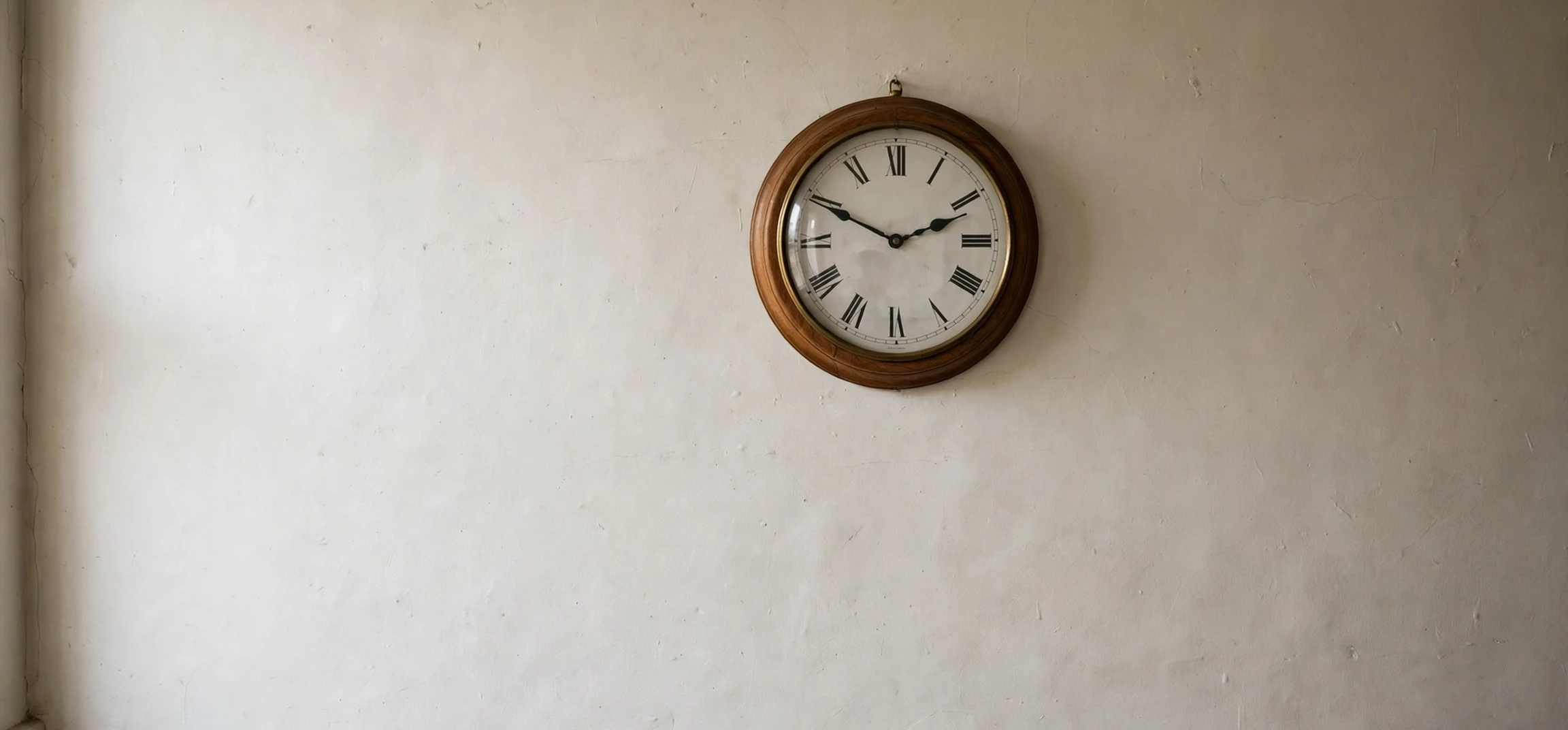
The time association is central to that usage. Four twenty in the afternoon, written as 4:20, is treated in this cultural tradition as a customary meeting time or moment of recognition, and it is the origin of many of the term’s later extensions. The date association follows naturally: 20 April, written as 4/20 in the month-first format used in the United States, is observed by some people as an informal cultural day associated with the same theme, and it is marked by gatherings, media coverage and commercial activity in places where such observance is lawful and socially accepted. The number also appears as a standalone code, without any explicit time or date, in usernames, hashtags, merchandise and jokes, where context supplies the association.
It is worth noting that not every use of the number 420 carries this association. The number appears in many ordinary contexts, including room numbers, product codes, addresses, prices, measurements and historical dates, where it has no slang meaning at all. Context is therefore essential: the same digits on a hotel door, a bus timetable or a maths worksheet mean nothing more than the number itself, while the same digits in a song lyric, a comedy sketch or a social media post about cannabis culture are likely to carry the slang reference. That dependence on context is typical of slang, and it explains why automated filters and casual readers sometimes misinterpret an innocent use, or miss a coded one.
The History Behind “meaning 420”: The Waldos Story
The most widely accepted origin story for “meaning 420” traces the term to a group of school students in San Rafael, California, in the early 1970s, who called themselves the Waldos. According to accounts that the group members themselves later gave in interviews, they used 4:20 pm as their regular meeting time, gathering by a particular wall at their school before heading off together in the afternoons. Over time, 420 became their shorthand for those meetings, and then, by extension, for the activities and interests associated with their group. The story was later popularised more widely, notably through coverage in cannabis-related media in the 1990s, which helped carry the term from a local school group into national and then international recognition.
Several alternative origin stories have circulated over the years, and it is worth treating them with the same critical eye that applies to any piece of slang history. Some claimed explanations link the number to a police code, a chemical compound, a piece of legislation or a number of plants, but researchers and journalists who have investigated those claims have generally found them unsupported. The Waldos account, by contrast, is supported by contemporary documents, including a flag and letters from the period, and by consistent testimony from the group members themselves. That does not mean every detail of a teenage story from the 1970s can be verified with perfect precision, but it does mean that the Waldos explanation is the one with the strongest evidence, and it is the explanation most reputable reference sources now give.
The spread of the term illustrates how slang travels. A local code becomes a subcultural marker when it is picked up by a wider community with shared interests, and it becomes mainstream slang when it appears in music, comedy, journalism and advertising. Each stage of that spread adds new layers of meaning and loosens the connection to the original context. By the time a term reaches general popular culture, many people who use it may know the association without knowing the original story, and some may use it purely as a joke or a cultural reference. That process is common to many slang terms, and 420 is a clear example of how a small group’s private shorthand can become a globally recognised cultural code.
Why the origin story matters
Origin stories matter for slang because they help separate documented history from later invention. The Waldos story is useful not because it changes what the term means today, but because it shows how a term can grow organically from everyday life, rather than being invented by a company, a government or a media campaign. It also reminds readers that slang often begins as an in-group marker: a way for a small community to recognise its members and to speak discreetly in public. Understanding that social function helps explain why the term has persisted, even as its original context has faded for many users.
How “meaning 420” Appears in Popular Culture
In popular culture, 420 appears most often as a reference, an Easter egg or a joke. Song lyrics, film dialogue, television comedy and internet memes use the number to signal a theme quickly, relying on the audience to recognise the association without needing an explanation. That brevity is part of its appeal: a single number can carry a whole set of cultural associations, from relaxation and counterculture to rebellion and humour, depending on the tone of the work. Comedy uses it for incongruity, placing a coded reference in an unexpected setting, while music uses it to establish identity, atmosphere or affiliation with a particular scene.
The term also appears in commercial and media contexts, where its use is more deliberate. Businesses, events and products aimed at audiences interested in cannabis culture may use 420 in names, branding or promotional dates, particularly around 20 April. News organisations use it as shorthand when reporting on policy debates, cultural events or market developments, because it is instantly recognisable to readers who follow those topics. In both cases, the number functions as a signal: it tells the audience which cultural conversation the item belongs to, and it does so more efficiently than a longer description would.
At the same time, cultural references to 420 are not universally understood or welcomed. Older audiences, audiences in countries where the term has less currency, and audiences with different cultural backgrounds may miss the reference entirely, or may associate it with different meanings. Public institutions, employers and educators may also view the term differently from entertainment media, particularly where drug policy, workplace rules or youth safeguarding are concerned. That variation is normal for slang, and it means that the social meaning of using the term depends on the audience, the setting and the purpose, not only on the digits themselves.
Variations, Related Terms and Regional Differences
Several variations and related expressions have developed around 420, although their usage is less consistent than the core term. Some people use 4:20 as a time reference in conversation, some use 4/20 as a date reference, and some use 420 alone as a noun or adjective in informal speech. Online, the number appears in usernames, hashtags and memes, where it may be combined with other slang, humour or imagery to create a joke or a statement of identity. Those online uses change quickly, and a variation that is current in one community may be unfamiliar in another, which is another reason to rely on context rather than on a fixed dictionary definition.
Regional differences also affect how the term is understood. In the United States, where the term originated and where the month-first date format makes 4/20 a natural shorthand for 20 April, the association is widely recognised. In countries that use the day-first date format, 20 April is written as 20/4, so the date shorthand is less intuitive, although the time reference and the standalone number are still recognised through music, film and the internet. In some countries, the term may be known mainly through American popular culture, rather than through local usage, and its social connotations may differ accordingly. Language, media exposure and local law all shape how a piece of slang is received.
It is also important to distinguish 420 from other number-based slang. Numbers acquire slang meanings in many cultures, from emergency numbers and radio codes to sports references and internet memes, and a number that carries one meaning in one community may carry a completely different meaning in another. The number 420 itself, outside the cannabis association, has no inherent slang meaning, and its interpretation always depends on the surrounding words, images and social context. That principle applies broadly: when you encounter number slang, look at the context first, and be cautious about assuming a single universal meaning. For other slang and meaning explainers, see our guide to the meaning of an 888 tattoo and our guide to the meaning of A.D.E.S.
| Form | Common reference | Typical context |
|---|---|---|
| 4:20 | Time in the afternoon | Meeting time, joke, cultural reference |
| 4/20 | 20 April in month-first format | Informal cultural day, media coverage, events |
| 420 | Standalone cultural code | Music, comedy, usernames, merchandise, memes |
| 420-friendly | Informal descriptive phrase | Social descriptions, listings, personal profiles |
| 420 in other contexts | Ordinary number only | Addresses, codes, prices, measurements, dates |
Legal, Social and Health Context: What to Keep in Mind
Any discussion of cannabis-related slang should be accompanied by a clear note about context. Laws concerning cannabis vary widely around the world, and they continue to change in many jurisdictions. What is lawful in one place may be unlawful in another, and rules may differ for medical and non-medical contexts, for different age groups, and for possession, supply and public use. This article does not provide legal advice, and readers who need to know the law in their own area should consult official government sources or a qualified legal professional, rather than relying on cultural explanations or social media.
Social attitudes also vary, and they do not always track the law in a simple way. In some communities, references to 420 are treated as light-hearted humour, while in others they are viewed as inappropriate, particularly in schools, workplaces and formal settings. Employers, educators and public bodies may have their own policies that are stricter than the general law, and individuals should be aware of the expectations in their own environment. Health information, similarly, should come from reputable medical and public health sources, not from slang, entertainment or promotional material, and anyone with health concerns should seek professional advice.
The neutral approach taken in this guide reflects that complexity. Explaining what a slang term means, where it came from and how it is used in culture is a legitimate educational purpose, distinct from encouraging, endorsing or providing instructions for any activity. Readers can understand a cultural reference, recognise it in music or media, and discuss it knowledgeably, without any implication about their own choices or behaviour. That distinction between cultural literacy and personal conduct is central to how slang explainers should be written, and it is the approach followed throughout this article.
Frequently Asked Questions
What does 420 mean in slang?
In slang, 420 is a cultural reference associated with cannabis culture, the time 4:20 pm, and the date 20 April. Its precise sense depends on context: it can function as a time, a date, a code or a general cultural shorthand.
Where did 420 come from?
The most widely supported origin traces 420 to a group of school students in San Rafael, California, in the early 1970s, who used 4:20 pm as their regular meeting time. The term spread through subculture and media coverage and later became widely recognised in popular culture.
Is 420 only about a time?
No. While 4:20 pm is the original reference, the number is also used for the date 20 April and as a standalone cultural code in music, comedy, social media and merchandise, where context supplies the association.
Does every use of the number 420 carry a slang meaning?
No. The number appears in many ordinary contexts, such as addresses, product codes and measurements, where it means nothing more than the number itself. Context determines whether a slang meaning is intended.
Conclusion
The “meaning 420” is best understood as a layered piece of cultural slang: a meeting time adopted by a small group of California school students in the 1970s, a date shorthand in 20 April, and a widely recognised code in music, comedy, media and online culture. Its persistence shows how slang travels from a local in-group marker to a global reference, gaining new uses and losing some of its original specificity along the way. At the same time, its interpretation always depends on context, and the same digits can be entirely innocent in one setting and clearly coded in another. By understanding its history, its cultural usage and its variations, readers can recognise the reference when they encounter it, discuss it accurately, and separate cultural literacy from legal, medical and personal questions, which should always be answered from official and professional sources.



