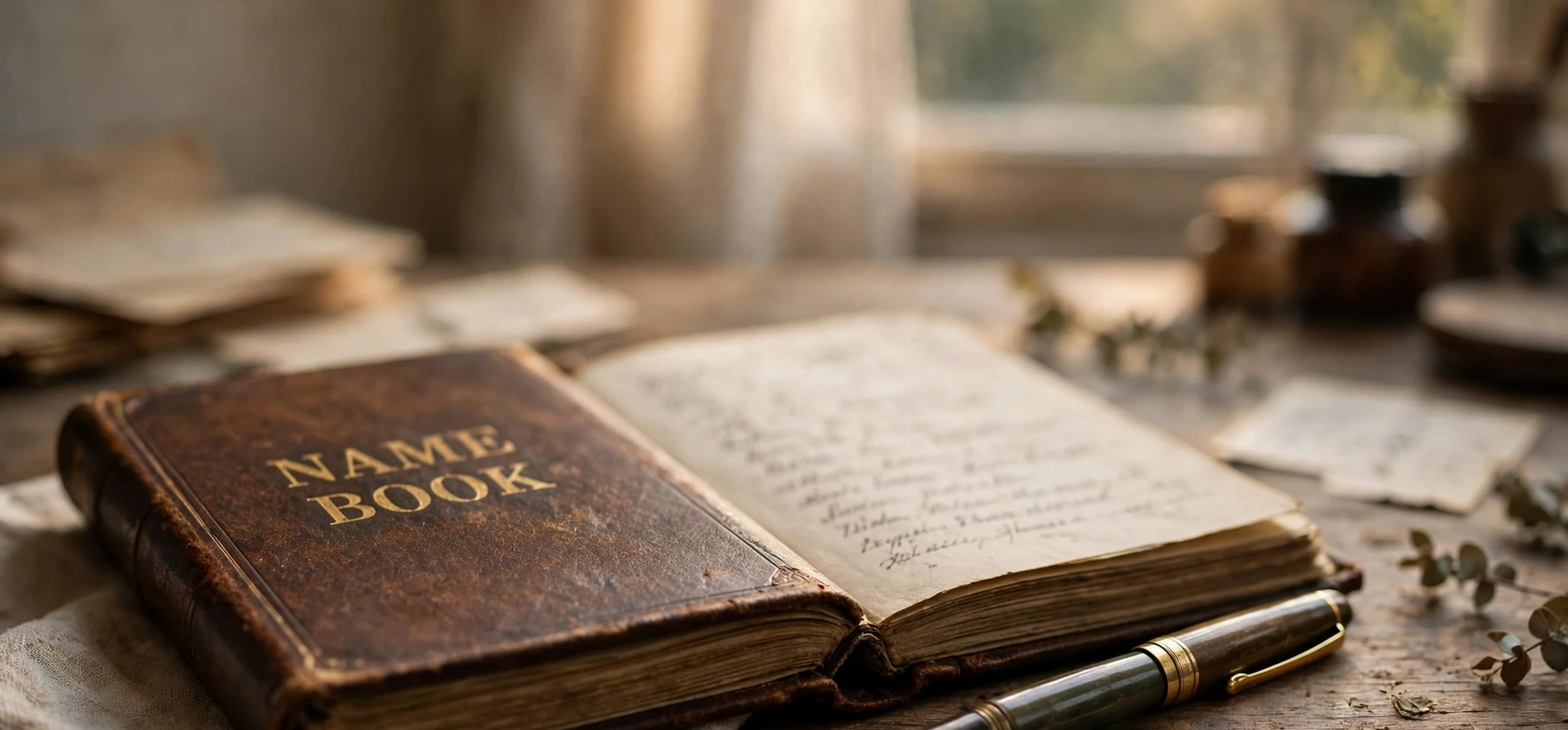
If you searched for ‘famous british names’, you probably want more than a bare list: you want to know which names are associated with Britain, where they come from, what they mean, and why some of them have stayed popular for centuries while others rise and fall with fashion. This guide explores famous British first names and surnames, their origins and meanings, and how naming trends change over time. It describes names that are traditionally popular or widely recognised, rather than claiming a single current ranking, because official rankings change every year and the best source for the latest figures is the official statistics release for your nation of the United Kingdom.
British names are a blend of many influences. Old English, Norman French, Celtic languages, Latin and biblical tradition have all contributed, and later waves of migration have added further names to everyday British life. A name such as William carries a Norman history, Elizabeth carries a royal and biblical history, and names of Welsh, Scottish and Irish origin carry their own linguistic roots. Understanding those layers makes a list of names far more interesting than a ranking alone, because it explains why a name sounds the way it does and why it keeps reappearing in different generations.
Table of Contents
- Famous British Names: Classic First Names
- Famous British Names in History and Literature
- Popular British Surnames and Their Origins
- Names from Scotland, Wales and Northern Ireland
- How British Naming Trends Change
- Frequently Asked Questions About Famous British Names
- Conclusion
Famous British Names: Classic First Names
Certain first names recur in British life so often that they feel timeless. For boys, names such as William, James, Henry, George, Thomas and Edward have been used for centuries, and each carries a long royal and everyday history. William, of Norman origin, is often explained as meaning a resolute protector, and it has been borne by kings, writers and countless ordinary families. James, a form of Jacob, has Scottish royal associations as well as biblical roots. Henry, George, Thomas and Edward each combine a strong, simple sound with centuries of use, which is why they survive fashion cycles that discard more unusual names.
For girls, names such as Elizabeth, Mary, Catherine, Anne, Margaret and Victoria have a similar staying power. Elizabeth, with biblical and royal associations, has been a favourite across many eras and has produced a wealth of nicknames, from Liz and Beth to Eliza and Libby. Mary, also biblical, was for generations one of the most common names in the English-speaking world. Catherine, Anne and Margaret each have royal and literary histories, while Victoria carries a direct association with the nineteenth-century queen and the era named after her. These names endure because they are familiar, easy to pronounce, and rich in cultural associations, not because any single generation invented them.
Classic names also offer flexibility, which helps their longevity. A child named William can be Will, Bill or Billy; Elizabeth can choose among many short forms as she grows; James can be Jamie in childhood and James in professional life. That adaptability matters to parents, who often want a name that works for a baby, a schoolchild and an adult. Modern favourites come and go, but classic names keep returning, because each new generation of parents rediscovers them through family history, literature and public life.
Famous British Names in History and Literature
Many famous British names are famous because of the people who bore them. William Shakespeare gave the name William an unrivalled literary association, while Elizabeth is inseparable from two queens regnant and from the Elizabethan age. Charles Dickens made names such as Oliver, Ebenezer and Pip part of the cultural vocabulary, even when those names were not especially common in everyday life. Jane Austen’s Elizabeth, Emma and Anne helped to define how those names feel: intelligent, observant and spirited. Literature does not merely reflect naming fashion; it shapes it, by giving a name a character that parents admire.
History works the same way. Names such as Winston, Florence and Nelson carry associations with wartime leadership, nursing reform and naval victory, because the individuals who bore them became national figures. Those associations can keep a name in use long after its original fashion has passed, as parents choose a name partly for what it represents. At the same time, a strong association can also limit a name: a name tied too closely to one famous person may feel like a tribute rather than a fresh choice, and parents sometimes avoid it for exactly that reason.
It is worth remembering that famous bearers are not the whole story. Most people who share a famous name live ordinary lives, and the name’s meaning for them comes from family, friendship and personal history rather than from a monarch or an author. A guide to famous names should therefore balance the celebrated examples with the everyday reality: a name becomes famous because many people use it, and it stays meaningful because each bearer makes it their own.
Popular British Surnames and Their Origins
British surnames fall into a few broad groups, and recognising the group often explains the name. Occupational surnames describe a job: Smith, for a metalworker; Baker, for a baker; Taylor, for a tailor; Fisher, for a fisherman. Patronymic surnames describe a parent: Johnson, son of John; Williams, son of William; Jones, a form of John’s son that became especially common in Wales. Locational surnames describe a place: Hill, Wood, Field, or a village or landscape feature. Descriptive surnames describe appearance or character: Brown, White, Long, Young. Many of the most common British surnames belong to one of these groups.
Smith is the classic example. It is widespread because metalworking was widespread, and because the name was adopted independently in many different places, not because all Smiths share one ancestor. The same is true of Jones in Wales, where a small pool of first names combined with the patronymic pattern produced a very common surname. Understanding that a surname arose independently in many places prevents a common mistake: sharing a surname does not necessarily mean sharing a family tree. Genealogy requires records, not just a matching name.
Surnames also record language history. Norman names such as Beaumont or de Vere point to post-Conquest settlement. Names with prefixes such as Mac, Mc, O, ap or Fitz point to Scottish, Irish or Welsh patronymic traditions. Names ending in -son point to northern English and Scottish practice. A surname is therefore a small piece of history that a person carries every day, and tracing its group, rather than hunting for a single famous bearer, usually gives the most reliable account of its origin.
Names from Scotland, Wales and Northern Ireland
Britain is not only England, and its naming traditions reflect four nations with distinct languages and histories. Scottish first names such as Angus, Alastair, Fiona, Isla and Eilidh draw on Gaelic and Scots traditions, and Scottish surnames such as MacDonald, Campbell and Stewart carry clan and family histories. Welsh names such as Rhys, Gareth, Carys, Seren and Megan draw on the Welsh language, with its distinctive sounds and spellings, and Welsh surnames such as Jones, Evans and Davies reflect the patronymic pattern described above.
Names from Northern Ireland draw on both Irish and Ulster traditions. Irish-language names such as Aoife, Niamh, Conor and Sean are widely used across Ireland and in Britain, and their spellings preserve sounds that English spelling does not capture neatly. That is why pronunciation guides matter: a name such as Niamh or Aoife can look unfamiliar to an English reader while being entirely familiar in its own tradition. Respectful use of a name includes learning its pronunciation, rather than anglicising it without thought.
These traditions also interact. Migration within the United Kingdom, and between the United Kingdom and Ireland, has spread names across regions, so a name of Welsh origin may be common in England, and a name of Scottish origin may be common in Northern Ireland. A list of famous British names that only covers English names would therefore be incomplete. The fuller picture includes Celtic-language names, regional spellings and the shared pool of biblical and classical names that all four nations use.
How British Naming Trends Change
Naming trends change for reasons that are easy to recognise once you look for them. Royal births, popular television programmes, sporting heroes, musicians and characters in bestselling books can all lift a name for a few years. A name that feels fresh and modern in one decade can feel dated in the next, not because the name itself changed, but because a generation associates it with their school classmates. Parents often want a name that is recognisable but not overused in their child’s peer group, which creates a constant cycle of revival and retreat.
Revival is a powerful force. Names that were popular a century ago, such as Arthur, Ada, Edith or Florence, often return when a new generation discovers them through family history or period drama. Short forms also become full names: a nickname such as Alfie, Archie or Evie may be registered as a given name in its own right, reflecting a preference for friendly, informal sounds. At the same time, some parents choose names from other cultures, reflecting Britain’s diverse population and global connections. The result is a naming landscape that is both more traditional and more varied than a simple top-ten list suggests.
If you need current figures, consult the official statistics for baby names published by the national statistical bodies, which release annual rankings by nation and region. Those releases show which names rose or fell in a given year, and they are the only reliable source for a claim such as “the most popular name this year”. A general guide like this one can describe long-term patterns and traditional favourites, but it should not be used as a substitute for the latest official release when a precise ranking matters, for example for a news report or a research project.
| Name | Type and origin group | Association |
|---|---|---|
| William | First name, Norman origin | Royal and literary history, many short forms |
| Elizabeth | First name, biblical origin | Queens regnant, rich nickname tradition |
| Smith | Surname, occupational | Metalworking trade, adopted widely |
| Jones | Surname, patronymic | Son of John, especially common in Wales |
| Isla | First name, Scottish origin | Island name, popular in recent generations |
| Rhys | First name, Welsh origin | Welsh-language name with a long history |
For more name guides, see our articles on common English last names, the meaning of the name Annalise, and Amish names for boys.
Frequently Asked Questions About Famous British Names
What are the most famous British names?
Traditionally famous first names include William, James, Elizabeth and Mary, while famously common surnames include Smith, Jones, Taylor and Brown. For a precise current ranking, check the latest official baby-name statistics, which change every year.
What is the most common British surname?
Smith is widely described as the most common surname in England and across much of Britain, because it arose as an occupational name in many places independently. Regional patterns differ, with Jones especially common in Wales.
Why do some British names have unusual spellings?
Many spellings preserve sounds from Welsh, Gaelic or older English that modern English spelling does not represent neatly. Learning the traditional pronunciation is part of using such a name respectfully.
Do British naming trends differ by nation?
Yes. Scotland, Wales, England and Northern Ireland each publish their own patterns, and Celtic-language names are more prominent in their home nations, even though many names are shared across the whole United Kingdom.
How should I choose a British name for a character or a child?
Consider the name’s origin, its short forms, its cultural associations and how it sounds with the surname. For a child, check the latest official statistics if popularity matters to you, and say the full name aloud before deciding.
Conclusion
Famous British names are famous because they carry history in a few syllables: Norman kings and biblical queens, blacksmiths and tailors, Welsh valleys and Scottish islands, novelists and national heroes. Classic first names such as William and Elizabeth endure because they are flexible, familiar and rich in association, while surnames such as Smith and Jones record the jobs and families of ordinary people. Trends will keep changing, and each year’s official ranking will crown new favourites, but the deeper story remains the same: a British name is a small piece of language, history and identity, chosen anew by every generation that uses it.



