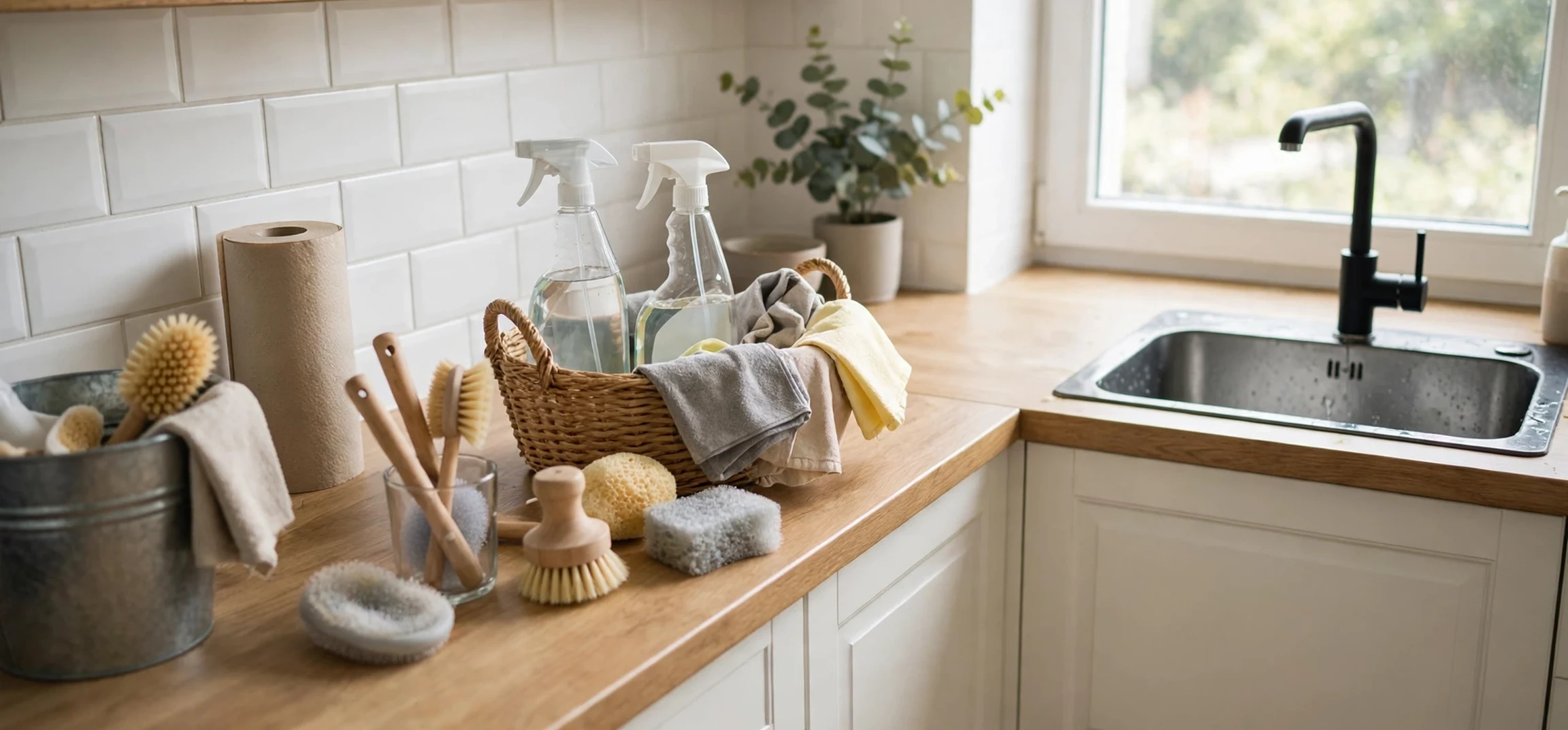
A clean home feels calmer, healthier, and easier to live in, but keeping a whole house clean can feel overwhelming without a plan. This general house-cleaning guide explains what happens behind the scenes of a good cleaning routine: how to plan your work, which rooms to tackle first, which tools and products to use safely, and how to keep results lasting longer. It is written for everyday households, not for professionals, and it avoids unverified claims about any particular company or service.
Behind every tidy home is a simple system. Instead of cleaning everything in one exhausting session, successful routines break the work into small, regular tasks, focus on high-use areas first, and finish with details that make a visible difference. This guide shows you that system step by step, room by room, so you can adapt it to your home, your schedule, and your family.
Whether you live in a small flat or a larger family house, the principles are the same: start with decluttering, clean from top to bottom, work room by room, and use safe, appropriate products for each surface. With a little planning, house cleaning becomes less stressful and more satisfying, and your home stays fresher between deep cleans.
Plan Before You Clean
Planning saves time and energy. Before you begin, walk through your home and note which rooms need the most attention. Kitchens and bathrooms usually need frequent cleaning because they are used daily and involve food, water, and hygiene. Living areas collect dust and clutter, while bedrooms benefit from regular bedding changes and dusting. A short list helps you stay focused and avoid wandering from room to room.
Gather your supplies before you start. Basic supplies include a vacuum cleaner or broom, a mop, microfibre cloths, an all-purpose cleaner suitable for your surfaces, a bathroom cleaner, a glass cleaner, and gloves. Having everything ready prevents interruptions and keeps your momentum going. Always read product labels, follow safety instructions, and never mix cleaning products unless the label explicitly says it is safe.
Set a Realistic Schedule
A realistic schedule is one you can actually keep. Daily tasks might include washing dishes, wiping kitchen counters, and tidying common areas. Weekly tasks might include vacuuming, mopping, cleaning bathrooms, and changing bedding. Monthly tasks might include cleaning inside appliances, washing windows, and dusting high shelves or light fittings.
If you have limited time, focus on the tasks that affect health and comfort first: clean food-contact surfaces, bathrooms, and floors in busy areas. Less visible tasks, such as organising a cupboard, can wait for a weekend or a quieter week. Consistency matters more than perfection on any single day.
Declutter First, Then Clean
Cleaning is much faster when surfaces are clear. Before wiping or vacuuming, spend a few minutes putting items back where they belong, collecting rubbish, and gathering laundry. Use a basket or box to collect items that belong in another room, then distribute them at the end. This simple step prevents you from cleaning around clutter and makes the final result look much better.
Decluttering also helps you notice what actually needs cleaning. A clear countertop shows crumbs and spills, a clear floor shows dust and marks, and a clear shelf shows dust that was hidden behind objects. Think of decluttering as the behind-the-scenes work that makes the visible cleaning possible.
Room-by-Room Cleaning Guide
Working room by room is more efficient than jumping between tasks across the house. Finish one room before moving to the next, and clean each room from top to bottom so dust and dirt fall downwards and are removed at the end. This method is used by many experienced cleaners because it avoids re-cleaning surfaces you have already finished.
Kitchen Cleaning
Start by clearing counters and washing dishes or loading the dishwasher. Wipe counters, handles, and appliance exteriors with a suitable cleaner. Clean the sink, including taps and drains, and wipe the hob or stove top after it has cooled. For floors, sweep or vacuum first, then mop. Pay attention to food spills, which can attract pests if left for long.
For deeper kitchen cleaning, empty and wipe one cupboard or the fridge at a time, rather than trying to do everything at once. Check expiry dates, discard spoiled food safely, and wipe shelves before replacing items. Clean small appliances according to their manuals, and always unplug electrical items before wiping them.
Bathroom Cleaning
Bathrooms need regular attention for hygiene. Clean the toilet, sink, shower or bath, and mirrors using products suitable for each surface. Pay attention to taps, grout lines, and areas where water collects, as these can develop limescale or mould if neglected. Ventilate the room during and after cleaning, and allow surfaces to dry.
Replace or wash towels, bath mats, and shower curtains regularly. Keep cleaning products out of reach of children and pets, and store them in a dry place. If you notice persistent mould or damage, such as leaking pipes or cracked grout, address the underlying cause rather than only cleaning the surface.
Living Areas and Bedrooms
In living areas, dust shelves, electronics, and furniture with a dry or slightly damp microfibre cloth. Vacuum sofas, rugs, and floors, paying attention to corners and under furniture where dust gathers. Fluff cushions, fold throws, and tidy books, remotes, and other everyday items so the room feels welcoming.
In bedrooms, change bedding regularly, dust bedside tables and wardrobes, and vacuum or mop floors. Open windows briefly for fresh air when weather allows. Keep laundry in a basket rather than on chairs or floors, and return clean clothes to wardrobes promptly. A tidy bedroom often improves sleep because the space feels calm and organised.
Tools and Safe Products
You do not need many expensive tools to clean well. Microfibre cloths are useful because they trap dust and can be washed and reused. A good vacuum cleaner with attachments for corners and upholstery saves time, while a mop and bucket cover hard floors. A soft brush helps with grout and detailed areas, and a squeegee keeps shower glass and windows clearer.
When choosing products, match the product to the surface. Use gentle cleaners on wood, stone, and delicate finishes, and follow the manufacturer’s guidance for your floors and appliances. Test a new product on a small, hidden area first. Always wear gloves when using strong cleaners, keep rooms ventilated, and store products safely away from food, children, and pets.
Natural options such as warm water, mild dish soap, and vinegar solutions can work for many light tasks, but they are not suitable for every surface. For example, vinegar can damage natural stone and should not be mixed with bleach-based products. When in doubt, use a product made for that specific surface and follow its label.
| Area | Weekly Tasks | Monthly Tasks |
|---|---|---|
| Kitchen | Wipe counters, clean sink and hob, mop floor | Clean inside fridge and oven, wipe cupboards |
| Bathroom | Clean toilet, sink, shower, mirrors, floor | Deep-clean grout, wash shower curtain, descale taps |
| Living areas | Dust, vacuum, tidy surfaces | Clean windows, vacuum under furniture, wash throws |
| Bedrooms | Change bedding, dust, vacuum | Turn mattress if advised, clean wardrobe interiors |
| Whole home | Empty bins, tidy entryways | Dust light fittings, clean vents and high shelves |
Behind-the-Scenes Habits That Keep a Home Clean
The most important behind-the-scenes habit is small daily maintenance. Wiping a spill immediately takes seconds, while cleaning a dried spill later takes much longer. Putting shoes by the door reduces dirt tracked inside. Washing dishes after meals prevents piles in the sink. These tiny habits, repeated daily, prevent the buildup that makes deep cleaning feel overwhelming.
Another habit is assigning tasks fairly in shared homes. A simple rota or shared list helps everyone know what to do and when. Rotate less popular tasks so no one always does the same chore. Keep expectations realistic and celebrate progress rather than demanding perfection. A home lived in will never look like a showroom, and that is normal.
Storage also matters. When every item has a place, tidying becomes quick. Use boxes, baskets, and hooks for everyday items, and keep cleaning supplies in one accessible spot. If a cupboard is overflowing, it may be time to sort, donate, or recycle items you no longer need, rather than buying more storage.
Seasonal Deep Cleaning
Once or twice a year, a deeper clean refreshes the whole home. This might include washing curtains, cleaning behind large appliances, sorting storage areas, and checking for repairs. Break deep cleaning into sections over several days rather than attempting it all in one weekend. Work through one room or one category at a time, and take breaks to avoid exhaustion.
Seasonal cleaning is also a good time to check safety items: smoke alarms, fire extinguishers if you have them, and the condition of electrical cords and appliances. A clean home is also a safer home when these checks are part of the routine.
For more simple home and lifestyle guides, you may like Ploomes Org and Chain Guide Comedy Fun.
Frequently Asked Questions
How often should I deep clean my home?
Most homes benefit from a deeper clean every few months, in addition to regular weekly cleaning. The exact frequency depends on household size, pets, allergies, and how much time people spend at home. Focus first on kitchens, bathrooms, and high-traffic floors.
What is the best order for cleaning a room?
Declutter first, then clean from top to bottom and from the farthest corner towards the door. Dust high surfaces before vacuuming or mopping floors, so dirt that falls is removed last.
Can I use one cleaner for everything?
An all-purpose cleaner works for many surfaces, but delicate materials such as wood, stone, and electronics may need specific products. Always read labels and test new products on a hidden area first.
How can I keep cleaning from feeling overwhelming?
Break work into short sessions, use a simple checklist, and focus on one room at a time. Daily small tasks prevent buildup, and a realistic weekly schedule is easier to maintain than occasional marathon sessions.
Is it safe to mix cleaning products?
No, do not mix cleaning products unless the label explicitly says it is safe. Mixing can create harmful fumes or damage surfaces. Use one product at a time, rinse or wipe as directed, and ventilate the room.
Conclusion
Behind every clean home is a simple, repeatable system: plan your work, declutter first, clean room by room from top to bottom, use the right tools and products safely, and maintain small daily habits. You do not need special equipment or a perfect schedule to succeed. You need a realistic plan, a little consistency, and patience with yourself on busy weeks.
Start with one room, follow the steps in this guide, and notice how much easier the next room feels. Over time, those small efforts add up to a home that is cleaner, healthier, and more comfortable for everyone who lives there. For another beginner-friendly explainer, see Technewstop Org.



