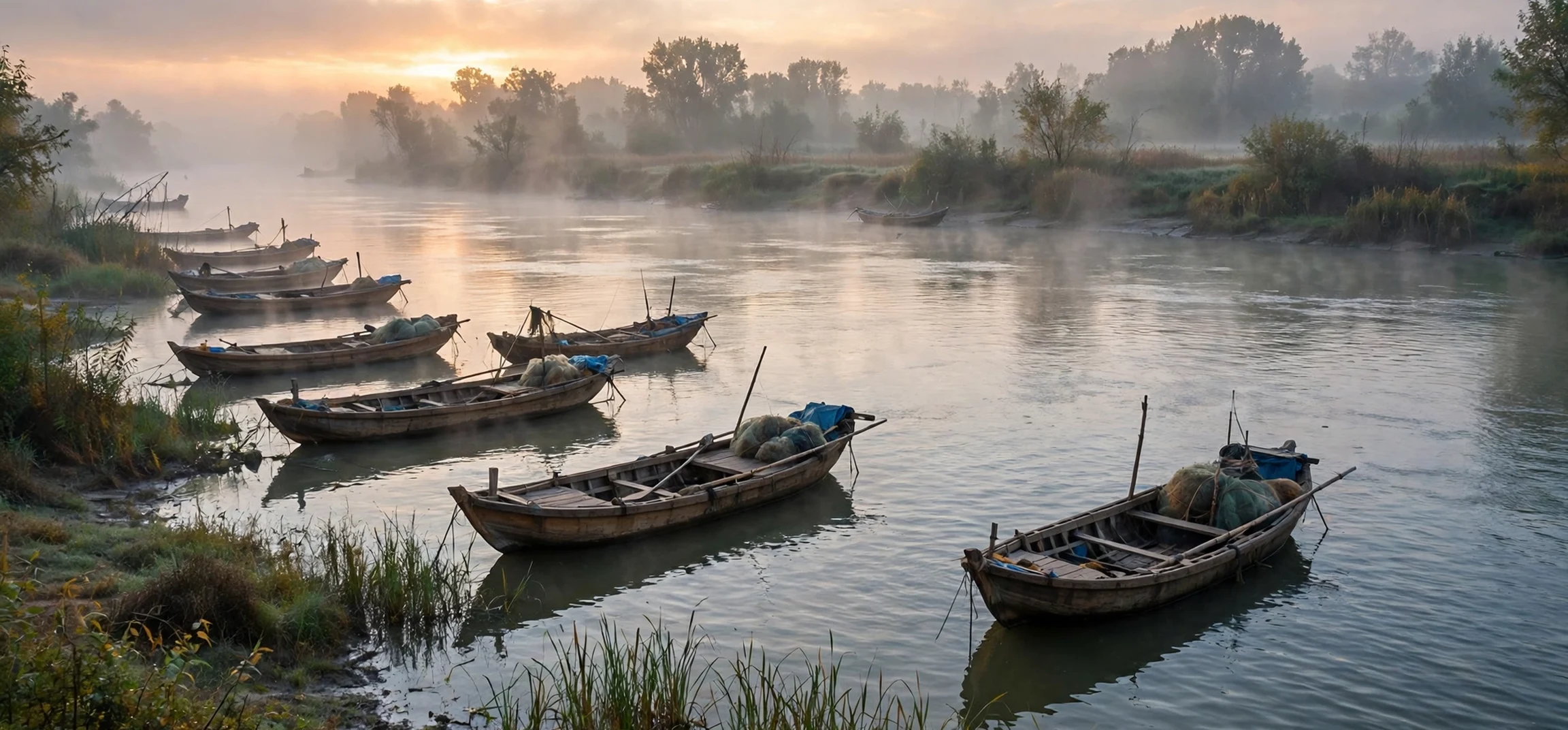
Columbia River Sturgeon Fishing Guides Studio Mix is a guide to one of the most exciting freshwater fishing experiences in the Pacific Northwest: fishing for sturgeon on the Columbia River, with the help of a professional guide. The Columbia River, which forms much of the border between Oregon and Washington, is famous for its white sturgeon, ancient fish that can grow very large and live for many decades. This guide explains what sturgeon fishing is like, how guides work, what rules apply, and how to choose a guide safely and responsibly.
Sturgeon fishing is different from ordinary fishing. Sturgeon are large, powerful, and long-lived, and they are protected by strict regulations that vary by location, season, and size. A good guide does more than take you to a fishing spot: they explain the rules, provide equipment, handle the fish safely, and help you understand the river, its history, and its conservation. This guide gives you the information you need to plan a trip, ask the right questions, and enjoy the experience while respecting the fish and the river.
What Is Sturgeon Fishing on the Columbia River?
White sturgeon are among the largest freshwater fish in North America, and the Columbia River is one of the best places to find them. Sturgeon are bottom feeders, living in deep channels, near structure, and in areas with strong currents. They are caught using heavy tackle, large reels, and bait presented on the riverbed, often with a technique called anchor fishing, where the boat is anchored in a productive spot and baits are fished on the bottom.
Sturgeon fishing is often catch-and-release, especially for large fish. Regulations may allow retention of sturgeon within a specific size slot in certain areas and seasons, while requiring release of fish outside that slot, or in areas where retention is closed. Those rules change frequently, based on population surveys and conservation goals, so always check the current regulations from the Oregon Department of Fish and Wildlife and the Washington Department of Fish and Wildlife before your trip, and follow your guide’s instructions on the day.
Why Sturgeon Are Special
Sturgeon are ancient fish, with a lineage going back millions of years. They have a shark-like tail, bony plates called scutes along their body, and a long, sensitive snout used to find food on the riverbed. They grow slowly, mature late, and can live for over a century, which makes them vulnerable to overfishing and habitat loss. That is why conservation, careful handling, and strict regulations are so important.
For anglers, sturgeon are special because of their size and power. A large sturgeon can make a long, strong run, test heavy tackle, and take significant time and skill to land. Even a catch-and-release encounter with a large sturgeon is a memorable experience, and many anglers describe it as one of the highlights of their fishing lives.
What Do Columbia River Sturgeon Fishing Guides Do?
A fishing guide is a licensed professional who takes clients fishing on a boat, provides equipment, and shares local knowledge. On the Columbia River, a sturgeon guide typically provides a boat, rods, reels, bait, tackle, and safety equipment, and knows where sturgeon are likely to be found at different times of year, tides, and river conditions.
Guides also handle logistics: launching the boat, anchoring safely, setting up rods, baiting hooks, and helping clients fight and land fish. They explain techniques, such as how to detect a bite, when to set the hook, and how to play a large fish without breaking the line or exhausting the fish unnecessarily. For beginners, that guidance is invaluable, because sturgeon fishing uses heavier tackle and different techniques than trout or bass fishing.
Good guides also prioritise safety and conservation. They check weather and river conditions, provide life jackets, explain safety rules, and handle fish quickly and gently for release, keeping the fish in the water as much as possible, supporting its weight, and avoiding damage to its gills or fins. A guide who rushes, handles fish roughly, or ignores regulations is a warning sign, and you should choose a different guide.
How to Choose a Sturgeon Fishing Guide
Start by checking licensing and experience. In Oregon and Washington, fishing guides must be licensed, and many guides have years of experience on the Columbia River specifically. Ask how long a guide has fished for sturgeon on the Columbia, what their typical trip includes, and what their safety and conservation practices are.
Next, check what is included in the price. Some guides include bait, tackle, fish cleaning (where retention is allowed), and licences, while others do not. Ask about trip length, group size, departure location, and what you should bring, such as food, water, sunscreen, rain gear, and a valid fishing licence. A clear, detailed answer is a good sign; vague answers about price or inclusions deserve follow-up questions.
Then, read recent reviews, but read them critically. Look for reviews that mention the guide’s knowledge, safety, fish handling, and honesty about conditions, not only reviews that say “we caught a big fish.” Fishing is unpredictable, and a good guide cannot guarantee a catch, but they can guarantee a safe, well-organised, and informative trip. Be cautious of guides who guarantee a specific size or number of fish, because that promise is unrealistic and may indicate pressure to keep fish that should be released.
Finally, check regulations yourself. Even with a guide, you are responsible for following fishing rules, including licence requirements, size limits, and retention rules. A good guide will explain those rules on the day, but you should also check the official state regulations before your trip, so you understand what to expect.
What to Expect on a Sturgeon Fishing Trip
A typical sturgeon trip starts early, with a safety briefing, a check of equipment, and a boat ride to a fishing spot. The guide will anchor the boat, set out rods with bait on the bottom, and explain how to watch for bites. Sturgeon bites can be subtle: a rod tip may twitch, bend slowly, or pull down steadily, rather than striking violently like some other fish.
Waiting is part of the experience. Sturgeon fishing involves patience, conversation, and watching the river, and bites may come in bursts rather than continuously. Bring layers, because mornings on the Columbia can be cool even in summer, and bring sun protection, water, and snacks. Dress for the weather, wear non-slip shoes, and listen to your guide’s safety instructions, especially around heavy tackle and moving boats.
When a fish is hooked, the guide will help you fight it, which can take many minutes for a large sturgeon. Follow the guide’s instructions on rod angle, reel pressure, and when to let the fish run. For release, the guide will usually keep the fish in the water alongside the boat for photos, support it gently, and release it quickly. If retention is allowed and you choose to keep a fish within the legal size slot, the guide will handle cleaning and explain transport rules.
| Topic | What to Ask | Good Answer |
|---|---|---|
| Licence and experience | How long have you guided for sturgeon here? | Licensed, Columbia-specific experience |
| Trip inclusions | What is included in the price? | Clear list: boat, tackle, bait, safety gear |
| Regulations | What are today’s retention and release rules? | Current, specific, and explained clearly |
| Fish handling | How do you handle fish for release? | Quick, gentle, mostly in the water |
| Safety | What safety equipment and briefing do you provide? | Life jackets, weather check, clear briefing |
Conservation, Rules, and Responsible Fishing
Sturgeon conservation is a shared responsibility. Follow size limits, retention closures, and handling guidelines, even when you are excited about a large fish. Keep handling time short, avoid lifting large sturgeon out of the water for extended photos, and support the fish’s weight if it must be held briefly. Report illegal fishing or suspicious activity to state wildlife authorities, rather than confronting others yourself.
Also respect the river environment. Do not leave bait, line, or litter in the water, and follow local rules about boat speeds, wildlife areas, and tribal lands, where applicable. The Columbia River is used by many people, including commercial fishermen, tribal fishermen, recreational boaters, and wildlife, so courtesy and awareness on the water matter as much as fishing skill.
Frequently Asked Questions
Do I need a fishing licence for a guided sturgeon trip?
Yes, in most cases you need a valid fishing licence for the state where you are fishing, plus any required tags or endorsements. Ask your guide what licences you need, and check the official state regulations before your trip, because requirements vary by state, season, and whether you are a resident.
Can I keep a sturgeon I catch?
It depends on the current regulations for the specific area and season. Some areas allow retention within a size slot, while others are catch-and-release only. Your guide should explain the rules on the day, but you should also check official regulations yourself before your trip.
What should I bring on a sturgeon trip?
Bring a valid licence, layers for cool mornings, sun protection, water, snacks, non-slip shoes, and any personal medication. Your guide usually provides rods, reels, bait, and safety equipment, but confirm inclusions when you book.
Is sturgeon fishing good for beginners?
Yes, with a good guide. Sturgeon fishing uses heavy tackle and requires patience, but a guide will explain techniques, help with equipment, and assist with fighting and landing fish, making it accessible for beginners as well as experienced anglers.
Conclusion
Columbia River sturgeon fishing with a guide is a memorable, powerful, and educational experience, but it requires preparation, respect for regulations, and careful fish handling. Choose a licensed, experienced guide, ask clear questions about inclusions, safety, and conservation, check official regulations yourself, and enjoy the patience, the river, and the thrill of a large, ancient fish. With the right guide and the right attitude, a sturgeon trip can be both exciting and responsible.
For more outdoor, travel, and practical guides, see our guides to technology news and guides, Ploomes Org explained, and Arbocommerce Com pro grade guide. Plan carefully, fish responsibly, and enjoy the Columbia River.



