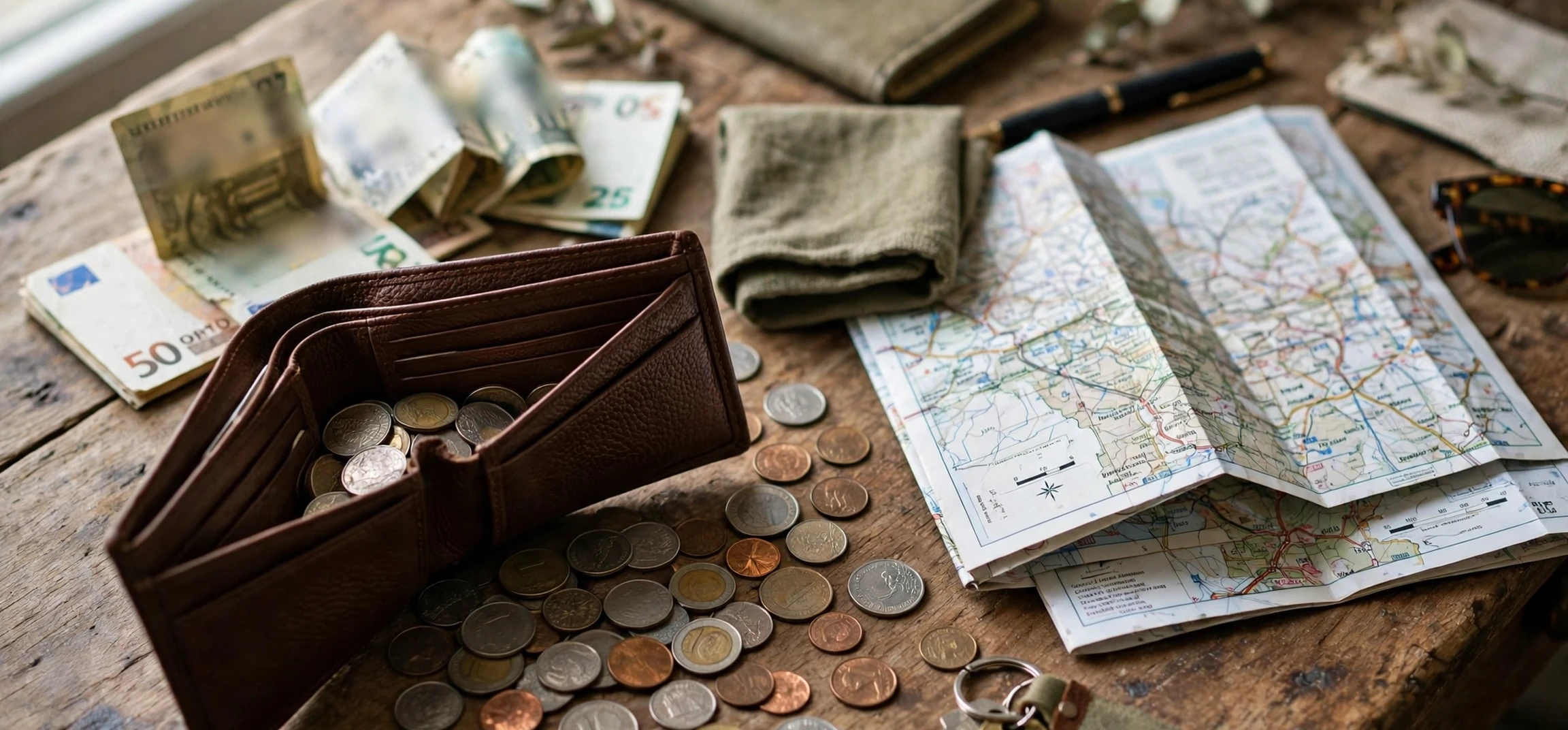
If you searched for currency vietnam, the answer you need first is simple: the currency of Vietnam is the Vietnamese dong, often shortened to VND, its international currency code. The dong is the official money used for everyday buying and selling across Vietnam, from street markets and small shops to hotels, restaurants, and larger businesses. This guide explains what the dong is, how it works in practice, how to handle it as a visitor, and what to check before you travel, without relying on any exchange rate quoted as a fixed fact, because rates move every day.
Understanding a country’s currency before you arrive makes travel smoother and cheaper. It helps you read prices confidently, recognise the notes you are handed, decide how much cash to carry, and avoid common mistakes such as confusing denominations or accepting a poor exchange deal. Vietnam is a largely cash-friendly country in many everyday settings, although cards and digital payments are increasingly accepted in cities and larger establishments. Knowing how the dong works will help you move between those worlds with confidence.
Currency Vietnam: The Vietnamese Dong
The Vietnamese dong is issued and managed by the State Bank of Vietnam, the country’s central bank. Like every national currency, it exists in a system of banknotes and, in principle, coins, although in practice banknotes dominate daily life in Vietnam and coins are rarely encountered by visitors. The dong is divided into smaller units in theory, but those small units are not used in everyday transactions, because the denominations in circulation are large numbers and prices are quoted in whole dong amounts.
One of the first things visitors notice about the dong is the size of the numbers involved. Prices that would be small in many other currencies run into tens or hundreds of thousands of dong, and a modest meal or a taxi ride can easily cost a six-figure sum in dong. This is not a sign that things are expensive; it simply reflects the denomination structure of the currency. A useful habit is to think in round thousands: divide mentally by one thousand to get a rough sense of scale, and always check the number of zeros on a note before handing it over.
The symbol for the dong is a crossed d, written as a small letter d with a horizontal stroke, and the code VND is used in banking, booking systems, and currency converters. You will see VND on flight bookings, hotel confirmations, and exchange receipts, and it is the code to use when looking up a rate or setting up a converter app. When a price is shown only with the symbol or with the word dong, it refers to the same currency.
Banknotes and Denominations
Vietnamese banknotes come in a range of denominations, and they are printed in distinct colours to help users tell them apart. Modern notes are made from a durable polymer material, which makes them harder to tear and more resistant to water than paper notes. This is practical in a tropical climate and in busy markets, where notes change hands quickly and are often folded, carried in pockets, and handled in humid conditions.
Because several denominations share similar colours at a glance, it is wise to take a moment to read the number on each note when you first receive change, especially in dim light or in a hurry. Vendors are accustomed to visitors checking notes, and a brief pause is perfectly normal. Keeping notes sorted by size in your wallet, largest at the back and smallest at the front, is a simple system that prevents the most common error: handing over a note worth ten times what you intended.
Some older paper notes may still occasionally appear, but polymer notes are the standard in current circulation. If you are offered a note that looks unfamiliar or damaged, there is no harm in politely asking for a different one. Banks and larger shops are the safest places to break large notes, because small stalls and street vendors may not always have change for the biggest denominations, particularly early in the morning.
A Brief History of the Dong
The dong has a history that mirrors Vietnam’s own modern history. It was introduced in the mid-twentieth century, and it went through periods of change and reform as the country unified and its economy developed. The currency was reformed and revalued at different points, and the modern dong, as visitors encounter it today, is the product of those reforms and of Vietnam’s opening to international trade and tourism in recent decades.
That history is part of why the denominations are large. Periods of high inflation in the past left the currency with high face values, and although the economy has stabilised considerably since then, the denomination structure was never reset to small numbers. For a visitor, this is simply background: the important point is that a large number of dong does not mean a large amount of money in international terms, and the conversion is what matters, not the raw figure.
Currency Vietnam: Exchange Rates and Conversion
Exchange rates for the dong move daily, driven by international currency markets and by the policies of the central bank. For that reason, this guide deliberately does not quote a rate as a current fact: any figure printed here would be out of date within days, and possibly within hours. Instead, the reliable approach is to check a live rate from a reputable source shortly before you exchange money, and again if you are making a large transaction.
Good sources for a live rate include your own bank, a major currency converter, or the published reference rates of reputable financial institutions. Compare two or three sources rather than trusting a single one, and remember that the rate you see quoted online is usually the mid-market rate, which is the midpoint between buying and selling prices. The rate you are actually offered at a bureau or a bank will include a margin, so it will be slightly less favourable. That margin is normal, but its size varies, which is why comparing offers matters.
When converting in your head, a converter app on your phone is more reliable than mental arithmetic, especially with large numbers. Set the app to VND and your home currency, and use it for any purchase that feels significant. Over a trip, small conversion errors add up, and a quick check before paying is one of the easiest ways to keep a travel budget on track. Offline converter apps are worth downloading before you travel, in case mobile data is unavailable when you need it.
Where to Exchange Money
Visitors generally have several options for obtaining dong: exchanging cash at a bank or licensed exchange counter, withdrawing from an ATM, or paying by card where cards are accepted. Banks and licensed counters are usually the most transparent option for cash exchange, because they display rates clearly and issue receipts. Hotels also exchange money, but their rates are often less favourable, so they are best used for small amounts in a hurry rather than for a whole trip’s budget.
ATMs are widely available in cities and tourist areas, and they dispense dong directly. Check with your home bank before travelling about foreign withdrawal fees and daily limits, because those charges can make frequent small withdrawals expensive. If your bank charges per withdrawal, it is usually cheaper to make fewer, larger withdrawals, while keeping the cash secure. Always use ATMs inside banks or in well-lit, busy locations, and shield your PIN when entering it.
Street money changers, by contrast, should be avoided. Unlicensed exchange carries risks of poor rates, counterfeit notes, and short-changing, and it offers no receipt or recourse if something goes wrong. The small saving sometimes promised by an unofficial dealer is rarely worth the risk. Stick to banks, licensed counters, and ATMs, and keep your exchange receipts until you leave the country.
Using the Dong Day to Day
In daily life, the dong is used for almost everything, from a cup of coffee to a hotel bill. In cities, larger restaurants, hotels, and shopping centres usually accept cards, and digital wallets are growing in popularity. In markets, small eateries, rural areas, and for transport such as local buses or motorbike taxis, cash is still the norm, and having a good mix of small and medium notes will make life much easier.
Bargaining is part of market culture in Vietnam, particularly in tourist markets. Prices are often negotiable, and a friendly, unhurried approach works better than a hard bargain. Agree the price before a service begins, especially for taxis without meters or for guided services, and confirm the total in dong before paying. Writing the number down, or showing it on a phone calculator, avoids misunderstandings caused by language differences or by the large numbers involved.
Tipping is not as formalised in Vietnam as in some countries, but small tips for good service are appreciated and increasingly common in tourist settings. There is no need to tip a fixed percentage everywhere; rounding up a bill or leaving small change is a common and welcome gesture. For tour guides and drivers on a full-day service, a somewhat larger tip is customary if the service was good, but it remains at your discretion.
| Situation | Best payment approach | Tip |
|---|---|---|
| Street market or small eatery | Cash in small and medium notes | Carry small notes and check change carefully |
| City restaurant or shopping centre | Card or cash | Ask before ordering if cards are accepted |
| Hotel bill | Card, with cash as backup | Confirm the currency shown on the bill |
| Rural travel or local transport | Cash only | Withdraw enough before leaving the city |
| Airport arrival | ATM or licensed counter | Take a small amount first, then compare rates |
For more general travel planning, see our guide to what domestic travel means and our exchange guide for travellers. Both complement this currency guide by covering the practical side of planning trips and handling money abroad.
Practical Tips for Travellers
Before you leave home, tell your bank that you will be travelling, so your card is not blocked for suspected fraud when you first use it abroad. Check whether your card charges a foreign transaction fee, and consider whether a travel-friendly card would save you money over the course of the trip. Some travellers carry a second card as a backup, kept separately from the first, so that a lost wallet does not leave them without any payment method.
On arrival, resist the urge to exchange all your money at once. Exchange a modest amount at the airport for transport and first-day expenses, then compare rates in the city, where competition usually produces better deals. Keep a daily budget in dong, and track spending with a notes app or a travel budget app, so the large numbers do not disguise how much you are actually spending in your home currency.
Security deserves a brief note. Vietnam is a popular and generally welcoming destination, but pickpocketing occurs in crowded markets and on busy streets, as it does in tourist areas worldwide. Carry only what you need for the day, keep larger amounts in a hotel safe or a money belt, and avoid displaying large wads of notes when paying. A small, zipped wallet for daily cash and a separate secure place for the bulk of your funds is a sensible system.
Leaving Vietnam and Leftover Dong
Towards the end of a trip, try to run down your dong gradually, because exchanging dong back into your home currency outside Vietnam can be difficult and the rates are often poor. Spend remaining cash on final meals, souvenirs, or airport purchases, or keep a small note or two as a souvenir. If you do have a significant amount left, exchange it at a bank or licensed counter before departure rather than at the airport, where rates tend to be less favourable.
Keep your exchange receipts and ATM slips until you are home, in case you need to reconcile your bank statement or query a charge. If a card transaction appears in an unexpected currency or amount, contact your bank promptly with the receipt details. Most issues are resolved quickly when you have the paperwork to support your query.
Frequently Asked Questions
What is the currency of Vietnam? The Vietnamese dong, code VND. It is the official currency used throughout the country.
Can I use US dollars or other foreign currency in Vietnam? Some tourist businesses may accept foreign currency, but the dong is the official currency and the safest choice for everyday payments. Prices in dong are the norm.
Are cards widely accepted? Cards are accepted in cities, hotels, larger restaurants, and shopping centres, but cash remains essential in markets, small eateries, and rural areas.
Should I exchange money before I travel? A small amount for arrival is useful, but rates in Vietnam are often competitive, so many travellers exchange the bulk of their money after arrival at banks or licensed counters.
Conclusion
The currency of Vietnam is the Vietnamese dong, a banknote-based currency with large denominations, a distinctive symbol, and the code VND. Its numbers can look startling at first, but once you understand the scale, check live rates rather than relying on printed figures, and carry a sensible mix of cash and cards, using the dong becomes straightforward. Prepare a little before you go, exchange through official channels, and let the currency fade into the background, so you can enjoy Vietnam itself.



