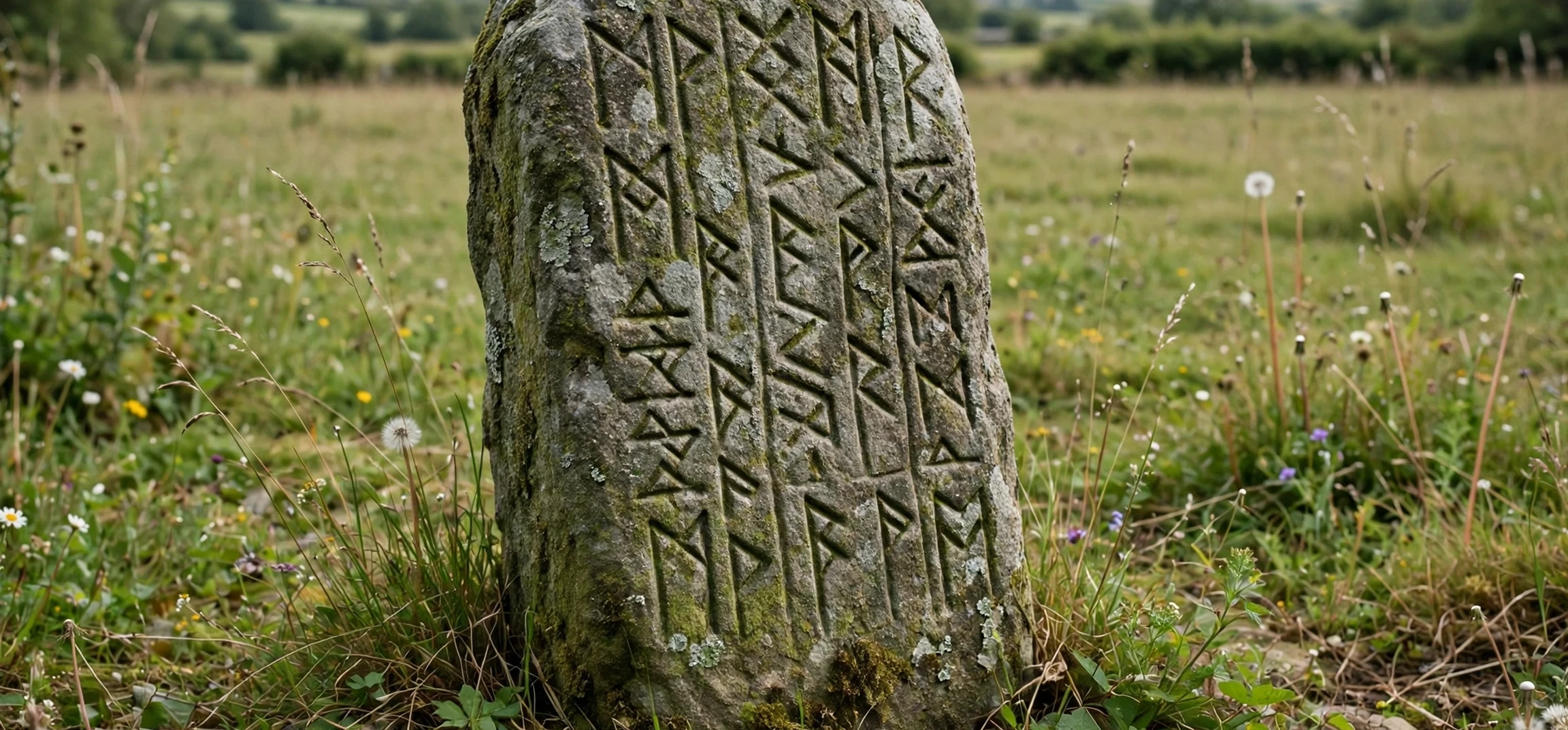
The phrase frith meaning Norse points to an old and powerful idea: peace, protection, and sanctuary within a community. If you have come across the word frith in a history book, a place name, a fantasy novel, or a discussion of Norse culture, you may have wondered whether it simply means peace, or whether it carries a deeper sense of safety, law, and belonging. The short answer is that frith is richer than ordinary peace. In Norse and Old English usage, frith describes a protected state in which people, homes, and holy places are kept safe from violence, often under law, custom, or a sacred bond. This guide explains the frith meaning Norse readers are looking for, traces its roots through Old Norse and Old English, and shows how the word survives today.
Old words can be misleading when we translate them with a single modern equivalent. Peace in modern English often suggests the absence of war, a quiet mood, or a personal feeling of calm. Frith, by contrast, was social and practical. It was something a lord, a king, a community, or a sacred place could offer, keep, or break. To understand the frith meaning Norse sources preserve, we need to look at how the word was used in laws, stories, and place names, not just in dictionaries. When we do that, a picture emerges of a society that valued protected spaces, mutual obligations, and the serious consequences of breaking trust.
What Is the Frith Meaning Norse Tradition Preserves?
In Old Norse, the word friðr is usually translated as peace, but its full sense includes safety, security, and freedom from attack. A person who enjoyed friðr was not merely living in a quiet time; they were under protection, whether from a ruler, a community agreement, or a sacred place. Breaking that protection was a grave offence, because it attacked the order that held society together. That is why the frith meaning Norse tradition preserves is often described by historians as “protected peace” rather than peace alone.
The Old English cousin of this word is friþ, pronounced similarly and carrying a closely related meaning. In Anglo-Saxon England, frith appeared in laws about the king’s peace, the church’s peace, and the peace of a household. A traveller on a king’s road, a worshipper in a church, or a guest in a home could claim a form of frith, and harming them carried a heavier penalty than an ordinary offence. This legal side of frith shows that it was not just a poetic idea. It was a working part of how early medieval societies tried to limit violence and protect vulnerable people and places.
Modern readers sometimes meet frith in fantasy fiction, historical novels, or discussions of Norse paganism, where it is used to describe a sacred peace around a temple or a gathering. That usage draws on the older sense, even when the story is fictional. The core idea remains the same: a space or relationship set apart from conflict, where safety is promised and respected. Keeping that core in mind helps avoid oversimplifying the frith meaning Norse writers intended.
Roots of the Frith Meaning Norse and Old English Share
Linguists trace frith to a deep Indo-European root connected with love, friendship, and protection. The same family of words gives us modern English “friend” and “free,” which originally carried senses of belonging to a protected group rather than simply being unrestricted. That connection is revealing: in the early medieval world, freedom and friendship were not abstract individual rights in the modern sense. They were tied to membership in a household, a kin group, or a lord’s protection. To be a friend was, in part, to be someone who could be trusted within the frith of a community.
Old Norse friðr and Old English friþ therefore share both sound and sense, even though they developed in different cultures. Both languages used the word for peace secured by agreement, for sanctuary, and for the condition of being safe from feud or attack. Place names preserve this history as well. English place names containing Frith, and Scandinavian names built from similar roots, often mark woodland, enclosed land, or a protected area, reminding us that frith could describe a physical space as well as a social condition. When you walk through a place called Frith today, you may be walking through a name that once promised shelter.
This shared root also explains why the frith meaning Norse sources use overlaps so closely with the Old English sense, despite differences in law and religion. Both societies faced the same problem: how to stop cycles of revenge, protect trade and worship, and give people safe places to live and meet. Frith was one of their answers, expressed in language, law, and custom together.
Frith in Law, Sanctuary, and Daily Life
In early medieval law, frith was often graded. The king’s frith was stronger than an ordinary person’s frith, and the church’s frith around a sanctuary carried special penalties for violation. A person who fled to a church or a sacred place could claim sanctuary, and harming them there was treated as an attack on the peace itself, not only on the individual. This system was imperfect and depended on local power, but it shows how seriously frith was taken. It was a way of marking certain people, places, and times as off-limits to violence.
Daily life also depended on smaller forms of frith. The peace of a home meant that guests and household members should be safe under its roof. The peace of a market or assembly meant that traders and disputants could meet without fear of ambush. The peace of a festival or gathering meant that old feuds were supposed to pause while the community celebrated or made decisions together. Breaking any of these forms of frith damaged trust, and trust was the currency that held small communities together when formal policing was limited.
It is helpful to contrast frith with another Norse concept, grid, which also relates to sanctuary and truce, and with the idea of outlawry, which removed a person from protection altogether. An outlaw, in the starkest sense, was someone placed outside the frith, no longer protected by law and no longer owed safety by others. That contrast sharpens the meaning: frith was not automatic. It was granted, maintained, and could be lost. Understanding that helps modern readers appreciate why Norse stories treat oaths, hospitality, and sanctuary with such gravity.
Frith as a Name and in Place Names
Frith also survives as a surname and, less commonly, as a given name element. As a surname, Frith often comes from a place name or from a word for woodland or enclosed land, reflecting the landscape sense of the word. Families carrying the name today may have ancestors who lived near a frith, worked in woodland, or took their name from a local feature. Surname history is rarely exact for any single family without genealogical research, but the general pattern is clear and consistent with how many English surnames developed from landscape words.
In modern naming, Frith is sometimes chosen for its sound and its peaceful associations, even by parents who are not specialists in Old Norse. It is short, distinctive, and easy to pronounce, and its meaning gives it a gentle strength that appeals to families looking for something uncommon but grounded. As with any historical name, it is worth checking pronunciation in your community and considering how it pairs with a surname, but the meaning itself is a positive starting point for conversation.
Place names offer another way to meet frith in everyday life. A village, wood, or field named Frith may preserve a memory of protected land or a boundary, even when the original legal sense has faded. Local history societies and place-name dictionaries can often explain a specific example, and they are a good next step if you want to know whether a particular Frith near you comes from the peace sense, the woodland sense, or a personal name.
Frith in Modern Culture and Language
Today, the frith meaning Norse enthusiasts discuss often appears in modern pagan, historical reenactment, and fantasy communities. In those contexts, frith is used to describe a commitment to keeping a gathering peaceful, respectful, and safe, and to honouring hospitality and oaths. This modern use is a revival and reinterpretation rather than an unbroken survival, but it draws sincerely on the older idea that peace is something a community creates together, not something that simply happens.
Writers also use frith to give historical fiction an authentic texture. A character who speaks of keeping frith, breaking frith, or seeking frith immediately signals a world where safety depends on promises and where violating a sanctuary has consequences. Readers do not need a dictionary entry to feel that weight, because the word carries its history in its sound and context. That literary use has, in turn, introduced many new readers to the word and sent them searching for its original meaning.
For language lovers, frith is a reminder that English and Norse vocabularies are deeply intertwined. Words we use every day, such as friend, free, and Friday, share distant roots with the world that produced frith. Tracing those connections is not just academic curiosity. It shows how ideas about safety, belonging, and loyalty were built into the language itself, long before modern legal systems gave them formal shape.
Frith at a Glance
The table below summarises the different layers of meaning, so you can see at a glance why a single translation is not enough.
| Aspect | Meaning |
|---|---|
| Core translation | Peace, safety, protection |
| Old Norse form | Friðr, protected peace |
| Old English form | Friþ, king’s peace, church peace, household peace |
| Social sense | Trust, sanctuary, freedom from feud |
| Modern sense | Peaceful community, hospitality, safe gathering |
Use this summary as a starting point, not a final definition. The richness of frith lies in the way these layers work together: a legal protection, a social promise, and a physical sanctuary, all expressed in one short word.
Frequently Asked Questions About Frith Meaning Norse
Does frith simply mean peace?
Peace is the closest single translation, but the frith meaning Norse sources preserve is fuller: protected peace, safety under law or custom, and sanctuary from attack. It describes a condition that is promised and kept, not just a quiet moment.
What is the difference between Old Norse friðr and Old English friþ?
They are closely related words from a shared root, used in neighbouring cultures for similar ideas. Old Norse friðr is often discussed in saga and myth contexts, while Old English friþ appears prominently in Anglo-Saxon laws about the king’s peace and church sanctuary. Their core sense overlaps strongly.
Is frith still used today?
Yes, mainly in historical, literary, and modern pagan contexts, and as a surname and place name. Its modern use is a revival of the older idea of a peaceful, protected community space, rather than a word in everyday conversation.
Is frith related to the words friend and free?
Yes, distantly. They share an ancient root connected with love, belonging, and protection within a group. That link helps explain why frith feels both personal and social: it is about being safe among people who owe you loyalty.
Can frith be a first name?
It can, though it is uncommon as a given name and more familiar as a surname or place name. Parents who choose it usually value its short sound, its peaceful meaning, and its historical depth.
Conclusion: Understanding Frith Meaning Norse
The frith meaning Norse tradition hands down is an idea worth recovering: peace as protection, safety as a promise, and community as a place where violence is set aside by agreement. From Old Norse friðr to Old English friþ, from king’s peace and church sanctuary to modern gatherings that still speak of keeping frith, the word has always meant more than quiet. It has meant a space, a relationship, and a responsibility kept together. If you meet frith again in a story, a place name, or a family name, you will now recognise the layers behind it — and that recognition is the best way to keep an old word alive. For related name and meaning guides, see Blaise name meaning, Bowen name meaning, and Annalise meaning of name.



