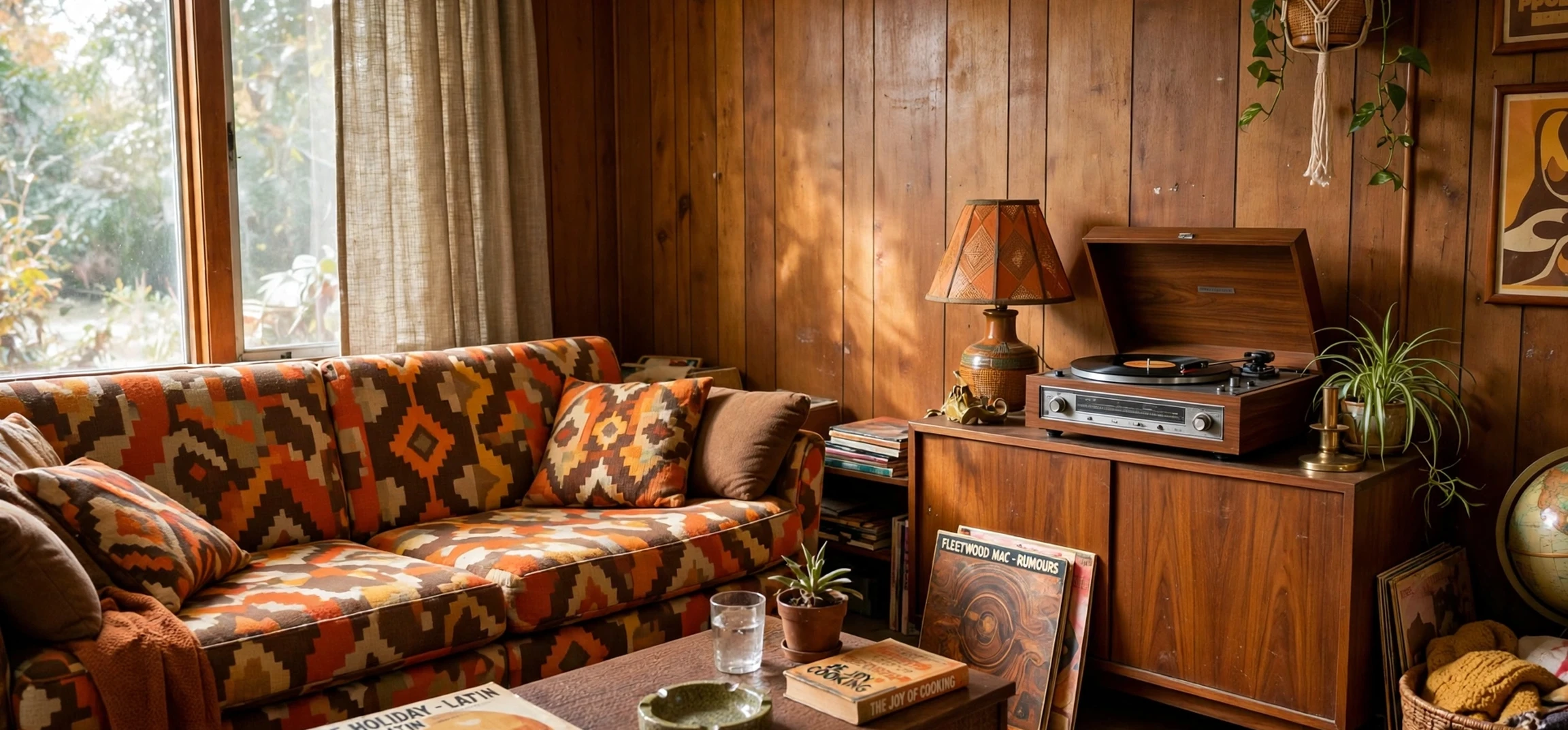
The 1970s left a distinctive fingerprint on baby naming in the English-speaking world, and the most popular names in the 1970s still sound familiar today because so many people born in that decade carry them. If you grew up in the seventies, taught a classroom in the eighties, or now work alongside colleagues in their fifties, you have almost certainly met several people with the decade’s chart-topping names. This article offers a public name-trend overview of that era: which names led the charts, why they appealed to parents of the time, how trends shifted across the decade, and why some seventies favourites have faded while others feel timeless. It names no private individuals and draws only on broad, public naming patterns.
To understand seventies naming, it helps to picture the culture parents were living in. The decade blended the tail end of the counterculture with a new appetite for soft, natural, and approachable sounds. Television brought the same characters into living rooms week after week, popular music filled the radio with singer-songwriters, and film offered heroes and heroines whose names felt both fresh and familiar. Parents did not choose names in a vacuum; they chose names they had heard, liked, and associated with warmth, strength, or style. The charts of the decade reflect that mix remarkably well.
Another feature of the seventies is how concentrated naming was compared with today. Far fewer names dominated the top of the charts, which means a handful of names were shared by a very large number of children. In a typical classroom of the era, several children might answer to the same first name, and teachers often relied on surnames or nicknames to tell them apart. That concentration is part of why seventies names feel so instantly recognisable: they were not just popular, they were everywhere.
The Most Popular Names in the 1970s at a Glance
Across the decade in the United States, which publishes the most widely cited historical naming records, Michael and David traded places near the top of the boys’ charts, with John, Robert, and James close behind. For girls, Jennifer rose to dominate the second half of the decade, joined by Lisa, Kimberly, Michelle, and Amy. These names were not flashes in the pan; many of them had been familiar for generations, but the seventies gave them an unusually large cohort of bearers.
Michael is the defining boys’ name of the decade. It combined biblical roots with a friendly, modern sound, and it worked across ages, from childhood nicknames to adult professional life. David offered a similar blend of tradition and approachability, while John and Robert carried a steady, classic weight that appealed to parents who wanted something proven rather than fashionable. James, with its long history and its short form Jim or Jimmy, rounded out a top group that felt safe, strong, and easy to wear.
On the girls’ side, Jennifer is the defining name of the late seventies. It rose steadily through the decade until it became the single most common girls’ name of the era, and it stayed near the top well into the following decade. Lisa, which had been popular in the sixties, carried its momentum into the early seventies, while Kimberly brought a newer, more glamorous sound. Michelle and Amy offered softer, melodic alternatives, and together these names capture the decade’s preference for feminine names that felt gentle, modern, and easy to pronounce.
Why the Most Popular Names in the 1970s Caught On
Several forces pushed the same names to the top. First, parents often favoured names that were familiar but not old-fashioned. A name like Michael or Jennifer felt current without feeling invented, and it avoided the risk of a child standing out for the wrong reasons. In an era when conformity still mattered in schools and workplaces, a widely liked name was a low-risk, high-warmth choice.
Second, popular culture amplified certain names. Television characters, film roles, and chart-topping musicians all put names into daily circulation, and parents absorb those sounds unconsciously. A name heard affectionately on screen week after week can start to feel like a family favourite even before a baby arrives. The seventies, with only a handful of television channels in most homes, concentrated that effect: the whole country was often watching, and liking, the same characters at the same time.
Third, sound mattered. Seventies favourites tend to share a smooth, flowing quality, with soft consonants and clear vowels. Jennifer, Michelle, Kimberly, and Amy all roll easily off the tongue, while Michael, David, and Robert have a balanced, two-syllable rhythm. Names that are easy to say and spell tend to travel well, and the decade’s charts reward exactly that kind of accessibility.
How Naming Shifted Across the Decade
The early seventies still carried the influence of the sixties, with names like Lisa, Susan, and Karen prominent for girls, and Michael, David, and John leading for boys. As the decade progressed, the balance shifted. Jennifer’s climb is the clearest example: it moved from a rising favourite to the dominant girls’ name of the late seventies, a position it held with remarkable consistency. Kimberly and Michelle also gained ground as the decade went on, reflecting a taste for slightly longer, more elaborate girls’ names.
For boys, the top of the chart was more stable, but there were still movements beneath the leaders. Christopher rose through the decade, Jason gained popularity, and Brian and Kevin became more visible. These shifts hint at the eighties to come, when Christopher and Jason would become defining names in their own right. The seventies therefore sit at a crossroads: anchored by classics at the very top, but with newer sounds gathering strength underneath.
Regional differences also existed, though the national charts smooth them out. Certain names were stronger in particular states or communities, influenced by local culture, faith traditions, and family naming customs. Naming a child after a grandparent, for example, remained common, and that practice kept older names in circulation even as fashionable names rose. The national picture is useful, but it should not erase the local and family stories behind individual choices.
Nicknames and Variations of Seventies Favourites
One reason seventies names proved so durable is their flexibility. Michael could be Mike, Mick, or Mikey; Jennifer could be Jen, Jenny, or Jenn; Robert could be Rob, Robbie, or Bob; and James could be Jim, Jimmy, or Jamie. That range allowed the same formal name to suit a toddler, a teenager, and a professional adult, simply by changing the short form. Parents choosing a name in the seventies were often, consciously or not, choosing a whole set of nicknames as well.
Spelling variations also played a role, though the decade was less experimental with spelling than later eras would be. Most top names kept their standard spellings, which added to their sense of reliability. A child named David or Lisa in the seventies rarely had to spell their name for others, and that everyday ease was part of the appeal. Later decades would embrace creative spellings more enthusiastically, but the seventies largely preferred the familiar form.
The Legacy of Seventies Names Today
Today, seventies names occupy an interesting position. They are common enough among adults in their forties and fifties to feel entirely normal, yet rare enough among newborns to sound distinctly of their era. A young Jennifer or Michael today might be named after a parent or grandparent, giving the name a second life as a family tribute rather than a chart-topper. That cycle, from fashionable to dated to nostalgic, is one of the most reliable patterns in naming history.
Some seventies favourites have aged into modern classics. James, David, and Michael remain widely used, and their staying power suggests they were never purely fashionable choices. Others, like Kimberly or Lisa, are more strongly associated with their decade, which gives them a nostalgic charm for people who grew up alongside them. Neither fate is a judgement on the name itself; it simply reflects how naming fashion moves in waves.
For anyone researching family history, seventies naming patterns can also be a useful clue. A relative born in the decade with a top-ten name fits the broad pattern, while a rarer name may hint at a family tradition, a cultural background, or a particular influence worth exploring. Birth records and naming charts are public resources that genealogists use in exactly this way, as one thread among many in a family story.
| Leading girls’ names | Leading boys’ names | What defined them |
|---|---|---|
| Jennifer | Michael | Dominant late-decade favourites with lasting recognition |
| Lisa | David | Carried momentum from the sixties into the seventies |
| Kimberly | John | A newer glamour sound beside a steady classic |
| Michelle | Robert | Soft, melodic, and easy to wear at any age |
| Amy | James | Short, warm, and endlessly nickname-friendly |
Most Popular Names in the 1970s: Frequently Asked Questions
What was the most popular girls’ name of the 1970s?
Jennifer dominates the late seventies and is generally regarded as the defining girls’ name of the decade in the United States, following earlier-decade strength from names such as Lisa.
What was the most popular boys’ name of the 1970s?
Michael leads the boys’ charts across much of the decade, with David, John, Robert, and James close behind.
Why do seventies names sound dated to some people?
Because so many people of the same age share them, the names became strongly associated with one generation. That association fades as the names are reused for younger children or as family tributes.
Are seventies names coming back?
Some are. Classic names from the decade, such as James and Michael, never fully left, while others return through family naming and nostalgia cycles rather than through the top of the charts.
Conclusion
The most popular names in the 1970s tell a story of familiarity, warmth, and cultural concentration: a small group of approachable names, led by Michael and Jennifer, shared by an enormous generation and amplified by the television, music, and film of the era. Their rise, their nicknames, and their slow drift from fashionable to nostalgic all follow patterns that still shape naming today. Whether you are revisiting your own decade, researching family history, or simply curious about why certain names feel so instantly seventies, the charts of that era remain a vivid snapshot of what parents valued. For more name history, explore our guides to the meaning of Brandon, the meaning of Carol, and the meaning of Blaise.