Planning a trip, reading a news story, or following a business deal can all raise the same basic question: what is the currency of moscow? The short answer is that Moscow, as the capital of Russia, uses the Russian ruble, the national currency of the Russian Federation. This guide explains the currency of moscow in general terms: what the ruble is, how it is divided, what its notes and coins look like, how visitors typically pay, and what to check before travelling, without stating any exchange rate as a current fact.
That last point is worth stating plainly. Exchange rates move constantly, and any rate quoted in an article can be out of date within hours. For a current rate, always check an official source, such as a central bank publication, or your own bank or currency provider at the time you need it. This guide gives you the background knowledge to understand what you find there, not a rate to rely on.
Currency of Moscow: The Russian Ruble at a Glance
The currency of moscow is the Russian ruble, usually written with the symbol ₽ and the currency code RUB. It is the official currency throughout Russia, not only in Moscow, so the same money is used in Saint Petersburg, Kazan, Vladivostok, and every other Russian city. Moscow matters in this context because, as the capital and largest city, it is where most visitors first encounter the currency, whether at an airport, a hotel, or a metro station.
The ruble is a decimal currency, divided into smaller units called kopecks. One ruble is made up of one hundred kopecks, in the same way that many other currencies divide into one hundred smaller units. In everyday life, however, kopecks play a small role, because prices are usually quoted in rubles and small change is less commonly used than it once was. Understanding the division is still useful, especially when reading prices that include kopecks or when receiving change in coins.
Currency of Moscow and the History of the Ruble
The ruble has a long history in Russia, stretching back centuries, and the modern ruble is the latest chapter in that story. The currency has been reformed and redenominated at various points in Russian history, reflecting economic changes and the transition from the Soviet period to the modern Russian Federation. The ruble in use today was introduced in the late 1990s after a redenomination, and it has since been the everyday currency of Russian life.
That history helps explain why older references can be confusing. Historical prices, Soviet-era money, and pre-reform rubles are not the same as the modern ruble, and they cannot be spent today. Collectors value old notes and coins, but for travel or business, only the current series matters. Banknotes and coins are issued by the central bank, and their designs feature Russian landmarks, historical figures, and cultural themes that change with new series.
Notes, Coins, and What They Look Like
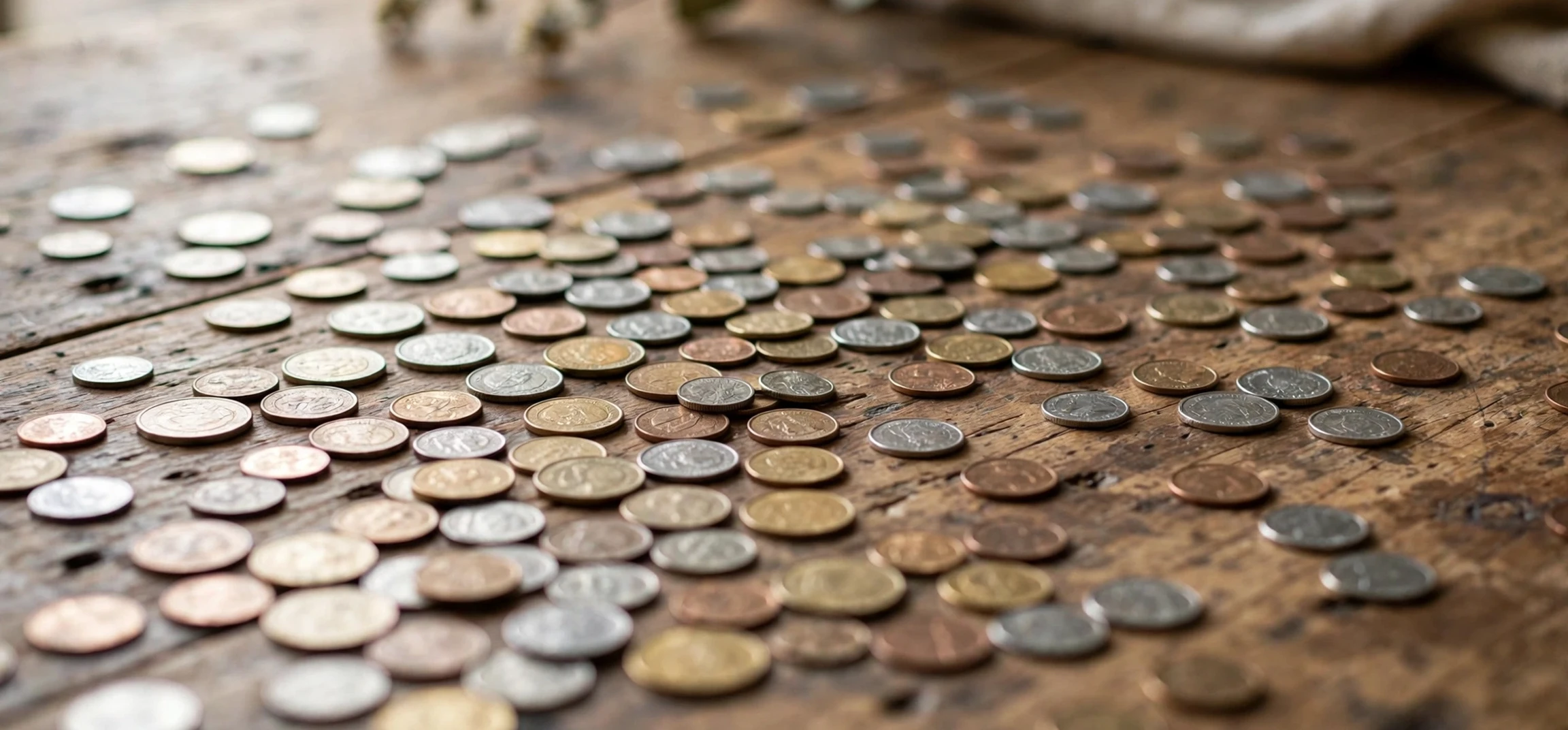
Russian banknotes come in a range of denominations, and each denomination has its own colour and design, often featuring a Russian city or landmark. Higher denominations are used for larger purchases, while smaller notes cover everyday spending such as transport, snacks, and museum tickets. Coins cover smaller amounts and are used for change, vending machines, and small purchases, though card payments have reduced the need to carry many coins.
For visitors, the practical skill is recognising denominations quickly and checking change. Notes in Russia, as elsewhere, include security features such as watermarks and special printing, and it is worth taking a moment to look at a new denomination when you first receive it. Keep larger notes separate from smaller ones, and carry a mix of denominations so that small purchases do not require breaking a large note at a busy stall. If a note looks damaged or unfamiliar, a bank can advise whether it is still valid.
Paying in Moscow: Cash, Cards, and Everyday Practice
Payment habits in Moscow, like those in many large cities, have shifted strongly toward cards and mobile payments for everyday spending. Metro fares, cafes, supermarkets, and larger shops commonly accept cards, and contactless payment is widespread. Cash remains useful, however, for small kiosks, markets, tips, and places where card terminals are unavailable or unreliable, so most visitors carry at least some rubles in cash alongside a card.
Visitors should also think about how they obtain rubles. Options generally include exchanging currency before travel, using bank machines on arrival, or paying by card and letting the card provider handle conversion. Each option has different fees and convenience, and the best choice depends on your bank, your trip length, and how much cash you expect to need. Whatever route you choose, use reputable banks and official exchange points, keep receipts, and be cautious of informal street offers, which carry a higher risk of poor rates or counterfeit notes.
| Payment method | Typical use in Moscow | Things to consider |
|---|---|---|
| Cash in rubles | Markets, kiosks, tips, small purchases | Carry mixed denominations; use official exchange points |
| Bank card | Shops, restaurants, metro, hotels | Check foreign transaction fees with your bank |
| Mobile payment | Everyday city spending | Availability depends on your device and provider |
| Bank machines | Withdrawing rubles on arrival | Use machines inside banks where possible |
Exchange Rates: How to Check a Current Rate Safely
Because rates change throughout the day, this guide deliberately does not quote a current exchange rate. The reliable way to find one is to check at the moment you need it, using a source you trust. Central bank publications, major banks, and established currency providers all publish rates, though they may differ slightly because of fees, margins, and timing. The rate you are offered at an exchange point will rarely match a headline mid-market rate exactly, and that difference is normal.
When comparing offers, look at the total amount you will receive, not only the advertised rate. Fees, commissions, and minimum charges can change the outcome significantly, especially for small amounts. For larger sums, the difference between providers can be material, so it is worth comparing two or three reputable options. Avoid making a large exchange based on a rate quoted in an old article, a social media post, or an unofficial source, and keep a record of any transaction.
Practical Tips for Visitors Dealing With Rubles
A few habits make handling a new currency much easier. Before travelling, learn to recognise the main notes and coins, and practise converting a few everyday prices in your head so that menus and tickets feel familiar. On arrival, withdraw or exchange a modest amount for immediate needs, such as transport from the airport, and then top up as you learn local prices. Keep cash and cards in separate places, and note your bank’s contact details in case a card is lost.
Budgeting is simpler when you separate fixed costs from daily spending. Hotels and major transport are often paid by card, while food, entry tickets, and local transport may be a mix of cash and card. Tipping customs vary, and small cash tips are common in some settings, so carrying small notes is helpful. Finally, keep some awareness of local rules: currency regulations, declaration thresholds for large cash amounts, and any sanctions or banking restrictions that affect your country can change, so check official travel guidance before departure as well as current rates.
One more habit helps visitors avoid confusion: keep a simple daily record of what you spend, especially in the first few days. Noting a metro fare, a lunch, and a museum ticket in rubles gives you a realistic sense of local prices far faster than converting every amount back into your home currency. Over a few days, ruble prices start to feel intuitive, and you can judge whether something is a good value without reaching for a calculator. That familiarity also makes it easier to spot an error in change or an unexpected charge, and to ask about it calmly at the time.
Frequently Asked Questions
What currency is used in Moscow?
The Russian ruble, symbol ₽ and code RUB, is used throughout Russia, including Moscow. It is divided into one hundred kopecks.
Can I use other currencies in Moscow?
Everyday transactions are conducted in rubles. Some hotels or tour services may quote prices in another currency for convenience, but payment in Russia is normally settled in rubles, so plan to hold rubles for daily spending.
Should I exchange money before I travel?
It depends on your bank and itinerary. A small amount before travel covers arrival costs, while the rest can be obtained from reputable banks or machines in Moscow. Compare total costs, including fees, rather than headline rates alone.
Where do I find a current exchange rate?
Check an official source such as a central bank publication, or your own bank or currency provider, at the time you need the rate. Rates move constantly, so an article rate should never be treated as current.
Conclusion
The currency of moscow is the Russian ruble, a decimal currency divided into kopecks, used throughout the Russian Federation and issued in a range of notes and coins. For visitors, the practical picture is straightforward: carry some rubles for small purchases, use cards for larger everyday spending, obtain currency through reputable banks and exchange points, and check an official or bank source for a current rate at the time you need it. With those basics in place, handling money in Moscow becomes one less thing to worry about, leaving more attention for the city itself. For related reading, see our world travel guide and our exchange guide.