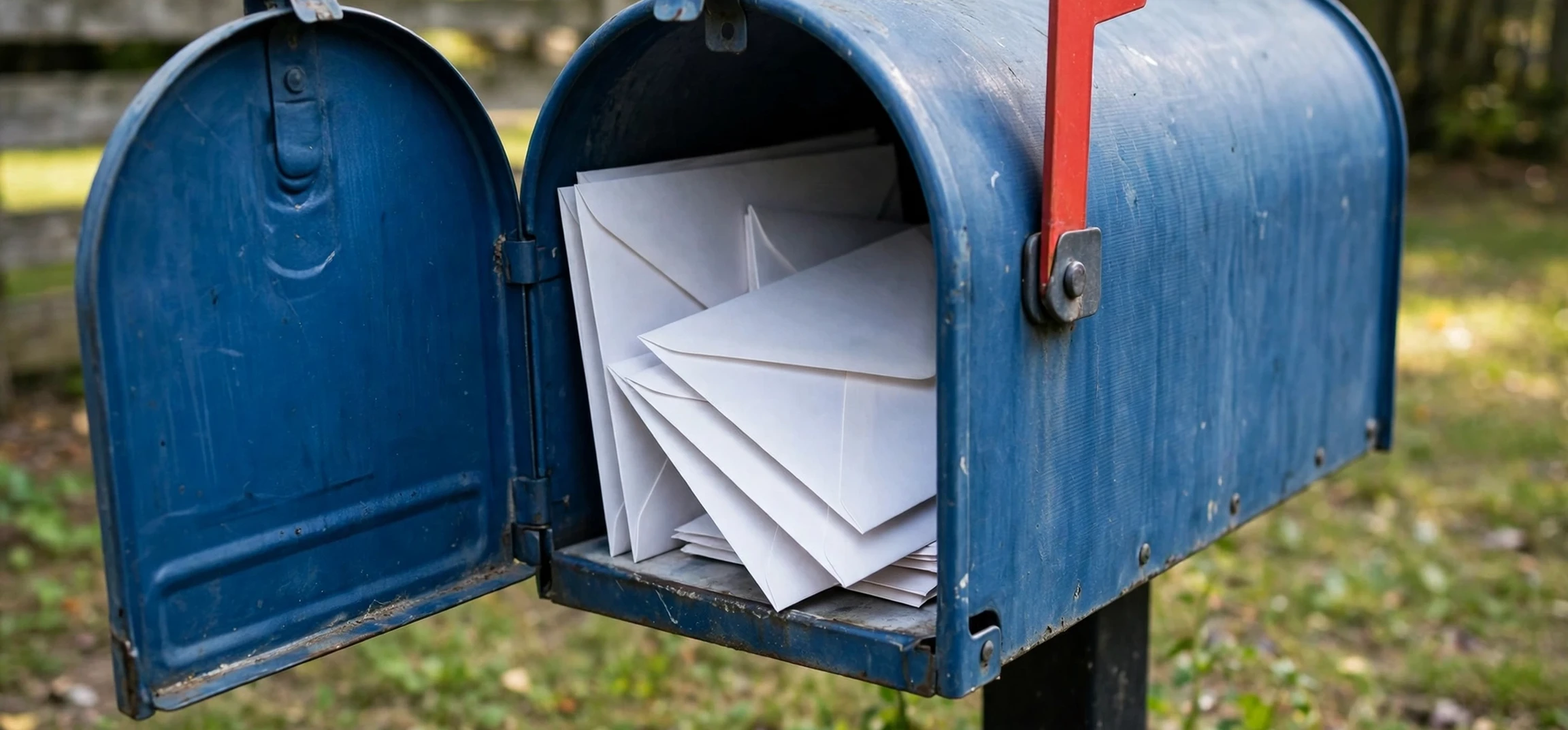
If you are looking for the address for mailing taxes, the most important thing to know is that there is no single mailing address for every tax return. The correct destination depends on the form you are filing, the state you live in, and whether you are sending a payment with your return. The official instructions that come with your tax form list the right address for your situation, and those instructions are the safest source to follow. This guide explains how the system works, how to find the right address for your return, and how to avoid the common mistakes that delay processing.
Many people expect a tax agency to have one central mailbox, but tax processing is organised by region and by form type. Returns with payments go to different processing centres than returns without payments. Certain forms, such as amended returns or returns for taxpayers living abroad, have their own destinations. That is why a web search for the address for mailing taxes can return several different answers, all of which may be correct for different filers. The only answer that matters is the one that matches your form and your circumstances.
Address for Mailing Taxes: The Basics
The address for mailing taxes is determined by the tax authority that will process your return. For a federal return in the United States, that authority is the Internal Revenue Service, and its official form instructions contain a table of mailing addresses organised by state and by whether a payment is enclosed. You find your state in the table, check the column that matches your situation, and use the address shown there. Do not copy an address from a friend’s return, from an old return, or from a random website, because processing centres and assignments change over time.
State tax returns work differently. Each state has its own tax agency, its own forms, and its own mailing addresses. A state return never goes to the federal processing centre, and a federal return never goes to a state agency. If you file both, you will mail two separate envelopes to two separate destinations, unless you file electronically, in which case the software routes each return correctly. Keeping federal and state filings separate is one of the simplest ways to avoid a costly delay.
It is also worth noting that most taxpayers no longer need to mail a paper return at all. Electronic filing is faster, more accurate, and gives you confirmation that your return was received. Paper filing remains an option, and some situations still require it, but if you have the choice, electronic filing usually means a faster refund and fewer errors. The rest of this guide covers both routes, so you can choose the one that fits your situation.
How to Find the Right Mailing Address
The reliable way to find the right address is to follow the instructions for the exact form you are filing. Every federal form comes with an instruction booklet or an online instruction page that includes a “Where to File” section. That section is authoritative. Open the instructions for your form and tax year, locate the mailing table, and match your state and payment status. If you are filing an amended return, use the instructions for the amended form, not the original form, because amended returns often go to a different centre.
Your tax preparation software or tax professional can also help. Reputable software prints the correct mailing address on the filing instructions it generates with your return. A qualified preparer will know where your return should go. What you should avoid is relying on a search result snippet, a forum post, or a social media comment. Those sources may be outdated, may describe a different form, or may simply be wrong. When the stakes are a tax return, the official instructions are worth the extra minute.
If you have moved during the year, use the state where you currently live, following the guidance in the form instructions, unless the instructions say otherwise for your specific situation. If you live abroad, or you are filing on behalf of someone else, check the special sections of the instructions that cover those cases. They exist precisely because these situations do not fit the standard table.
Why Payment Status Changes the Address
Returns that include a payment are processed through a different workflow than returns that do not. A payment must be recorded, matched to your account, and deposited, which is handled at centres equipped for that work. Returns without payments go through a separate intake process. That is why the mailing tables always split into two columns: one for returns with a payment enclosed, and one for returns without. Sending a return with a payment to the no-payment address, or the reverse, can delay processing by weeks while the envelope is rerouted internally.
If you owe tax, consider paying electronically even if you mail a paper return. Electronic payment options, described in the official instructions, let you pay directly while still filing on paper, and they give you a confirmation record. If you do mail a cheque, follow the instructions for how to make it payable and what to write on it, and never send cash through the mail. Cash cannot be traced if it is lost, and tax agencies advise against it.
Paper Filing Versus Electronic Filing
Paper filing feels familiar, but it has real drawbacks. A paper return must travel by post, be opened, scanned, and entered into the system by hand or by machine. Each step adds time and a chance of error. A mistyped number, a missing signature, or a forgotten schedule can trigger a notice weeks or months later. Electronic filing, by contrast, checks many common errors before submission and returns an acceptance confirmation, usually within a day or two.
Paper filing still makes sense in some cases. You may need to file a form that your software does not support, or you may be filing an amended return for an older year, or you may simply prefer paper. If you do file on paper, use the correct form for the correct tax year, sign where required, attach the schedules the instructions call for, and keep a complete copy of everything you send. Photograph or scan your return before mailing it, so you have a record if anything goes wrong.
Refunds illustrate the difference clearly. An electronically filed return with direct deposit typically produces a refund much faster than a paper return with a mailed cheque. If you are expecting a refund and you have a choice, electronic filing is almost always the better option. If you must file on paper, filing early in the season helps, because processing centres handle the heaviest volume as deadlines approach.
Common Mistakes When Mailing a Tax Return
The most common mistake is using last year’s address. Processing centre assignments change, and an address that was correct for one tax year may be wrong for the next. Always check the current year’s instructions, even if you filed the same form last year. The second most common mistake is mixing up federal and state addresses. Double-check that the envelope for your federal return is addressed to the federal centre and that your state return goes to your state agency.
Other frequent errors include forgetting to sign the return, forgetting to attach required schedules or wage statements, and using the wrong postage. A tax return envelope is often heavier than a standard letter, so weigh it or have it weighed at the post office rather than guessing. Insufficient postage can cause the envelope to be returned to you, which may mean missing the filing deadline. If you are close to the deadline, consider a mailing method that provides proof of the mailing date, and keep the receipt.
Deadlines deserve attention too. A paper return is generally considered filed on the date it is postmarked, not the date it arrives, but you should confirm the rule that applies to your form and jurisdiction in the official instructions. Do not assume that a return mailed on the deadline day will be treated the same way in every case. When in doubt, file electronically or mail early, and keep proof of mailing.
What Happens After You Mail Your Return
After you mail a paper return, patience is required. It can take several weeks for a paper return to appear in the system, and refund tracking tools may not show anything until processing begins. That silence does not necessarily mean something went wrong. It usually means the return is still in the queue. If you used a trackable mailing method, you can confirm delivery, but delivery to the processing centre is not the same as the return being processed.
If you receive a notice asking for missing information or correcting an error, respond promptly and follow the instructions in the notice exactly. Notices often include a response address or a reference number, and using those details speeds up resolution. Keep every notice, every copy of your return, and every proof of payment for several years, following the record-keeping guidance in the official instructions. Good records turn a stressful notice into a routine reply.
If you realise you made a mistake after mailing, do not send a second original return. That creates confusion and can delay everything. Instead, follow the official guidance for correcting a return, which usually means filing an amended return on the appropriate form once the original has been processed. Your tax professional or the official instructions can confirm the right sequence for your situation.
Frequently Asked Questions About the Address for Mailing Taxes
Is there one address for mailing taxes?
No. The correct address depends on the form, your state, and whether a payment is enclosed. Always use the mailing table in the official instructions for your exact form and tax year.
Do federal and state returns go to the same place?
No. Federal returns go to the federal processing centre shown in the federal instructions, and state returns go to your state tax agency. Mail them separately.
Does enclosing a payment change the address?
Yes, usually. Returns with payments and returns without payments are routed to different processing workflows, so the mailing table lists them separately. Check the column that matches your situation.
Is electronic filing faster than mailing?
Yes, in most cases. Electronic filing includes error checks, gives an acceptance confirmation, and generally leads to faster refunds, especially with direct deposit.
Before You Mail: Quick Checklist
| Step | What to check |
|---|---|
| Form and year | Correct form for the correct tax year |
| Mailing table | Official instructions, matched to your state and payment status |
| Signature | Signed where required, including joint returns |
| Attachments | All schedules and statements the instructions require |
| Postage and proof | Sufficient postage, proof of mailing kept |
| Your copy | Complete copy of the return kept for your records |
Conclusion
Finding the address for mailing taxes is straightforward once you understand the system: there is no single address, because the destination depends on your form, your state, and whether you enclose a payment. The official instructions for your exact form and tax year are the authoritative source, and they are worth consulting every year rather than reusing an old address. Where possible, electronic filing saves time and reduces errors, but if you file on paper, signing correctly, attaching everything required, using enough postage, and keeping a full copy will protect you. For related guidance, see our earlier piece on where to send a tax return and our note on state tax board mailing guidance.



