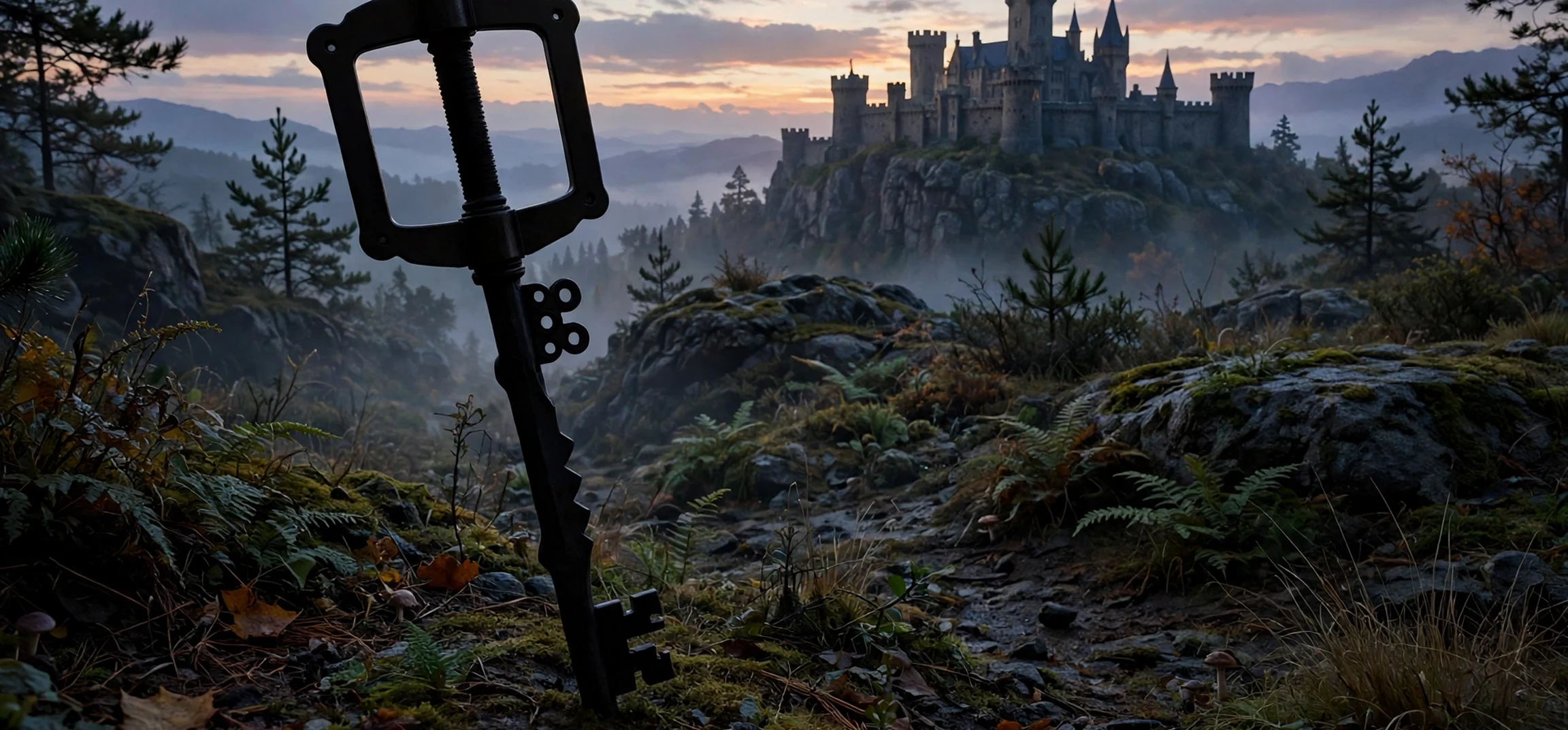
Kingdom Hearts is a series that invites discussion. It mixes Disney worlds, original characters, light and darkness, friendship, memory, and time travel into a story that spans many games, and fans have spent years trying to explain how it all fits together. That is where TV Tropes comes in. TV Tropes is a community wiki that catalogues recurring story patterns, called tropes, across books, films, games, and television. Its Kingdom Hearts pages are a must-see for fans because they turn a famously complicated saga into recognisable patterns that are fun to spot, debate, and revisit on a replay.
This guide introduces the idea of tropes, explains why Kingdom Hearts is such a rich source for them, and walks through the most famous patterns in the series, from the power of friendship to the many versions of the same hero. Whether you are a longtime player or a curious newcomer, you will come away with a clearer way to talk about the games, and a better sense of why certain moments feel so memorable even when the plot itself feels tangled.
What Is TV Tropes And Why Does It Suit Kingdom Hearts?
TV Tropes is not a traditional encyclopedia. It does not try to summarise a plot in order. Instead, it breaks stories into reusable building blocks. A trope might be a character type, such as the loyal best friend, a plot device, such as a memory wipe, or a storytelling habit, such as a villain explaining the plan at the last moment. Each trope page gives a definition and examples from many different works, so readers can see how the same pattern appears in a fairy tale, a science fiction film, and a video game.
Kingdom Hearts suits this approach perfectly because it reuses patterns deliberately. It borrows from Disney films, retells familiar fairy tales with a twist, and then layers its own original mythology on top. A single game can contain a coming-of-age story, a rescue mission, a betrayal, a sacrifice, and a reunion, all in the space of a few worlds. Listing those patterns helps fans see the shape of the story even when the timeline jumps between games, prequels, and spin-offs.
How To Use A TV Tropes Page Without Spoilers
TV Tropes pages are full of spoilers, so approach them with a plan if you have not finished the series. Start with general trope pages, such as pages about friendship or hero journeys, rather than pages for the latest game. Use your browser’s find function to jump to the game you have already played. Skip sections marked for later entries. Many fans enjoy reading a tropes page after finishing a game, as a way to reflect on what they just played, rather than before they start it.
It also helps to remember that a trope is not a criticism. Calling a moment a trope does not mean it is unoriginal or bad. Tropes are tools. A skilled storyteller can use a familiar tool in a fresh way, and Kingdom Hearts often does exactly that, by placing a classic Disney hero into a darker, more personal story about identity and loss.
The Power Of Friendship And Connection
The most famous Kingdom Hearts pattern is the power of friendship. Sora’s strength does not come only from his Keyblade. It comes from his bonds with Donald, Goofy, Riku, Kairi, and the many friends he meets in Disney worlds. When Sora is in danger, those connections often give him the resolve to keep fighting. When he loses a connection, the story treats that loss as a real wound, not just a plot inconvenience.
This pattern appears in almost every game. In the first game, Sora leaves his home island to find his friends, and every world he visits adds a new bond. In later games, friendship becomes a literal force, connecting hearts across worlds and even across time. Fans often cite this as the emotional core of the series, because it gives the action a human reason. Sora is not fighting only to defeat darkness in general. He is fighting for specific people he cares about.
Hearts, Light, And Darkness As Story Symbols
Kingdom Hearts uses hearts, light, and darkness as symbols as well as plot elements. Light usually represents hope, connection, and courage. Darkness usually represents fear, selfishness, and isolation, although the series complicates that simple split as it goes on. Characters who embrace darkness for power often lose something important, while characters who accept help from others find a different kind of strength.
The heart itself is central. In this series, a heart is more than an organ. It holds memories, emotions, and connections to other people. That is why stories about lost hearts, stolen hearts, and hearts finding their way home feel so powerful. A trope page about hearts in Kingdom Hearts will show how the same symbol returns in different forms, from a character’s personal struggle to a world-spanning conflict.
Identity, Doubles, And Many Versions Of One Hero
Another must-see area of Kingdom Hearts tropes is identity. The series is famous for characters who share faces, names, memories, or destinies. Roxas looks like Sora but lives a different life. Naminé can alter memories. Terra, Aqua, and Ventus echo earlier heroes while facing their own choices. Later games add time travel and alternate versions, which multiply these connections even further.
For new players, this can feel confusing. Tropes help by naming the pattern. Once you recognise “the double,” “the memory wipe,” or “the secret identity,” you can follow the emotional thread even when the timeline is unclear. The question stops being only “what happened, in what order?” and becomes “what does this version of the character want, and what are they afraid of losing?” That second question is often the one that makes a scene memorable.
Memory, Forgetting, And Remembering
Memory is one of the series’ most powerful tools. Characters forget friends, remember them at a crucial moment, or carry memories that belong to someone else. A memory can be a gift, a burden, or a weapon, depending on who controls it. This pattern appears in the story of Sora and Roxas, in Naminé’s drawings, and in the way certain characters return because someone refuses to forget them.
Fans love debating these moments because they raise a simple, human question: if you forget someone, are they still part of you? Kingdom Hearts answers that question with its friendship theme. Even when a memory is erased, a feeling can remain, and that feeling can guide a character back to the people they lost. It is a hopeful idea, and it explains why reunion scenes in the series carry so much emotional weight.
Disney Worlds And Familiar Stories Retold
Each Disney world in Kingdom Hearts retells a familiar story with Sora and friends added to it. That structure creates a whole set of tropes on its own. You might see a hero helping a princess, a villain scheming in the shadows, a comic sidekick providing relief, or a musical moment that changes the mood. The fun comes from watching how the original film’s story bends to fit Kingdom Hearts’ larger themes.
For example, a world about a character who feels like an outsider can echo Sora’s own journey. A world about a character learning to trust others can mirror Riku’s struggle with darkness. A world about sacrifice can foreshadow a later choice by a main character. TV Tropes pages often point out these parallels, which makes a replay richer. You start to notice not just the Disney story, but the Kingdom Hearts story hidden inside it.
| Trope Pattern | What It Looks Like | Why Fans Notice It |
|---|---|---|
| Power of friendship | Bonds give the hero strength | The emotional core of the series |
| Identity and doubles | Characters share faces or memories | Creates mystery and debate |
| Memory loss and return | Forgetting, then remembering | Makes reunions powerful |
| Light versus darkness | Hope against fear and isolation | Frames the central conflict |
| Retold fairy tale | Disney story with new heroes added | Links familiar tales to the saga |
Villains, Plans, And Big Reveals
Kingdom Hearts villains are another rich source of tropes. Many of them are patient schemers who work across several games, revealing only part of their plan at a time. Others are tragic figures whose choices come from loss, pride, or a desire to protect someone. Fans often discuss whether a villain is truly evil, misguided, or simply following a different understanding of balance between light and darkness.
The series also loves big reveals. A character’s true identity, a hidden connection between worlds, or a plan that has been running since the first game can reframe everything that came before. Tropes pages collect these reveals and show how they build on earlier hints. Reading them after a game can feel like solving a puzzle, because you start to see clues you missed on your first playthrough.
Why Fans Keep Returning To TV Tropes
Fans return to TV Tropes for three reasons. First, it gives them language. Instead of saying “that part felt familiar,” they can name the pattern and discuss it precisely. Second, it connects Kingdom Hearts to other stories they love, from classic films to modern games. Third, it is fun. Browsing trope examples often leads to recommendations for other games, books, and films that use similar patterns in different ways.
For newcomers, the best approach is to treat TV Tropes as a companion, not a textbook. Play a game, enjoy the story, and then explore the tropes for that game. You will understand more, spoil less, and appreciate how the series uses familiar storytelling tools to create something uniquely its own.
Frequently Asked Questions
What Is A Trope In Simple Terms?
A trope is a recurring storytelling pattern, such as a character type, a plot twist, or a familiar situation. Tropes are not clichés by definition. They are tools that storytellers reuse, sometimes in fresh and surprising ways.
Where Should A Newcomer Start With Kingdom Hearts Tropes?
Start with general pages about friendship, hearts, and hero journeys, then move to pages for the specific game you have finished. This keeps spoilers low and helps you connect patterns to scenes you already know.
Is TV Tropes An Official Kingdom Hearts Source?
No. TV Tropes is a community wiki written by fans. It is excellent for discussion and pattern-spotting, but for official story details, use the games themselves and official guides.
Conclusion
Kingdom Hearts TV Tropes pages are a must-see because they reveal the patterns beneath a famously complex saga. Friendship, identity, memory, light and darkness, and retold Disney tales all return in different forms, and naming those patterns makes the story easier to follow and more fun to discuss. Whether you are replaying a favourite game or discovering the series for the first time, tropes give you a shared language with millions of other fans.
Start with the patterns you already recognise, explore one game at a time, and let the tropes deepen your next playthrough rather than spoiling it. For more plain-language guides on games, internet culture, and storytelling, explore related posts on Ploomes Org, Technewstop Org, and Chain Guide Comedy Fun.



