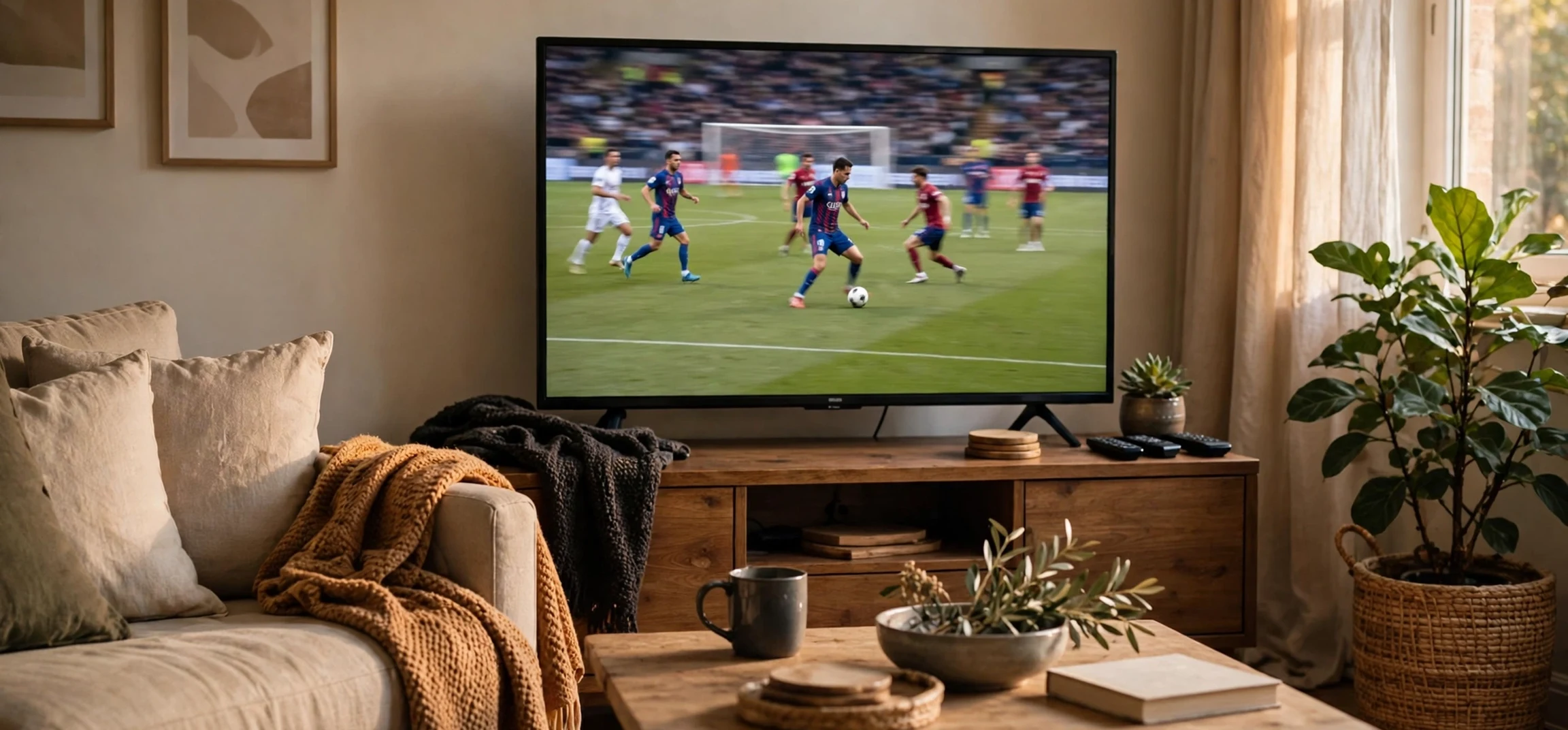
When people ask how much Fubo TV costs a month, they usually want two answers at once: the monthly price, and whether the channels they actually watch are included. Fubo is a live television streaming service, which means it delivers live channels over the internet instead of through a cable box or a satellite dish. You watch on a television, a phone, a tablet, or a computer, and you pay a monthly subscription rather than signing a long traditional cable contract. That flexibility is the main appeal, but it also means the price depends on the plan you choose, the add-ons you select, and the offers available in your area at the time you sign up.
This guide explains Fubo pricing in plain language, what “most watched” means in practice, and how to work out whether the service is good value for your household. Prices change often, and streaming services regularly adjust their plans, so the exact figure on the day you read this may differ from the figure on the day you subscribe. Treat any price mentioned here as a general guide only, and always check the official Fubo website or app for the current price in your country before you pay. That single habit will save you more money and confusion than any comparison table.
The “most watched” part of the title is worth unpacking. Every household has a different most-watched list. For one family it is live sport, for another it is evening news, and for another it is a mix of drama, documentaries, and children’s programmes. A streaming plan is only good value if it covers your most-watched channels and shows. A cheaper plan that misses the one channel your household watches every night is not a bargain, while a more expensive plan that covers everything you watch, and replaces a larger cable bill, can be good value even though the monthly figure looks higher. For a similarly practical, step-by-step way of comparing services on this site, see our guide to internet and TV service providers in your area.
What Fubo TV Is
Fubo began as a service focused on live sport, especially football, and it has since grown into a broader live television service. Its catalogue typically includes sports channels, news channels, entertainment channels, and a selection of local channels in many areas, together with on-demand programmes and a cloud recording feature. The exact channel list varies by country and by region, because television rights are sold area by area, and because local channels differ from place to place. Two neighbours in different cities can therefore see slightly different line-ups, even on the same plan.
Watching over the internet changes a few practical things. You need a reliable broadband connection, because live video uses more data than browsing or email. You also need a compatible device: most modern smart televisions, streaming sticks, phones, tablets, and web browsers work, but older devices may not support the app. Before subscribing, it is sensible to check that your television or streaming device is supported, and to test your connection speed at the time of day you usually watch. A service that looks perfect on paper will frustrate everyone if the picture keeps buffering during the evening peak.
Live TV Versus On-Demand
Live television means watching a programme at the time it is broadcast, just as you would on traditional television. On-demand means choosing a programme from a library and starting it whenever you like. Fubo offers both, but its main selling point is live content, especially sport and news that lose much of their appeal if watched hours later. If your household mainly watches films and series at its own pace, a pure on-demand service might be cheaper. If you want to watch a match, a live event, or the evening news as it happens, a live service is the right shape of product.
Who Fubo Suits Best
Fubo tends to suit households that watch a lot of live sport, households that have cut cable but still want live news and entertainment channels, and households that want to watch on several screens. It suits less well households that rarely watch live television, households with a slow or capped internet connection, and households that only want one or two specific shows, which might be available more cheaply elsewhere. Naming your household type honestly, before you look at prices, makes the price comparison much easier.
How Much Fubo Costs A Month
Fubo is normally sold as a monthly subscription with several tiers. The entry tier usually covers the core live channels, the middle tier adds more sports, entertainment, and news channels, and the top tier adds the widest selection, including premium or specialist channels. In general terms, entry plans for live television streaming services of this kind often sit in the mid-range of streaming prices, well above a single on-demand film service but often below a full traditional cable package. Higher tiers cost more each month, and add-ons such as extra sports packages, premium movie channels, or additional simultaneous streams add further monthly charges.
Several factors push the monthly total up or down. A first-month promotional price is often lower than the regular price, so check what you will pay in month two and beyond. Taxes and regional fees can be added on top of the advertised price in some areas. Add-ons are the most common surprise: a sports add-on here and a premium channel there can add a noticeable amount to the bill. Finally, some plans include cloud recording storage, while larger storage or more simultaneous streams may cost extra. The honest monthly cost is therefore the base plan plus every add-on you actually keep, plus any taxes that apply.
A useful way to compare is to write down three numbers: the regular monthly price after any promotion ends, the total with your chosen add-ons, and the annual total if you pay month by month for a year. Compare that annual total with what you currently pay for television, including any cable box rental or equipment fees you would no longer need. Also count what you would still need separately: if Fubo does not carry a channel you want, you might need a second subscription, and that second subscription belongs in the comparison too. For help thinking about the broadband side of the bill, see our guide to weighing up monthly online costs, which explains how to compare recurring charges fairly.
What Most Watched Means For Your Household
“Most watched” sounds like a single national chart, but the useful version is personal. Sit down for a week and note what your household actually watches, not what you think it watches. You may find that three or four channels account for most viewing, that one person watches sport while another watches news, or that children’s programmes dominate weekend mornings. That short viewing diary is the best tool you have for choosing a plan, because it turns a vague wish for “everything” into a short list of channels that must be included.
Sport deserves special attention, because sports rights are complicated and change between seasons. A channel that carried a league last season may not carry it this season, and a particular match may be shown on a different channel from the rest of the season. If live sport is your main reason for subscribing, check the specific league, competition, or team you follow, not just the general promise of “sports channels”. The same logic applies to news: check that your preferred news channel, and your local channels if you watch local news, are included in your area.
Checking The Channel List Before You Pay
Before subscribing, open the official channel list, enter your postcode or area if the site asks for it, and search for each channel on your household’s must-have list. Do this on the official site rather than trusting a third-party list, because third-party lists go out of date quickly. If a must-have channel is missing, check whether it is available as an add-on, and add that add-on price to your monthly total. If it is not available at all, that is a clear signal to consider a different service, no matter how attractive the headline price looks.
Simultaneous Streams And Recording
Most-watched viewing is also about how many people watch at once. A plan that allows one or two simultaneous streams may be fine for a single person but frustrating for a family where someone watches sport in one room and someone else watches a drama in another. Cloud recording, often called DVR, matters too: it lets you record live programmes and watch them later, and it helps when two must-watch programmes clash. Check how many hours of recording are included, how long recordings are kept, and whether fast-forwarding through adverts is allowed on recorded programmes, because those details vary.
Comparing Fubo With Other Options
Fubo is one of several live television streaming services, and the right comparison is not “cheapest overall” but “cheapest that covers your must-have channels”. List your must-have channels, then check each rival service against that same list. A service that is ten pounds or dollars cheaper per month but misses your most-watched sport channel is not cheaper in practice, because you will either miss the sport or pay for a second service to get it.
Also compare the non-price details: picture quality, reliability during big live events, the quality of the app on your television, the number of simultaneous streams, and the recording allowance. Read recent user reviews, but treat them with care: reviews written during a major sporting event may reflect temporary pressure on the service, and reviews written years ago may describe plans that no longer exist. Free trials, where offered, are the most reliable test, because they let you try the service on your own connection, on your own devices, at your usual viewing times.
| Question To Ask | Why It Matters | Where To Check |
|---|---|---|
| What is the regular monthly price after any promotion? | Promotional prices end, and the regular price is what you will actually pay. | Official Fubo pricing page |
| Are my must-have channels included? | A missing favourite channel can make the whole subscription feel like poor value. | Official channel list for your area |
| How many streams at once? | Families need enough streams for everyone watching at the same time. | Plan details on the official site |
| What recording storage is included? | Recording lets you watch clashing programmes later and skip live clashes. | Plan details and help pages |
| What do add-ons cost? | Add-ons are the most common reason a bill ends up higher than expected. | Add-on pricing on the official site |
| Can I cancel easily? | Easy cancellation means you can leave if the service stops suiting you. | Terms and account settings |
How To Keep The Monthly Cost Down
The simplest way to keep costs down is to subscribe only to the tier you need and to review add-ons regularly. Many households add a sports package for a season and then forget to remove it when the season ends. Set a reminder at the end of a season, or at the end of a free trial, to review what you are paying for. If a channel has not been watched in a month, it is a candidate for removal, and if a whole tier has not been used, consider dropping down a tier for a month and seeing whether anyone notices.
Sharing a household plan fairly is another saving, provided the plan allows enough simultaneous streams and the service’s rules permit the people using it to be part of your household. Do not share passwords outside the service’s terms, because accounts can be restricted, and that creates more trouble than it saves. Seasonal subscribing is also worth considering: if you mainly want Fubo for one sport season, subscribing for those months and cancelling afterwards can cost far less over a year than paying all year round.
Free Trials And Cancellation
If a free trial is offered, use it properly: watch your usual programmes, test every device you own, and try watching at peak times. Put the trial end date in your calendar on the day you sign up, so the trial does not roll into a paid month by accident. Check the cancellation process before you subscribe, not after you decide to leave: a service that lets you cancel in a few clicks from your account page is much easier to manage than one that requires a phone call. Keep a note of your cancellation confirmation, just in case billing continues by mistake.
Internet Costs Count Too
Live streaming depends on broadband, so the cost of a fast enough connection is part of the true cost of cord-cutting. If your current connection already handles video well, there is no extra cost. If you need to upgrade your broadband to watch reliably, add that upgrade to your comparison. Similarly, if you watch mainly on mobile data, check your data allowance: live video can use a large amount of data quickly, and exceeding an allowance can be expensive.
Frequently Asked Questions
Is Fubo Cheaper Than Cable?
It often is, but not always. Compare the regular monthly price of Fubo plus add-ons with your full current cable bill, including equipment rental, and count any extra subscriptions you would still need. The answer depends on your current deal, your area, and your viewing habits, so a personal comparison beats a general claim.
Does Fubo Carry My Local Channels?
Local channel availability varies by area, so check the official channel list for your postcode or region before subscribing. National channel lists do not guarantee that a local channel is available where you live.
Which Devices Work With Fubo?
Most modern smart televisions, streaming sticks and boxes, phones, tablets, and web browsers are supported, but support varies by device and model. Check the official supported-devices list for your exact device before you pay.
Can I Cancel At Any Time?
Monthly streaming subscriptions are usually cancellable, but the exact terms depend on the plan and any promotion you accepted. Read the cancellation terms on the official site before subscribing, and keep your cancellation confirmation.
Conclusion
How much Fubo TV costs a month depends on the plan, the add-ons, and the price on the day you subscribe, so the official pricing page is always the final authority. The smarter question is whether Fubo covers your household’s most-watched channels, at a total monthly cost that beats what you pay now, on devices and a connection that handle live video well. Make a short must-have channel list, check it against the official line-up for your area, compare the regular price rather than a promotional price, and test the service properly if a trial is offered. Done that way, the decision is simple: if it covers what you actually watch, at a price you are happy to pay month after month, it is good value. If it does not, no headline price makes it the right choice. For another practical comparison guide on this site, see our chain guide comedy fun post.



