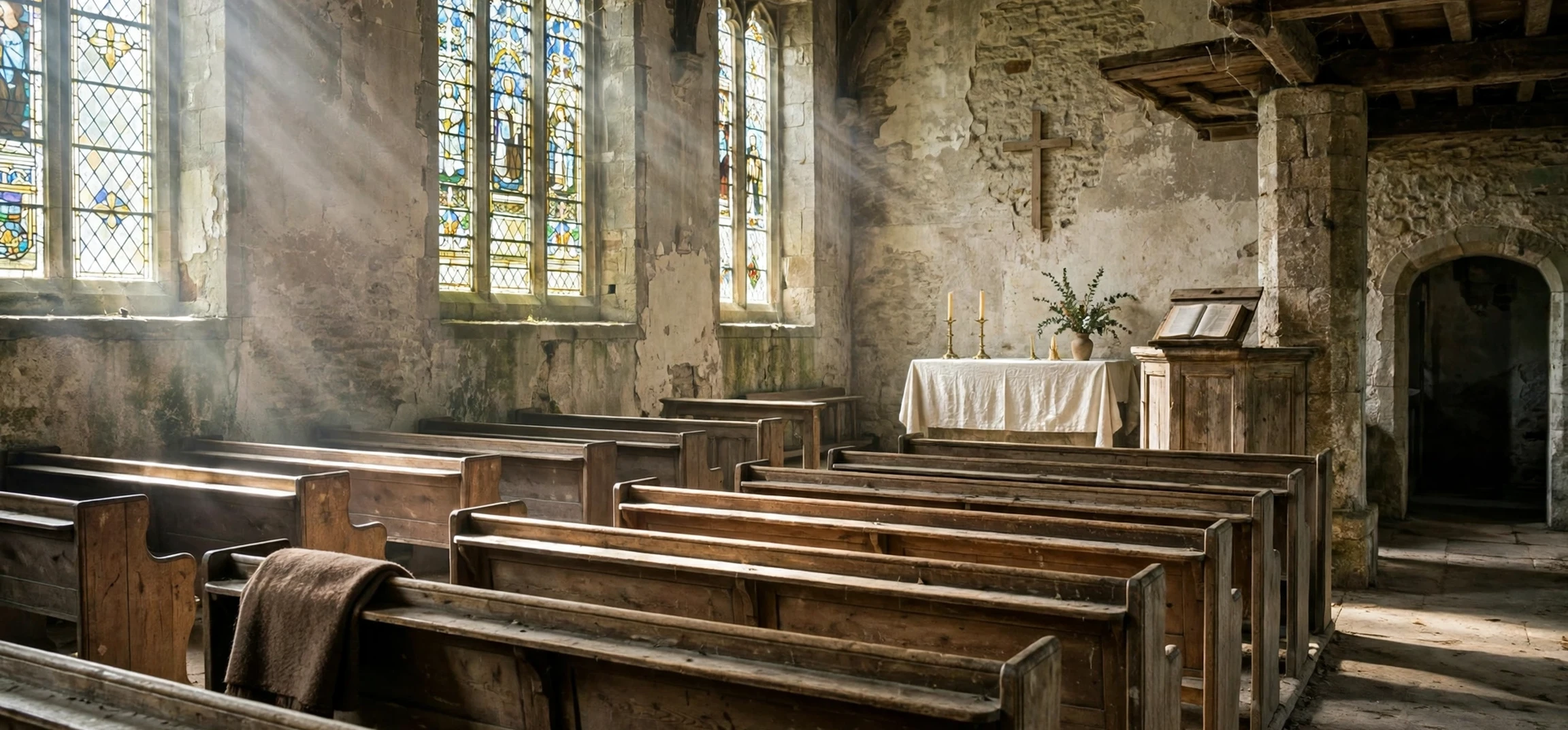
If you searched for ‘glossalia’, you have almost certainly come across a spelling that points to a better-known word: glossolalia. The search term glossalia is best understood as a variant or misspelling of glossolalia, the technical term for speaking in tongues, a form of speech-like vocalisation that is not in a recognised language. People arrive at glossalia through search engines, subtitles, or hurried notes, and then want to know what the practice is, where the word comes from, and how linguists, psychologists, and religious communities understand it. This guide answers those questions clearly and neutrally, starting from the spelling you actually typed.
It is worth being honest about the spelling from the outset. Glossalia is not the standard dictionary form. The established term is glossolalia, from Greek roots meaning tongue and speaking. You will find glossalia used occasionally online, sometimes as a shorthand or a typing slip, but reference works, academic studies, and religious texts use glossolalia. Knowing that distinction helps you search more effectively: looking up glossolalia will lead you to far more reliable material than repeating the variant spelling alone.
Glossalia and Glossolalia: Clearing Up the Spelling
The confusion around glossalia is understandable, because English is full of words borrowed from Greek whose spellings look irregular. Glossolalia combines glossa, meaning tongue or language, with lalia, meaning speech or talking. The double letter in the middle is part of the word’s structure, not decoration, and dropping it produces glossalia, which looks plausible but is not the accepted form. Similar slips happen with many technical terms, and search engines have learned to connect the variant with the standard word, which is why a search for glossalia still returns results about speaking in tongues.
For readers, the practical lesson is simple. If you are writing an essay, a study note, or a piece of research, use glossolalia. If you are searching, try both spellings, but give more weight to sources that use the standard form, since they are more likely to be edited, referenced, and written by specialists. And if you meet the word glossalia in a social media post or an automatically generated transcript, treat it as a clue to the intended topic rather than as a separate concept. There is no distinct practice called glossalia that differs from glossolalia; there is one topic, with one standard name and a common variant spelling.
What Is Glossolalia?
Glossolalia is speech-like vocalisation that sounds like language but does not use the vocabulary or grammar of a known language. A person speaking in tongues produces flowing syllables, rhythms, and intonation patterns that resemble speech, often with great fluency and emotion, yet listeners who know real languages cannot translate the utterance word for word. In religious settings, the practice is understood by participants as a spiritual gift or a form of prayer. In linguistic study, it is described as a structured form of vocal behaviour that draws on the sounds of languages the speaker already knows, rearranged into new patterns.
That distinction between insider and outsider descriptions matters. Within Pentecostal and charismatic Christian traditions, where glossolalia is most prominent today, speaking in tongues is a valued religious practice with theological meaning. Worshippers may describe it as prayer beyond ordinary words, as praise, or as a gift of the Holy Spirit. Researchers studying the same sounds from outside the tradition focus on different questions: what sounds are used, how the patterns are organised, what psychological states accompany the practice, and how it is learned and shared within a community. Both perspectives can be reported fairly without either being dismissed.
Glossolalia and Real Languages: An Important Distinction
One common misunderstanding is that glossolalia is simply an unknown foreign language waiting to be translated. Linguistic studies have generally found otherwise. The syllable patterns in glossolalia tend to reflect the speaker’s own native language, including its typical sounds and rhythms, even though the combinations are new. That finding does not settle theological questions about the practice, which belong to faith communities rather than to linguistics, but it does explain why glossolalia cannot be decoded like an ordinary language. It is speech-like, but it does not carry meaning in the way that a sentence in French or Hindi does.
The History of Glossolalia
Speaking in tongues has a long history, most famously in the New Testament, where the Book of Acts describes the apostles speaking in other tongues at Pentecost, and where the letters of Paul discuss the practice in the early church at Corinth. Paul’s treatment is notably balanced: he values the practice as a spiritual gift while also setting out guidance for its orderly use in worship, including interpretation when it is used publicly. Those early texts remain central to how many Christian traditions understand glossolalia today, and they are the reason the term carries theological weight as well as linguistic interest.
In modern history, glossolalia became widely associated with the Pentecostal movement, which grew rapidly from the early twentieth century onwards, and later with the broader charismatic movement across many churches. As these movements spread internationally, speaking in tongues became a familiar feature of worship in many parts of the world, adapted to local languages and musical styles while keeping its core character as fluent, emotional, speech-like prayer. Historians note that similar forms of ecstatic or inspired speech appear in other religious traditions too, though the term glossolalia itself comes from the Christian context and its Greek roots.
How Linguists and Psychologists Study Glossalia
When researchers study glossalia, by which they mean glossolalia, they usually begin by recording and analysing the sounds themselves. Studies have found that glossolalic speech uses real phonetic material from the speaker’s language background, organised into syllable sequences that feel language-like but do not follow a translatable grammar. Speakers often report a sense of fluency and ease, and the practice is usually learned socially: people hear others speaking in tongues in worship, practise in a supportive setting, and gradually develop their own patterns. That social learning aspect helps explain why glossolalia sounds different in different communities, even though the underlying pattern is similar.
Psychological research has explored the states associated with speaking in tongues, including focused attention, emotional release, and a sense of connection during worship. Researchers generally describe the practice as a normal human behaviour in its religious context, not as a sign of disorder. At the same time, scholars are careful to distinguish glossolalia from involuntary vocalisations linked to medical conditions, which are different phenomena studied in different ways. Anyone concerned about speech changes, distress, or health symptoms should speak with a qualified clinician, since a general guide cannot assess individual circumstances.
Glossalia in Culture, Media, and Everyday Language
Beyond worship and academic study, glossolalia appears in films, novels, and documentaries, often as a dramatic shorthand for religious intensity or mystery. Popular portrayals vary widely in accuracy. Some treat the practice respectfully as part of a character’s faith, while others use it mainly for atmosphere or shock. Viewers who encounter glossolalia in fiction should remember that dramatisation is not documentation: real worship practice is usually calmer, more communal, and more routine than its screen version suggests.
The word itself also appears in discussions of language learning, poetry, and performance, where writers sometimes borrow the idea of fluent, meaningful-sounding speech without translatable content. That broader cultural use is another reason the spelling glossalia circulates online: people encounter the sound of the word, or a variant of it, and search for its meaning without having seen it written in a dictionary. Tracing the variant back to glossolalia is the quickest route to reliable explanations.
| Term | Meaning |
|---|---|
| Glossalia | Common variant or misspelling, used in searches |
| Glossolalia | Standard term for speaking in tongues |
| Glossa | Greek root meaning tongue or language |
| Lalia | Greek root meaning speech or talking |
| Xenoglossy | A separate claim about speaking an unlearned real language |
Frequently Asked Questions
Is glossalia a real word?
Glossalia appears online as a search term and variant spelling, but the standard dictionary and academic term is glossolalia. If you are writing formally, use glossolalia; if you are searching, both spellings will usually lead you to the same topic.
What does glossalia mean?
Understood as glossolalia, it means speaking in tongues: fluent, speech-like vocalisation that is not in a recognised language, most often practised as a form of prayer or worship in Pentecostal and charismatic Christian traditions.
Can speaking in tongues be translated?
Not in the way an ordinary language can. Linguistic studies find that glossolalic speech draws on the sounds of the speaker’s own language background without a translatable grammar, even though participants may understand it spiritually as prayer.
Where does glossolalia occur most often?
It is most prominent in Pentecostal and charismatic worship, but inspired or ecstatic speech appears in various religious traditions around the world, each with its own understanding and practice.
Conclusion
If you searched for glossalia, you were looking for glossolalia, the standard term for speaking in tongues. The variant spelling is a useful clue, but the reliable name is the longer one, built from Greek roots for tongue and speech. Glossolalia is a fluent, speech-like practice with deep roots in early Christianity, a central place in modern Pentecostal and charismatic worship, and a long history of linguistic and psychological study. Understanding both the spelling and the practice helps you find better sources, avoid common misunderstandings, and appreciate why a form of prayer beyond ordinary words continues to matter to so many people. For more word meanings, see our guides to the meaning of A D E S, the meaning of acceded, and the meaning of allodynia.