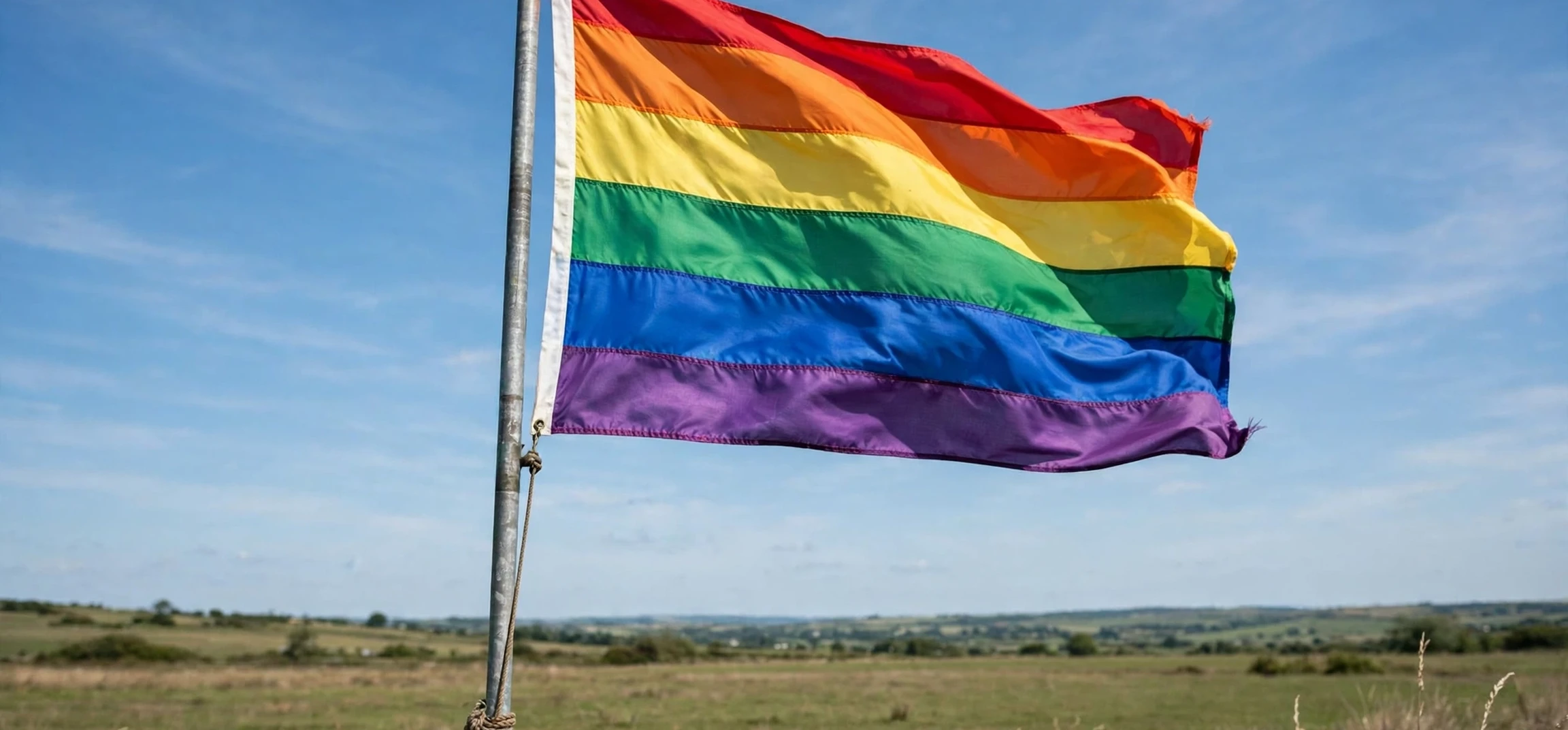
If you searched for “what is a genderqueer”, you are asking about a word that describes a gender identity outside the traditional categories of man and woman. In plain terms, genderqueer is an identity label used by people whose experience of gender does not fit neatly into a binary framework. Some genderqueer people feel that their gender shifts over time, some feel that it sits somewhere between masculine and feminine, and others feel that it sits entirely outside those categories. This guide explains what the term means, where it came from, how it relates to other identity words, and how to talk about it respectfully. It is written as neutral, general education, and it makes no claims about any individual person.
Gender is a broad part of human identity, and language for it has grown as more people have had the chance to describe their own experience in their own words. For a long time, most public discussion recognised only two options, and forms, records, and everyday conversation were built around them. As understanding widened, new words appeared to describe experiences that those two options did not capture. Genderqueer is one of those words, and it has been in use since the 1990s. Understanding what is a genderqueer identity therefore begins with a simple idea: gender is personal, and a single label cannot capture every person’s experience, so people choose the words that feel most accurate for them.
What Is a Genderqueer Identity, in Plain Terms?
When people ask what is a genderqueer identity, the most useful answer is that it is an umbrella term. Rather than naming one single experience, it covers a range of experiences that share one thing in common: they do not fit the traditional binary of man or woman. A genderqueer person might identify as both masculine and feminine at different times, as neither, as a blend of the two, or as something else entirely. The word itself combines “gender” with “queer”, a term that has historically been used to describe identities and orientations outside the mainstream. In this context, queer signals a deliberate move away from rigid categories rather than a lack of identity.
It is important to understand that genderqueer describes gender identity, which is a person’s internal sense of themselves. It is not the same as sexual orientation, which describes who a person is attracted to. A genderqueer person may have any sexual orientation, just as a person of any other gender identity may. It is also distinct from gender expression, which is how a person presents themselves through clothing, hairstyle, voice, and mannerisms. Some genderqueer people present in ways that mix traditionally masculine and feminine styles, while others present in ways that look conventional. Appearance alone never tells you how someone identifies.
Why People Choose This Word
People choose the word genderqueer for many reasons. For some, it is the most precise word available for an experience that other labels do not describe. For others, its political history matters: the term emerged from activist and community spaces that questioned rigid gender norms, and some people value that association. Still others prefer it simply because it feels right to them, even if they cannot point to a single reason. There is no test or checklist for the label. If a person says the word describes them, that is the relevant fact, and respectful conversation starts from accepting their own description.
Genderqueer and Fluidity
Some genderqueer people experience their gender as fluid, meaning it changes over days, months, or years. Others experience it as stable but nonbinary, meaning it stays outside the binary even though it does not change. Both experiences fall comfortably under the umbrella. Fluidity is not confusion, and stability is not a requirement. The key point is that gender identity can be experienced in many ways, and the word genderqueer leaves room for that variety rather than forcing one fixed pattern.
What Is a Genderqueer Person Asking For?
When someone tells you what is a genderqueer person in their own case, they are usually asking for something simple: to be recognised as they describe themselves. That recognition often takes practical forms. It may mean using the name they have chosen, using the pronouns they prefer, and avoiding assumptions based on appearance or voice. These are small acts of courtesy, and they matter a great deal in everyday life, from workplaces and classrooms to healthcare settings and family gatherings. Nobody is asking you to understand every detail of their inner experience; being willing to listen and to use the words they prefer is enough.
Pronouns deserve a short explanation because they come up often in this context. Many genderqueer people use they and them as singular pronouns, while others use he, she, or newer pronouns. The respectful approach is to use the pronouns a person asks for and to correct yourself briefly if you slip up. Making a long apology or drawing attention to the mistake can be more uncomfortable than the slip itself. A quick correction and a return to the conversation is usually the best response, and over time the correct pronouns become habit.
The History of the Term
The word genderqueer began appearing in print and in community writing during the 1990s. It grew out of queer activist circles and the wider conversation about gender that had been developing for decades. Writers and activists used it to name identities that existing language did not cover, and it spread through zines, early internet forums, and community organisations. By the 2000s, it was appearing in academic writing, media coverage, and resource guides, and it remains in use today alongside newer terms.
One reason the term has endured is its flexibility. Because it functions as an umbrella, it can hold many different experiences without demanding that everyone who uses it share the same story. That flexibility also means the word can feel vague to outsiders, which is why this guide keeps returning to the same point: the word describes a relationship to gender categories, not a single fixed experience. If you want to understand what a particular person means by it, the most reliable source is that person.
Genderqueer and Nonbinary: How the Terms Relate
Many readers wonder how genderqueer differs from nonbinary, and the honest answer is that the two words overlap a great deal. Nonbinary is also an umbrella term for gender identities outside the man and woman binary, and many people use the two words interchangeably. Others draw a distinction: some see nonbinary as the broader, more neutral umbrella, and genderqueer as a term with a stronger association with queer politics and a deliberate challenge to gender norms. Neither usage is wrong, and individual preference is what matters most.
Other related terms include agender, which some people use to describe feeling no gender, and bigender, which some use to describe experiencing two genders. Genderfluid describes a gender that changes over time. These words sit alongside genderqueer rather than competing with it, and a person might use more than one of them at different points in life. Language in this area keeps evolving, and that evolution is normal: as more people describe their experiences, the vocabulary grows to match.
| Term | What It Generally Describes | How It Relates to Genderqueer |
|---|---|---|
| Genderqueer | A gender identity outside the man and woman binary | The umbrella term discussed in this guide |
| Nonbinary | A gender identity outside the binary | Overlaps heavily; often used interchangeably |
| Agender | Feeling no gender, or a neutral gender | Can fall under the genderqueer umbrella |
| Genderfluid | A gender that shifts over time | One experience that may be described as genderqueer |
| Bigender | Experiencing two genders | Another experience within the broader umbrella |
Respectful Language and Everyday Situations
Using respectful language around genderqueer people is mostly a matter of ordinary courtesy. Use the name and pronouns a person gives you. Avoid asking intrusive questions about someone’s body or medical history, which are private matters and are not relevant to everyday conversation. Avoid phrases that imply a person’s identity is a phase, a choice made for attention, or something to be debated. You do not need to agree with a philosophical position to treat someone politely, and politeness costs nothing.
In workplaces and schools, small structural choices can help. Forms that offer options beyond man and woman, or that allow people to write in their own description, reduce awkwardness for everyone. Meeting introductions that include pronouns, when offered voluntarily, normalise the practice without forcing anyone to disclose anything. Managers and teachers do not need specialist knowledge to make these adjustments; they need a willingness to listen and a habit of correcting mistakes gracefully.
If you are a parent, friend, or colleague of someone who has shared a genderqueer identity with you, the most supportive response is usually a simple one. Thank them for trusting you, ask what name and pronouns they would like you to use, and continue the relationship as before. You may have questions, and many people are happy to answer general ones, but it helps to do your own reading first rather than expecting the person to educate you from scratch. Resources from established equality organisations and community groups are a good starting point.
For readers who want to explore related topics, our guide to common English last names and our explainer on the meaning of a partnership show how language and identity labels evolve over time. A third useful read is our guide to email address formats for personal and business use, which covers another everyday area where respectful, clear communication matters.
Common Questions About Genderqueer Identity
Is genderqueer the same as transgender?
Transgender is a broad umbrella for people whose gender identity differs from the sex they were assigned at birth. Many genderqueer people also describe themselves as transgender, but not all do. Some genderqueer people prefer to use only the word genderqueer, and that choice should be respected. The two terms overlap without being identical.
Can someone be genderqueer and use he or she pronouns?
Yes. Pronouns do not determine identity, and identity does not dictate pronouns. A genderqueer person may use they and them, he and him, she and her, or another set of pronouns. The only reliable guide is what the individual person asks for.
Is genderqueer a new idea?
The word dates to the 1990s, and the experiences it describes are much older. People throughout history have lived outside rigid gender roles, even when the language available to them was limited. What is newer is the public vocabulary and the willingness of institutions to recognise it.
What should I do if I use the wrong pronoun?
Correct yourself briefly, apologise once if appropriate, and move on. Repeated, lengthy apologies can make the moment more uncomfortable. Practising the correct pronouns in ordinary conversation helps them become natural.
Conclusion
So, what is a genderqueer identity in the end? It is a word for a gender experience that sits outside the traditional binary of man and woman, used by people whose sense of themselves does not fit those two categories. It is an umbrella term with roots in 1990s queer activism, closely related to nonbinary, and flexible enough to hold many different experiences, from fluid identities to stable ones outside the binary. Understanding it does not require specialist knowledge. It requires listening to how people describe themselves, using the names and pronouns they prefer, and extending the same courtesy you would offer in any other area of life. If you remember one thing from this guide, let it be this: when a person tells you who they are, believe them, and let your language reflect that respect.



