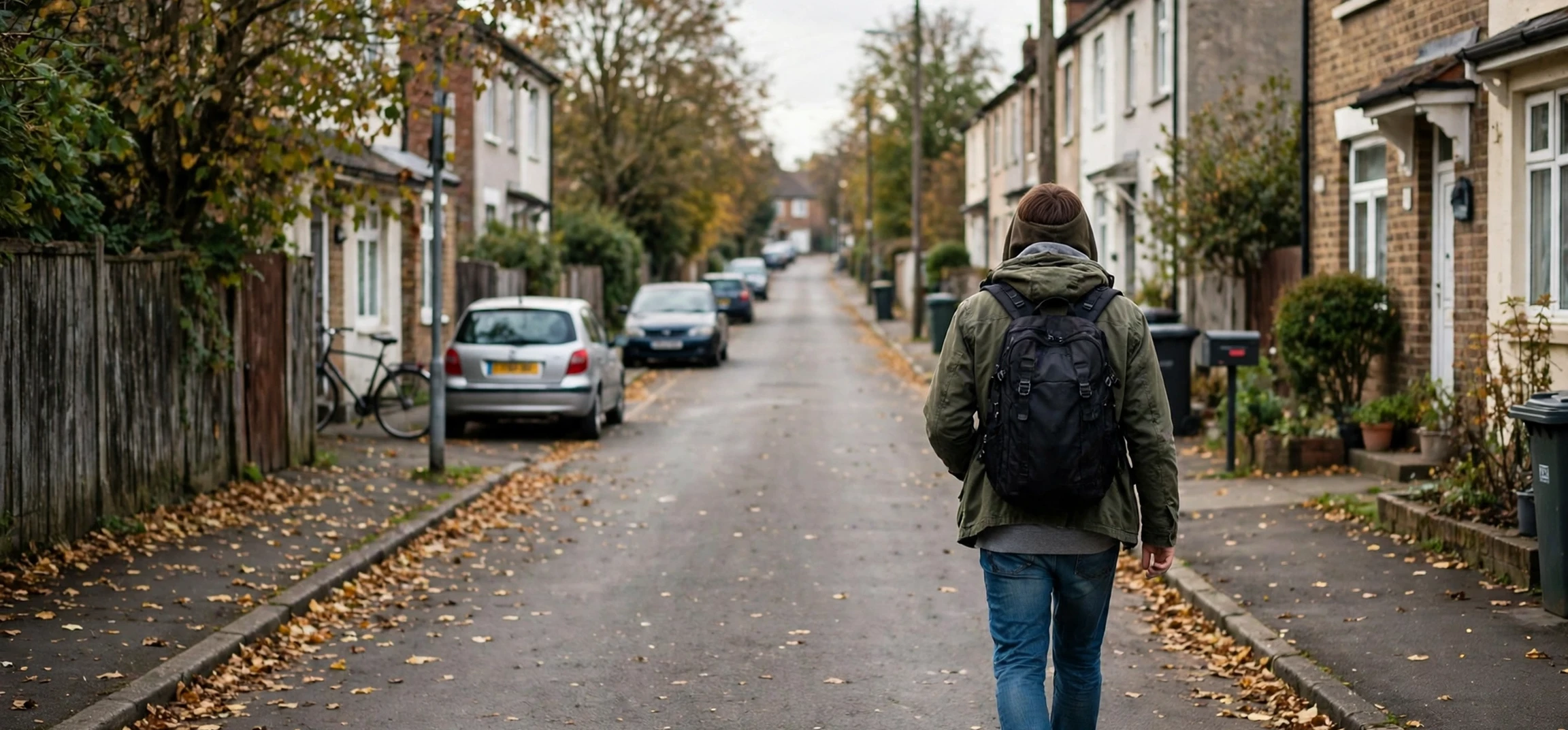
Getting furtive pronunciation right is easier than it looks, once you know where the stress falls and how the word is built. “Furtive” is pronounced FUR-tiv, with the stress on the first syllable, and its adverb form “furtively” is pronounced FUR-tiv-lee. This guide explains furtive pronunciation in detail, with phonetic spelling, syllable breakdowns, common mistakes, and usage examples, so you can say both words confidently in conversation, in class, or in a presentation. One note before we begin: the “blooper reel” wording in this article’s web address is simply the search phrasing that led readers here. It has nothing to do with the meaning of the word, and there is no video or blooper content involved. This is a straightforward pronunciation and vocabulary guide.
The word “furtive” comes from a Latin root connected with theft and stealth, and that history explains its meaning: done quietly, secretly, or in a way that suggests someone does not want to be noticed. A furtive glance is a quick, secretive look. A furtive movement is one made quietly, as if the person hopes nobody is watching. The pronunciation follows the spelling closely, which is good news for learners, because English is not always so kind. If you can say “fur” and then “tiv”, you are most of the way there.
Furtive Pronunciation: The Basics
In standard British and American English, “furtive” has two syllables: FUR-tiv. The first syllable, “fur”, rhymes with the word for an animal’s coat, and it carries the main stress. Say it slightly louder and slightly longer than the second syllable. The second syllable, “tiv”, sounds like the first part of the word “tivoli” without the rest, or like “tiv” in “festive” without the “fes”. Put together at natural speed, the word sounds like “FUR-tiv”, not “fur-TIVE” and not “FUR-tive-ee”. The final “e” is silent, as it is in many English adjectives of this shape, such as “massive”, “active”, and “festive”.
The International Phonetic Alphabet, the system linguists use to write sounds precisely, gives “furtive” as /ˈfɜːtɪv/ in British English and /ˈfɝːtɪv/ in American English. The small mark before the “f” shows that the first syllable is stressed. The symbol for the vowel in the first syllable represents the “ur” sound in “fur”, “her”, and “turn”. The vowel in the second syllable is a short “i” sound, like the “i” in “sit” or “bit”. If phonetic symbols feel unfamiliar, ignore them and rely on the plain spelling instead: FUR-tiv. That respelling captures everything a speaker needs, and it is the form most pronunciation guides use for general readers. Mastering furtive pronunciation in everyday speech starts with that two-syllable shape and the first-syllable stress.
Syllable by Syllable
Break the word apart slowly, then speed up. First syllable: “fur”, with the lips rounded slightly and the tongue in the middle of the mouth. Second syllable: “tiv”, with the tongue tapping the ridge behind the upper teeth for the “t”, then a short “i”, then the lower lip touching the upper teeth for the “v”. Practise the two parts separately three or four times, then join them: fur, tiv, furtive, furtive. Record yourself on a phone and compare with a dictionary audio clip if you can. Hearing your own version next to a reference version is the fastest way to catch a misplaced stress or an extra syllable.
Furtive Pronunciation: Saying “Furtively” Correctly
The adverb “furtively” adds the suffix “-ly” to the adjective, and its pronunciation is FUR-tiv-lee, with three syllables. The stress stays on the first syllable, exactly where it was in “furtive”. The middle syllable stays short: “tiv”. The final syllable, “lee”, sounds like the word “lee” or the end of “quickly” and “quietly”. In phonetic symbols, “furtively” is /ˈfɜːtɪvli/ in British English and /ˈfɝːtɪvli/ in American English. The key point is that adding “-ly” does not move the stress and does not change the sound of the base word. It simply adds a light final syllable.
This pattern holds across a whole family of words. “Secretive” becomes “secretively”, “massive” does not usually take “-ly” in everyday speech, but “actively” follows the same rule: the base keeps its stress and its sounds, and “-ly” adds “lee”. Learners sometimes over-pronounce the middle of “furtively”, turning it into “fur-TIV-lee” with the stress in the wrong place, or they swallow the middle syllable and say something like “FUR-tlee”. Both errors come from rushing. Slow down, give each syllable its moment, and the word settles into its natural rhythm. Good furtive pronunciation of the adverb is simply good pronunciation of the adjective with one extra syllable on the end.
Furtive Pronunciation: Common Mistakes
The most common mistake is stressing the second syllable: “fur-TIVE”. English does have adjectives stressed on the second syllable, but “furtive” is not one of them, and second-syllable stress makes the word hard to recognise. The second mistake is pronouncing the final “e” as a separate syllable, giving “FUR-tiv-ee”. That error usually comes from reading the word letter by letter rather than as a whole, and it disappears once you know the word belongs to the “-ive” family, where the “e” is silent. The third mistake is confusing “furtive” with “fruitive”, “fugitive”, or “furtive” lookalikes. “Fugitive” is a different word, pronounced FYOO-ji-tiv, meaning someone fleeing, while “furtive” describes secretive behaviour. Keeping the two apart matters, because they sound similar but mean different things.
Regional accents change the vowel sounds slightly without changing the stress pattern. In some American accents, the first vowel sounds a little more rounded. In some British accents, the final “v” is lighter. In Australian and New Zealand English, the first vowel may sound a little more open. None of these variations change the word beyond recognition, because the stress and the syllable count stay the same. If you keep the stress on “fur” and keep the word to two syllables, your version of furtive pronunciation will be understood everywhere English is spoken. For more on how words carry meaning, see our guide to the meaning of all-encompassing and our piece on what akimbo means.
Furtive Pronunciation in Usage Examples
Pronunciation sticks best when it is tied to real sentences, so here are examples that show both the sound and the sense. In each one, try saying the sentence aloud, giving “furtive” or “furtively” its first-syllable stress: “She cast a furtive glance at the clock during the long meeting.” “He moved furtively through the quiet library, trying not to disturb the readers.” “The cat gave a furtive look towards the open door before darting outside.” “They exchanged furtive smiles when the teacher turned to the board.” Each sentence uses the word for behaviour that is quiet, quick, or secretive, and each one gives you a natural context for practise.
Notice how “furtive” works as an adjective before a noun: a furtive glance, a furtive smile, a furtive movement. Notice how “furtively” works as an adverb describing a verb: moved furtively, glanced furtively, looked furtively. That grammatical difference is worth learning alongside the pronunciation, because it stops the common error of swapping the two forms. You would not say “he moved furtive through the room”, just as you would not say “a furtively glance”. The adjective describes a thing, the adverb describes an action, and the pronunciation of each follows from its spelling: FUR-tiv for the adjective, FUR-tiv-lee for the adverb.
Furtive in Literature and Everyday Speech
“Furtive” appears often in novels, journalism, and film criticism, usually to describe glances, smiles, or movements that carry a hint of secrecy. A character in a mystery novel might take a furtive look at a letter. A news report might describe a furtive exchange between two people. The word carries a mild judgement: it suggests not just secrecy, but secrecy that might be slightly guilty or embarrassed. That shade of meaning is part of why the word survives in modern English when plainer words like “secret” would do. Learning furtive pronunciation alongside that shade of meaning gives you the whole word, sound and sense together.
| Word | Syllables | Phonetic Spelling | Stress |
|---|---|---|---|
| furtive | 2 | FUR-tiv | First syllable |
| furtively | 3 | FUR-tiv-lee | First syllable |
| fugitive (for contrast) | 3 | FYOO-ji-tiv | First syllable |
| festive (same ending) | 2 | FES-tiv | First syllable |
Regular practise is what turns knowledge of furtive pronunciation into habit. Say the example sentences aloud once a day for a week, and listen for the first-syllable stress each time. Good furtive pronunciation is not a talent; it is a small habit built by repetition, and it lasts once it is formed.
Furtive Pronunciation: Frequently Asked Questions
Which syllable is stressed in “furtive”?
The first syllable: FUR-tiv. Stressing the second syllable is the most common error.
Is the final “e” in “furtive” pronounced?
No. Like other “-ive” adjectives, the final “e” is silent, and the word has two syllables, not three.
How many syllables does “furtively” have?
Three: FUR-tiv-lee. The stress stays on the first syllable, and the “-ly” ending adds a light final syllable.
What is the difference between “furtive” and “fugitive”?
“Furtive” describes secretive behaviour, while “fugitive” describes a person fleeing, usually from the law. They sound similar but are different words.
If you teach or learn English, add furtive pronunciation to a short list of words worth drilling, alongside other “-ive” adjectives with first-syllable stress. Practising furtive pronunciation together with words like “festive” and “active” reinforces the pattern, so each new word in the family becomes easier to say.
Conclusion
Furtive pronunciation is straightforward once the pattern is clear: FUR-tiv for the adjective, FUR-tiv-lee for the adverb, stress always on the first syllable, final “e” silent. Practise with the example sentences, listen to a dictionary recording for comparison, and watch out for the two classic errors, second-syllable stress and an extra syllable from the final “e”. With those points in mind, you can use both words confidently and correctly, whether you are speaking, teaching, or simply wanting to be sure. And remember, the “blooper reel” wording in the address of this page is only the search phrasing that brought you here, not part of the word’s meaning or story.