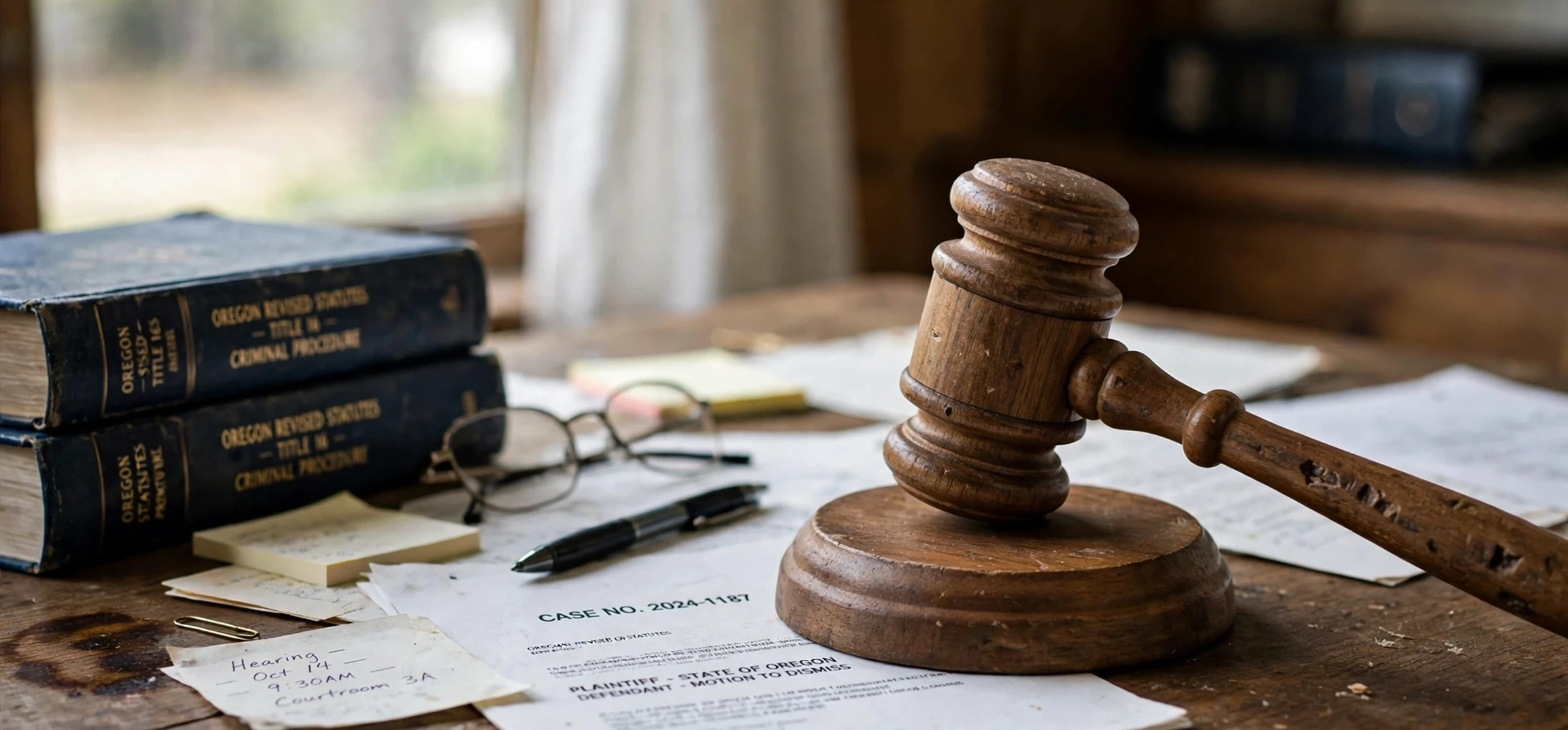
If you searched for “what is the judge called in court”, you want to know the titles and forms of address used for judges in different courts and countries. Judges are addressed with formal titles that reflect their office, and the correct title varies by court, country, and tradition. This guide explains the most common titles, when to use them, and how courtroom address differs around the English-speaking world.
Your Honour, My Lord, and My Lady
In most English-speaking courts, the standard way to address a judge in person is “Your Honour”. This title is used in the United States for most judges, in Canada, Australia, and many other countries, and in lower courts in England and Wales. It is polite, neutral, and safe in almost any courtroom: if you are unsure what to call a judge, “Your Honour” is almost always acceptable.
In higher courts in England and Wales, tradition differs. High Court judges are addressed as “My Lord” or “My Lady”, a survival from centuries when judges were drawn from the nobility. In Scotland, the equivalent is “My Lord” or “My Lady” for senior judges, while sheriffs, who handle most criminal and civil cases, are addressed as “My Lord” or “My Lady” in court as well. These older forms can surprise visitors, but court staff will guide you if you are unsure.
Judge, Justice, and Chief Justice
The word “judge” is the general title for someone who presides over a court. Members of higher courts, such as supreme courts and courts of appeal, are often called “justices” rather than judges. In the United States, members of the Supreme Court are called justices, led by the Chief Justice. The same pattern appears in Canada, Australia, and India, where supreme court members are justices.
The distinction is one of rank and court, not of function: justices and judges both hear cases and make decisions. In writing, a judge is often referred to as “Judge Smith” or “Justice Smith”, depending on their court, and in formal documents as “the Honourable Mr Justice Smith” or “the Honourable Ms Justice Smith” in some traditions. The word “honourable” in these titles is a mark of office, not a personal compliment.
Magistrates and Other Judicial Officers
Not every person who presides over a court is called a judge. Magistrates handle less serious criminal cases and some civil matters in many countries, and they are addressed as “Your Worship” in England and Wales, or “Your Honour” in some other systems. In the United States, magistrate judges assist federal district judges and are addressed as “Your Honour”.
Other judicial officers include tribunal members, who may be called “chair” or by their professional title, and coroners, who preside over inquests into deaths and are addressed as “sir” or “madam” or by their office. Each system has its own conventions, and court staff, lawyers, and published guides for the relevant court will confirm the right form.
How to Address a Judge in Person
If you appear in court, whether as a party, a witness, or a juror, addressing the judge correctly shows respect for the court. Stand when speaking to the judge unless told otherwise, speak clearly, and begin with the appropriate title. In most courts, “Your Honour” is the right choice. Avoid using the judge’s first name, and do not interrupt the judge or other speakers.
If you make a mistake, do not panic. Judges understand that most people are unfamiliar with courtroom conventions, and a polite correction from court staff or a lawyer will set you right. What matters most is a respectful attitude, not perfect knowledge of titles. Dressing neatly, arriving on time, and switching off your phone also show respect for the court.
Judges in Different Countries
Courtroom titles vary internationally. In the United States, federal and state judges are addressed as “Your Honor”, spelled without the “u” in American English. In Ireland, judges are addressed as “Judge” in court, a simpler convention than in England. In India, judges of the Supreme Court and High Courts are addressed as “My Lord” or “My Lady” in some courts, although “Your Honour” and “Sir” or “Madam” are also used and are increasingly common.
In non-English-speaking countries, titles are translated from local traditions. French judges are addressed as “Monsieur le President” or “Madame la Presidente” when presiding, while German judges are addressed as “Herr Vorsitzender” or “Frau Vorsitzende”. These differences reflect each country’s legal history, but the underlying principle is the same everywhere: the title marks respect for the office and the law it represents.
Judicial Titles in Writing
In written documents, judges are referred to by their full title and surname. A letter to a judge might begin “Dear Judge Smith” or “Dear Justice Smith”, depending on their court. In court judgments, the judge’s name appears at the start, often with their title, such as “Smith J” for a judge or “Smith LJ” for a Lord or Lady Justice of Appeal in England and Wales.
Legal citations also use these abbreviations. “Smith J” means Mr or Ms Justice Smith, while “Smith CJ” means Chief Justice Smith. These shorthand forms are standard in legal writing, and they help readers identify the seniority and court of the judge who decided a case. For non-lawyers reading a judgment, the key point is simply to note the name and court, rather than decoding every abbreviation.
How to Address Judges
| Court or Country | Address in Person | Written Title |
|---|---|---|
| US courts (most) | Your Honor | Judge Smith |
| US Supreme Court | Your Honor | Justice Smith |
| England, High Court | My Lord / My Lady | Mr / Ms Justice Smith |
| England, lower courts | Your Honour | Judge Smith |
| Canada, Australia | Your Honour | Judge / Justice Smith |
| Magistrates, England | Your Worship | Magistrate Smith |
The History of Judicial Titles
Judicial titles carry centuries of history. “Your Honour” derives from the honour attached to the office of judging, a concept that appears in many legal traditions. “My Lord” and “My Lady” reflect a time when senior judges were members of the House of Lords or drawn from the aristocracy, and the titles survived even as the judiciary became a professional, merit-based institution. These survivals remind us that courts are institutions with deep roots, and their language preserves that heritage.
In the United States, the founders deliberately chose simpler titles, reflecting republican values. The Constitution refers to “judges” and “justices” without lordly honorifics, and American courtrooms adopted “Your Honor” as the standard form. This simplicity was a conscious choice, signalling that judicial authority comes from the law and the people, not from noble birth. Both traditions, the ornate and the plain, serve the same purpose: marking the dignity of the courtroom.
Judges and Juries: Different Roles
In trials with a jury, the judge and jury have distinct roles that are easy to confuse. The judge decides questions of law: what evidence is admissible, what the law means, and what instructions to give the jury. The jury decides questions of fact: what happened, who is telling the truth, and, in criminal cases, whether the defendant is guilty. The judge then imposes sentence or gives judgment based on the jury’s verdict.
This division protects fairness. The judge’s legal expertise ensures the trial follows the rules, while the jury’s collective judgement brings community standards to questions of fact. In trials without a jury, the judge decides both law and fact, and must explain their reasoning in a written judgment. Understanding this division helps anyone attending a trial follow what is happening and why the judge intervenes at particular moments.
What ‘what is the judge called in court’ Means
People search for this term when they are about to appear in court, watching a trial, or reading a legal drama, and want to know the correct title for a judge. Courtroom language can feel intimidating, but the rules are simpler than they look, and this guide explains the main titles across courts and countries.
Why ‘what is the judge called in court’ Appears in Search Results
Search results for this term mix legal guides, court websites, and etiquette advice, reflecting how many people meet judges only rarely and want to get it right. The reassuring summary is that ‘Your Honour’ works in most courts, and court staff will help with the rest.
Frequently Asked Questions
What do you call a judge in court?
In most courts, “Your Honour” is correct. In higher courts in England and Wales, “My Lord” or “My Lady” is used.
What is the difference between a judge and a justice?
A justice is a judge who sits on a higher court, such as a supreme court or court of appeal. The function is the same; the title reflects rank and court.
Can I call a judge by their first name?
No. Always use a formal title in court, even if you know the judge socially outside it.
What do you call a retired judge?
Retired judges are usually still addressed by their former title as a courtesy, such as “Judge Smith” or “Justice Smith”, although they no longer preside over cases. In formal writing, the word “retired” may be added for clarity.
Conclusion
The judge in court is most commonly called “Your Honour”, with “My Lord” and “My Lady” surviving in higher courts in England and Wales, and “justice” marking membership of a supreme or appeal court. Magistrates and other judicial officers have their own titles, and conventions vary by country, but the principle is universal: formal address shows respect for the court and the law. If you ever appear in court, a polite “Your Honour” and a respectful manner will serve you well in almost any courtroom. For more legal explainers, see our guides to legal terms explained and courts and property records.



