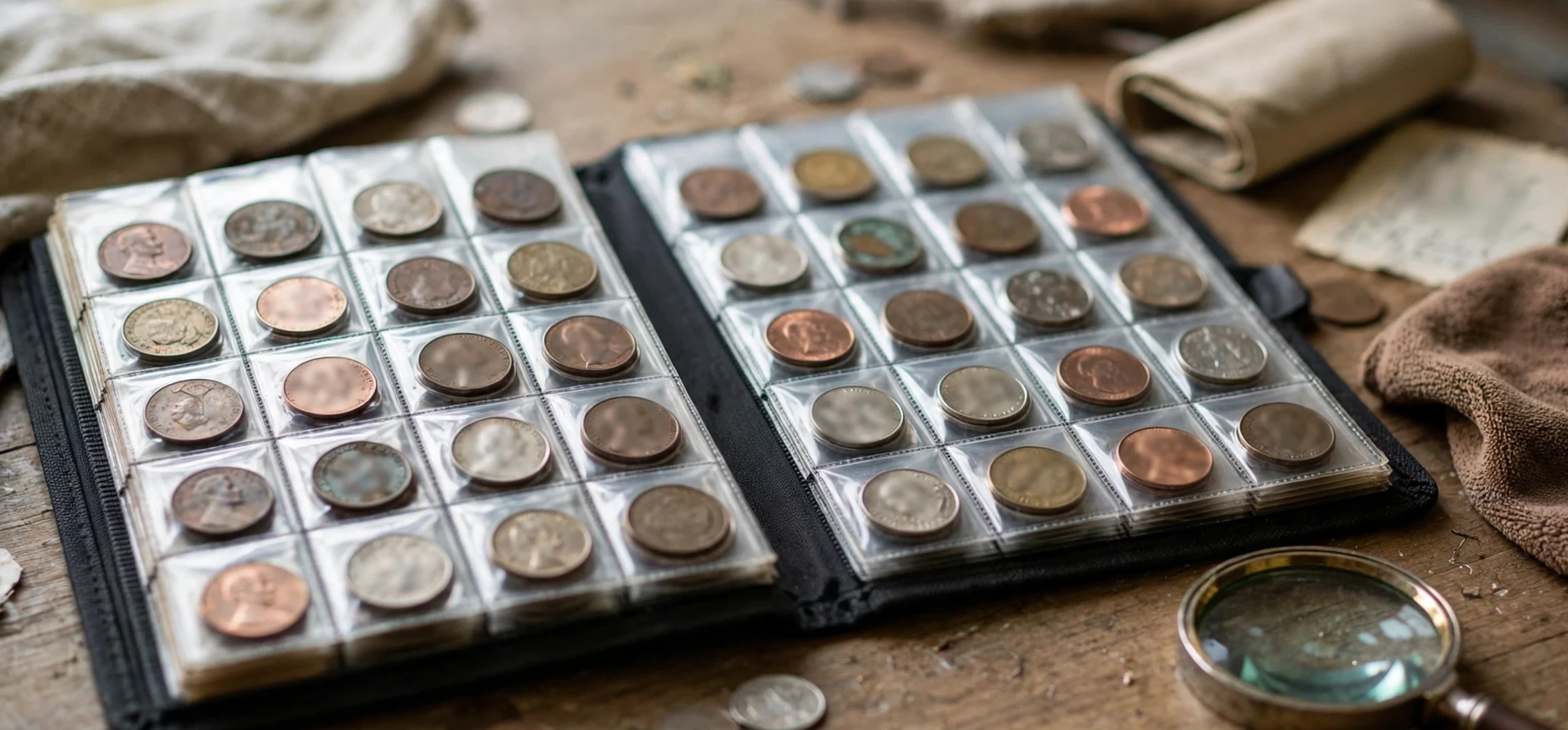
When people first look up the ngc price guide for coins, they usually want one simple answer: what is my coin worth. The honest answer is that a coin does not have a single fixed worth. It has a range, shaped by rarity, condition, demand, and the moment in time when someone checks. This article takes a different angle from a grading explainer. It focuses on how coin values are estimated, what drives them up or down, and where to check current information without treating any one figure as a permanent fact. Values change, so always check the current ngc price guide for coins before buying, selling, or insuring a coin.
Estimating a coin value is closer to estimating the value of a used car or a piece of art than to looking up a fixed retail price. Two coins of the same type and year can sit at very different levels because one is scarce, one is well preserved, or one belongs to a series that collectors are actively chasing. The ngc price guide for coins helps by organising those differences, but the reader still has to do the work of identifying the coin correctly and reading the ngc price guide for coins with care. That work is what separates a rough guess from a useful estimate.
What Shapes a Coin Value in the NGC Price Guide for Coins
Four forces shape most coin values: rarity, condition, demand, and the coin market at large. Rarity is about how many examples exist and how many survive in collectable condition. A coin struck in small numbers, or one that was heavily melted, recalled, or worn out in circulation, will usually be scarcer than a coin struck in the hundreds of millions. Condition is about preservation. A coin with full detail, clean surfaces, and attractive lustre will usually be discussed at a higher level than a worn or damaged example of the same type.
Demand is the force beginners most often underestimate. A coin can be genuinely scarce yet attract modest interest if few collectors build that series. Conversely, a relatively available coin can command attention because it completes a popular set, appears in a famous collection, or features in a well-known story. Demand also moves in waves. A series featured in a book, exhibition, or popular video can gain new collectors quickly, while another series can cool as collectors move on. That movement is a normal part of the hobby, and it is a key reason ngc price guide for coins figures are snapshots rather than promises.
The wider market matters too. Precious metal prices affect bullion-related coins, economic confidence affects discretionary spending on hobbies, and auction seasons can concentrate attention on particular areas. None of this means a collector should try to time the market like a trader. It means an estimate should always carry a date in mind: this is what comparable pieces were discussed at recently, not what they will always be worth.
Rarity Explained for the NGC Price Guide for Coins
Rarity begins with mintage, the number of coins originally struck. Mintage figures are useful, but they are only a starting point. Many coins were later melted for their metal, lost, damaged, or simply worn beyond recognition. Survival rates therefore matter more than mintage alone. A coin with a high mintage but a low survival rate in high grade can be surprisingly scarce where collectors actually want it: in clean, well-preserved condition.
Key dates and varieties create another layer of rarity. A key date is a date and mint mark combination that is much scarcer than the rest of its series, often because it had a low mintage or because few examples survived. A variety is a smaller difference, such as a doubled die, an overdate, or a repunched mint mark, that makes one version of a coin scarcer than the standard version. Collectors who build a series by date and mint mark will pay close attention to these distinctions, and the ngc price guide for coins reflects that attention by listing varieties separately where they matter.
Population reports add a further clue. These reports show how many coins of a given type and grade have been certified. A low population in a high grade can signal genuine scarcity at that level, even for a coin that is common in lower grades. Population data should still be read with care, because coins can be resubmitted, and a population figure counts submissions rather than unique surviving coins. Used alongside mintage and market observation, however, it helps explain why two coins that look similar can sit far apart in a guide.
Condition Rarity Versus Absolute Rarity
Collectors use two helpful phrases here. Absolute rarity means few examples exist at all, in any condition. Condition rarity means examples exist, but very few survive in high grade. A coin can be common in worn condition and rare in mint state, and its ngc price guide for coins entries will show a steep climb as the grade rises. Recognising which kind of rarity applies to your coin prevents a common error: assuming that because a coin is old or unfamiliar, it must be rare in every grade. Often, the value story is about condition, not about the coin existing at all.
Condition, Demand, and Eye Appeal
Condition is usually the first thing an ngc price guide for coins reader checks after identification, because it moves the estimate more than almost any other single factor. Wear removes detail from the high points of a design, marks break up the surface, and cleaning can leave hairlines that collectors dislike. Eye appeal then adds a human layer: two coins in the same grade can look different, and the more attractive one will usually be the easier one to sell. Attractive, even toning, a strong strike, and clean fields all help, while dark spots, scratches across the portrait, or a dull, lifeless surface all work against a coin.
Demand deserves its own checklist. Ask whether the series is actively collected, whether the coin is a key date or a popular variety, whether it fits a theme that many collectors follow, and whether recent auctions show several bidders or only one. A coin with broad demand is easier to value, because more comparable sales exist. A coin with narrow demand is harder to value, because a single sale may not represent a general level. In that case, a wider range and a longer wait for the right buyer are both realistic expectations.
Provenance can also play a role, though it matters more at the higher end of the hobby. A coin from a famous collection, or one with a clear and documented history, may attract extra interest from collectors who value that story. For most everyday coins, provenance is simply a matter of keeping good records: where the coin came from, when it was acquired, and any certification number it carries. Good records help a future buyer trust the coin, and trust supports value.
Where to Check Current Values
The most important habit in value estimation is checking current sources, plural. Start with the ngc price guide for coins for a structured view by type, date, and grade. Then look at recent auction results for the same type and grade, paying attention to the date of each sale and whether the coin was certified. Then look at current dealer listings, not to copy a single asking price, but to see how many comparable coins are available and how long they have been listed. A coin with many listings at similar levels is easier to judge than a coin with one listing and no recent sales.
When comparing sales, match like with like. The same date is not enough if the mint mark differs, the variety differs, or the grade differs by several points. A mint state coin and a circulated coin of the same date are different products in the eyes of the market, and their ngc price guide for coins entries will reflect that. Photographs help, but they can also mislead, because lighting can hide marks or exaggerate lustre. Where possible, examine a coin in hand before relying on a photograph alone, and be cautious about any listing whose photographs are blurry, cropped, or heavily filtered.
It is also worth checking whether a coin contains precious metal, because that sets a floor related to metal content, though not a fixed value. A silver or gold coin will generally not fall below a level related to its metal, but a collectable premium above that floor depends on rarity, condition, and demand. Base metal coins have no such floor, so their values rest entirely on collector interest. Understanding which case applies prevents the mistake of assuming that metal content alone explains an ngc price guide for coins figure.
For a broader sense of how to read reference guides with care, see our comprehensive guide overview and our guide to using reference material well. Both underline the same point made here: an ngc price guide for coins is most useful when it is read in its current form and cross-checked against real market activity.
How to Build a Realistic Estimate
A realistic estimate follows a simple sequence. First, identify the coin exactly: country, denomination, date, mint mark, and variety. Second, assess condition honestly, using the grade bands rather than wishful thinking. If the coin is certified, use the certified grade. If it is not certified, be conservative, because professional graders often see wear and marks that a hopeful owner misses. Third, find the matching ngc price guide for coins entry and note the range around your grade, not just one number. Fourth, check recent comparable sales and current listings. Fifth, adjust for eye appeal, toning, and any problems such as cleaning or damage.
It helps to write the estimate down as a range with a date, for example: comparable certified examples in this grade were recently discussed around a broad band, checked in the current guide on a stated date. That note is far more useful than a single remembered number, because it shows your working and it reminds you to refresh it later. If you return to the coin in a year, the range may have moved, and your note will make that movement visible instead of confusing.
For selling decisions, add practical costs to the picture. A dealer or auction house charges fees, shipping and insurance cost money, and certification carries a fee of its own. An ngc price guide for coins figure is not the amount a seller receives. It is a reference level for comparable pieces, before costs and before negotiation. Keeping that distinction clear prevents disappointment and helps set a fair asking price.
When Certification Helps an Estimate
Certification helps most when authenticity is uncertain, when a variety is subtle, when condition is high, or when a buyer cannot examine the coin in person. A certified coin carries a standard description that both sides can trust, which makes comparison easier and often makes a sale smoother. Certification helps least for common, low-grade coins, where the grading fee may exceed any benefit. A sensible rule is to certify selectively: the coins where a trusted grade changes the conversation.
Common Estimation Mistakes
The most common mistake is using the highest grade in a guide entry for a coin that is clearly circulated. Guide entries span many grades, and the top of the range belongs to the best-preserved examples, not to every example of that date. Another mistake is confusing an asking price with a sale price. A coin listed for months at a high figure has not sold at that figure, and a guide is not obliged to follow it. A third mistake is ignoring variety. A standard coin and a scarce variety can look almost identical, yet their guide entries and market interest can differ greatly.
Another frequent error is treating old ngc price guide for coins figures as current. Collecting guides are updated as new sales arrive and as demand shifts, so a figure from an old book or an old screenshot may no longer reflect the market. Always check the current guide, and be suspicious of any article or video that quotes a value without a date or a grade. A value without a grade is almost meaningless, because condition is so central to the estimate.
Finally, beware of the single-sale trap. One dramatic auction result does not rewrite the whole market for a type, just as one low result does not erase it. Look for a pattern across several sales, and give more weight to recent, certified, like-for-like results. If only one comparable sale exists, say so in your own notes, and treat the estimate as tentative until more evidence appears.
| Factor | What increases interest | What reduces interest |
|---|---|---|
| Rarity | Low mintage, low survival, key date or variety | High mintage, many survivors in the same grade |
| Condition | Sharp strike, full lustre, clean surfaces | Heavy wear, marks, cleaning, damage |
| Demand | Popular series, active set builders, broad appeal | Narrow interest, quiet series, few recent sales |
| Presentation | Certification, clear photographs, good records | Unclear identity, blurry images, missing history |
| Timing | Recent comparable sales support the level | Stale figures, one-off results, shifting demand |
Frequently Asked Questions
Why do two identical-looking coins have different ngc price guide for coins values?
They may differ in mint mark, variety, grade, or eye appeal, even when they look similar at a glance. Small differences in those areas change how the ngc price guide for coins lists them, and how collectors judge them. Careful identification usually reveals the difference.
Should I trust a single website value for my coin?
No single source should carry the whole decision. Use the current ngc price guide for coins as a starting point, then cross-check recent auction results and current listings for the same type and grade. A pattern across sources is far more reliable than one figure alone.
Do coin values only go up?
No. Values change in both directions as demand, availability, and the wider economy shift. Some series rise steadily, some stay flat for years, and some fall from earlier peaks. That is why checking the current ngc price guide for coins matters more than remembering an old figure.
Is a certified coin always worth more than an uncertified one?
Often, but not always. Certification adds trust, which helps most for scarce, high-grade, or hard-to-identify coins. For common, low-grade coins, the grading fee may outweigh the benefit, and the coin may be just as useful uncertified in a collection album.
Conclusion
Estimating a coin value is a skill built from identification, honest condition assessment, and current research. The ngc price guide for coins gives that skill a structure, organising coins by type and grade so that rarity, condition, and demand can be compared fairly. Use it in its current form, cross-check it against recent sales, record your estimate as a dated range, and remember that values change. With those habits, an ngc price guide for coins becomes a genuinely useful companion, whether you are building a set, clearing a drawer of old coins, or simply learning what makes one coin more sought after than another.