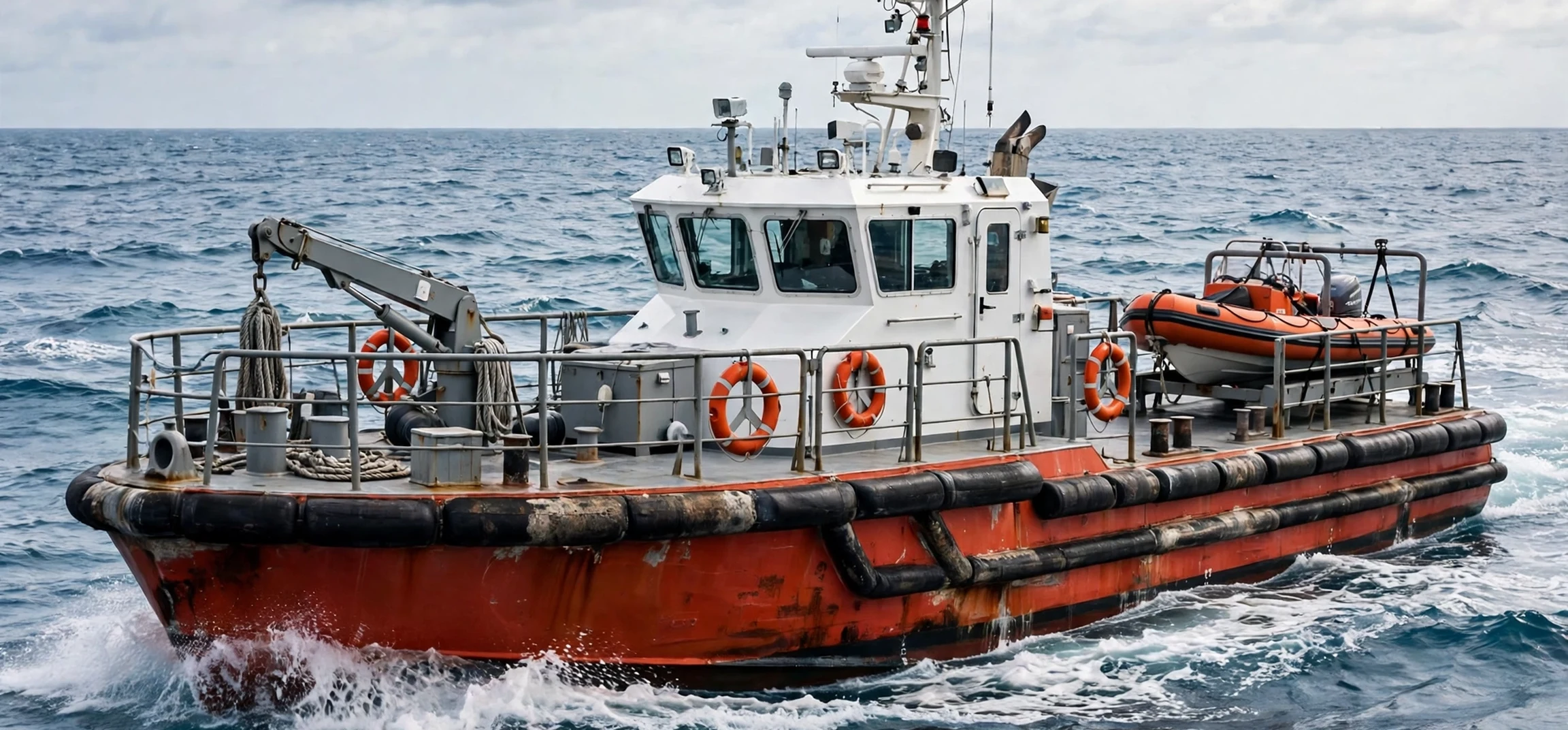
A ship renamed after a rescue is a powerful story in miniature. A vessel that once carried one name, one crew, and one purpose is given a new identity because something brave, dramatic, or important happened at sea. When that new name is patriotic, it adds another layer: the ship becomes a symbol of a country, a community, or a shared value. When the style is parody, the story changes again. Writers, comedians, and creators borrow the grand language of ship naming and turn it into humour, satire, or gentle mockery. This guide explains all three ideas together: rescue renaming, patriotic naming, and parody style, and shows how to tell them apart.
Ships have always carried names with meaning. A name can honour a person, a place, a virtue, or an event. It can signal ownership, pride, or hope for a safe voyage. Renaming a ship is therefore never a small decision in real maritime life. Sailors have traditions, superstitions, and practical rules about names, and changing a name usually requires paperwork, repainting, new records, and a clear reason. A rescue is one of the strongest reasons of all, because it connects the vessel to courage, survival, and gratitude.
Patriotic names work differently. They are designed to be recognised instantly. Words linked to freedom, unity, courage, home, and national symbols can turn an ordinary vessel into a floating message. In fiction and parody, those same words can be exaggerated until they become funny. A ship called something grand and overblown, with a crew that is anything but heroic, creates comedy through contrast. Understanding that contrast is the key to parody style: the form stays serious, but the content becomes playful.
This article is a plain-language guide for readers, writers, students, and curious sea lovers. It covers real renaming practice, the language of patriotic names, and how parody uses that language for effect. It also gives practical tips for creating your own fictional ship names without copying real vessels or causing confusion.
Why Ships Are Renamed
A ship may be renamed when it changes owner, changes flag, changes role, or enters a new service. A cargo vessel may become a research ship. A naval vessel may be transferred to another navy. A private yacht may be sold and given a name that suits its new owner. In each case, the new name helps people identify the vessel correctly in records, radio calls, and port documents. Accuracy matters at sea, so a rename is a formal process, not just a fresh coat of paint.
A rescue rename is more emotional than a routine ownership rename. It may honour the people rescued, the crew who carried out the rescue, or the place where it happened. It may also mark a turning point in the vessel’s own story. A ship that survived a storm, saved lives, or served in an emergency may be seen differently afterwards, and a new name can reflect that changed reputation. The old name is not always erased from history. It remains in logs, photographs, and maritime records, which is why historians can trace a vessel through several names.
Rescue Stories That Change a Vessel
Rescue at sea takes many forms. A ship may rescue survivors from another vessel, assist during a storm, tow a damaged boat to safety, or support a coastal community after a disaster. Each kind of rescue leaves a different impression. A dramatic rescue of many people may lead to public recognition. A quiet, professional rescue may be remembered mainly by the crews involved. In both cases, a rename can serve as a lasting thank-you, a memorial, or a reminder of a duty performed well.
It is important not to invent details about a real rescue. If you are writing about a real vessel, check maritime records, official histories, and reputable news reports. Note the date, the location, the vessels involved, and the outcome. If a detail is uncertain, say so. Rescue stories deserve accuracy, because they involve real danger and real people, and exaggerated versions can mislead readers and distress families.
Tradition, Superstition, and Paperwork
Sailors have long treated renaming with respect, and some traditions warn that changing a name brings bad luck unless done properly. Modern practice is more practical: the owner applies for the change, updates registration, changes the name on the hull and stern, updates safety certificates, and informs ports and insurers. The vessel’s identification number, where one exists, usually stays the same, which helps authorities track the ship through its history. Tradition and paperwork therefore work together: one gives the moment ceremony, the other gives it legal clarity.
What Makes a Name Patriotic?
A patriotic name draws on shared symbols and values. It may use the name of a country, a historic event, a national hero, a famous place, or a word such as liberty, unity, courage, or freedom. The effect depends on context. In a time of war or national celebration, a patriotic name can raise morale. In peacetime, it can express pride in a navy, a coastguard, or a merchant fleet. In a local context, it can honour a town, a region, or a community that supports seafaring.
Patriotic naming is not limited to warships. Lifeboats, ferries, research vessels, and even small rescue boats can carry patriotic names. The tone, however, should fit the vessel’s role. A grand name on a small harbour boat can feel warm and affectionate, while the same name on a large naval ship can feel formal and imposing. Writers should think about scale, purpose, and audience before choosing a patriotic name for a fictional vessel.
Words, Images, and Associations
Patriotic names work through association. A single word can suggest a flag, an anthem, a landscape, or a historic moment. That is why naming committees often choose words carefully and test how they sound in radio calls and public announcements. A name that is hard to pronounce, easy to confuse with another vessel, or likely to be misunderstood may be rejected, even if its meaning is appealing. Clarity at sea is a safety issue, not only a style choice.
When Patriotic Naming Goes Wrong
A patriotic name can go wrong when it is imposed without local support, when it recalls a painful event, or when it is used for publicity rather than genuine respect. A name meant to unite can divide if it ignores part of a community’s history. That is why many naming processes now include consultation, historical checks, and a review of earlier vessels with the same name. A thoughtful name lasts longer than a fashionable one, and it is less likely to need changing again.
Parody Style Explained
Parody copies the style of something serious and changes the content to create humour or criticism. In ship naming, parody often keeps the grand structure of a patriotic name but fills it with ordinary, silly, or mismatched details. The result can be affectionate, absurd, or sharply satirical, depending on the writer’s purpose. A parody ship name works best when the audience recognises the original style. Without that recognition, the joke falls flat.
There are several common parody techniques. Exaggeration takes a patriotic word and stretches it until it becomes ridiculous. Bathos, which is a sudden drop from grand to ordinary, pairs a heroic name with a humble vessel, such as a tiny dinghy or a leaky ferry. Wordplay changes one word in a famous name to create a pun. Role reversal gives a warship a peaceful name, or a fishing boat a name fit for a flagship. Each technique relies on contrast between expectation and reality.
| Parody technique | How it works | Example pattern (invented) |
|---|---|---|
| Exaggeration | Stacks grand words until they collapse | A name with three heroic words for a harbour tug |
| Bathos | Grand name, humble vessel | A flagship-style name on a small rowing boat |
| Wordplay | One changed word creates a pun | A familiar patriotic phrase with a sea-related twist |
| Role reversal | Peaceful name for a warship, or the reverse | A gentle garden name on a patrol vessel |
| Over-formality | Official ceremony language for a trivial launch | A long dedication speech for a toy boat |
Affectionate, Satirical, and Mean-Spirited Parody
Not all parody has the same tone. Affectionate parody celebrates its subject while making fun of its excesses. Satirical parody criticises power, waste, or empty ceremony. Mean-spirited parody mocks people rather than ideas, and it can cause real harm. Writers should choose their target with care, especially when a rescue or a patriotic theme is involved. Mocking a ceremony is different from mocking the people who risked their lives in a rescue. The first can be fair comedy. The second can feel cruel, even if it was not intended that way.
Creating a Fictional Renamed Ship
If you want to create your own ship renamed after a rescue, start with the story, not the name. Decide what happened, who was involved, and why the rename matters to the crew. Then choose a name that reflects that story without giving away the whole plot. A good fictional name is memorable, pronounceable, and consistent with the world of your story. It should also be clearly fictional, so readers do not confuse it with a real vessel.
For a patriotic parody, start with a real naming pattern, then change one element at a time. Change the vessel, the occasion, or the tone, but keep enough of the original form for the joke to land. Test the name aloud. Does it sound grand, funny, or confusing? Ask a friend what they picture when they hear it. If they picture the wrong kind of vessel, adjust the name. Small changes often fix a parody that is nearly working.
A Simple Writing Checklist
Before you publish a fictional ship name, check four things. First, is the name clearly invented, or could it be mistaken for a real ship? Second, does the tone fit the rescue or patriotic theme, or does it trivialise a serious event? Third, is the name easy to say and remember? Fourth, does the rename serve the story, or is it only a joke with no purpose? A name that passes all four checks is more likely to feel satisfying to readers.
Avoiding Confusion With Real Vessels
Do not reuse the exact name of a well-known real ship for a parody unless you have a clear reason and you make the fictional nature obvious. Readers may search for the name and find a real history that does not match your story. If your story is set in the real world, a short note that names and events are fictional can prevent confusion. If your story is set in an invented world, invented place names and invented navies give you more freedom.
For a calmer, guide-style companion read, see Tree Named After Lady Jane Grey Ad Free, which uses the same step-by-step structure for a history topic. You can also follow the practical how-to tone in Update Guide Etsiosapp Top Rated when you want a checklist rather than a story.
Frequently Asked Questions
Can any ship be renamed after a rescue?
In principle, yes, if the owner follows the correct registration and safety procedures. In practice, a rescue rename is usually reserved for cases where the rescue was significant, publicly recognised, or important to the vessel’s history. A routine assistance at sea does not always lead to a rename.
Is renaming a ship bad luck?
Some sailors traditionally believed so, and special ceremonies were used to mark a rename. Modern maritime practice treats renaming as a formal administrative change. The ceremony survives in many places as a celebration, rather than a superstition that must be obeyed.
What is the difference between parody and satire?
Parody imitates a style for comic effect. Satire uses humour to criticise something, such as a policy, an institution, or a public attitude. A ship-name parody can be purely funny, or it can be satirical if it targets empty ceremony, nationalism, or waste.
Can a parody name offend people?
Yes, especially if it mocks a rescue, a memorial, or a community’s loss. Affectionate parody of ceremony is usually safer than parody of victims or rescuers. When in doubt, change the target to the ceremony or the language, not the people.
Conclusion
A ship renamed after a rescue tells a story of courage and change. A patriotic name adds shared pride and public meaning. A parody style borrows that grandeur and turns it into humour, revealing how much power a name can carry. Together, these three ideas show why ship names matter far beyond the hull. They record history, express values, and, in the right hands, make people laugh while they think.
Whether you are studying maritime history, writing fiction, or simply enjoying a clever ship name, keep the balance in mind: respect the rescue, understand the patriotic language, and use parody with care. A well-chosen name, real or invented, should be clear, memorable, and fit for the vessel it describes. For another plain-language explainer, continue to Cyberfear HQ Address Classic Hit, which applies the same careful, source-first approach to finding official information.



