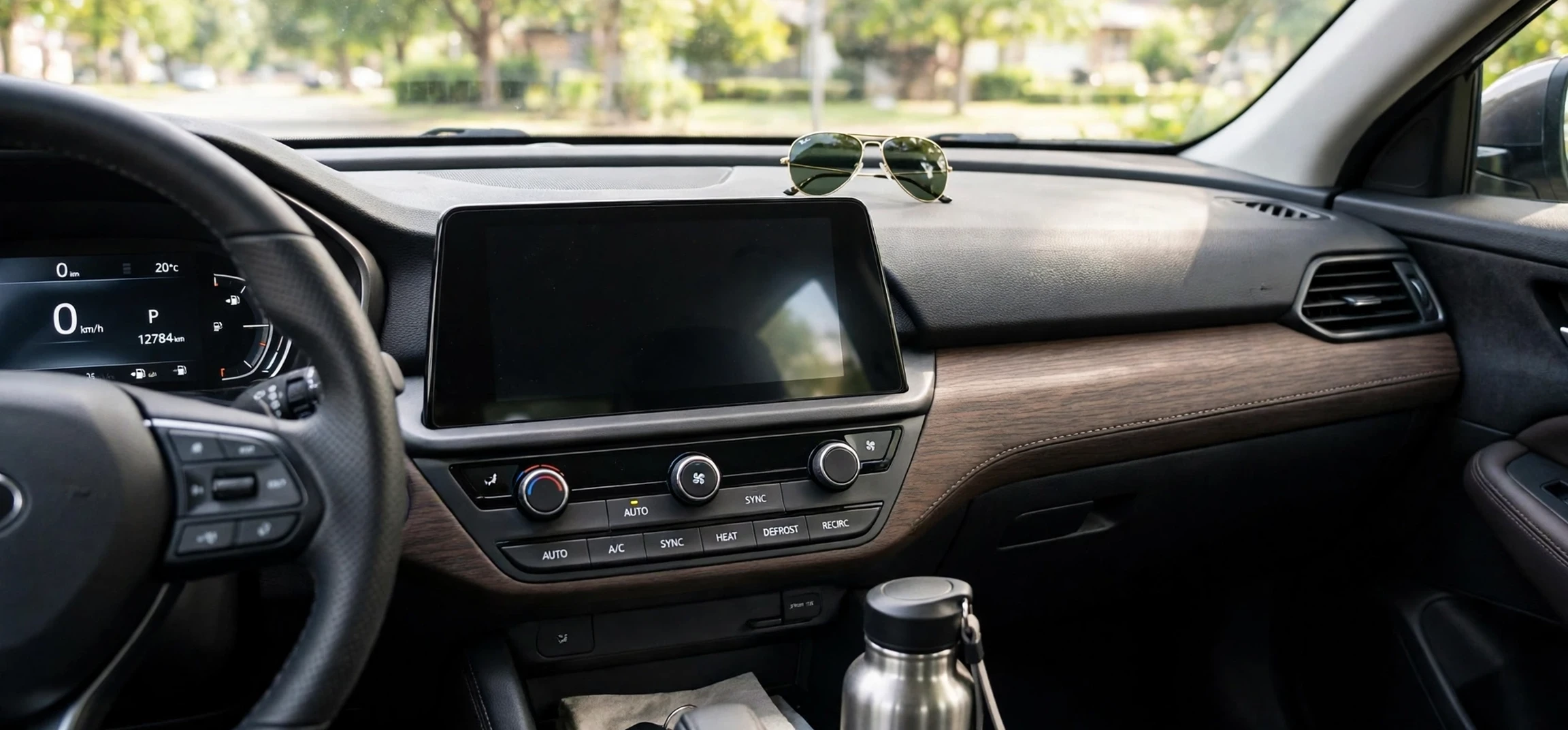
If you have searched for car millage, you almost certainly meant “car mileage.” The search term “car millage” is a common misspelling of “car mileage,” and it asks a question that matters to almost every driver and car buyer: what does the mileage on a car mean, how is it measured, and why does it affect a vehicle’s value, running costs, and reliability? In short, car mileage is the total distance a vehicle has travelled, usually shown on the odometer, and it is also used to describe how efficiently a car uses fuel. Both meanings matter, and this guide explains both clearly.
Whether you are buying a used car, selling your own, budgeting for fuel, or simply trying to understand the numbers on your dashboard, mileage is one of the most useful figures you can know. It tells a story about how a car has been used, how much life it may have left, and how much it may cost to run. This guide covers the two meanings of mileage, how to read an odometer, what counts as high or low mileage, how mileage affects price, and how to check mileage honestly before you buy.
Car Millage: Why People Search for This Spelling
Let us clear up the spelling first. “Millage” is a real word in another context, where it refers to a property tax rate, but it is not the word used for cars. When people type “car millage,” they mean “car mileage,” and search engines understand that intent. The confusion is understandable: the two words sound almost identical, and “millage” even looks as though it could be related to miles. For cars, though, the correct term is always “mileage,” and it comes directly from the word “mile,” the unit of distance.
Getting the term right matters when you search for advice, compare listings, or talk to a dealer. Searching with the correct spelling, “car mileage,” will return far more useful results, from fuel economy figures to buying guides. But if you arrived here through the misspelled version, you are in the right place: everything below answers the question you actually asked.
Car Millage vs. Mileage: The Two Meanings
Car mileage has two distinct meanings, and confusing them is a common source of misunderstanding. The first is total mileage, also called odometer mileage: the total distance the car has travelled since it was new. The second is fuel mileage, also called fuel economy: how far the car travels on a given amount of fuel, usually expressed as miles per gallon or litres per 100 kilometres. A car can have high total mileage and good fuel mileage, or low total mileage and poor fuel mileage. They are separate numbers that answer separate questions.
Total Mileage: The Odometer Reading
Total mileage is the figure on the odometer, the instrument that counts every mile or kilometre the car covers. A car with 40,000 miles on the odometer has travelled 40,000 miles in total, regardless of how many owners it has had. This number is the one buyers ask about first, because it is a rough guide to wear. Engines, transmissions, suspension parts, and brakes all wear with use, and a car that has covered more distance has generally experienced more wear.
Fuel Mileage: How Far Each Gallon Takes You
Fuel mileage answers a different question: how efficiently does the car use fuel? A car rated at 40 miles per gallon can travel 40 miles on one gallon of fuel under test conditions, while a car rated at 20 miles per gallon needs twice as much fuel for the same journey. Fuel mileage is usually quoted as separate figures for city driving, highway driving, and combined driving, because stop-start traffic uses fuel less efficiently than steady highway cruising. Real-world results vary with driving style, load, weather, and road conditions, but the official figures are still a useful comparison tool.
| Mileage Term | What It Measures | Where You See It |
|---|---|---|
| Total mileage | Distance travelled since new | Odometer on the dashboard |
| Fuel mileage (city) | Efficiency in stop-start traffic | Manufacturer figures and fuel economy guides |
| Fuel mileage (highway) | Efficiency at steady cruising speed | Manufacturer figures and fuel economy guides |
| Fuel mileage (combined) | Average across mixed driving | Manufacturer figures and fuel economy guides |
| Annual mileage | Distance covered in a year | Service records, insurance and lease documents |
How to Read Mileage on Your Car
On most modern cars, total mileage appears on the digital display behind the steering wheel, often alongside the trip meter. The trip meter is a separate, resettable counter used to measure individual journeys, and it should not be confused with the odometer. The odometer cannot normally be reset, and that is deliberate: it is meant to be a permanent record of the car’s life. On older cars, the odometer is a mechanical set of numbered drums on the dashboard. Either way, the reading is usually shown in miles or kilometres depending on the country, and the unit matters when comparing cars from different markets.
Fuel mileage is found in a different place. Modern cars often show average fuel consumption on the same dashboard display, and you can calculate it yourself by noting how far you travel between fill-ups and dividing by the amount of fuel added. For example, if you travel 300 miles on 10 gallons, your fuel mileage for that period is 30 miles per gallon. Keeping a simple log over a few tanks gives a more honest picture than a single journey, because traffic and weather vary.
What Counts as High or Low Mileage
There is no single threshold that makes mileage “high,” because it depends on the car’s age. The usual rule of thumb is that an average car covers roughly 10,000 to 12,000 miles per year. A five-year-old car with 50,000 miles is therefore about average, while the same car with 25,000 miles is low mileage and one with 100,000 miles is high mileage for its age. Dividing total mileage by the car’s age gives a quick sense of how heavily it has been used.
Low mileage is not automatically better, however. A car that has sat unused for long periods can develop problems of its own: flat spots on tyres, dried seals, stale fuel, and a weak battery. A car with steady, moderate use and a full service history is often a safer buy than a very low mileage car that has been neglected. Similarly, high mileage is not automatically bad. A well-maintained car that has spent most of its life cruising on highways may be in better shape than a low mileage car used only for short, cold-start trips around town. Mileage is a clue, not a verdict, and it should always be read alongside service history and condition.
How Mileage Affects a Car’s Value
Mileage is one of the biggest factors in a used car’s price, alongside age, condition, and service history. As a general pattern, value falls as mileage rises, because buyers expect more wear and a shorter remaining life for major components. The drop is rarely smooth: cars often lose value more quickly as they pass round-number thresholds, such as 60,000 or 100,000 miles, partly because buyers treat those numbers as psychological milestones and partly because major services often fall due around them.
For sellers, this means honest mileage matters. A car with a documented service history at every interval will hold its value better than a similar car with gaps in its records, even at the same mileage. For buyers, it means the cheapest high-mileage car is not always the best deal. A slightly more expensive car with lower mileage and a full history may cost less over time, because it needs fewer repairs and holds its value better when you eventually sell it on.
Checking Mileage Before You Buy
Mileage fraud, where an odometer is wound back to show a lower reading, is illegal and still happens, so a few checks are worth the effort. First, compare the odometer reading with the service history: service stamps, receipts, and inspection records usually note the mileage at the time, and those numbers should rise steadily over the years. Second, look for wear that does not match the reading: a very low mileage car with a heavily worn driver’s seat, shiny steering wheel, and worn pedals deserves a second look. Third, use a vehicle history check where available, since these pull together records from inspections, registrations, and insurers and can flag inconsistencies.
It is also worth asking the seller direct questions: how was the car used, mostly highway or mostly city, how long have they owned it, and why are they selling? Honest answers, combined with paperwork that supports them, are a good sign. If the paperwork is missing, the story keeps changing, or the seller resists an independent inspection, treat that as a warning and walk away. There are always other cars.
Understanding the paperwork around a purchase helps too. Guides on this site explain related terms, such as what a deductible means in car insurance and what refinancing a car means, both useful when budgeting for ownership beyond the purchase price. For a lighter note, car emblems and names is a reminder of how much character and history sits behind the badges on the road.
Improving Your Car’s Fuel Mileage
You cannot change a car’s total mileage, but you can improve its fuel mileage with habits that cost nothing. Smooth, steady driving is the biggest factor: harsh acceleration and hard braking waste fuel, while anticipating traffic and maintaining a steady speed saves it. Removing unnecessary weight, such as a roof box left on after a trip, reduces drag and load. Keeping tyres at the recommended pressure matters too, because under-inflated tyres increase rolling resistance. Regular servicing, including clean air filters and fresh oil at the recommended intervals, keeps the engine running at its designed efficiency.
Short trips are the enemy of good fuel mileage, because a cold engine uses more fuel until it warms up. Combining errands into one longer trip, where practical, often beats several short ones. None of these habits will turn an inefficient car into an efficient one, but together they can make a noticeable difference to your fuel bill over a year, and they reduce wear on brakes and tyres at the same time.
Frequently Asked Questions
Is “car millage” the correct term?
No. “Car millage” is a misspelling of “car mileage.” Millage is a separate word used for a property tax rate. For cars, the correct term is always “mileage,” referring to distance travelled or fuel efficiency.
What is good mileage on a used car?
As a rough guide, around 10,000 to 12,000 miles per year of age is average. Below that is low mileage for the car’s age, and well above it is high mileage. Condition and service history matter as much as the number itself, so judge mileage alongside maintenance records.
Does high mileage mean a car is unreliable?
Not necessarily. A high-mileage car with a full service history and mostly highway use can be more reliable than a low-mileage car that has been neglected. Mileage indicates wear, but maintenance determines how well that wear has been managed.
How is fuel mileage calculated?
Divide the distance travelled by the fuel used. For example, 300 miles on 10 gallons equals 30 miles per gallon. Repeating this over several tanks gives a more accurate average than a single journey.
Conclusion
Whether you arrived here searching for “car millage” or “car mileage,” the answer is the same, and it is worth knowing well. Total mileage tells you how far a car has travelled, fuel mileage tells you how efficiently it uses fuel, and together they shape a car’s value, running costs, and remaining life. Read mileage alongside service history and condition, check it honestly before buying, and drive smoothly to make the most of every gallon. The number on the odometer is not just a figure on a dashboard. It is the story of the car so far, and understanding it helps you make smarter decisions about the road ahead.