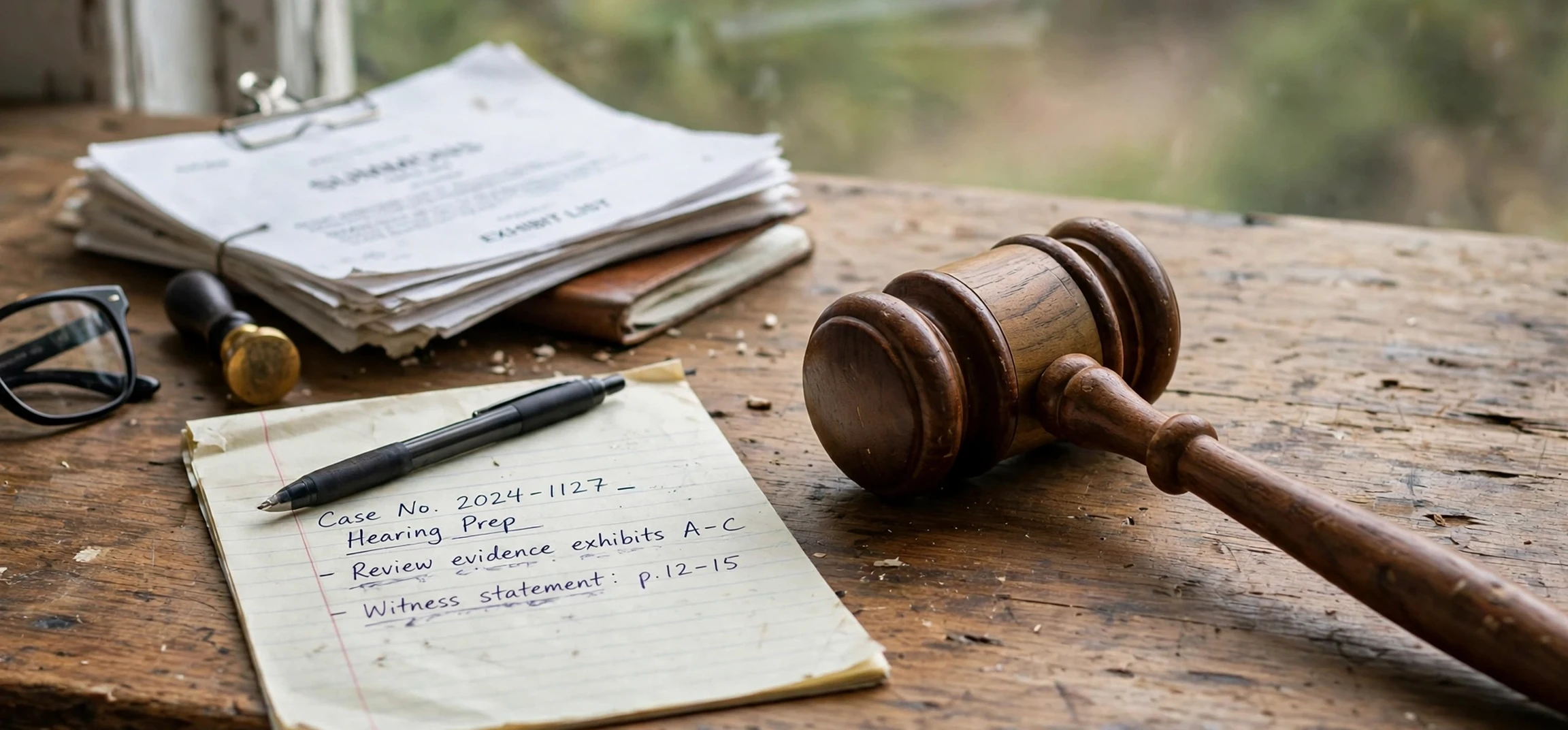
Court tv verdicts are the moments when a trial reaches its conclusion on camera, and a judge or jury announces whether a defendant is guilty or not guilty, or how a civil dispute has been decided. For viewers, the verdict is the dramatic climax of a case they may have followed for days or weeks. For the people involved, it is a life-changing legal outcome. This guide explains how verdict coverage works, what different verdicts mean, why some trials are televised and others are not, and how to watch court coverage with a clear understanding of what is really happening.
Televised trials have been part of American media for decades, but the modern era of dedicated court coverage began with channels that made the courtroom a daily television genre. Court TV, launched in 1991, built its identity around live trial coverage, expert commentary, and analysis of legal proceedings. The channel’s verdict moments became cultural events, because they combined the suspense of a drama with the reality that the outcome was real. Viewers were not watching actors; they were watching a jury decide a person’s fate.
That realism is both the appeal and the risk of verdict coverage. A verdict is easy to report as a headline, but hard to understand without context. A jury’s decision reflects the evidence presented, the law as explained by the judge, and the burden of proof, not simply whether viewers think someone seems guilty. This article gives that context, so that verdict coverage makes sense even when the outcome surprises you.
Court TV Verdicts Explained: What Happens at the End of a Trial
A trial ends with a verdict when the decision-maker announces a conclusion on the charges or claims before the court. In a criminal jury trial, the jury deliberates in private, then returns to the courtroom to deliver its verdict, usually read aloud by the foreperson or the court clerk. In a bench trial, where a judge decides the case without a jury, the judge announces the decision, often with a written explanation. In a civil trial, the verdict may award damages, decide liability, or resolve a dispute over property, contracts, or personal injury.
The moment of the verdict is carefully staged by courtroom procedure, even though it feels spontaneous on television. The jury is brought in, the courtroom is called to order, and the verdict form is handed to the judge, who checks it before it is read. That pause, which can feel agonising on camera, is a real procedural step. It ensures the verdict is complete and correctly recorded. Only then does the reading begin, and the reactions in the courtroom, relief, grief, or shock, are genuine precisely because the outcome was unknown until that moment.
After the verdict, the trial is not always over. In criminal cases, sentencing usually follows, sometimes immediately and sometimes weeks later, after reports are prepared. In civil cases, there may be post-verdict motions, appeals, or enforcement proceedings. Television coverage often moves on after the verdict, but the legal process continues. Understanding that gap matters, because a verdict is a conclusion to the trial, not necessarily the end of the legal story.
Court TV Verdicts and the Types of Decision Juries Reach
Not all verdicts are the same, and the differences matter. In criminal cases, the most familiar verdicts are guilty and not guilty. A guilty verdict means the jury found the prosecution proved its case beyond a reasonable doubt. A not guilty verdict means the prosecution did not meet that standard; it does not necessarily mean the jury believed the defendant was innocent in a broader sense, only that the legal standard was not met. That distinction is often lost in coverage, but it is central to how criminal law works.
Some trials end without a verdict at all. A hung jury, in which jurors cannot agree, may lead to a mistrial, after which prosecutors can choose to retry the case. A case may also end in a plea agreement before a verdict, or be dismissed by the judge for legal reasons. These outcomes are less dramatic than a verdict, but they are common, and good coverage explains them rather than treating them as anticlimaxes. For background on how cases conclude, see this explainer on what a disposed court case means and this guide to court dispositions and their meanings.
Civil verdicts work differently. A civil jury decides liability and damages on a lower standard of proof, usually a preponderance of the evidence, meaning more likely than not. A civil verdict may find a defendant liable and award money to the plaintiff, or it may find no liability. Because civil and criminal cases can arise from the same events, it is possible for a person to be found not guilty in criminal court and liable in civil court, or vice versa. Those contrasting outcomes confuse viewers, but they follow logically from the different standards and purposes of the two systems.
| Verdict or outcome | Court type | What it means | What happens next |
|---|---|---|---|
| Guilty | Criminal | Prosecution proved its case | Sentencing follows |
| Not guilty | Criminal | Standard of proof not met | Defendant is acquitted |
| Liable | Civil | Defendant responsible on balance of evidence | Damages may be awarded |
| Not liable | Civil | Claim not proved | Case ends, subject to appeal |
| Hung jury | Either | Jurors could not agree | Mistrial; possible retrial |
Why Verdict Moments Captivate Audiences
Verdict moments captivate audiences for reasons that go beyond curiosity. First, they are genuinely uncertain. Unlike scripted drama, a real verdict cannot be predicted with confidence, and viewers who have followed the evidence form their own expectations. The reading of the verdict tests those expectations in public, and the gap between expectation and outcome is what makes the moment compelling.
Second, verdicts are moral moments. A jury’s decision is a community judgement, delivered by ordinary citizens, about whether the law was broken and what should happen next. Viewers watch not just for the result but for the sense that justice has been done, or has failed. That moral weight is why verdict coverage draws strong reactions, and why commentators argue about verdicts long after they are delivered.
Third, verdicts are human moments. The courtroom reactions, a defendant’s family weeping, a victim’s family embracing, a lawyer’s quiet nod, are unscripted and unrepeatable. Television captures those reactions in close-up, which is why verdict clips circulate so widely. It is worth remembering, though, that those reactions belong to real people in the worst or best moment of their lives. Responsible coverage respects that reality rather than treating it as entertainment alone.
The Role of Commentary in Verdict Coverage
Modern court coverage pairs live proceedings with expert commentary, and that commentary shapes how viewers understand a verdict. Legal analysts explain the burden of proof, the significance of a particular piece of evidence, and the likely next steps. Good analysts also caution viewers against jumping to conclusions, noting what the jury heard that cameras may not have shown, or what legal rules limited the evidence.
Commentary can also mislead when it becomes prediction rather than explanation. Pundits who confidently forecast a verdict may look foolish when the jury disagrees, and viewers may feel the verdict was wrong simply because it differed from a prediction. The best way to watch verdict coverage is to treat commentary as context, not as a scorecard. The jury’s reasoning, which is usually private, matters more than any commentator’s guess.
Why Some Trials Are Televised and Others Are Not
Whether a trial is televised depends on the court, the jurisdiction, and the judge. In the United States, rules vary by state and by federal court, and judges have discretion to allow or restrict cameras. High-profile cases are more likely to be televised because media outlets request access, but judges must balance public interest against the risk of influencing witnesses, jurors, or the proceedings themselves. Some judges allow cameras with restrictions, such as no close-ups of witnesses or no coverage of certain testimony.
Federal criminal trials in the United States are generally not televised, while many state courts allow cameras. That is why the most famous televised trials tend to be state cases. Other countries have their own rules, ranging from open coverage to strict bans on courtroom photography. The result is that verdict coverage is a patchwork: some of the most important cases are fully televised, while others are known only through written reports and sketches.
Coverage of live trials on Court TV follows these rules case by case, which is why the channel’s schedule mixes live trials, recorded highlights, and studio discussion. A case may move in and out of live coverage as the judge’s orders or the trial’s progress dictate.
How to Follow a Verdict Like an Informed Viewer
Watching a verdict with understanding starts before the verdict itself. Follow the charges, not just the headlines. A defendant may face multiple counts, and a jury can return different verdicts on different counts, guilty on some and not guilty on others. A mixed verdict is common in complex cases, and it is often more informative than a simple headline suggests. Note which counts matter most to the parties, and what sentence or outcome each count carries.
Pay attention to the burden of proof and the judge’s instructions, which coverage usually summarises. In a criminal case, the question is not whether the jury thinks the defendant probably did it, but whether the prosecution proved it beyond a reasonable doubt. In a civil case, the question is different. Viewers who keep those standards in mind are less likely to be baffled when a verdict seems to contradict public opinion. The jury is answering a legal question, not conducting a popularity vote.
Finally, wait for the full picture. Initial verdict reports focus on the headline result, but the sentencing, the judge’s remarks, and the parties’ statements add context. Appeals may change the outcome months or years later. A verdict is a major milestone, but in a legal system built on review and appeal, it is rarely the final word on the day it is delivered. Informed viewers treat the verdict as the end of one chapter, not the end of the book.
Verdicts, Public Opinion, and the Justice System
Televised verdicts have a complicated relationship with public opinion. On one hand, cameras make justice visible, which supports public trust. Citizens can see that trials follow rules, that defendants have lawyers, and that juries deliberate seriously. That transparency is a democratic good, and it is the strongest argument for cameras in the courtroom.
On the other hand, coverage can distort. Editing, commentary, and social media can turn a complex trial into a simple story of heroes and villains, and viewers may judge a verdict by that story rather than by the evidence. High-profile verdicts can also affect future cases, by shaping what jurors expect or what lawyers argue. Courts are aware of these risks, which is why judges issue instructions to jurors to avoid media coverage and decide only on the evidence presented in court.
The healthiest way to think about televised verdicts is as an invitation to learn about the law, not as a substitute for it. A verdict you disagree with is an opportunity to ask what the jury heard, what the law required, and what standard was applied. Sometimes the answer will confirm your view; sometimes it will change it. Either way, the exercise is more useful than simply declaring the system broken or vindicated on the basis of a headline.
Frequently Asked Questions
Does a not guilty verdict mean the defendant is innocent?
Not in legal terms. It means the prosecution did not prove guilt beyond a reasonable doubt. A jury may have doubts without believing the defendant is innocent, and the verdict records that the legal standard was not met.
Must a jury verdict be unanimous?
In most criminal cases in the United States, a guilty verdict must be unanimous, though rules vary by jurisdiction and case type. Civil jury rules also vary, with some allowing non-unanimous verdicts. Coverage usually notes the rule when it matters.
What happens after a guilty verdict?
Sentencing follows, either immediately or after further proceedings. The defence may also file post-verdict motions or an appeal, so the legal process can continue well beyond the televised verdict moment.
Conclusion
Court tv verdicts are compelling because they are real, uncertain, and morally weighty, but they are best understood with context. A verdict is the decision of a judge or jury applying a specific legal standard to specific evidence, and its meaning depends on the type of case, the counts involved, and what follows next. Watch the verdict, by all means, but also listen for the burden of proof, the judge’s instructions, and the next steps. That habit turns verdict coverage from spectacle into civic education, and it honours the seriousness of what the courtroom has just decided.



