Medici the series is a historical drama that follows the rise of the Medici family in Renaissance Florence, blending political intrigue, family conflict, art, and ambition into a story that is easy to follow even for viewers who know little about Italian history. If you are curious about medici the series and want to know whether it is worth your time, this overview explains the premise, the main characters, the themes, and how the story develops, without spoiling every twist. Medici the series is best approached as a dramatised retelling rather than a documentary: it draws on real historical figures and events, but it shapes them for television, with invented conversations, compressed timelines, and dramatic emphasis. That approach makes medici the series engaging for new viewers, while also giving history lovers plenty to discuss and compare with the historical record.
The appeal of medici the series lies in its setting. Florence in the Renaissance was a city of bankers, artists, rival families, and shifting alliances, where wealth could buy influence and influence could be lost in a single betrayal. The Medici family sits at the centre of that world, building a banking empire while navigating enemies inside and outside the city. Viewers who enjoy costume drama, political strategy, and family saga will find much to enjoy, because the show balances grand public events with private moments: marriages arranged for advantage, friendships tested by loyalty, and younger family members trying to prove themselves. This guide looks at those elements in turn, so you can decide where to start and what to watch for as the story unfolds.
Medici The Series: Premise and Setting
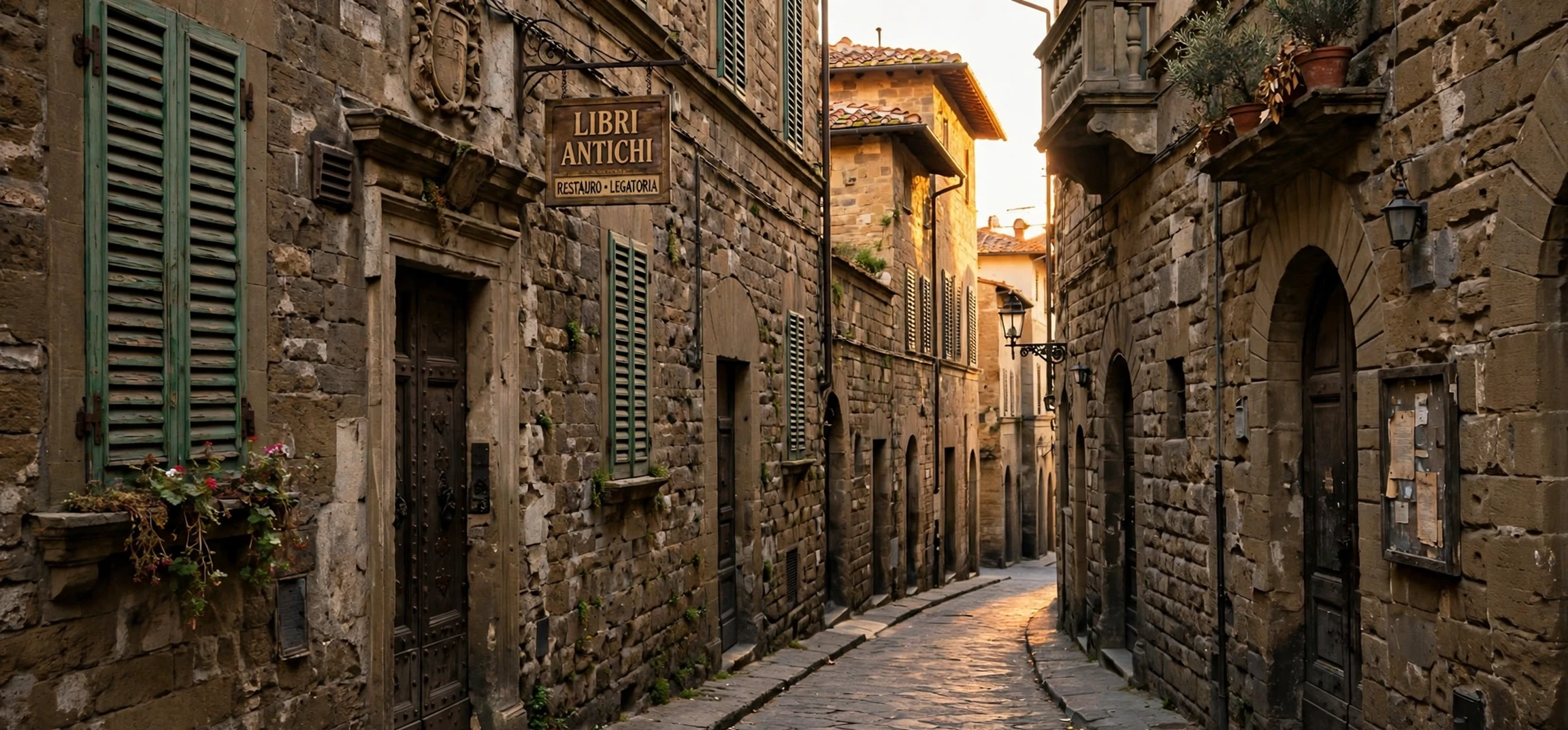
At its heart, medici the series tells the story of a family that rises from banking success to political power in Florence. The early story focuses on Cosimo de Medici and his brother Lorenzo, who inherit both a bank and a network of obligations after their father’s death. Their world is one where art is also politics: commissioning a painting, funding a building, or supporting a scholar can signal loyalty, wealth, and ambition just as clearly as a speech in council. The series uses Florence itself as a character, with its churches, palaces, workshops, and streets providing a vivid backdrop for deals made in public and secrets kept in private rooms.
Later parts of medici the series shift focus to the next generation, including Lorenzo the Magnificent, whose name is still associated with Renaissance art and culture. This generational shift is one of the show’s strengths, because it shows how power changes hands and how the choices of one generation create problems for the next. Viewers meet new rivals, new allies, and new artistic figures, while familiar family tensions continue in different forms. The result is a long family story rather than a single self-contained plot, and it rewards viewers who follow character relationships as closely as they follow political events.
Medici The Series: Main Characters to Know
New viewers often find medici the series easier to follow once they know the central figures. Cosimo is presented as thoughtful, cautious, and deeply aware of the cost of power, while his brother Lorenzo is more impulsive and driven by loyalty and emotion. Their contrasting styles create much of the early drama, especially when a decision that is good for the bank is bad for the family, or vice versa. Around them are wives, advisers, rivals, and artists, each with their own motives. The show gives adult characters complex inner lives rather than simple hero and villain roles, which means alliances can shift and a character who seems trustworthy in one episode may have a hidden agenda in the next.
In later storylines, Lorenzo the Magnificent becomes the central figure, balancing his love of art and learning with the harsh realities of ruling a city surrounded by enemies. His relationships with family, friends, and political rivals drive the drama, and the series explores how a patron of the arts must also be a strategist and, at times, a ruthless decision-maker. Supporting characters, including members of rival families, church figures, and bankers from other cities, add layers of tension. Keeping a mental note of who owes whom a favour, and who has been wronged, helps viewers follow the plot, because many twists grow out of debts and grudges established episodes earlier.
Family, Allies, and Rivals
The Medici story is, above all, a story about trust. Family members must decide whether to protect each other or protect the bank. Allies must decide whether loyalty to Florence, to the church, or to their own families comes first. Rivals, most famously the Pazzi family in the historical narrative, challenge Medici dominance through political plots, economic pressure, and, in dramatic retellings, conspiracy. The series does not present these conflicts as abstract history. It shows them through meals, letters, weddings, and whispered conversations, which makes the political stakes feel personal. That personal focus is why medici the series works for viewers who might not usually choose historical drama.
Themes in Medici The Series
Several themes run through medici the series from start to finish. The first is the price of power: every gain brings a new enemy, a new compromise, or a new moral cost. The second is art as influence: paintings, buildings, and books are not just decoration in this world, they are statements about who deserves to lead. The third is family loyalty versus public duty, a tension that affects almost every major character. A fourth theme is faith and conscience, as characters wrestle with church authority, personal belief, and the demands of politics. Together, these themes give the show depth beyond its costumes and sets, and they explain why it continues to attract new viewers years after its first release.
The series also explores gender and agency within its historical setting. Women in the Medici world often lack formal political power, yet they exercise influence through marriage, household management, patronage, and counsel. The show portrays adult women as strategists in their own right, negotiating within constraints that modern viewers will recognise as unfair but historically grounded. This portrayal adds richness to the family drama and invites discussion about how historical fiction handles the lives of people who were often left out of official records. Viewers interested in social history will find these storylines as engaging as the banking and political plots.
History Versus Drama in Medici The Series
It is worth remembering that medici the series is historical fiction, not a history lesson. Real events, such as the rise of Medici banking, the patronage of Renaissance artists, and the rivalries between Florentine families, provide the framework, but the show invents dialogue, compresses years into episodes, and sometimes changes details for dramatic effect. That is normal for television drama, and it does not make the show less enjoyable, provided viewers treat it as a starting point for curiosity rather than a final authority. If a storyline sparks your interest, you can follow it up with a reputable history book, a museum guide, or an academic overview to learn what historians believe actually happened.
This distinction also matters for how viewers talk about the show online. Describing a character’s television actions as if they were proven historical facts can spread confusion, especially for younger viewers or for readers encountering the Medici name for the first time. A better approach is to say what happened in the series, and then, if you know it, what historians say about the real person or event. That habit keeps discussion accurate and interesting, and it respects both the drama and the history. For other television overviews on this site, see a guide to another popular series and a television series review guide, which use a similar approach to separating story from source material.
How to Watch Medici The Series as a New Viewer
New viewers should start at the beginning and watch in order, because character relationships and political debts build across episodes. It helps to watch without distractions for the first few episodes, when many names and alliances are introduced. If you lose track of a character, pause and note their family name and their connection to the Medici, rather than trying to memorise every detail at once. Subtitles can help, especially since character names and place names are Italian and may be unfamiliar at first. Watching with subtitles also makes it easier to catch whispered dialogue in council scenes and private conversations.
Because availability changes over time and differs by region, check the official listings of the broadcaster or streaming service in your country for current availability, rather than relying on old articles or social media posts. Do not use unofficial streaming or download links, which may be illegal, unsafe, or of poor quality. Official sources also provide accurate episode lists and content guidance. If you are watching with family, check the age guidance for the series in your region first, since it contains adult themes, political violence, and mature relationships. The show is best suited to adult viewers and older teens with parental guidance, depending on local ratings.
What to Notice While Watching
Pay attention to art and architecture as storytelling tools. A new building, a portrait, or a public ceremony often signals a shift in power, not just a pretty scene. Notice how characters speak differently in public council meetings compared with private family rooms, and how letters and messengers carry both information and danger. Notice, too, how the show uses music and lighting to signal tension or hope. These details reward careful viewing and make rewatching enjoyable, because a scene that seemed simple on first viewing may reveal a second meaning once you know what happens next.
Frequently Asked Questions About Medici The Series
Is Medici the series based on real history?
Yes, in broad terms. Medici the series draws on the real Medici family and Renaissance Florence, but it is dramatised fiction. Characters, events, and timelines are adapted for television, so viewers should enjoy it as drama and consult reputable history sources for factual detail. This blend of fact and invention is common in historical television and is part of the show’s appeal.
Where should new viewers start?
Start with the first episode and watch in order. Early episodes introduce the family, the bank, and the rivalries that shape everything that follows. Skipping ahead can make later political twists confusing, because they depend on loyalties and debts established early. If you take a break between viewings, a brief recap of the main families can help you return without confusion.
Who is Medici the series suitable for?
The series is a drama for adult viewers, with mature themes, political intrigue, and scenes of violence that reflect its historical setting. Check the official age rating in your region before watching with younger viewers. Viewers who enjoy historical drama, family sagas, and political strategy are the most likely to enjoy it, even without prior knowledge of Italian history.
| Element | What to expect | Tip for new viewers |
|---|---|---|
| Setting | Renaissance Florence, banking and politics | Note family names as you watch |
| Main family | The Medici, across generations | Follow debts and loyalties, not just battles |
| Tone | Political drama with family saga elements | Watch in order for the full story |
| History | Dramatised, not documentary | Check history sources for facts |
| Availability | Varies by region and time | Check official listings locally |
Conclusion: Why Medici The Series Still Appeals
In conclusion, medici the series remains popular because it combines a fascinating historical world with timeless human drama: ambition, loyalty, love, betrayal, and the search for legacy. Its Florence feels lived-in, its adult characters feel complex, and its story of a family rising, ruling, and facing the consequences of power continues to resonate. Whether you come for the art, the politics, or the family saga, watching in order, noticing the details, and checking official sources for availability will give you the best experience. For more television overviews, explore another television series guide on this site, and enjoy discovering why the Medici story has fascinated audiences for centuries.