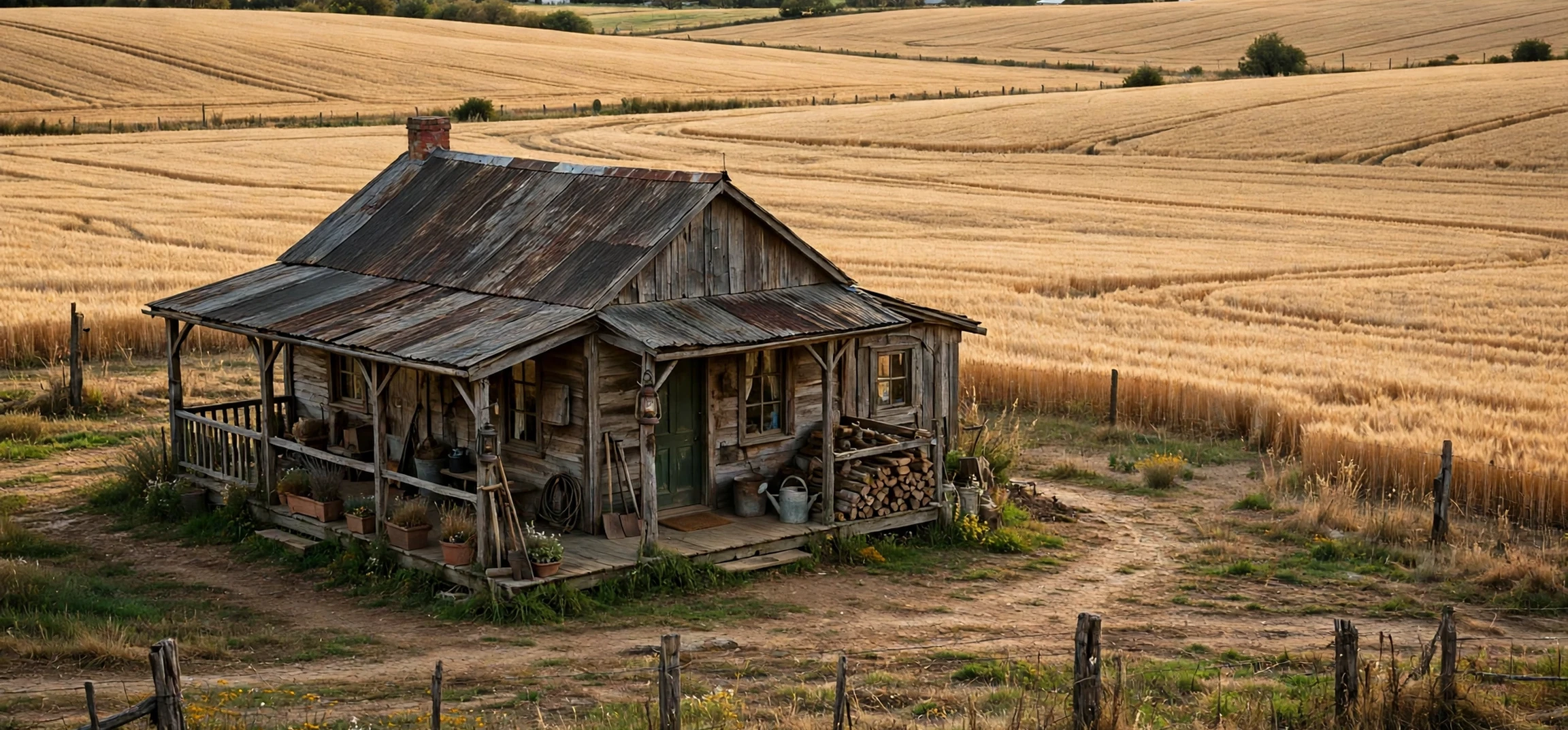
If you have ever asked where was the tv series the waltons filmed, the short answer is that this beloved family drama was made in California, not in the Virginia mountains where its story is set. The Waltons, which ran on American television through the 1970s and into the early 1980s, told the story of a family living on Waltons Mountain in rural Virginia during the Depression and the Second World War years. The mountain itself was a creation of the studio backlot, while the show’s warmth came from writing, casting, and set design rather than from location shooting in Appalachia.
That gap between story setting and filming location surprises many viewers, because the show feels so rooted in place. Rolling hills, a white clapboard house, a country store, and a church on a hill all look like a real Virginia community, and in a sense they were real: they were physical sets built and dressed by craftspeople, filmed week after week on a studio lot. Understanding how that illusion was made adds a whole new layer of appreciation when you rewatch an episode.
This guide explains where the series was filmed, how the famous house set was built and rebuilt, which real Virginia places inspired the story, and how fans can explore the show’s legacy today without trespassing on private property. It gives general locations only: no private addresses are included, and anyone planning a visit should check current opening information with the official attraction or studio source before travelling.
Where Was the TV Series The Waltons Filmed?
The answer to where was the tv series the waltons filmed is, in the main, the Warner Bros. studio lot in Burbank, California. Interiors were shot on soundstages, where the Walton family home, the store, and other rooms could be lit and filmed under controlled conditions. Exteriors, including the famous front of the Walton house, were filmed on the studio backlot, an outdoor area of standing sets designed to look like streets, farms, and small towns from many eras.
Backlot filming was standard practice for American television drama of the period. It gave producers control over weather, light, sound, and scheduling that real location shooting could not match. A production filming dozens of episodes a year needed sets that were always available, always dressed, and always within reach of the soundstages, cameras, and crews. The backlot delivered that, and skilled set dressers made the same streets serve many different stories across many different shows.
Some second-unit and scenic material added to the rural feeling, but the heart of the series was a studio production. That is why the show’s Virginia looks consistent from episode to episode: the same house, the same porch, the same dirt road, and the same mountain backdrop appeared week after week. Real locations change with seasons, construction, and ownership; a backlot set stays put, which is exactly what a long-running series needs.
The Walton House Set on the Backlot
The Walton family house is the show’s most recognisable image: a two-storey white house with a wide porch, standing against a wooded hillside. The exterior was a facade built on the backlot, designed to read convincingly on camera from the front and from a few angles, while the interior rooms viewers remember were separate sets on soundstages. This split between exterior shell and interior set is normal in television production, and it explains why the inside of the house could feel larger and more detailed than any single building shell would allow.
Backlot sets are working structures, not museum pieces, and they change over time. Sets are redressed, repaired, reused for other productions, and sometimes rebuilt after damage such as fire. The Walton house set has a long history of such changes across the decades since the series ended, and it has appeared in various forms in later productions. Fans who visit studio tour attractions should therefore expect the lot to look like a living workplace rather than a frozen scene from 1972, and should check what is currently on view before visiting.
The mountain backdrop deserves a note of its own. The wooded hills behind the house were part of the backlot landscape, enhanced by camera angles and set dressing. On television they read as the Blue Ridge foothills, which is a tribute to the art department: California hills, dressed with the right trees, fences, and light, convinced millions of viewers they were looking at Virginia. That craft is a large part of why the show’s sense of place remains so strong.
The Real Virginia Behind the Story
Although the series was filmed in California, its story draws deeply on real Virginia life. The show’s creator, Earl Hamner Jr., based the Walton family on his own family and childhood in Schuyler, a small community in Nelson County, Virginia, in the foothills of the Blue Ridge Mountains. The novels and scripts that grew from those memories gave the series its specific details: the Depression-era economy, the close-knit family, the church and school at the centre of community life, and the rhythms of rural work.
Schuyler today is home to a museum devoted to the show and to Hamner’s life and work, housed in a building associated with his family history. It is a popular stop for fans, and it offers a very different experience from a studio tour: instead of sets, it presents memorabilia, photographs, and local history that connect the fiction to the real community that inspired it. Visitors should check the museum’s official information for current hours and admission before planning a trip, since seasonal schedules can change.
It is important to keep fiction and geography distinct. The fictional Waltons Mountain is not a single real mountain with a single real address, and the Walton family home of the show is not a private house waiting to be visited. Treating the story’s setting as a real, visitable address leads fans to private homes and disappointed trips. The rewarding visits are the public ones: the museum in Schuyler and, where available, organised studio tours in California.
Why California Stood In for Virginia
Television economics in the 1970s made California the practical choice. Studios, crews, equipment houses, costume departments, and post-production facilities were concentrated in Los Angeles, and a series shooting more than twenty episodes a season needed that infrastructure close at hand. Moving the whole production to Virginia for months each year would have multiplied costs and complicated scheduling, especially for a cast that included many children whose working hours were regulated.
California’s landscape also helped. The hills around Los Angeles, dressed with trees, fences, and dirt roads, could pass for the Virginia foothills on the television screens of the era, which were smaller and lower in resolution than today’s displays. Audiences judged a scene by its overall feeling rather than by botanical detail, and the show’s designers understood that feeling: weathered wood, green hills, a porch light, and a dirt track told viewers “rural Virginia” more effectively than any precise landmark.
Other classic series of the period made the same trade. Rural and small-town America on 1970s television was very often a backlot, and fans of classic TV will find the same pattern behind many beloved shows. A good companion example is this guide to where the TV show MASH was filmed, which shows how another famous series balanced studio work with outdoor locations. Comparing the two productions reveals how much of television geography is craft rather than cartography.
Where Was the TV Series The Waltons Filmed: Locations and Sets Explained
It helps to separate three ideas that fans often blend: the story setting, the filming location, and the visitor attraction. The story setting is fictional Waltons Mountain, Virginia, in the 1930s and 1940s. The filming location is principally the Warner Bros. lot in Burbank, California, with soundstages and backlot sets. The visitor attractions are public sites such as the museum in Schuyler, Virginia, and organised studio tours where available. Each answers a different question, and confusing them is the main source of wrong directions online.
Within the production, a further distinction matters: interiors versus exteriors. Interiors, such as the Walton kitchen, living room, and bedrooms, were stage sets, built to be taken apart, lit from above, and filmed from multiple angles. Exteriors, such as the house front, yard, and road, were backlot sets, built to withstand weather and to be filmed in daylight. Actors moved between the two worlds seamlessly, and editing stitched them into a single believable home.
Later Waltons reunion films and specials, made years after the original run, used a mix of studio facilities and locations available at the time, so their production geography is not identical to the original series. Fans researching a specific reunion movie should check that production’s own credits and histories rather than assuming every Waltons project shared one filming map. The original series, however, remains firmly a Burbank studio production.
| Element | What viewers see | Where it was made |
|---|---|---|
| Story setting | Waltons Mountain, rural Virginia, 1930s-1940s | Fictional, inspired by Schuyler, Virginia |
| House interiors | Kitchen, living room, bedrooms | Soundstages in Burbank, California |
| House exterior | White house, porch, yard | Studio backlot in Burbank, California |
| Mountain backdrop | Wooded hills behind the house | Backlot landscape and camera work |
| Fan museum | Memorabilia and local history | Schuyler, Virginia (public attraction) |
Visiting Waltons Sites Responsibly
Fans planning a trip have two good public options. The first is the museum in Schuyler, Virginia, which presents the show’s history alongside the real community story. The second is an organised studio tour in the Los Angeles area, where guides explain how backlots work and what is currently standing. Both are public, ticketed or scheduled experiences, and both publish their own current information online. Checking that information before travelling is essential, because hours, tours, and exhibits change.
What fans should not do is seek out private homes or attempt to locate a “real” Walton house address. No such public address exists, and approaching private residences disturbs residents and disappoints visitors. The same rule applies to any filming location from a decades-old series: if a site is not advertised as a public attraction, treat it as private. Responsible fandom protects both residents and the show’s reputation.
Photography rules also deserve a quick note. Museums and studio tours each set their own photography policies, and backlot areas on a working studio are often restricted. Following the guide’s instructions keeps tours running for everyone. The best souvenirs from these visits are usually the stories guides tell about how a set was built, how a scene was lit, or how a child actor’s school day was fitted around filming.
The Show’s Legacy and Rewatch Value
The Waltons endures because its appeal never depended on a real mountain. Its appeal was character: a large family facing hard times with humour, patience, and mutual support, narrated with warmth by the adult John-Boy looking back on his childhood. That storytelling travels well across generations, which is why the series still finds new viewers decades after its first broadcast, and why questions about its filming locations keep circulating.
Rewatching with production knowledge enriches the experience. Once you know the house exterior is a backlot facade and the interiors are stage sets, you start noticing the craft: how light falls through a stage window, how a porch scene is framed to hide the lot behind it, how sound design sells a rural night. The illusion does not collapse when you understand it; it becomes more impressive, because you see how many skilled people cooperated to sustain it for years.
For viewers exploring classic television more broadly, this guide to an ABC Family TV series overview offers a reminder of how differently later family dramas were produced, with location shooting far more common. The contrast highlights what made the 1970s studio system distinctive: a factory-like efficiency that could still produce intimate, character-driven storytelling week after week.
Frequently Asked Questions
Was The Waltons filmed in Virginia?
No, the series was principally filmed at the Warner Bros. studio in Burbank, California, on soundstages and the backlot. Its story is set in Virginia and inspired by the creator’s childhood in Schuyler, Virginia, but production itself was Californian.
Is there a real Walton house I can visit?
The television house was a studio set, not a private home open to visitors. Fans can visit the public museum in Schuyler, Virginia, and organised studio tours where available, and should check official information for current details.
Why does the show look so convincingly rural?
Skilled set design, dressing, lighting, and camera work made California backlot sets read as Virginia countryside on television. Consistent sets, reused across many episodes, strengthened the illusion.
Can I visit the backlot set today?
Backlots are working studio areas, and access depends on current studio tour offerings, which change over time. Check the studio’s official tour information before planning a visit, and expect the lot to reflect current productions as well as history.
Conclusion
Where was the tv series the waltons filmed? Principally in Burbank, California, where soundstages and a backlot gave life to a Virginia that existed first in one man’s memories. The real Virginia behind the story lives on in Schuyler, where a museum honours the community that inspired it, while the fictional mountain lives on in the episodes themselves. Knowing both halves of that story, the California craft and the Virginia heart, is the most satisfying answer a fan can have, and it makes the next rewatch richer than the last.



